African safari stories & planning guides
The NndeeAfrika journal, our African safari blog: expert advice, clear answers and inspiration for your luxury African safari, from when to go and what it costs to gorilla trekking and the perfect bush-and-beach finale.
Latest from the safari journal
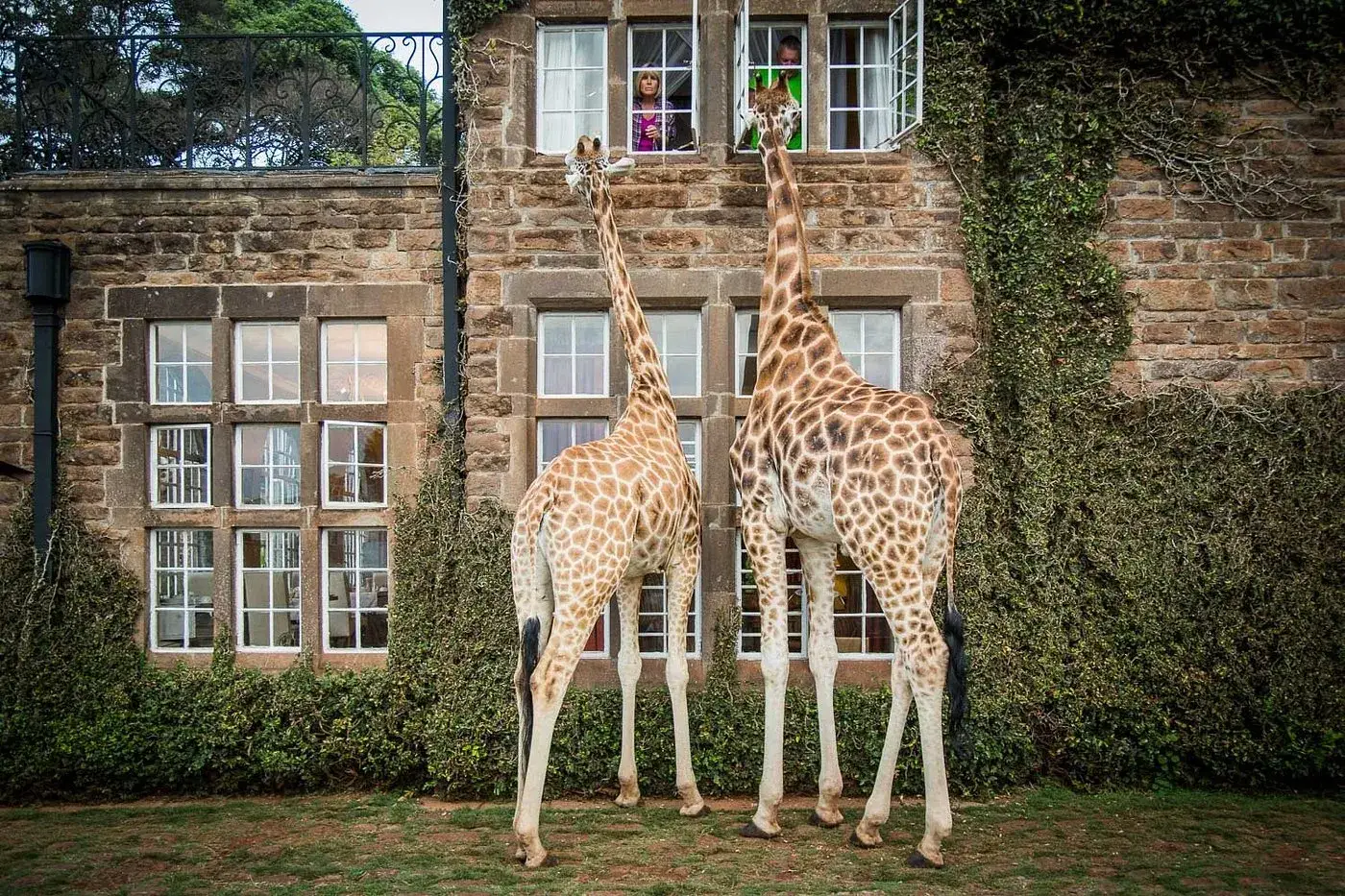
8 Iconic Luxury Safari Lodges in Africa (2027)
From Giraffe Manor and Angama Mara to Singita, Mombo and Londolozi: a route through Africa’s most celebrated luxury safari lodges.
Tip. For peak season, plan twelve months ahead. That is because the smallest lodges fill first.
Read the story →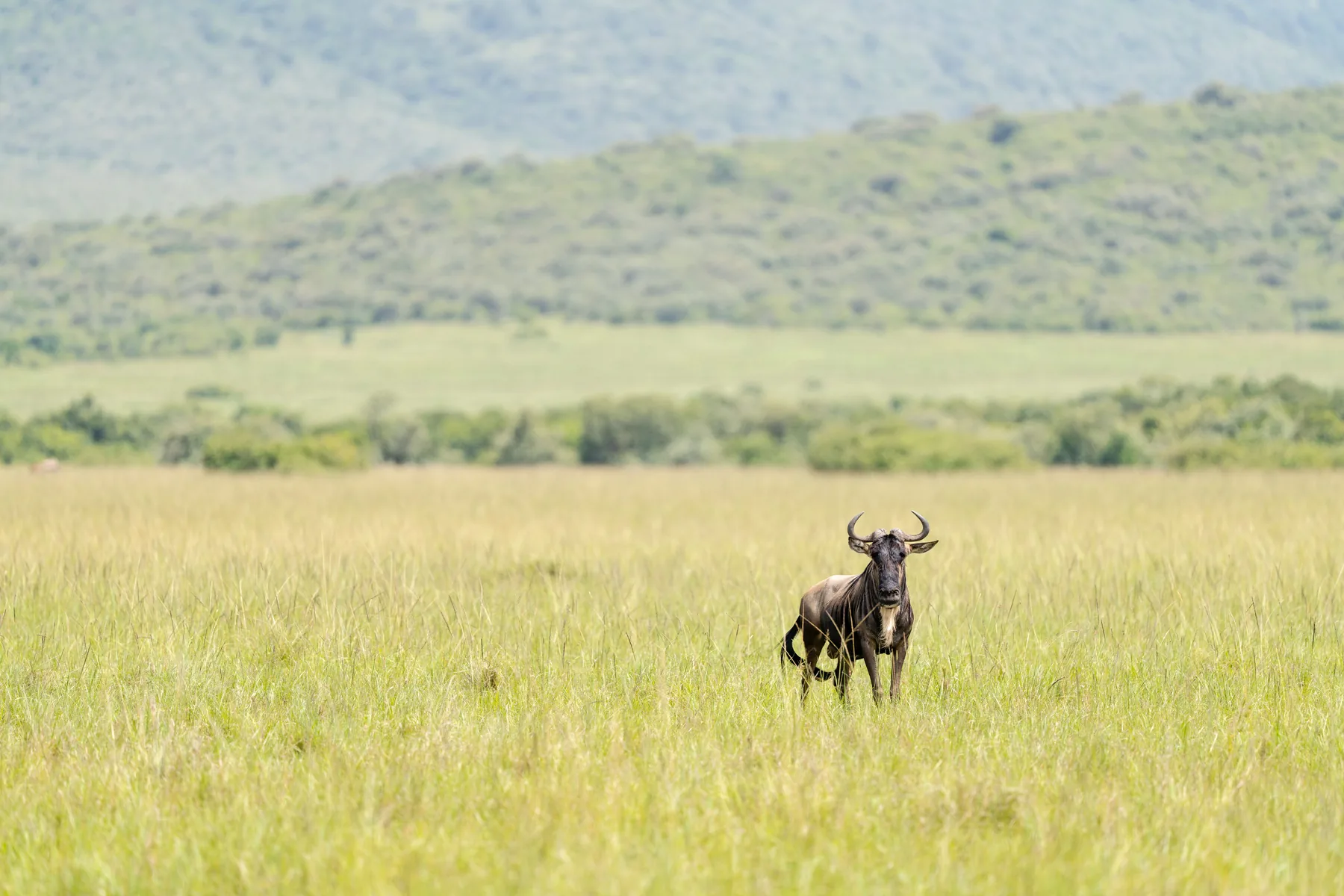
African Safari Animals by Country
Nine countries: what each is genuinely best in the world for and, just as usefully, what each one cannot give you.
Tip. First, choose the animals. Then the country usually picks itself.
Read the story →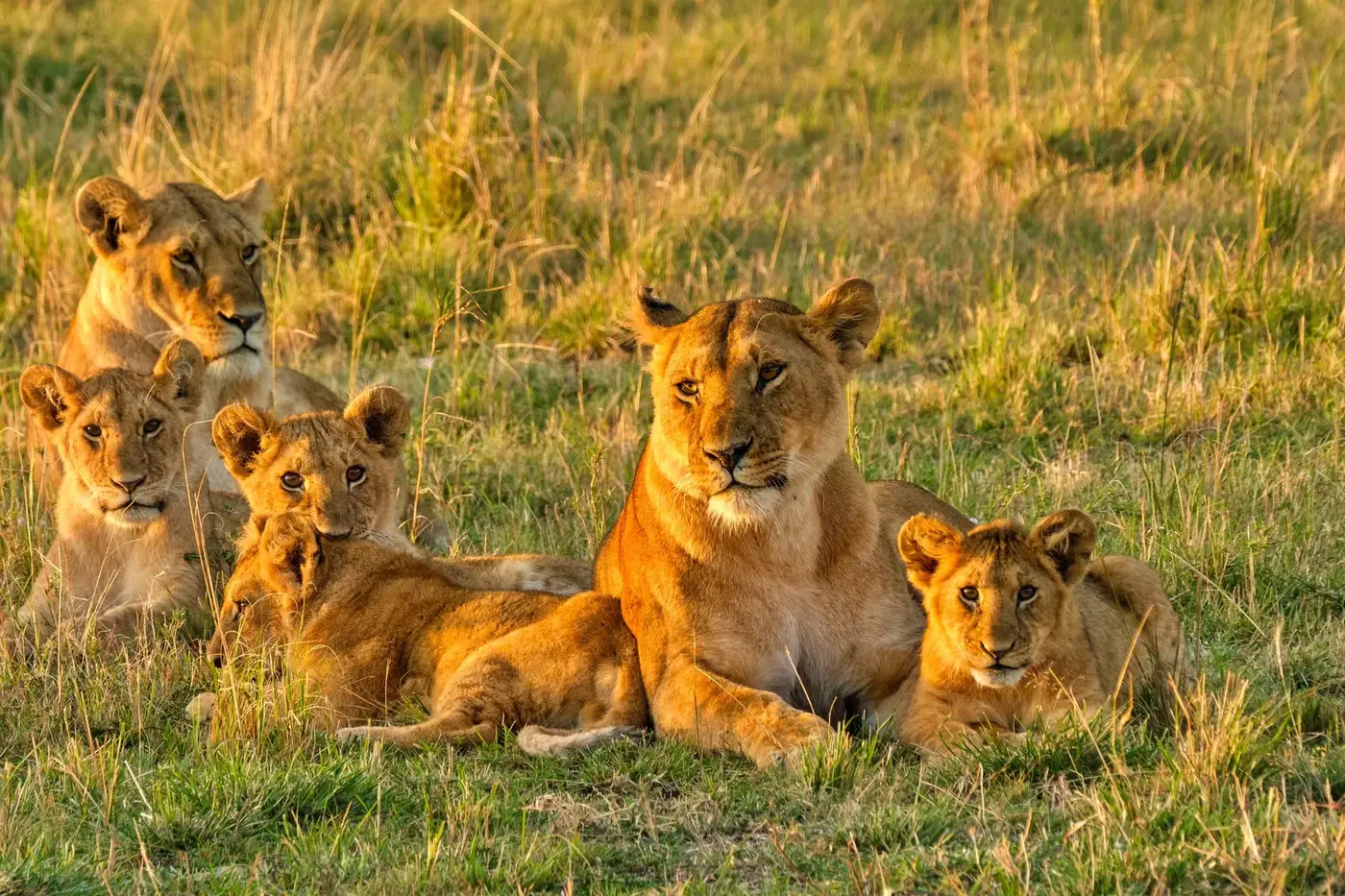
Best Places to See Lions in Africa
Ten reserves ranked, the tree-climbing and swimming prides, and the four things that genuinely change your odds.
Tip. In fact, a conservancy beats a national reserve: same lions, off-road access, night drives, fewer vehicles.
Read the story →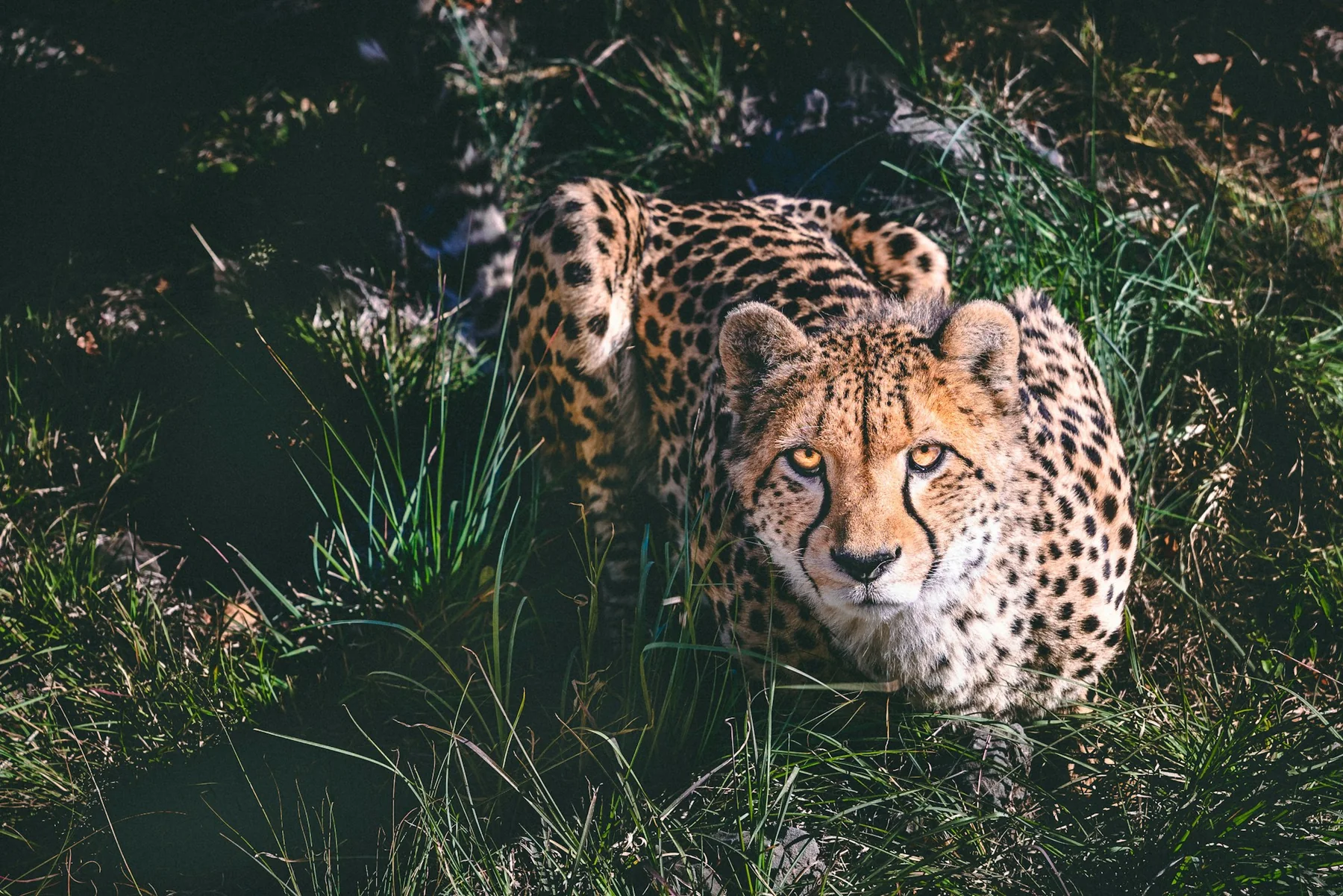
Cheetah vs Leopard: How to Tell the Difference
Spots or rosettes, tear marks, build and behavior, and which reserves give you the best odds on each.
Tip. If the cat is up a tree, it is a leopard. That one settles it on its own.
Read the story →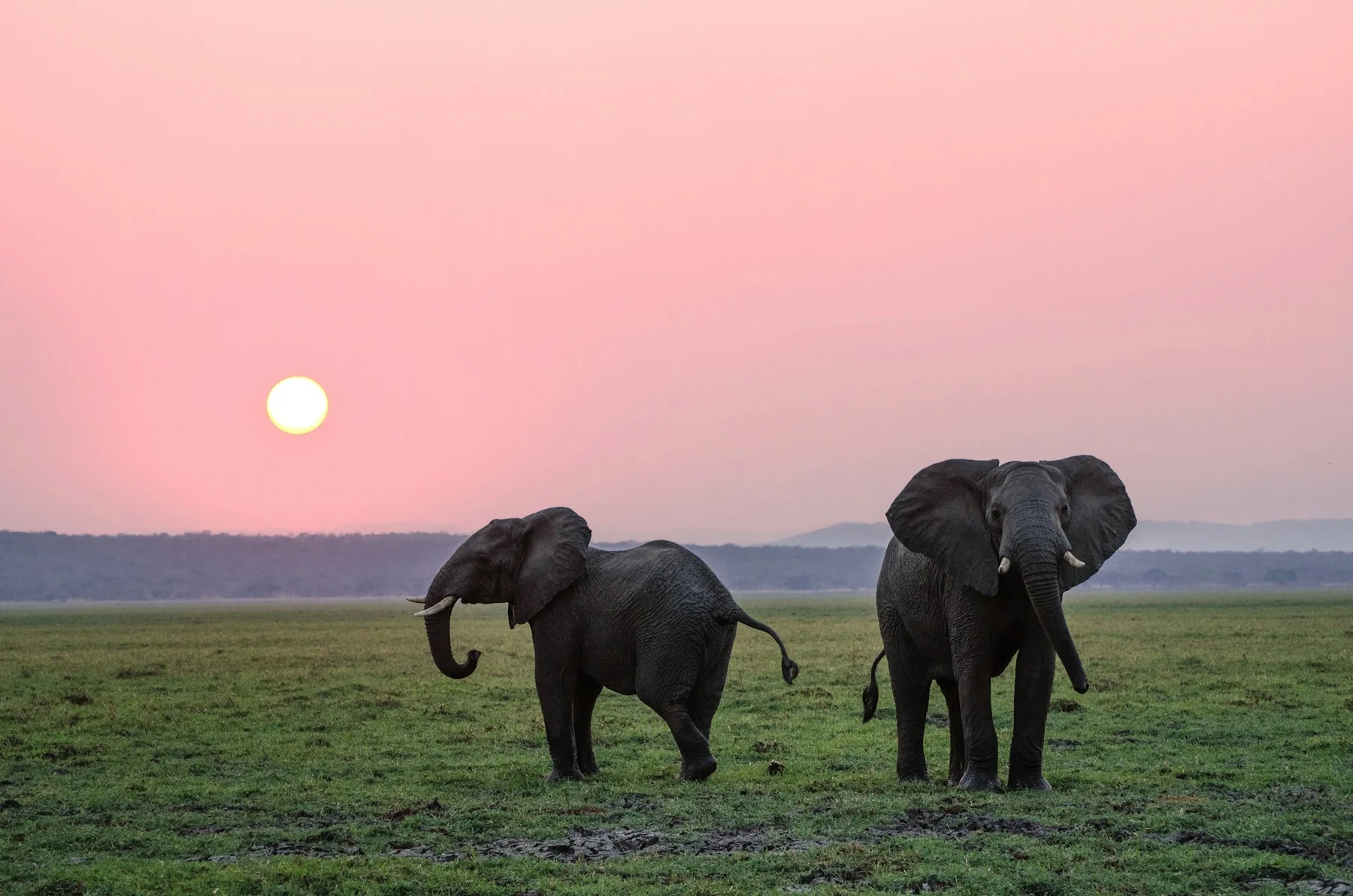
Safari Animals in Africa: 25 Iconic Animals & Where to See Them
Twenty-five animals worth crossing the world for: what each is really like, and the parks and months that give you the best chance.
Tip. No country has everything. So match the wish list to the destination, not the other way round.
Read the story →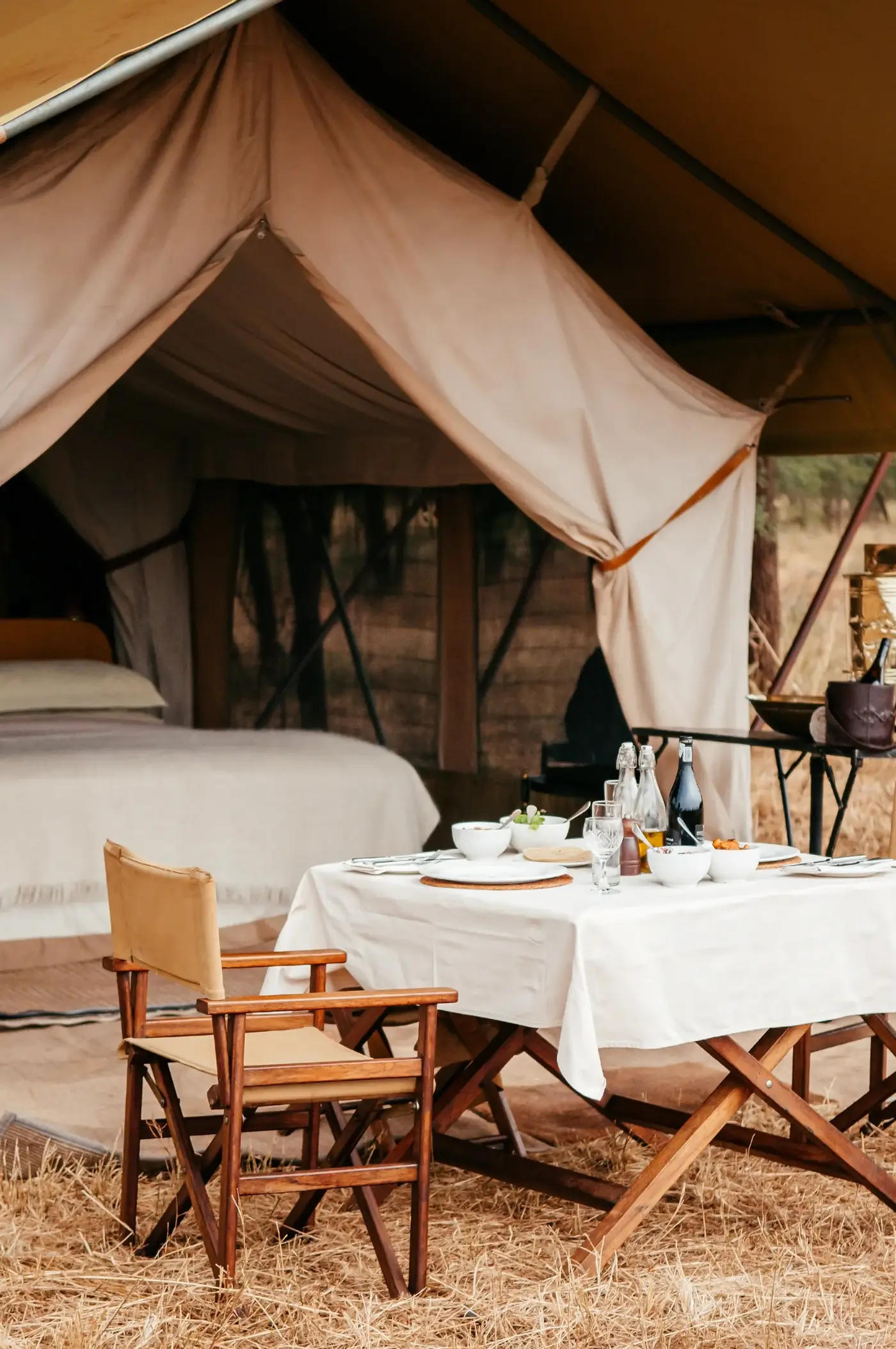
Kogatende or Lamai: Choosing a Northern Serengeti Camp
Which bank of the Mara River to sleep on for the crossing months, and why the individual camp matters more than either area name.
Tip. On three nights, stay put. Otherwise, changing camps costs you a morning, and mornings are the currency.
Read the story →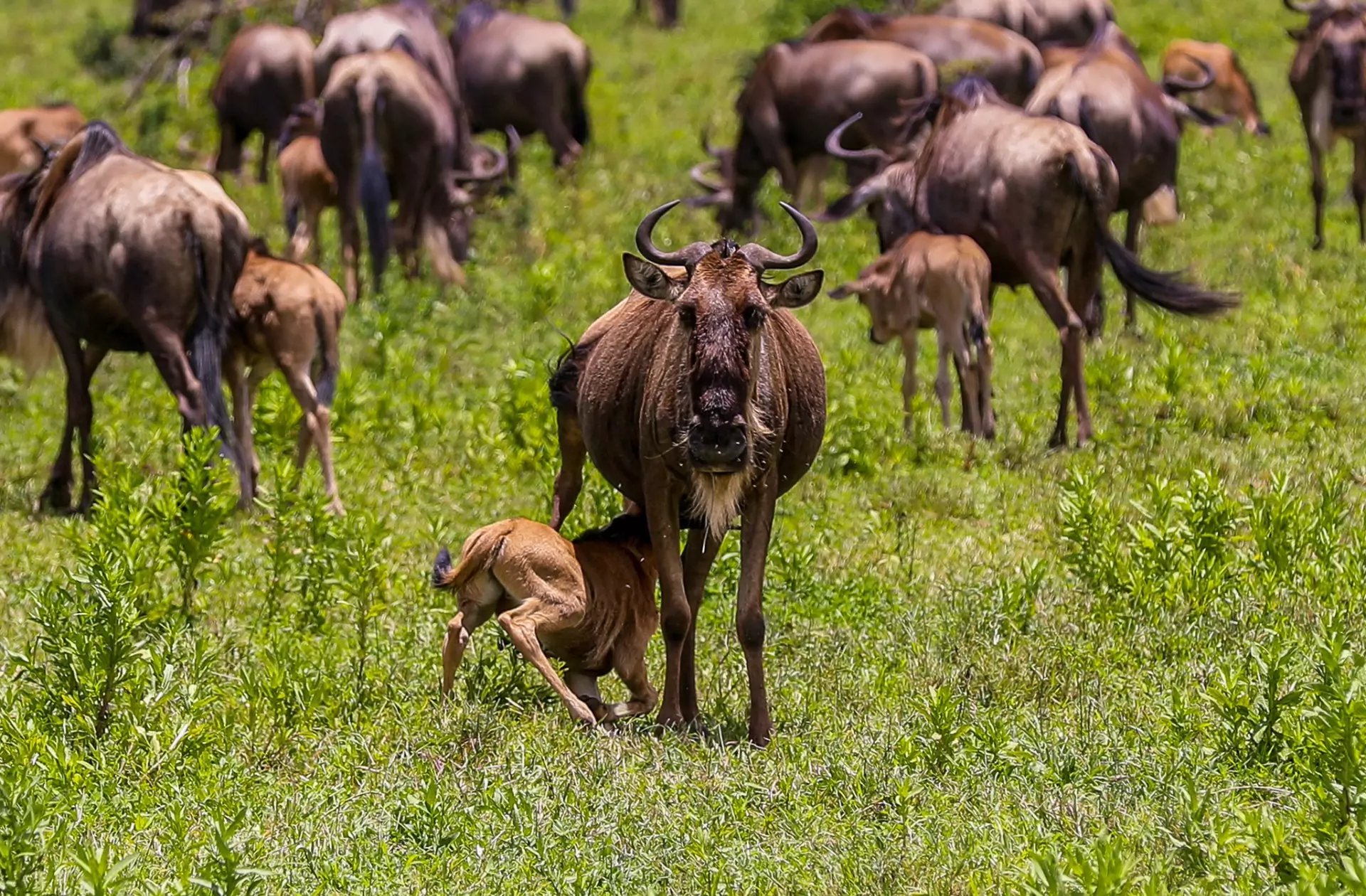
Wildebeest Calving Season: Ndutu and the Southern Serengeti
January to March on the short-grass plains brings half a million calves, the predators that follow them, and far fewer vehicles than August.
Tip. February is the peak. Green season light, and the cheetah viewing is superb.
Read the story →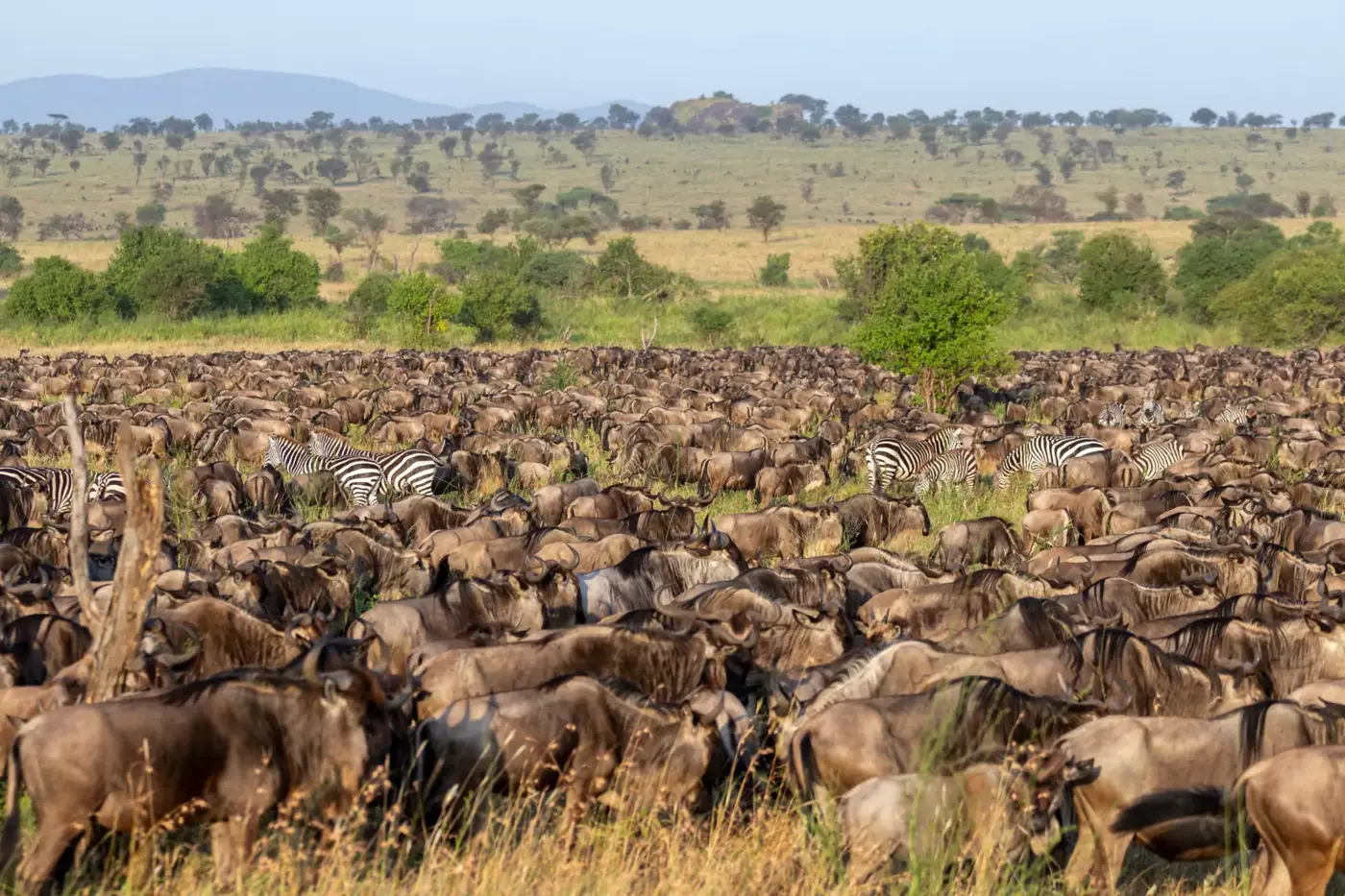
Serengeti vs Masai Mara: Which Park Should You Choose?
Two of the most famous safari parks on earth share one border and one migration, but they feel very different on the ground. Here, the journal compares them park by park.
Tip. Of course, they are one ecosystem, and the herds cross between them all year.
Read the guide →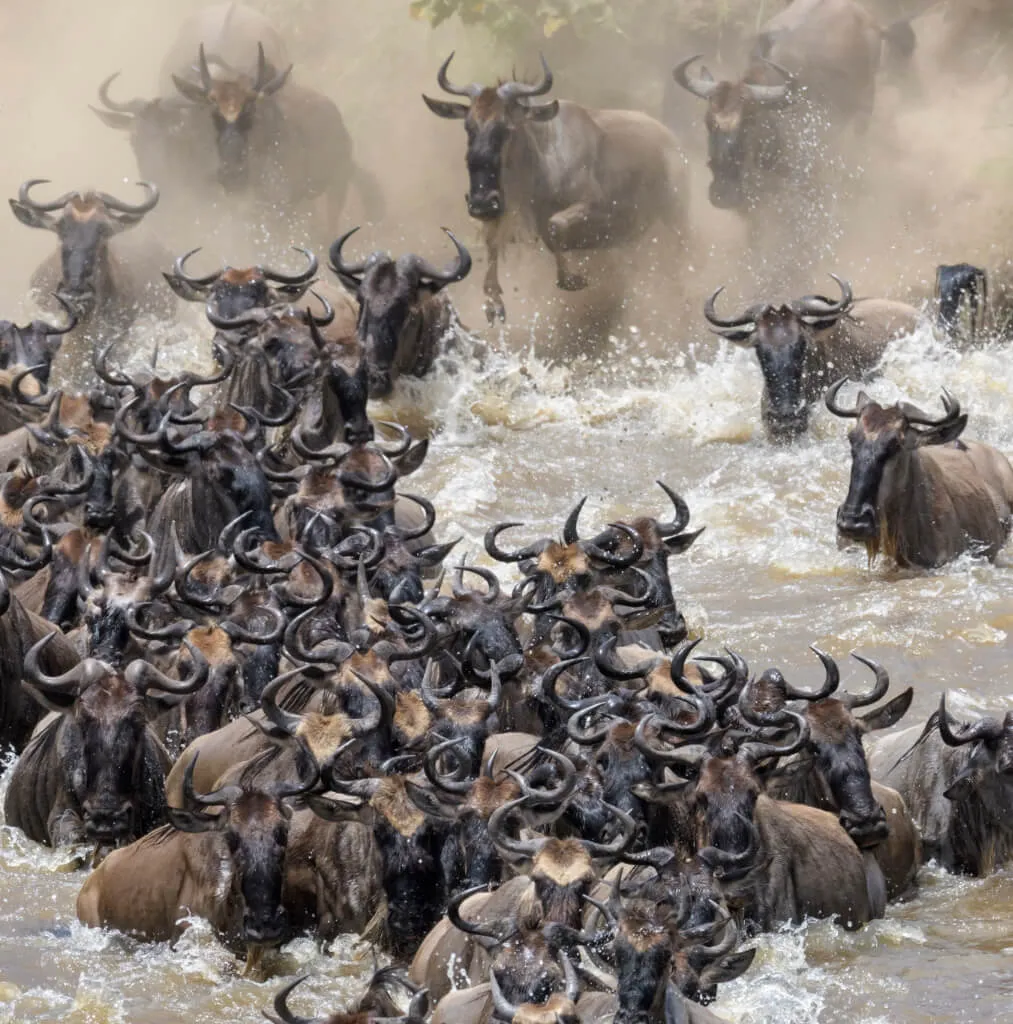
Mara River Crossings: When and Where to See Them
When the herds usually reach the river, where to watch from on each side of the border, and why no responsible operator promises you a crossing.
Tip. In general, three nights in crossing country is the realistic minimum. Two, on the other hand, is a gamble.
Read the story →Conservancy vs National Park: Where Should You Stay?
Off-road drives, night safaris and no crowds, or the iconic parks themselves? What private conservancies actually are, and how to choose between them.
Tip. However, the ideal itinerary usually combines both: park icons plus conservancy freedom.
Read the story →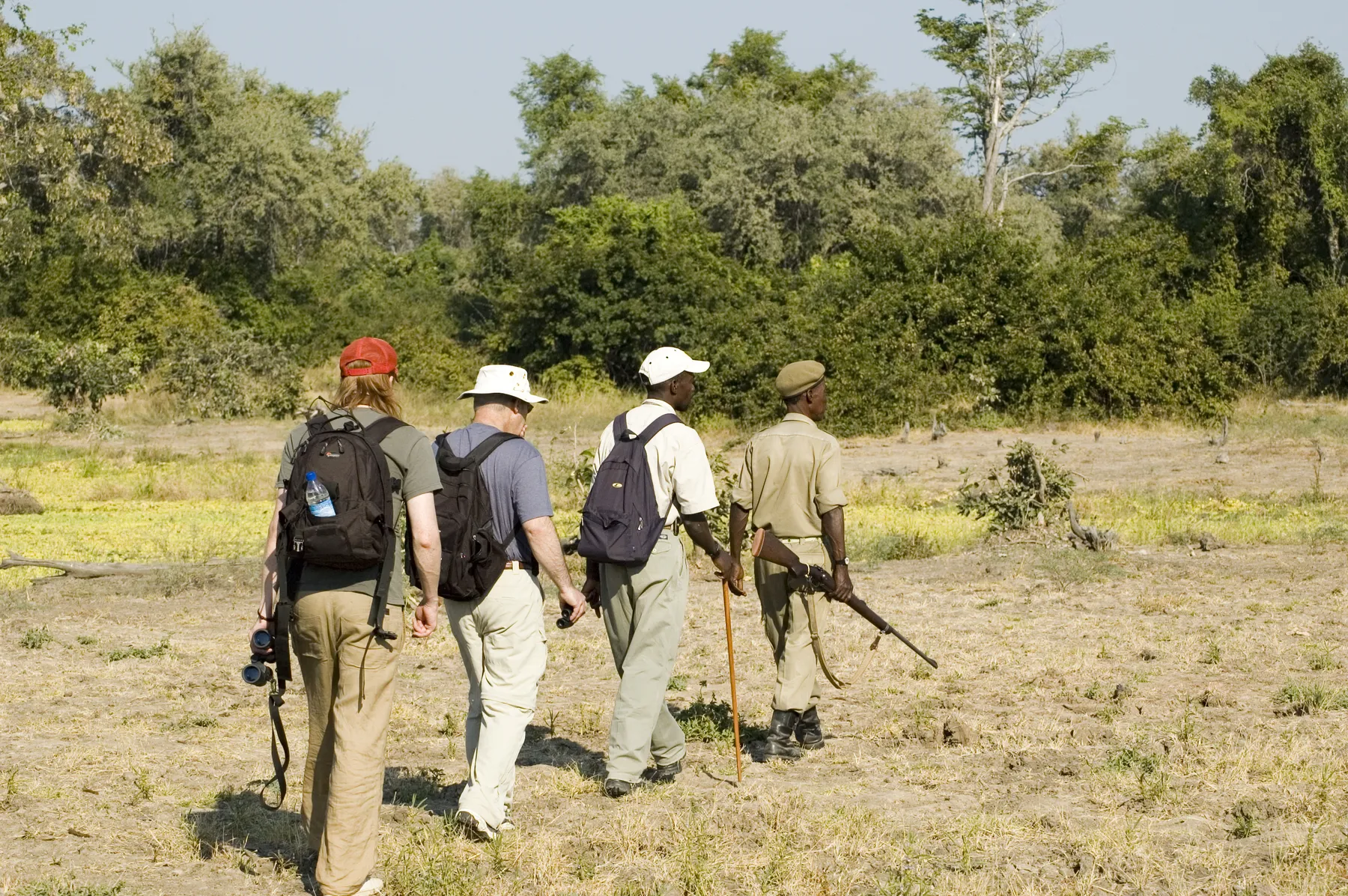
The Slow Safari: Why Less Itinerary Is More Africa
Fewer camps, longer stays, mornings without a plan. Why the most restorative luxury travel of 2026 is a safari taken slowly, and how to design one.
Tip. In short, three nights is the minimum for a camp to stop being a hotel and start being home.
Read the story →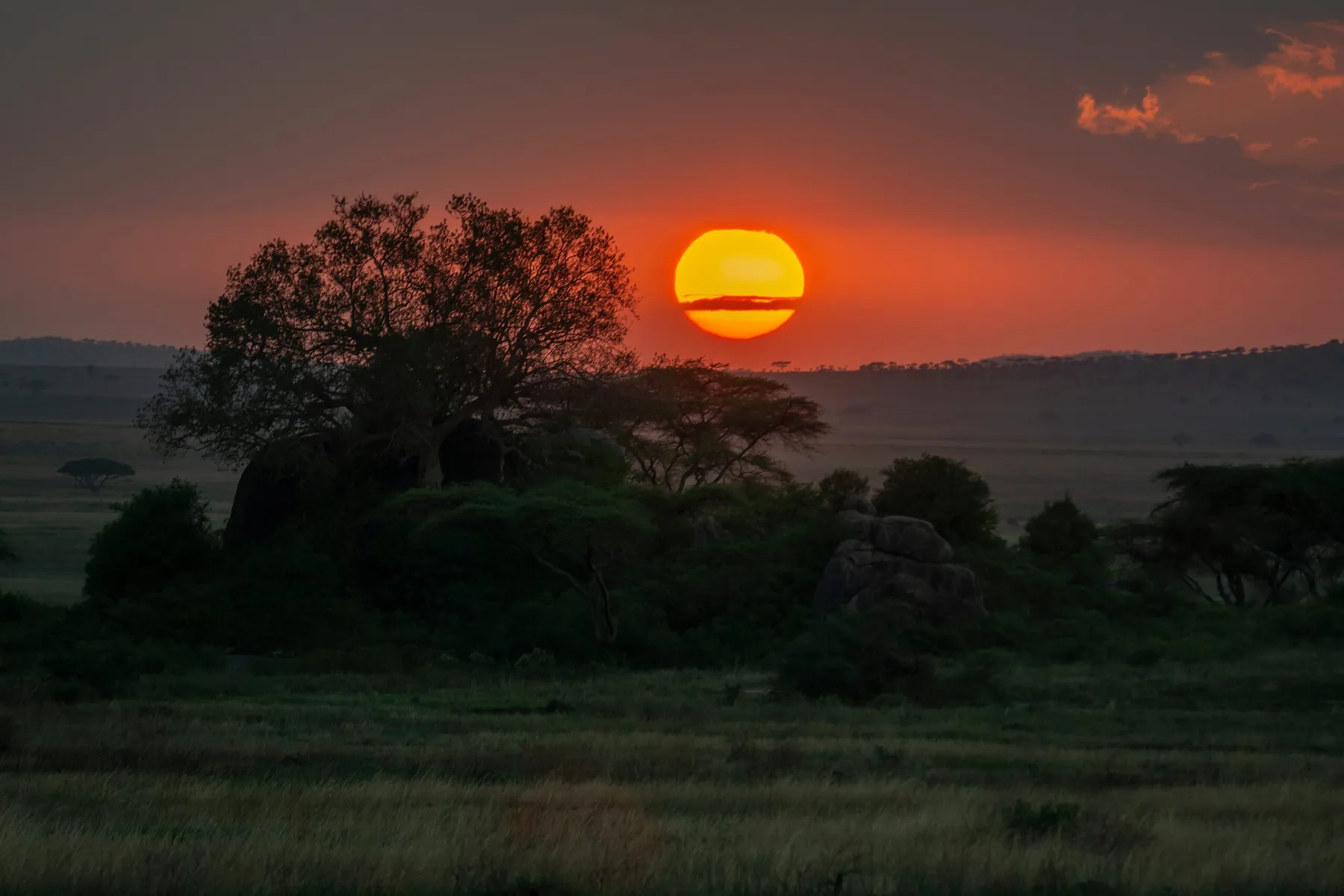
Private vs Group Safari: Which Is Right for You?
Your own guide and vehicle, or a shared departure? What each really costs, what each really feels like, and why we only run one of them.
Tip. Above all, a private vehicle is the single biggest upgrade you can make to any safari.
Read the story →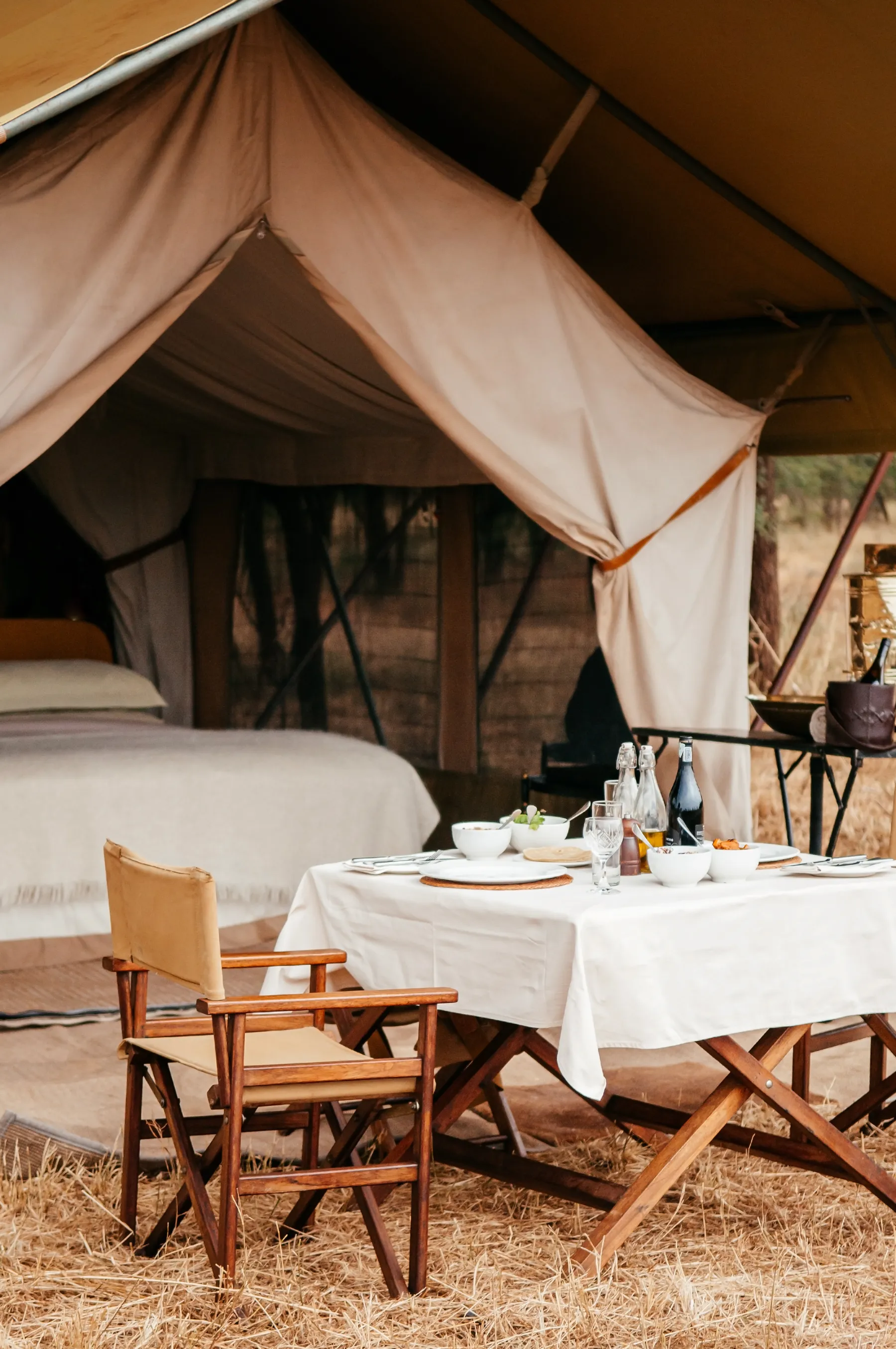
What’s Included in a Luxury Safari?
“Fully inclusive” varies wildly between operators and lodges. In this journal guide: what’s covered, what’s not, and the questions that expose hidden costs.
Tip. For this reason, always ask for the exclusions list. It tells you more than the inclusions.
Read the story →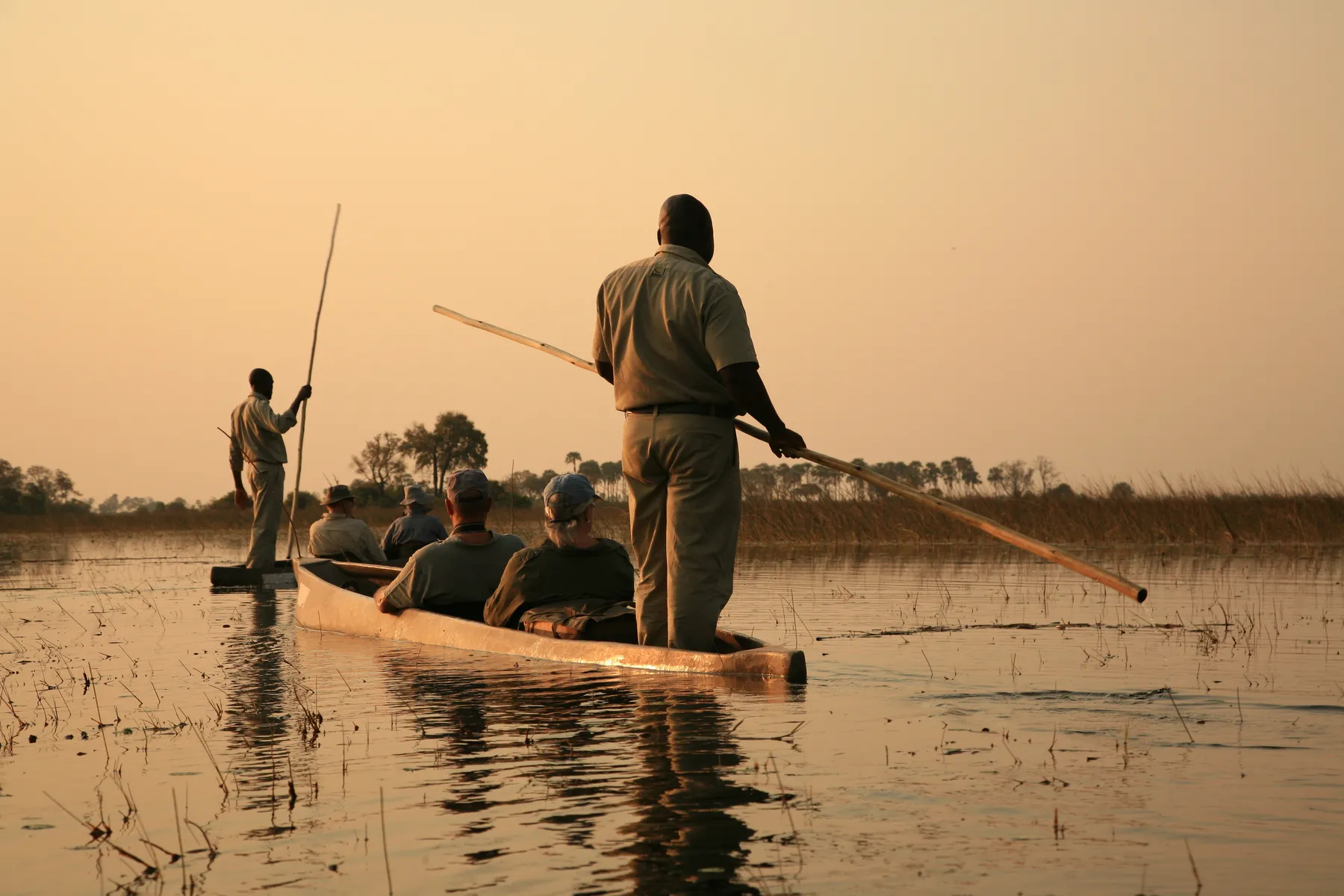
Botswana vs East Africa: Two Very Different Safaris
The Okavango’s exclusive water wilderness or the Serengeti’s epic herds? How Africa’s two great safari styles compare, and how to choose.
Tip. First safari? Then East Africa’s density is hard to beat. Returning? In that case, Botswana will spoil you.
Read the story →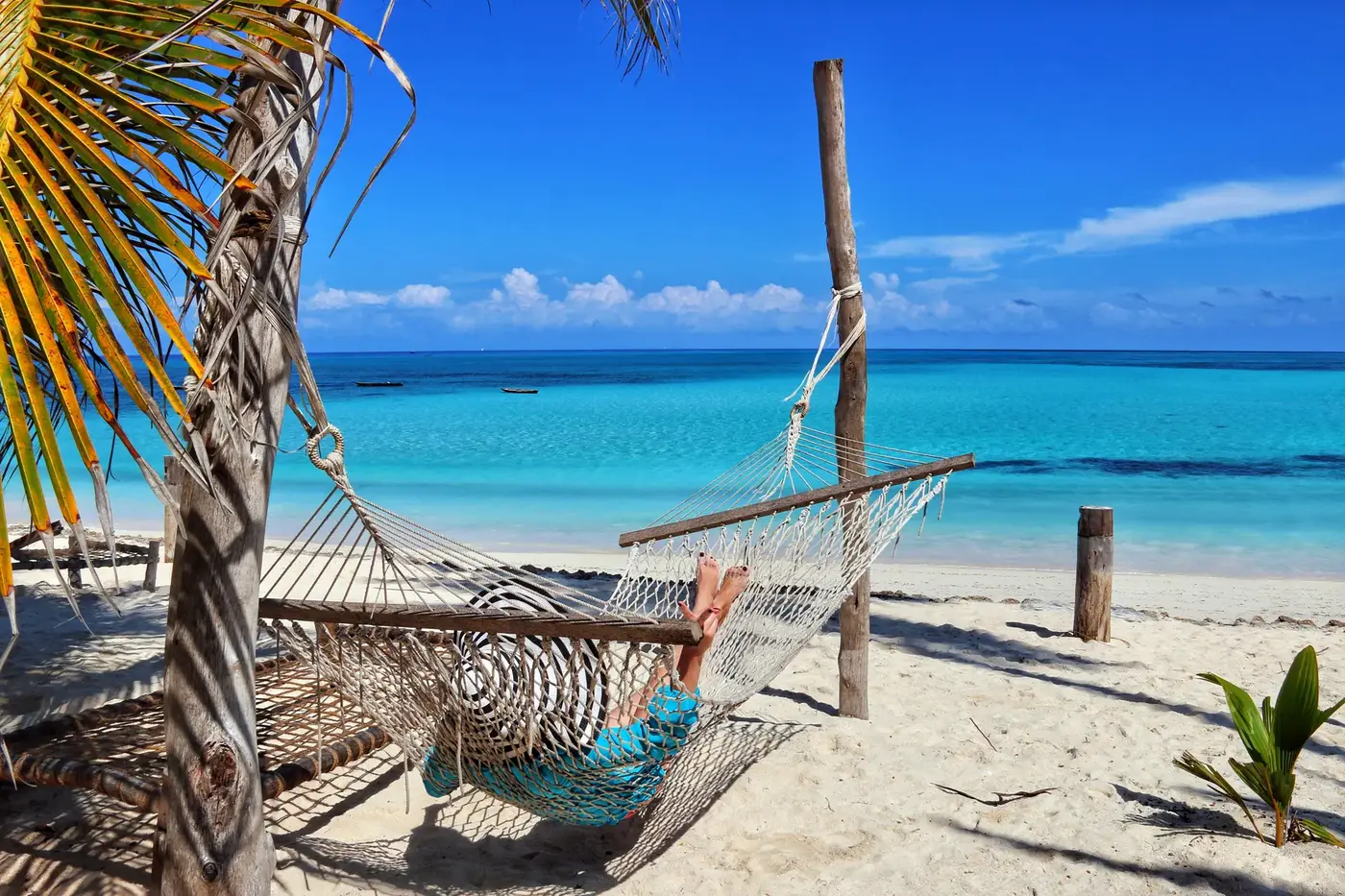
Zanzibar vs Seychelles vs Mauritius: Which Beach Vacation?
Three very different Indian Ocean islands finish an African safari. How to choose the right one for your honeymoon, family or first trip.
Tip. Flying from East Africa, Zanzibar is the shortest hop (under 90 minutes from the Serengeti’s gateway airports).
Read the story →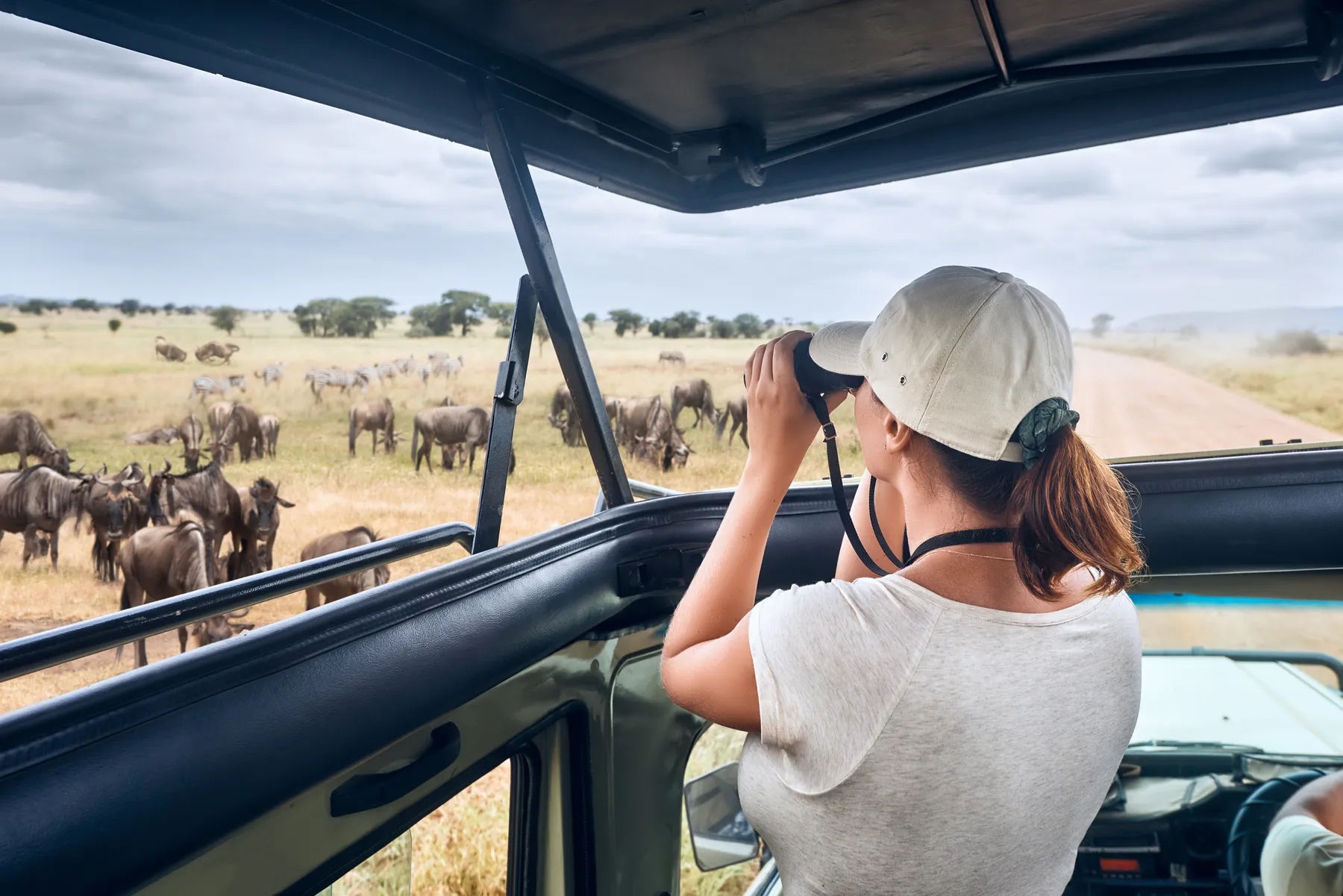
How Many Days Do You Need for an African Safari?
7, 10 or 14 days? This journal guide shows how to size your first African safari so it feels unhurried, with sample routes for each length.
Tip. Two nights minimum per camp. Indeed, one-night stays waste half a day on logistics you could spend watching lions.
Read the story →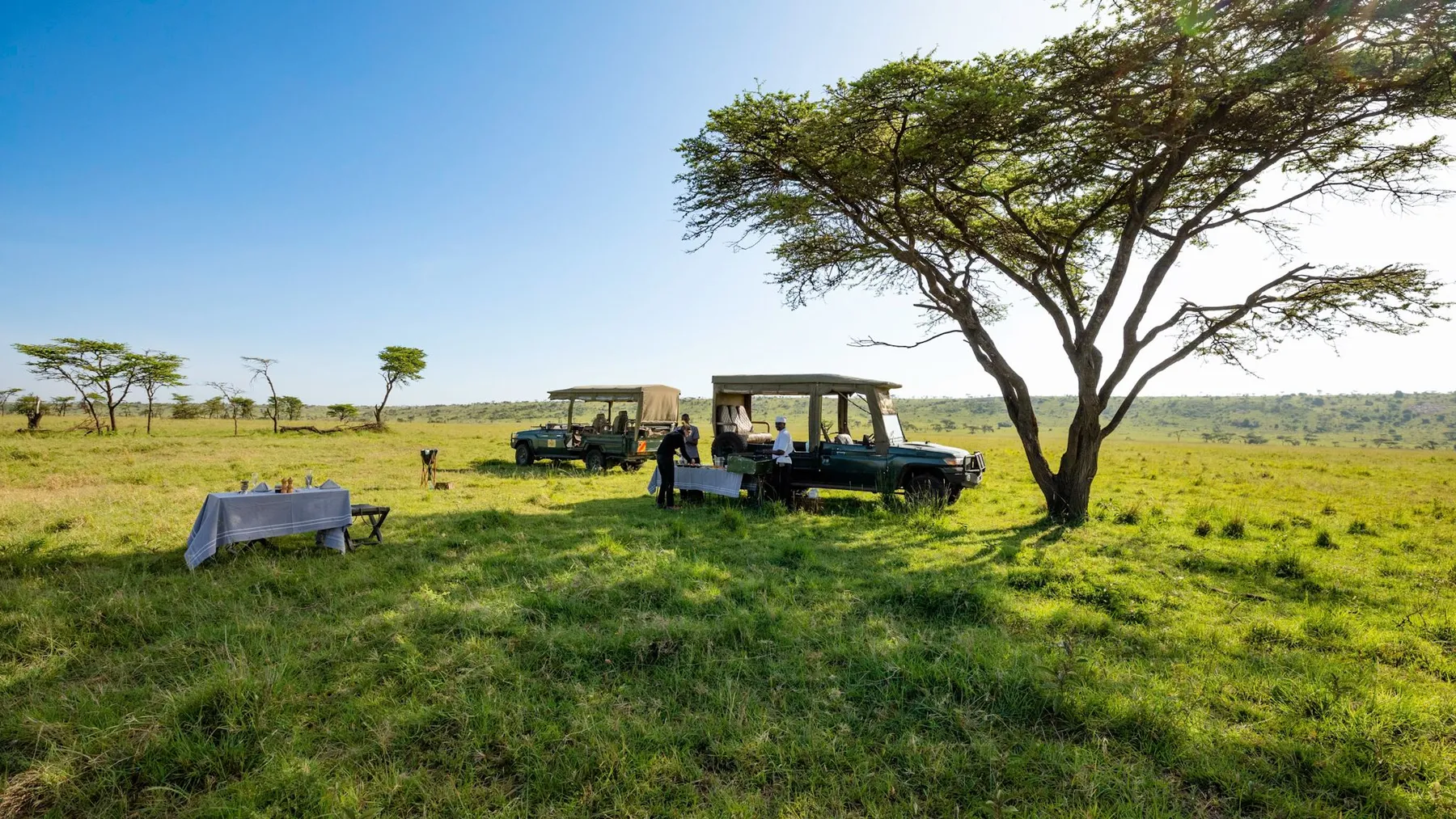
What a Day on Safari Actually Looks Like
Dawn game drives, bush breakfasts, siestas and sundowners: the real rhythm of a luxury safari day, hour by hour.
Tip. The 6am game drive is always worth it. Predators are active, light is golden, and the bush is at its loudest.
Read the story →How Far in Advance Should You Book a Safari?
The best camps sell out 9–12 months ahead, and gorilla permits go faster. So the journal sets out the booking timeline that gets you exactly the trip you want.
Tip. Traveling in July–October or over the holidays? If so, work 12 months ahead. By contrast, green season is far more forgiving.
Read the story →
The Best Time to Go on an African Safari
When to travel depends on where you go and what you want to see. A region-by-region, month-by-month journal guide to timing your safari well.
Tip. Travel in the shoulder months for excellent game viewing and far fewer vehicles.
Read the story →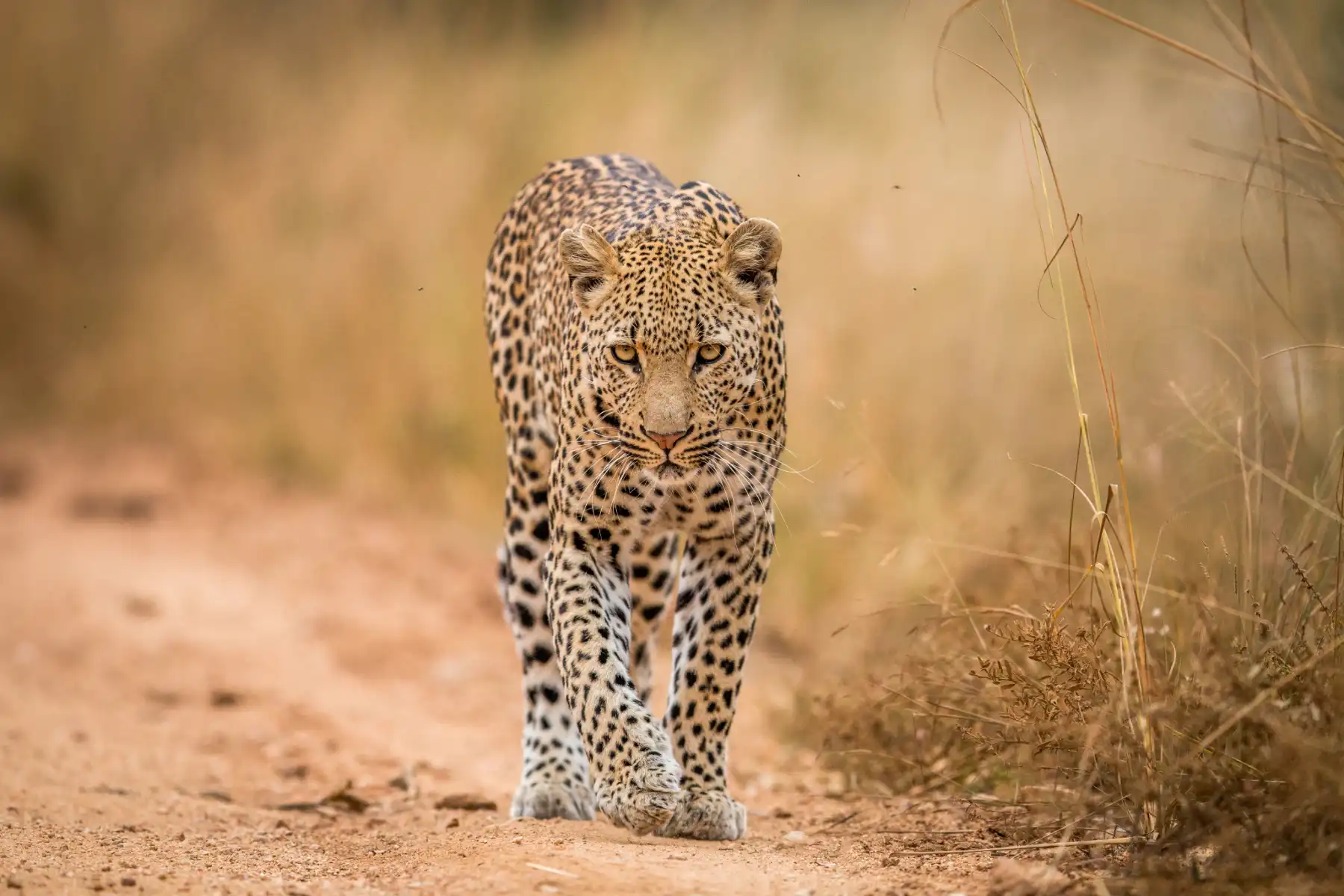
The Big Five: What They Are & Where to See Them
Lion, leopard, elephant, buffalo and rhino: what the Big Five really means, and the best places to see all five on one safari.
Tip. In particular, the Ngorongoro Crater offers the best odds of seeing all five in a single day.
Read the story →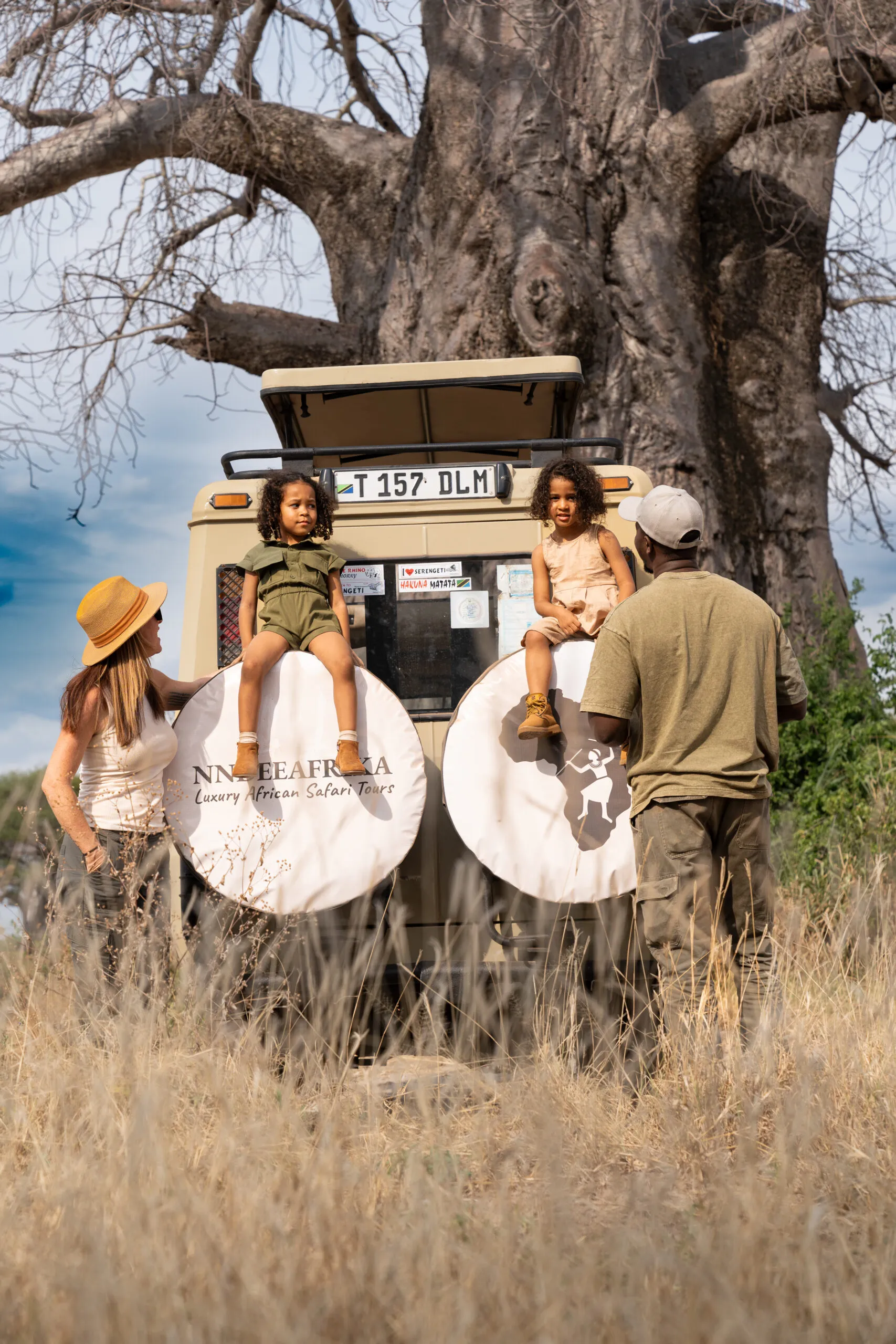
Is an African Safari Safe?
For first-time travelers, the answer is yes, with the right operator, guides and precautions. Even so, here is what to know about wildlife, health and travel safety.
Tip. Above all, always take out insurance that includes emergency medical evacuation.
Read the story →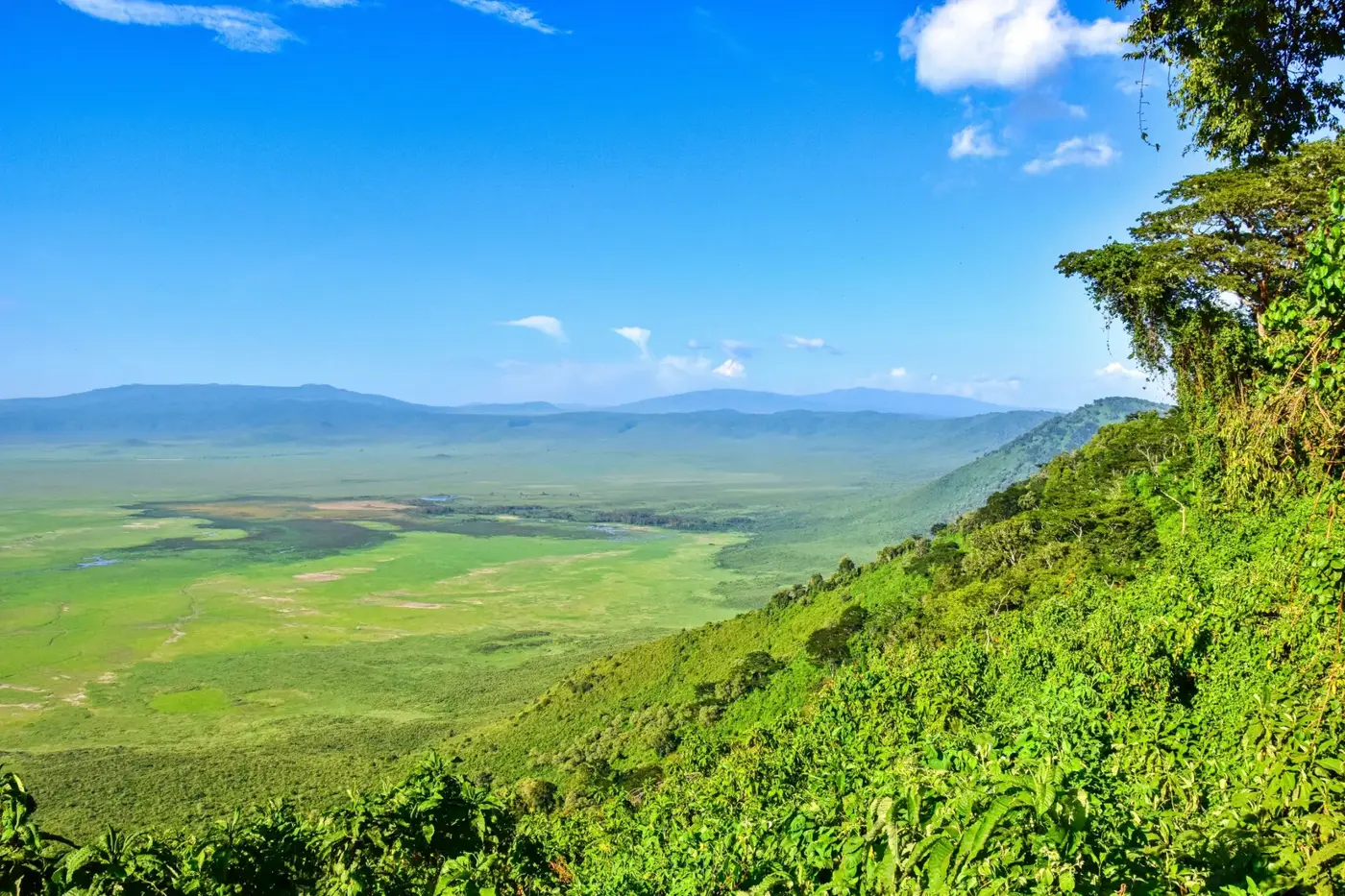
Kenya vs Tanzania: Which Safari Is Right for You?
Two of Africa’s greatest safari countries, side by side. The Mara or the Serengeti, crowds or cost, beaches and beyond: the journal shows how to choose.
Tip. Choose by the migration calendar. After all, the herds move all year round.
Read the story →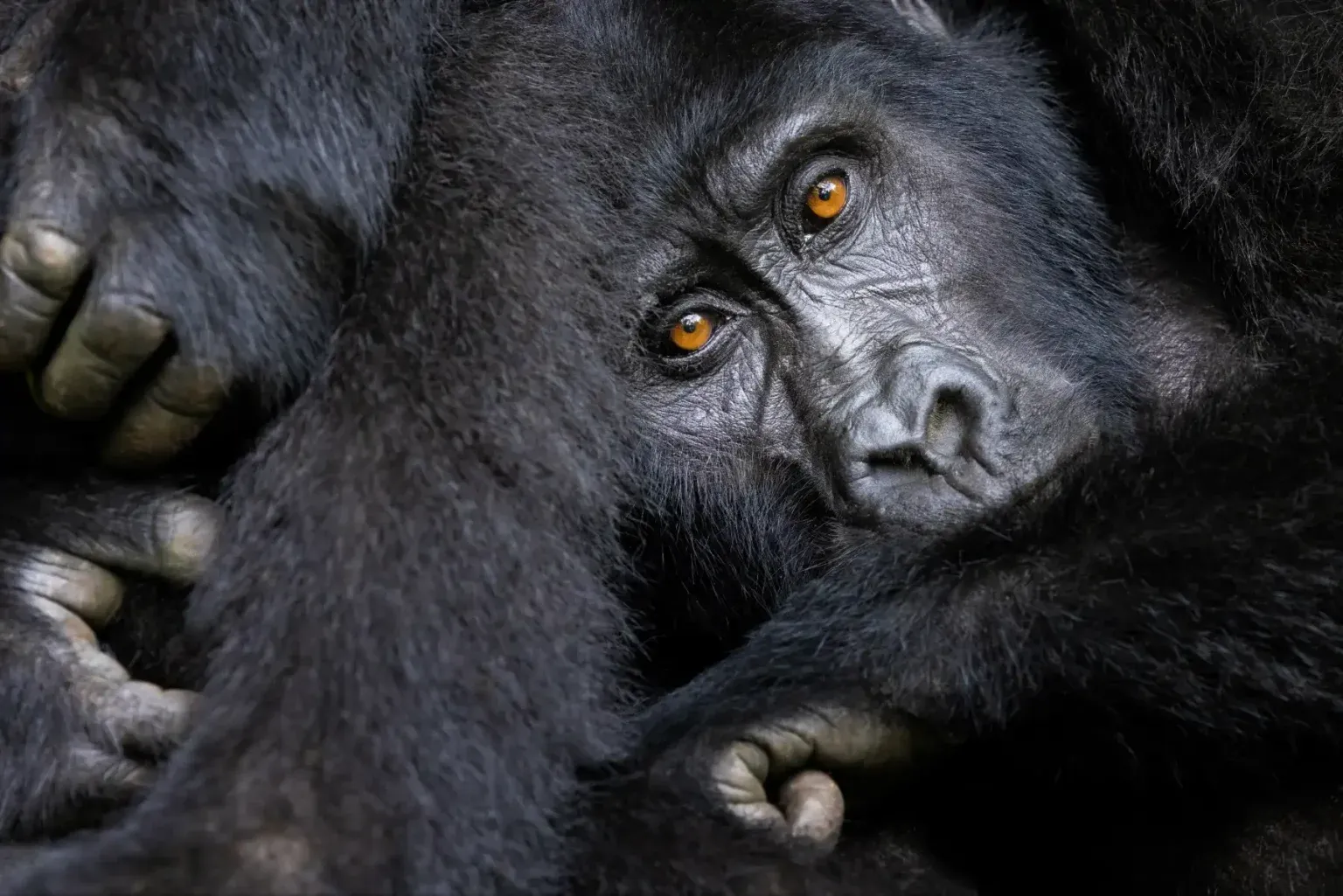
Rwanda vs Uganda: Choosing Your Gorilla Trek
Both offer life-changing encounters with mountain gorillas. Still, the difference comes down to permits, access, fitness and how you want to combine your trip.
Tip. Book gorilla permits 6–12 months ahead, since they sell out fast in peak season.
Read the story →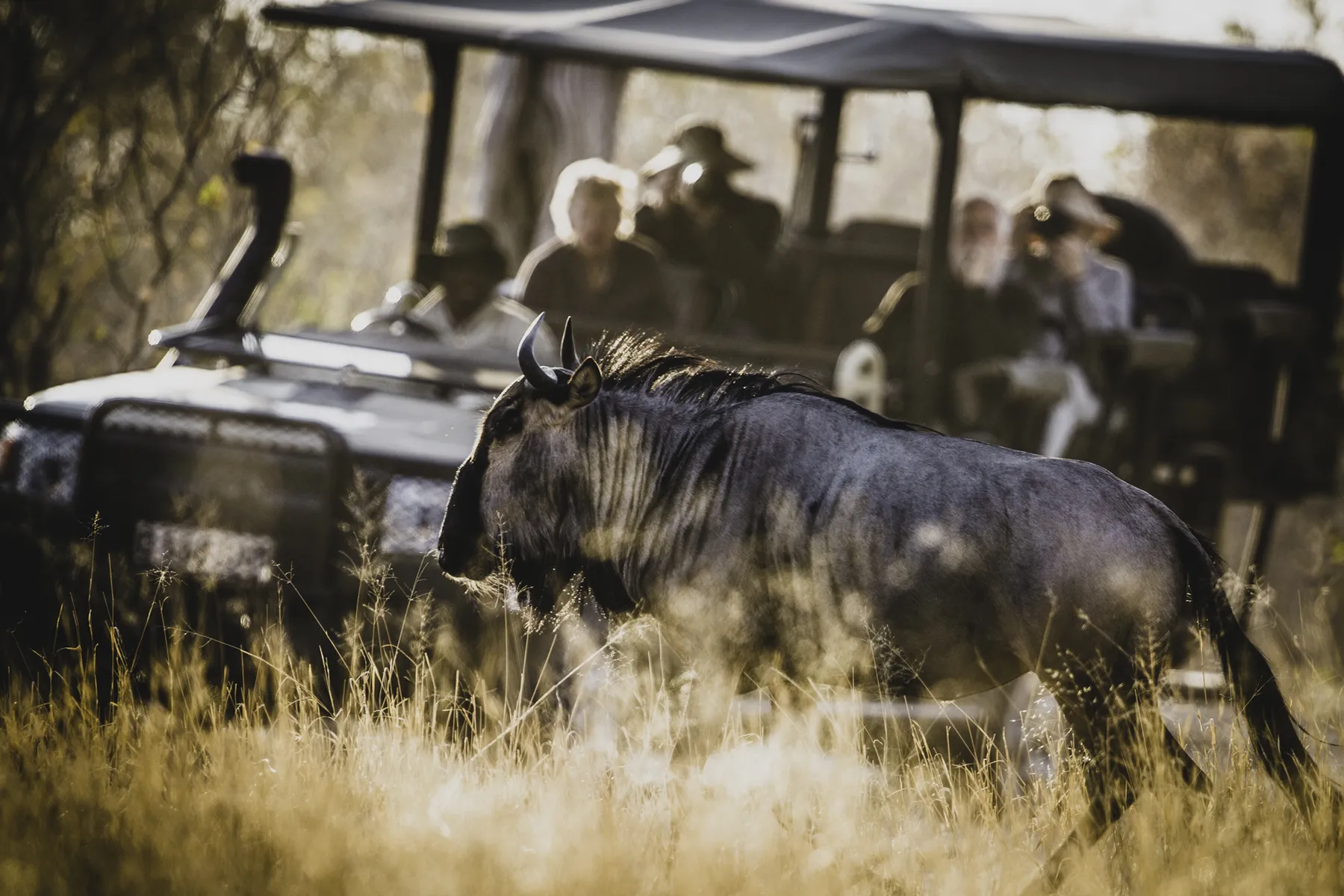
How Much Does an African Safari Cost?
Start the cost guides in the journal here: what you actually pay for, what drives the price up or down, and how to get the most value from a tailor-made trip.
Tip. Fewer camps with more nights at each often means better value than rushing.
Read the story →Is a Luxury Safari Worth It? An Honest Answer
What the extra money actually buys, and the three cases where we would tell you to spend less.
Tip. In the end, the guide is the single biggest difference money makes on safari.
Read the story →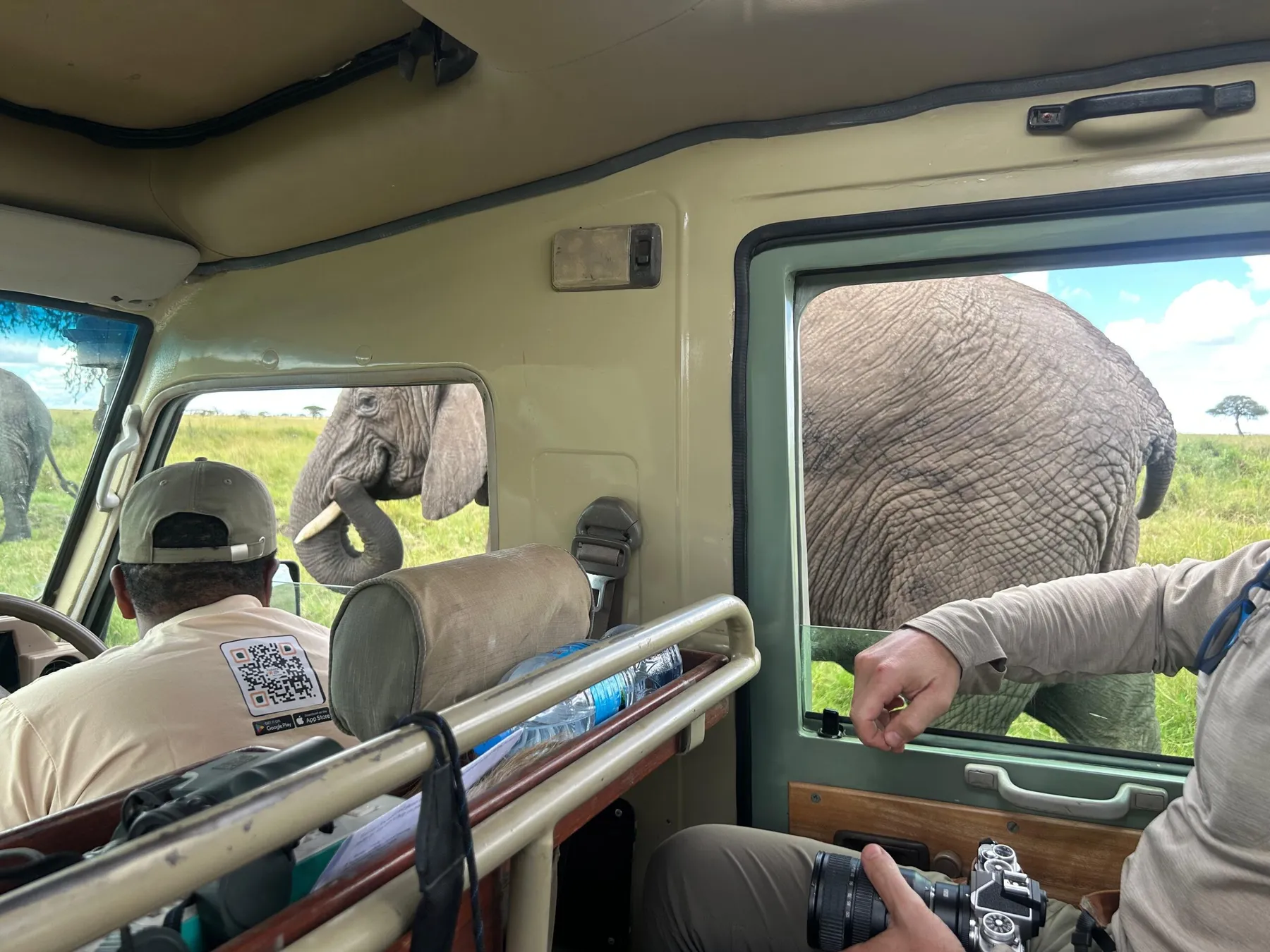
Tipping on Safari: How Much, To Whom, and When
The journal guide to safari gratuities (guides, trackers, camp staff and transfers) with clear per-day figures so you never have to guess.
Tip. Also, bring small US bills: dollars are welcome almost everywhere on safari.
Read the story →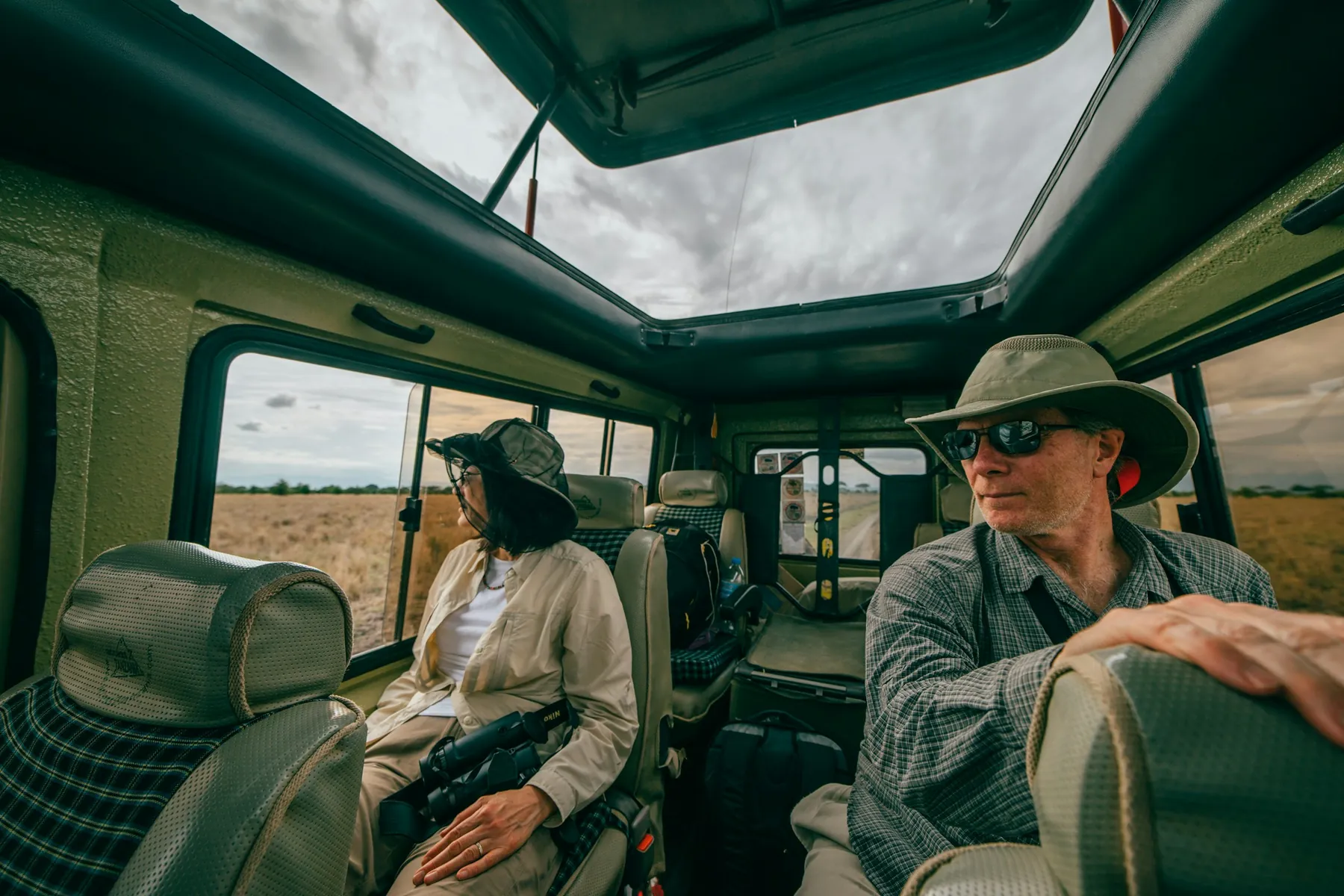
Best African Safaris for Older Travelers (2027)
Why your 60s, 70s and beyond are a wonderful age for Africa, and how the right camps, pacing and flights make it effortless.
Tip. For instance, fly-in routings and three-night stays remove almost every physical demand.
Read the story →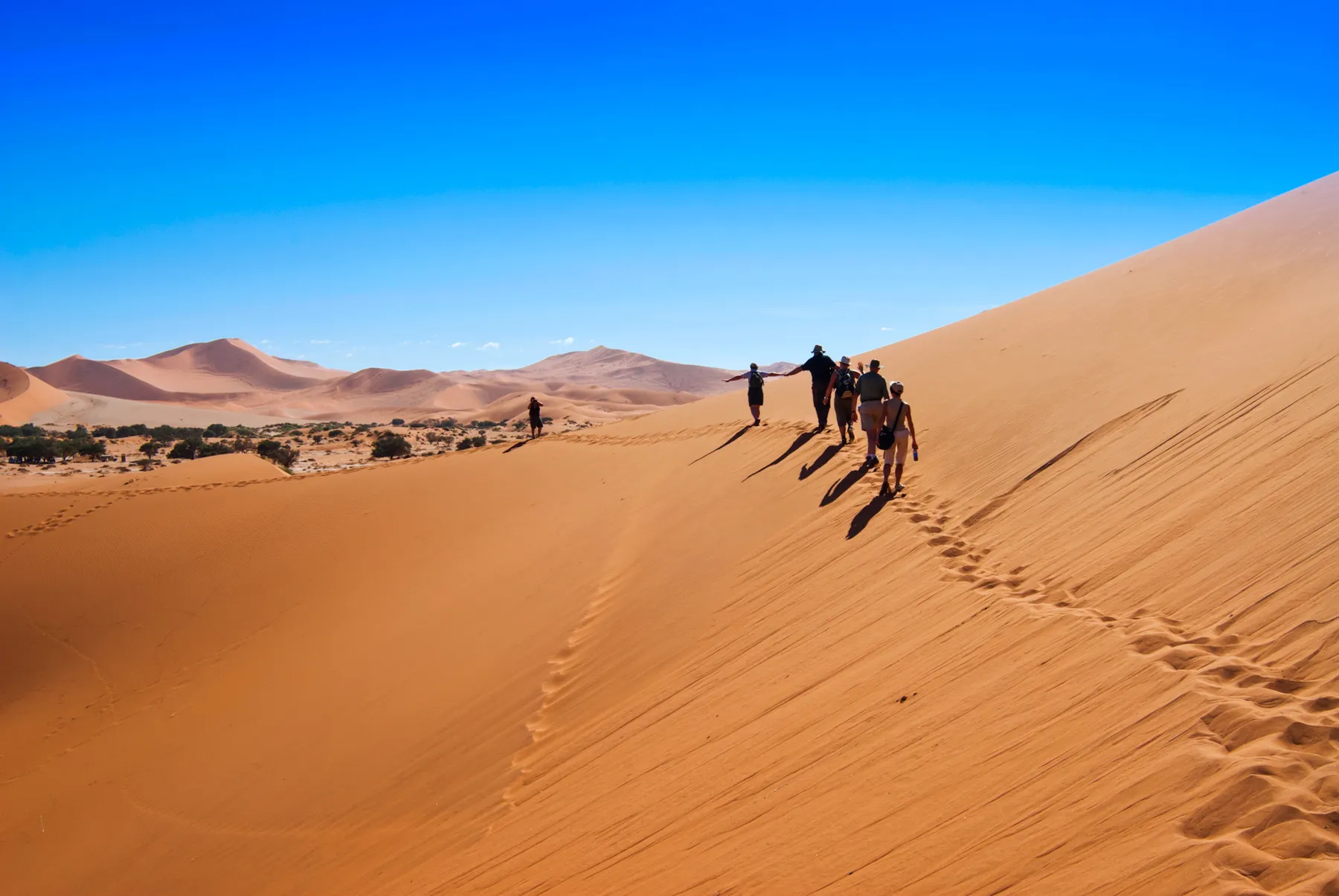
Solo Safari in Africa: Traveling Alone, in Style
Why a safari is one of the world’s great solo journeys, including for women traveling alone, and how to plan around single supplements.
Tip. In fact, green-season months often waive single supplements entirely.
Read the story →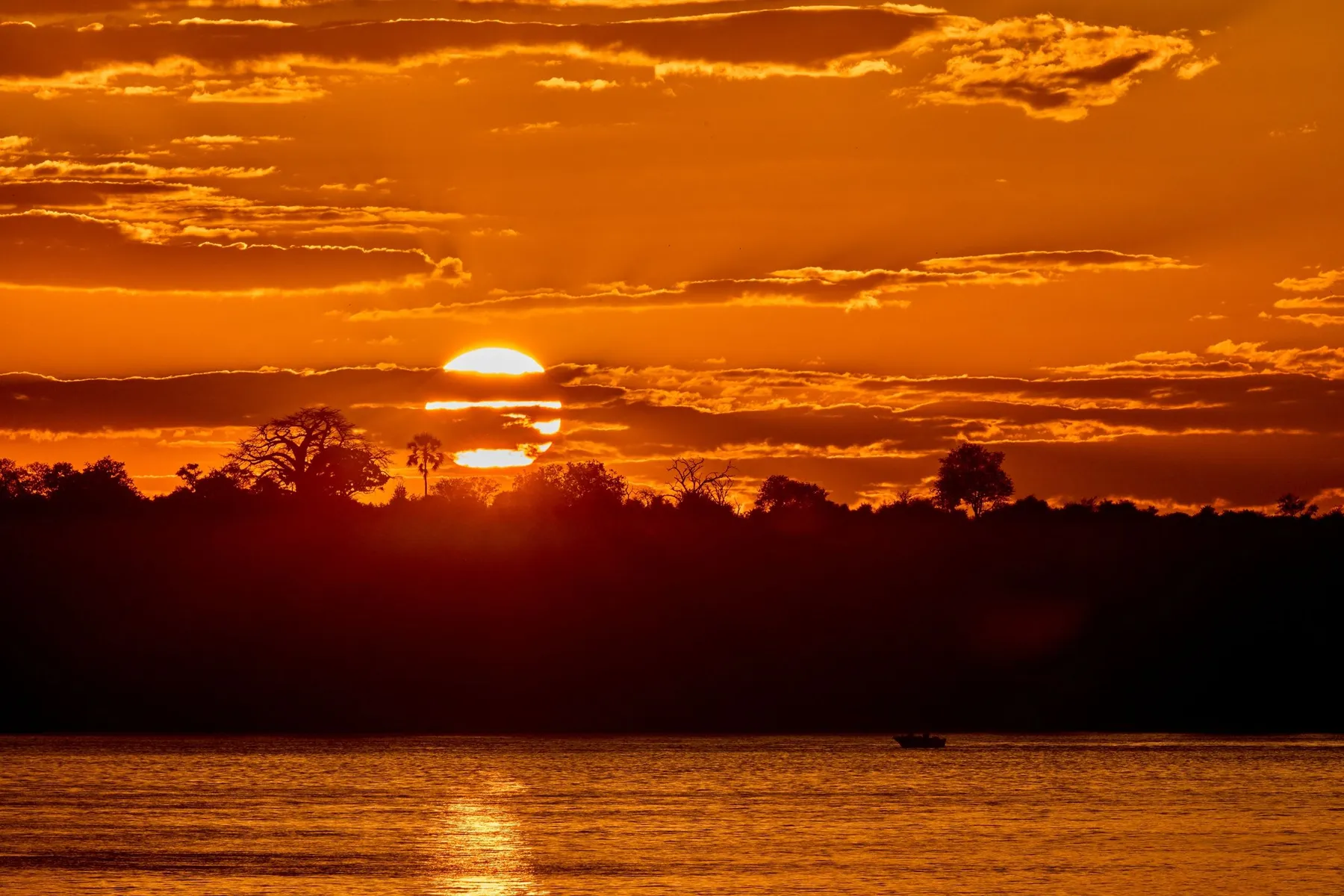
First-Time African Safari Guide
New to safari? Then begin the journal here: from choosing a destination to a typical day in the bush, this is what a first-timer needs to plan with confidence.
Tip. A great guide matters more than a famous name, so always ask about guiding.
Read the story →
Family Safari: An African Safari with Kids
A safari is one of the great family adventures. How to choose family-friendly camps, the right age, malaria-free options and a realistic day with children.
Tip. For example, malaria-free reserves in South Africa are ideal for younger children.
Read the story →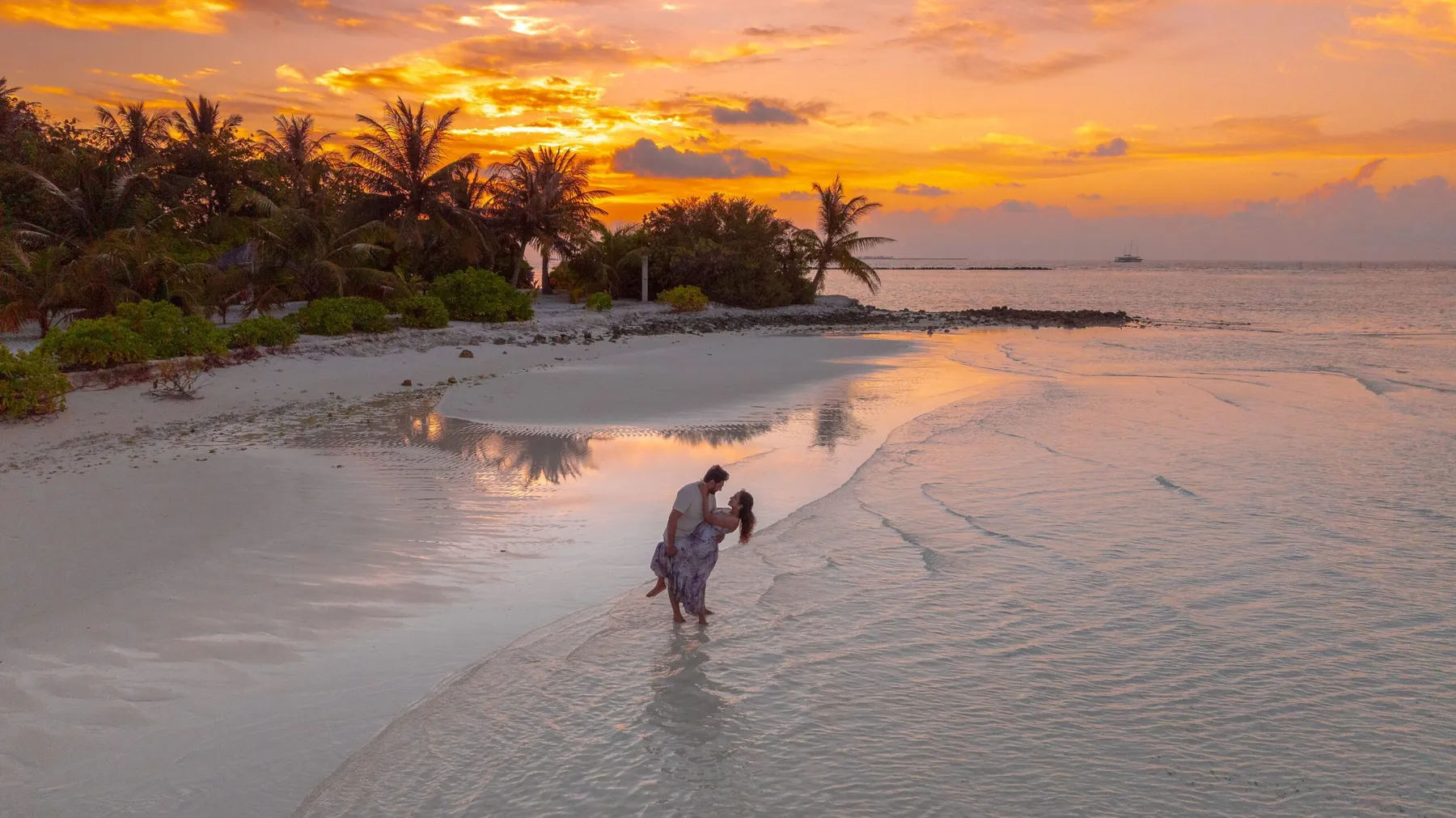
The African Safari Honeymoon
Wild romance by day, barefoot luxury by night. How to plan the perfect safari honeymoon: where to go, how long, and the magic of a bush-and-beach finish.
Tip. Tell us you are celebrating. Then camps add thoughtful honeymoon touches.
Read the story →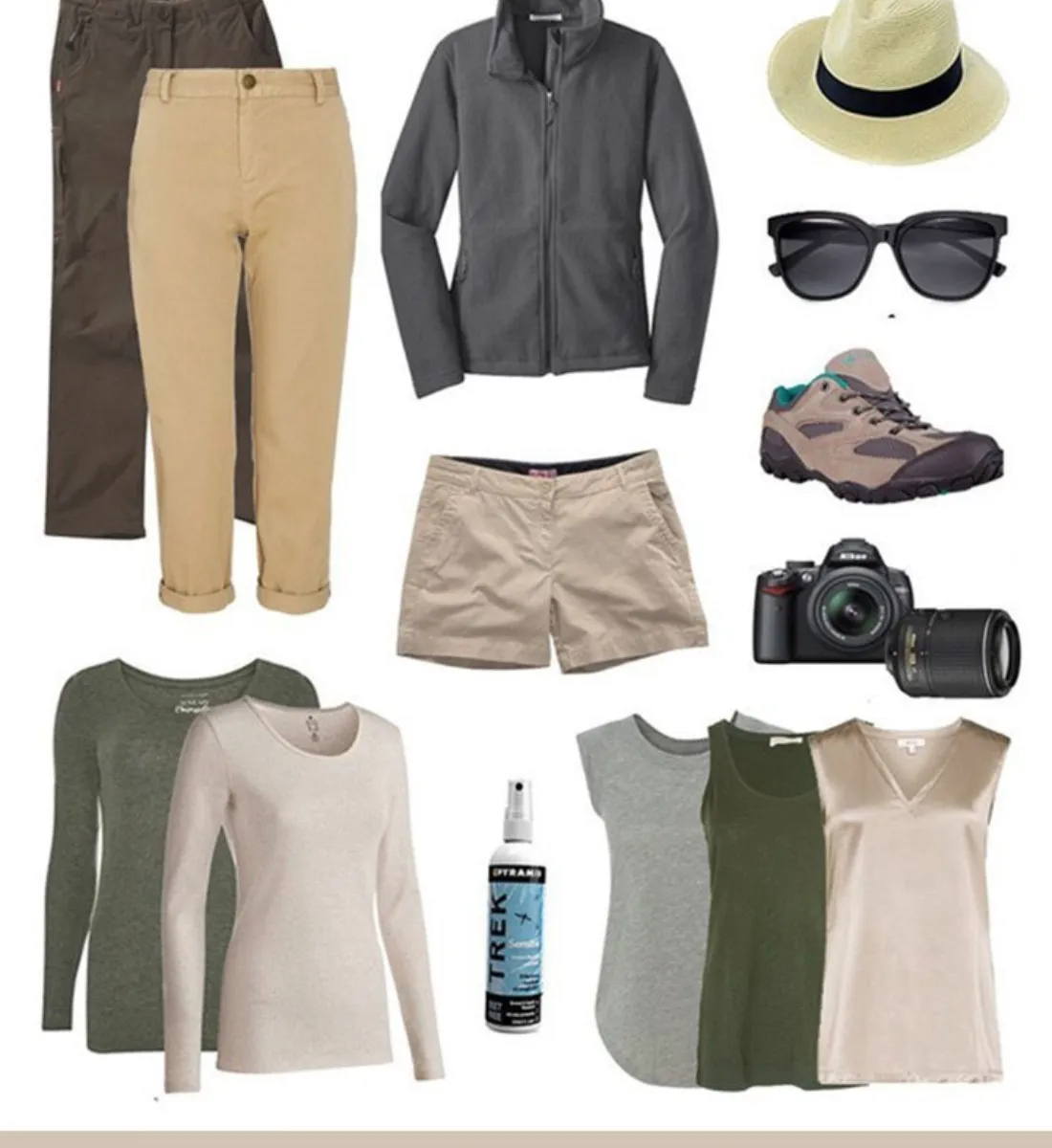
What to Wear & Pack for an African Safari
Pack light, in neutral colors, with layers for cold mornings and warm afternoons. The complete, no-stress packing guide from the journal.
Tip. Pack soft duffel bags only. That is because light aircraft cap luggage at around 15kg.
Read the story →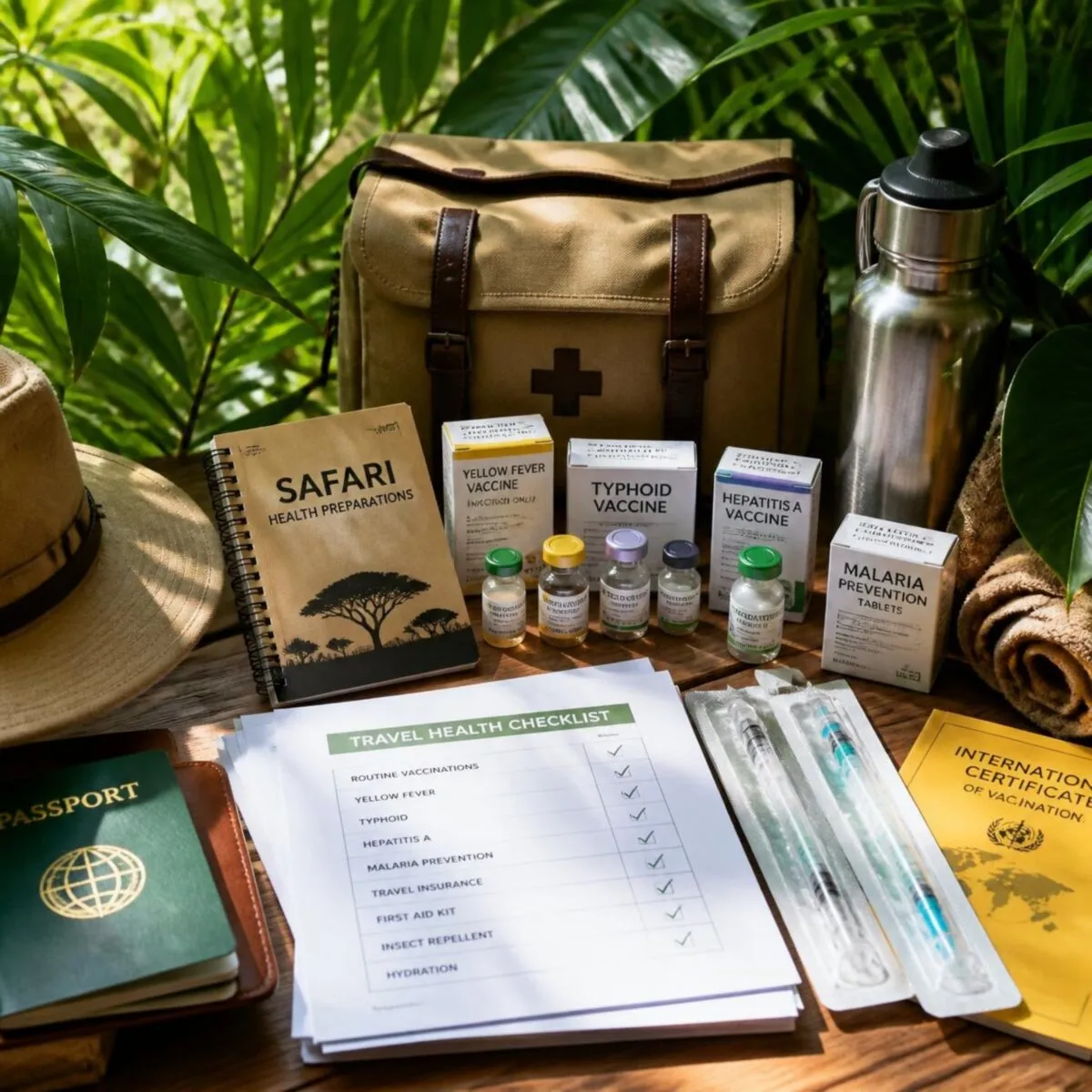
Safari Vaccinations & Health: What You Need
From malaria tablets to yellow fever and routine shots: a clear, practical journal guide to staying healthy before and during your African safari.
Tip. See a travel clinic 6–8 weeks before you depart to allow time for shots.
Read the story →Tanzania Park Fees 2026/2027
What the Serengeti, Ngorongoro and Tarangire charge per person, in US dollars with VAT, from the official tariffs, and what it adds up to on a ten-night safari.
Tip. Park and crater fees alone come to about US$1,250 per adult on a peak-season ten-night northern circuit.
Read the story →How Much Does a Luxury Kenya Safari Cost?
What a luxury Kenya safari costs: the official KWS and Maasai Mara park fees, conservancy camps, the seasons and the choices that move the total.
Tip. Conservancy camps fold their fees into the nightly rate, so compare totals, not room rates.
Read the story →How Much Does a Luxury South Africa Safari Cost?
What a luxury South Africa safari costs: official Kruger fees, why the private reserves price differently, the seasons and the choices that move the total.
Tip. Most private-reserve lodges include conservation fees in the nightly rate, so compare totals.
Read the story →How Much Does a Luxury Botswana Safari Cost?
What a luxury Botswana safari costs: why the Okavango sits toward the top of the range, fly-in camps, concession fees, the seasons and the choices that move the total.
Tip. Even so, green-season dates bring lower rates at many Delta camps.
Read the story →Christmas and New Year Safaris in Africa
Where to go on a Christmas and New Year safari, how the festive fortnight works, the quieter dates either side, and how early to book.
Tip. The festive fortnight books out first. So hold your camps a year ahead.
Read the story →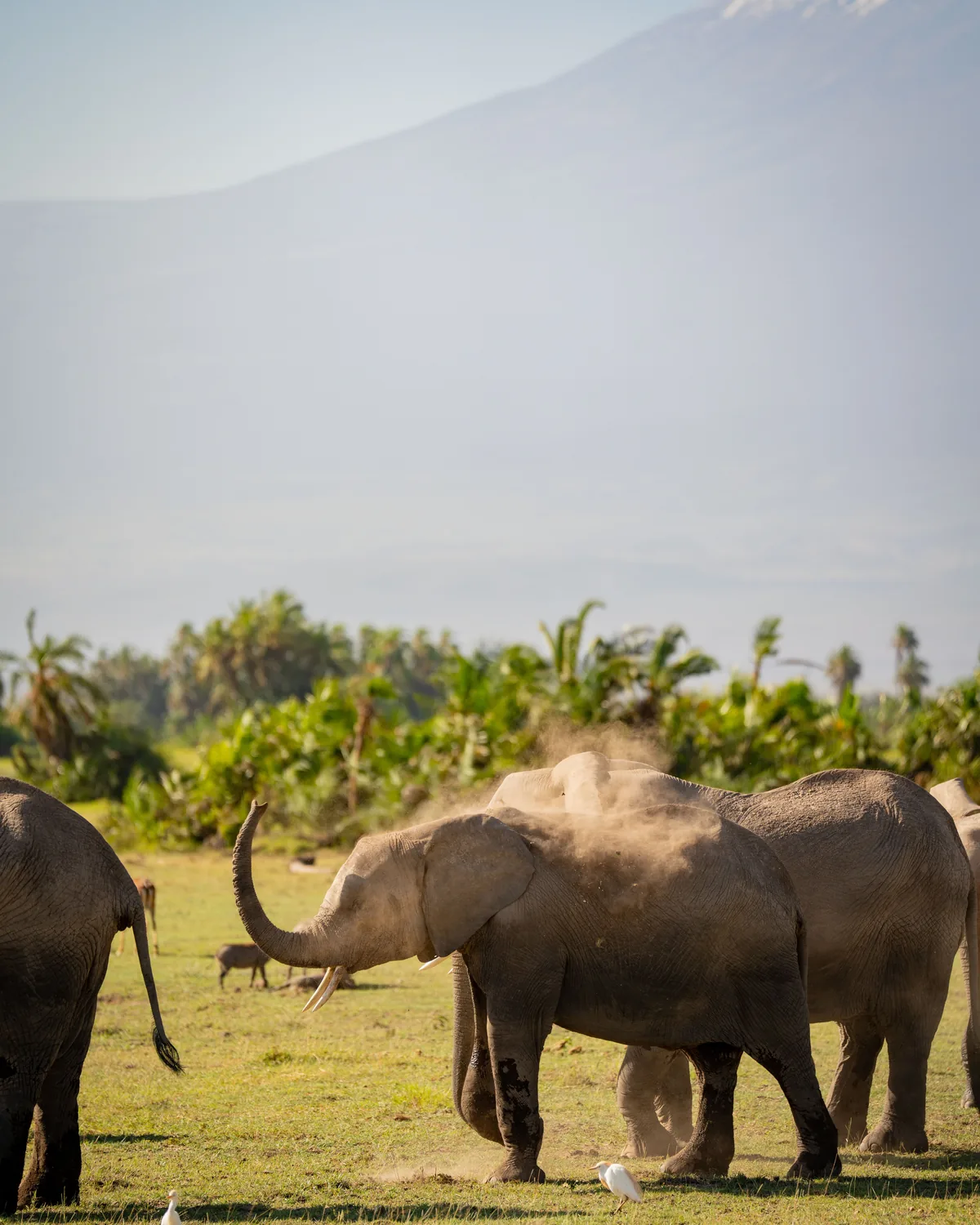
Is an African Safari Ethical?
How a well-chosen safari pays for wild places and local people, the questions to ask any camp, and the activities that are best avoided.
Tip. Turn off location tagging before you post photos of rhinos.
Read the story →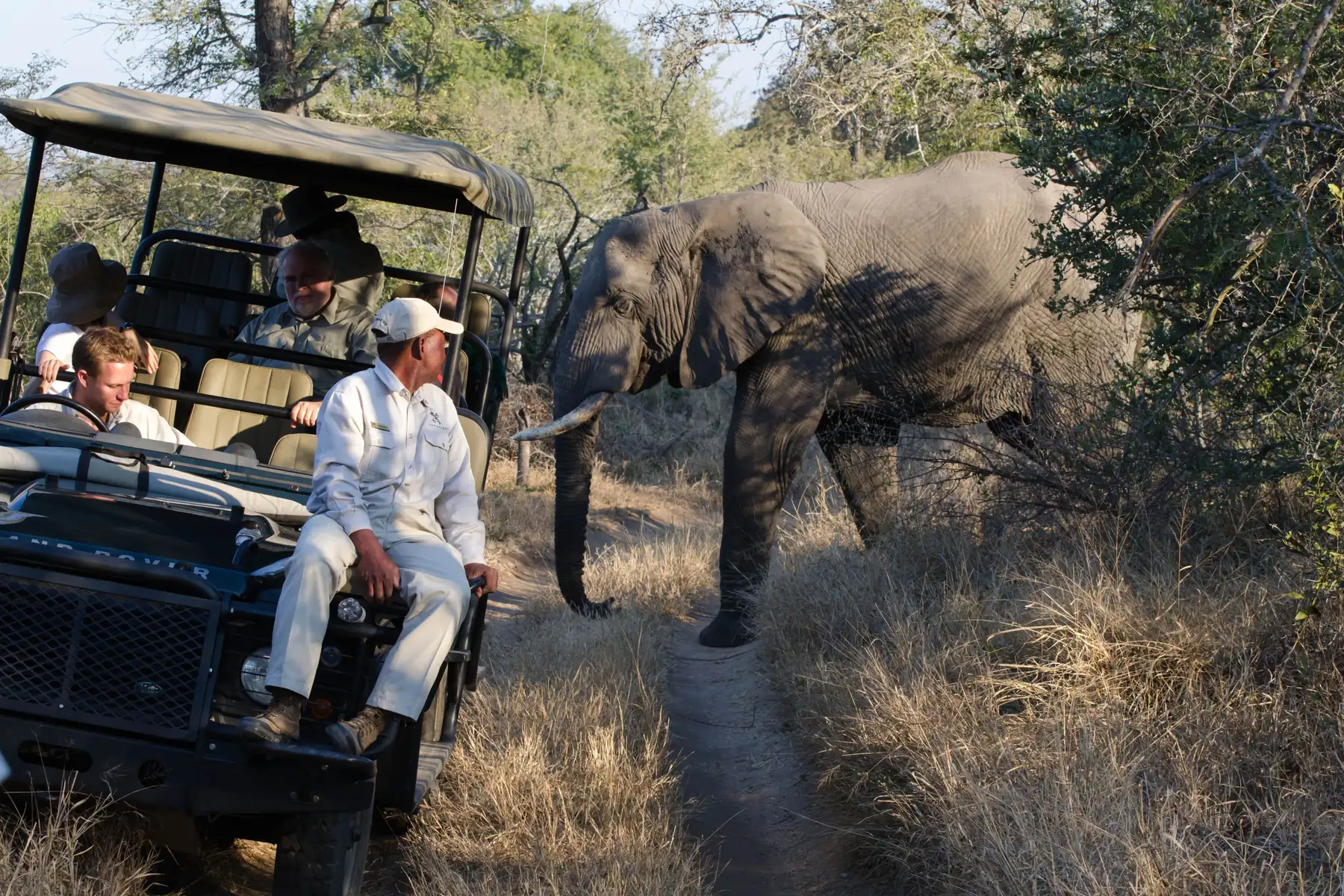
African Safari Tours: Private, Tailor-Made Trips from the USA
Fourteen private African safari tours we plan most often, with days and routes, plus where to go, what is included and how planning works from the US.
Tip. Book 9 to 18 months ahead for migration dates and US holidays.
Read the story →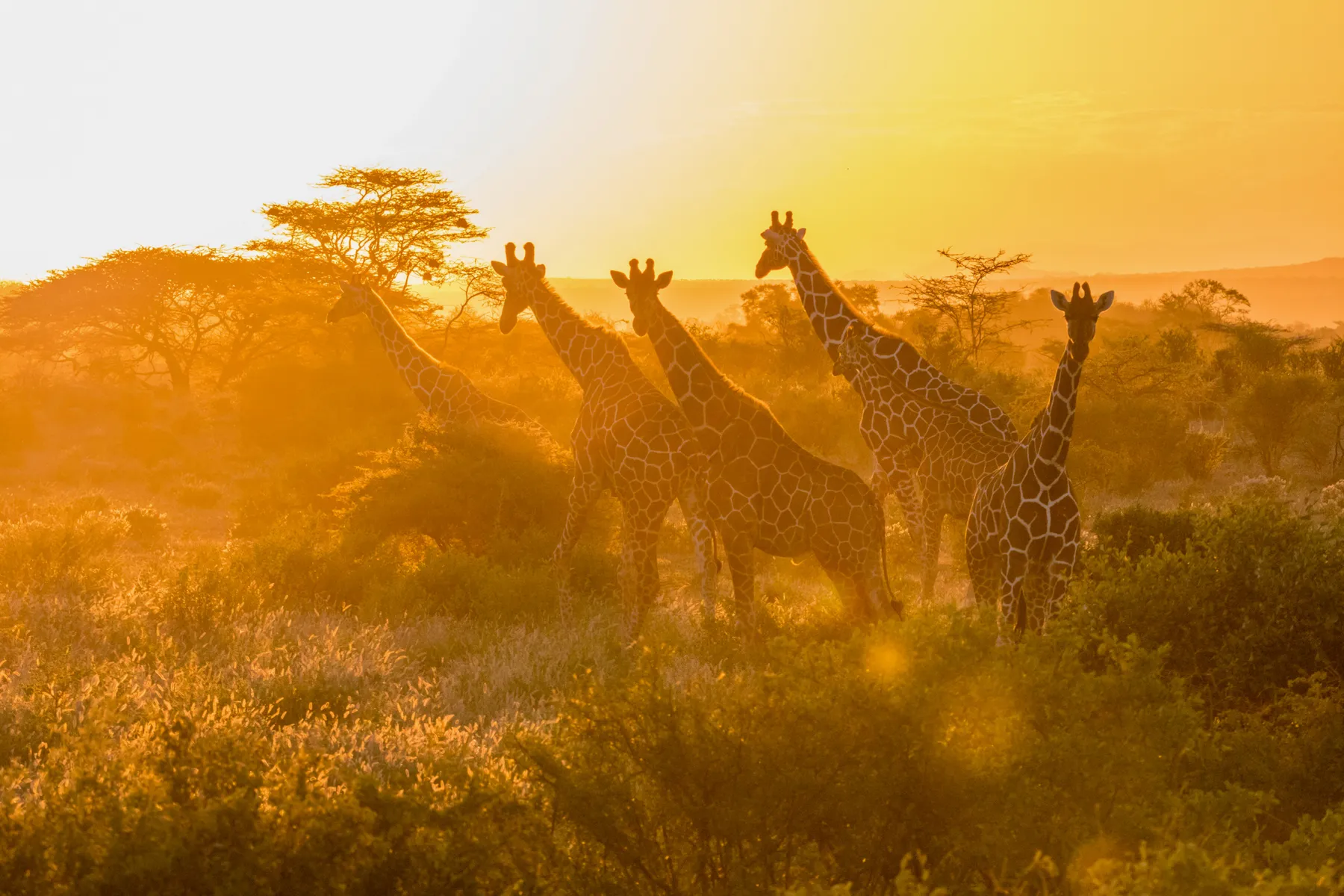
African Safari Packages vs Tailor-Made Safaris
What an African safari package really includes, how it compares with a tailor-made journey, and the questions to ask before you book either.
Tip. Ask whether the vehicle is private. In fact, it changes the whole safari.
Read the story →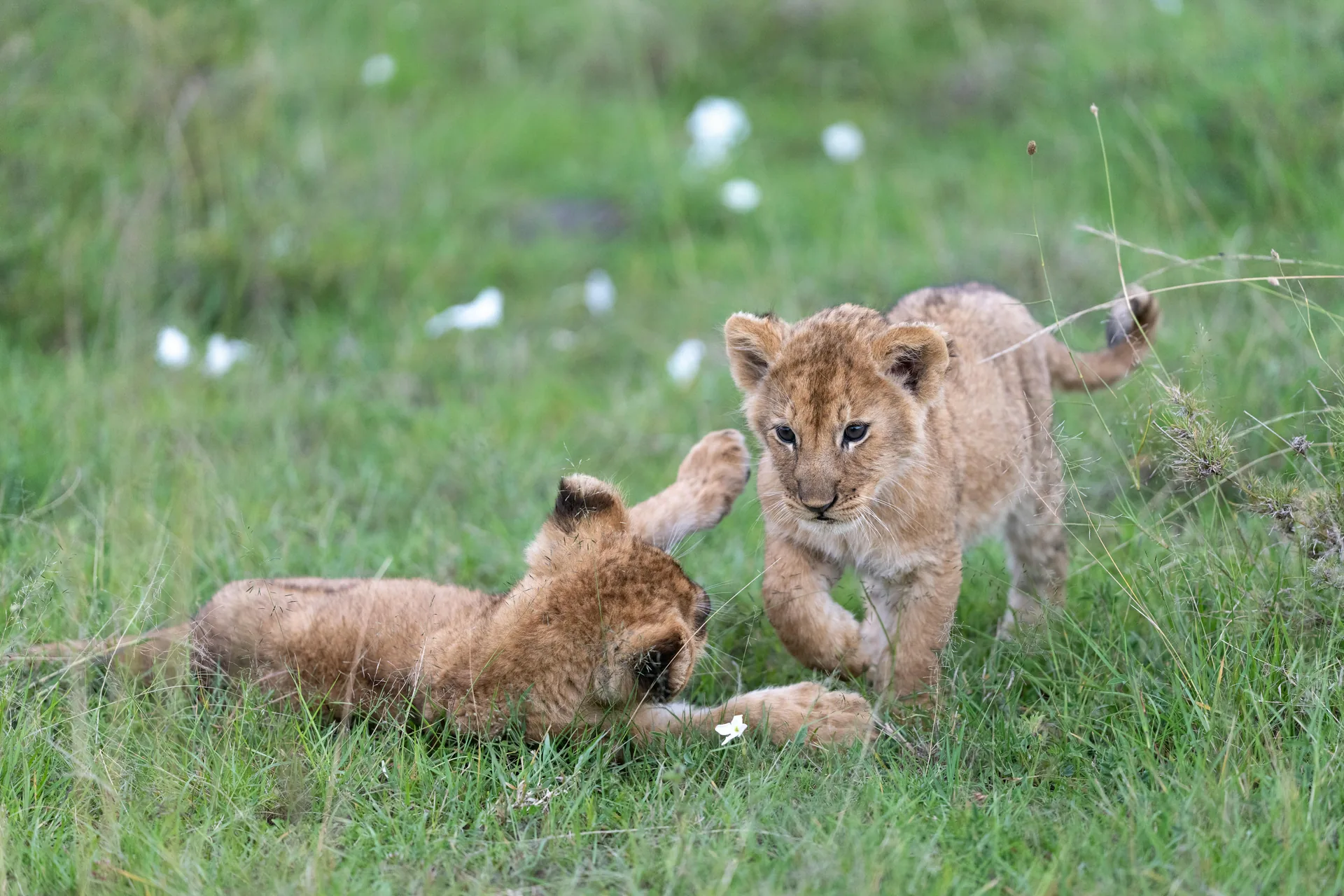
How Much Does a Tanzania Safari Cost?
The plain arithmetic: where a private Tanzania safari starts, what the government fees add, what moves the price, and what is and is not included.
Tip. Park and crater fees are fixed; the season, the camps and the number of nights decide the rest.
Read the story →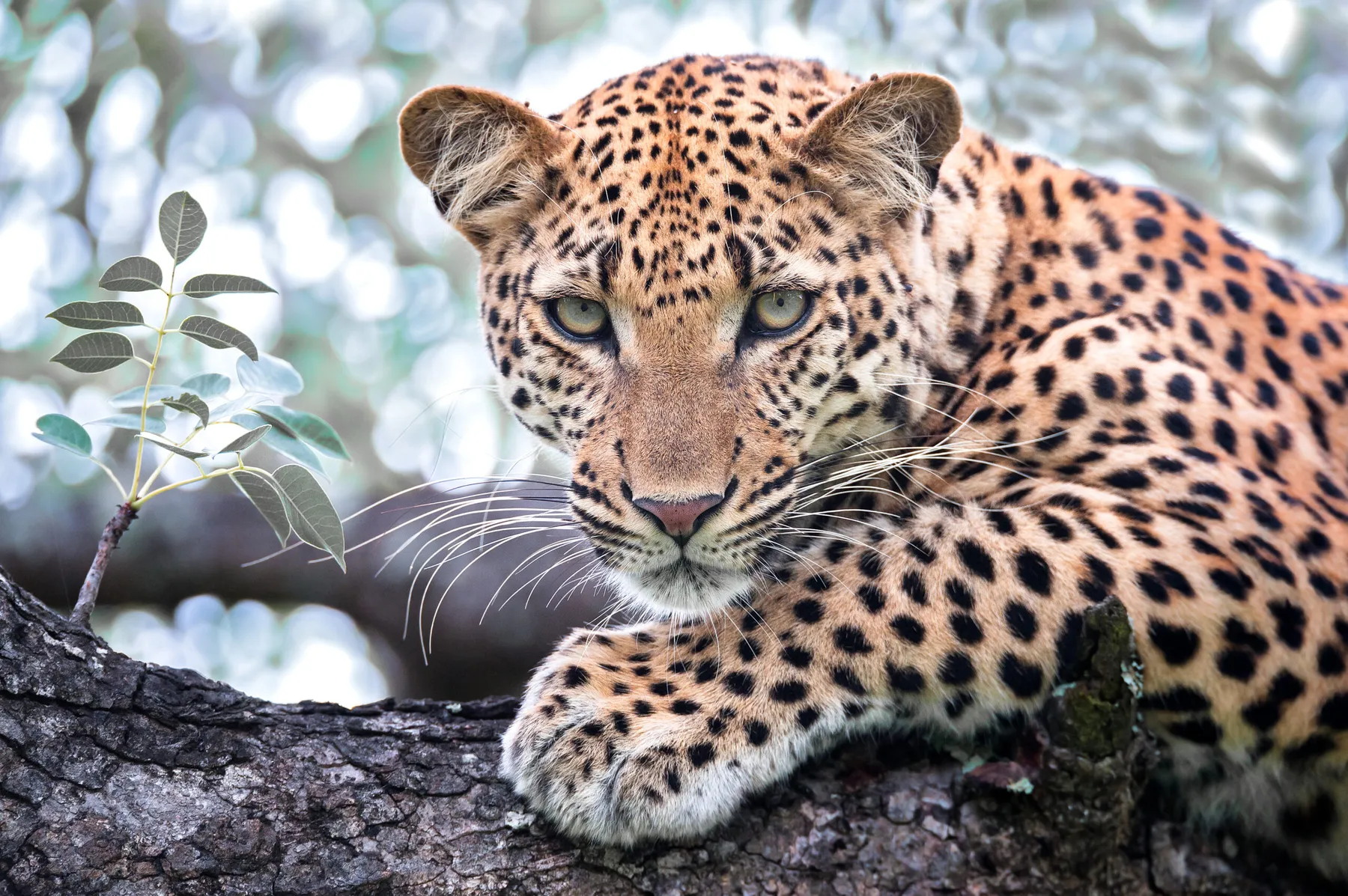
Tanzania or South Africa for Safari?
The Serengeti’s scale against the Sabi Sand’s polish: wildlife, flights from the US, malaria, cost, families and honeymoons, compared without a thumb on the scale.
Tip. South Africa is the easier week from the US; Tanzania is the bigger spectacle with ten nights or more.
Read the story →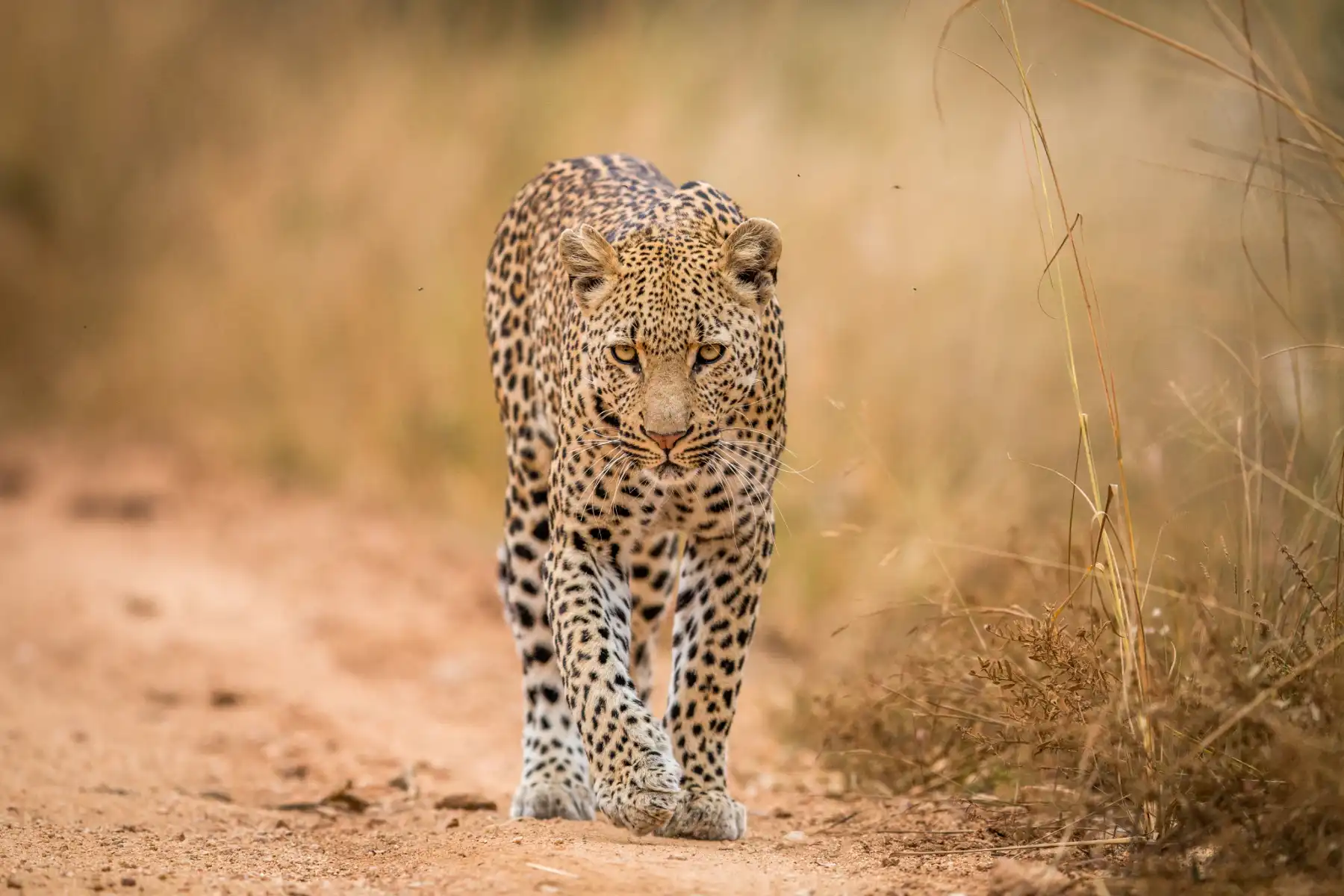
Kenya vs South Africa Safari: Which Is Better for You?
Big-cat country and the Migration against leopards, Cape Town and nonstop flights: how the two compare for US travelers, and who each one suits.
Tip. Kenya is the wilder week; South Africa is the smoother one, with malaria-free options for young children.
Read the story →Best Country for a First African Safari
Kenya, Tanzania, South Africa or Botswana for the first time: how to decide by the month you have, who is coming and what you most want to see, plus a straight answer on safety.
Tip. East Africa for the spectacle, South Africa for the ease; choose the month before the country.
Read the story →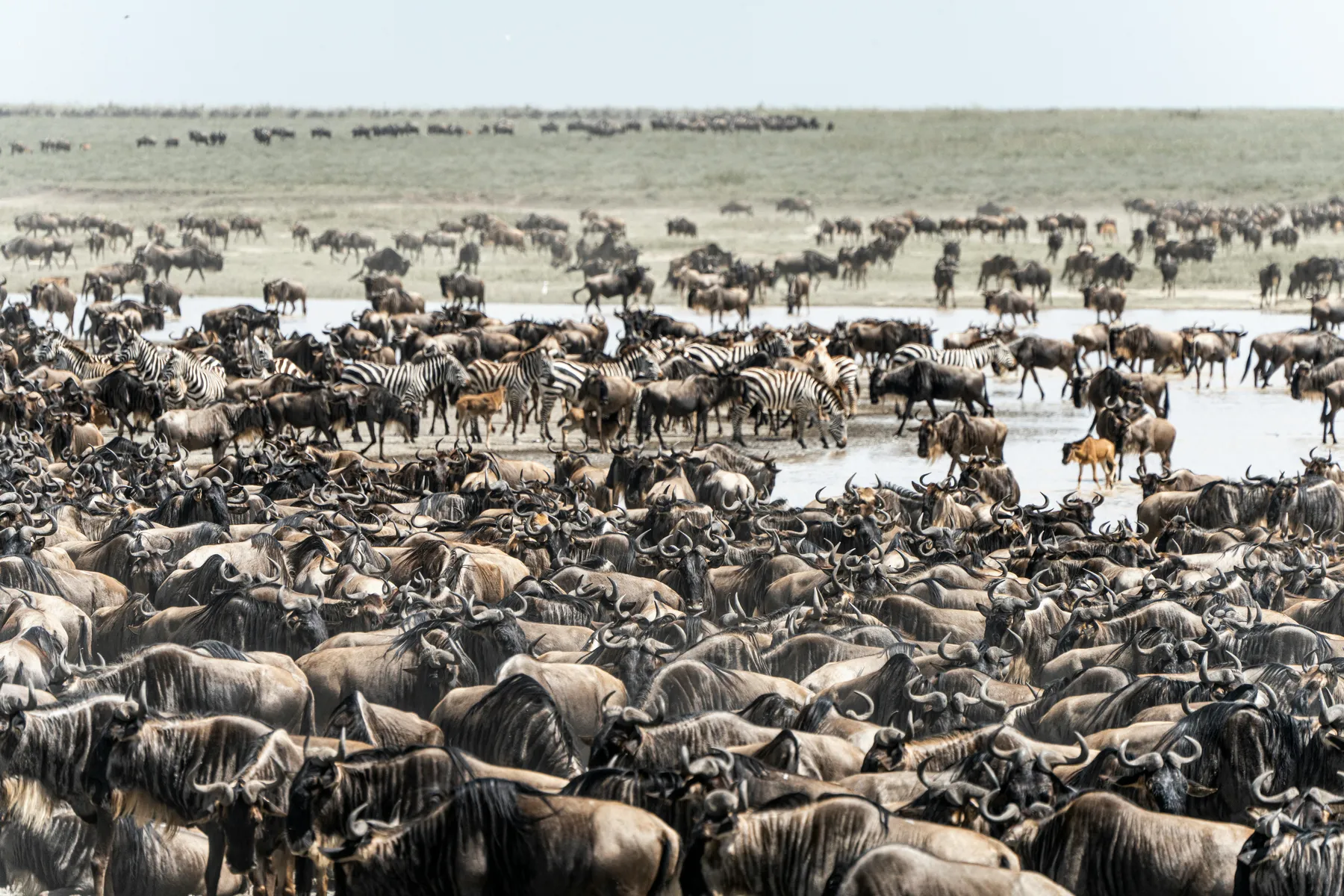
Two-Week African Safari Itinerary: Five Routes and What They Cost
Fourteen days is where a safari stops being a checklist. Five routes we plan most, how to split the nights, and the real arithmetic of what two weeks costs.
Tip. Two regions, not four: three nights or more in each, then three or four somewhere still.
Read the story →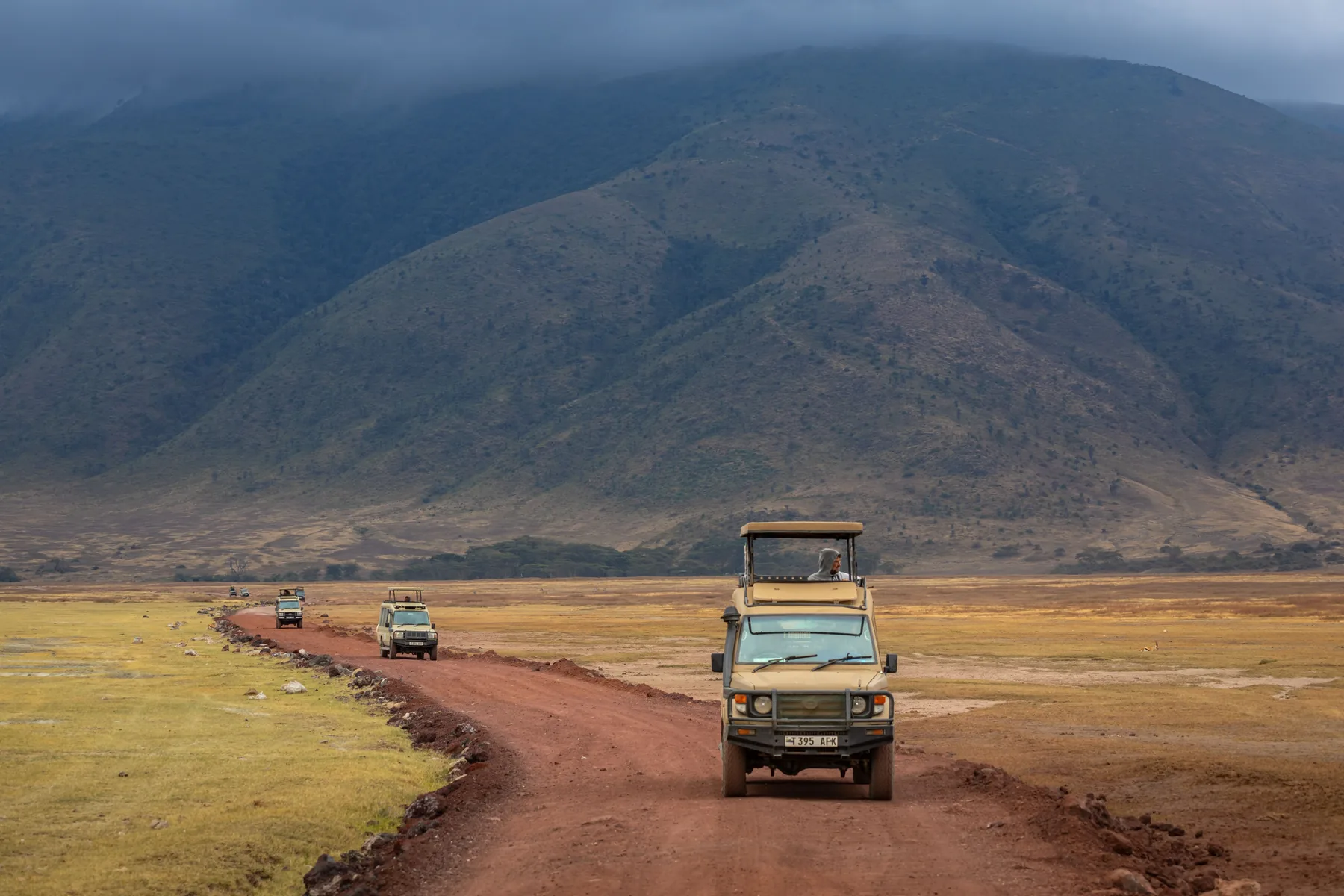
African Safari Travel Agent, Based in the United States
Who plans your safari, how planning works from anywhere in the US, what protects your booking, and the questions worth asking any safari travel agent.
Tip. Ask who will plan your days on the ground, not just who answers the first email.
Read the story →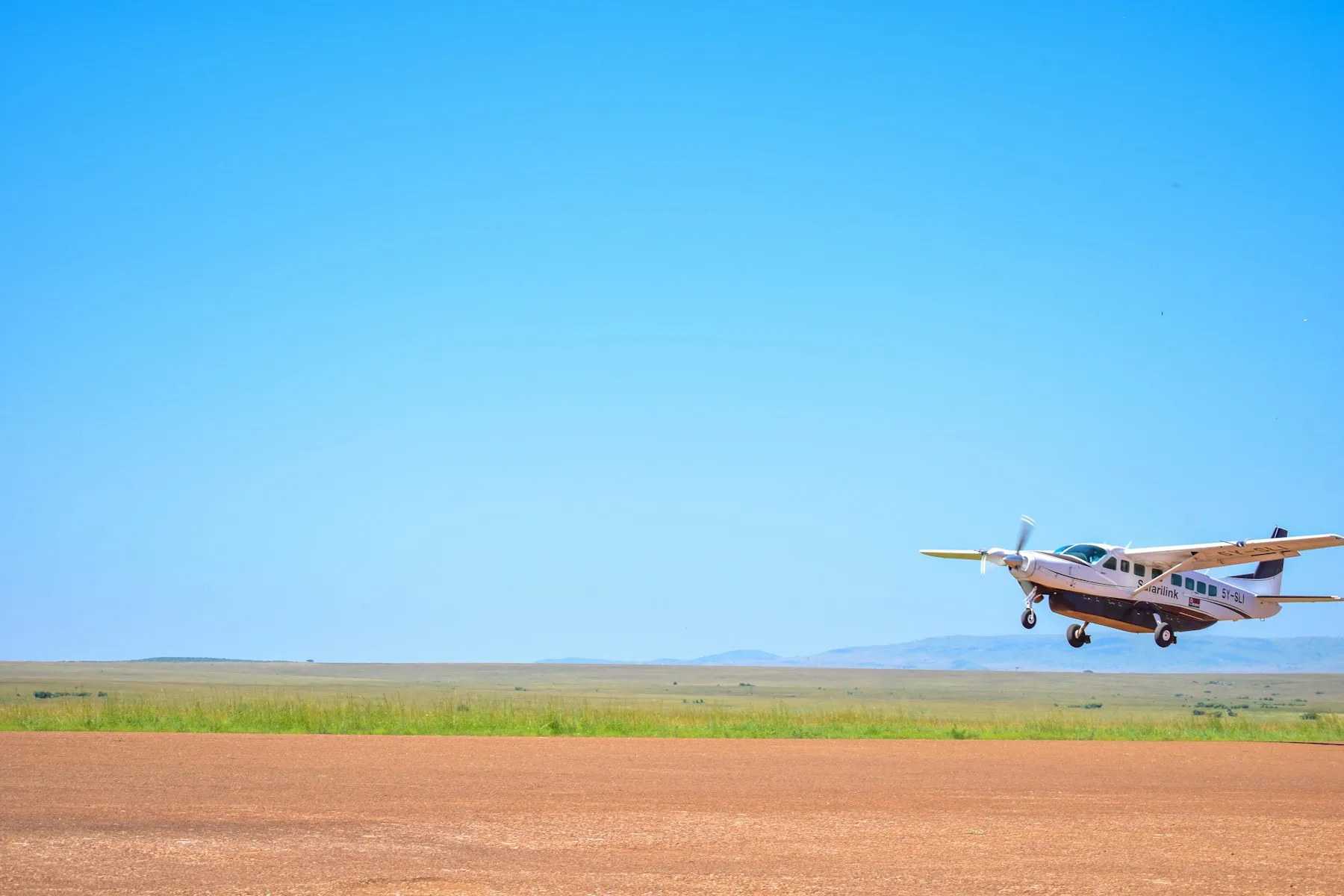
Fly-In Safaris: How Light-Aircraft Safaris Work in Africa
How light-aircraft safaris work in Kenya, Tanzania and Botswana: airstrips, the airlines’ own luggage rules, shared or private flights, and when flying is worth the cost.
Tip. Weigh your bag with your camera inside it. Hand luggage also counts toward the limit.
Read the story →
Luxury African Safari Guide: How to Plan the Right Journey
An overview from the journal: how to choose the destination, season, pace and private access for a luxury safari in East or Southern Africa.
Read the story →The Best African Safaris: 10 Places, Chosen by What You Want to See
The ten places we send our own guests, from the Serengeti and the Okavango to the gorilla forests, with the best months for each and who each one suits.
Tip. Choose the month first, then the place: the same park can be the best in Africa or merely good.
Read the story →
Safari Proposal Ideas: Nine Ways to Propose on Safari
Nine ways to propose on safari that we have actually staged, from a dawn balloon to a Zanzibar sandbank, and the practical part: the ring, the secret and the photographer.
Tip. Tell one of us, and only us: names on tickets, permits and insurance must match passports.
Read the story →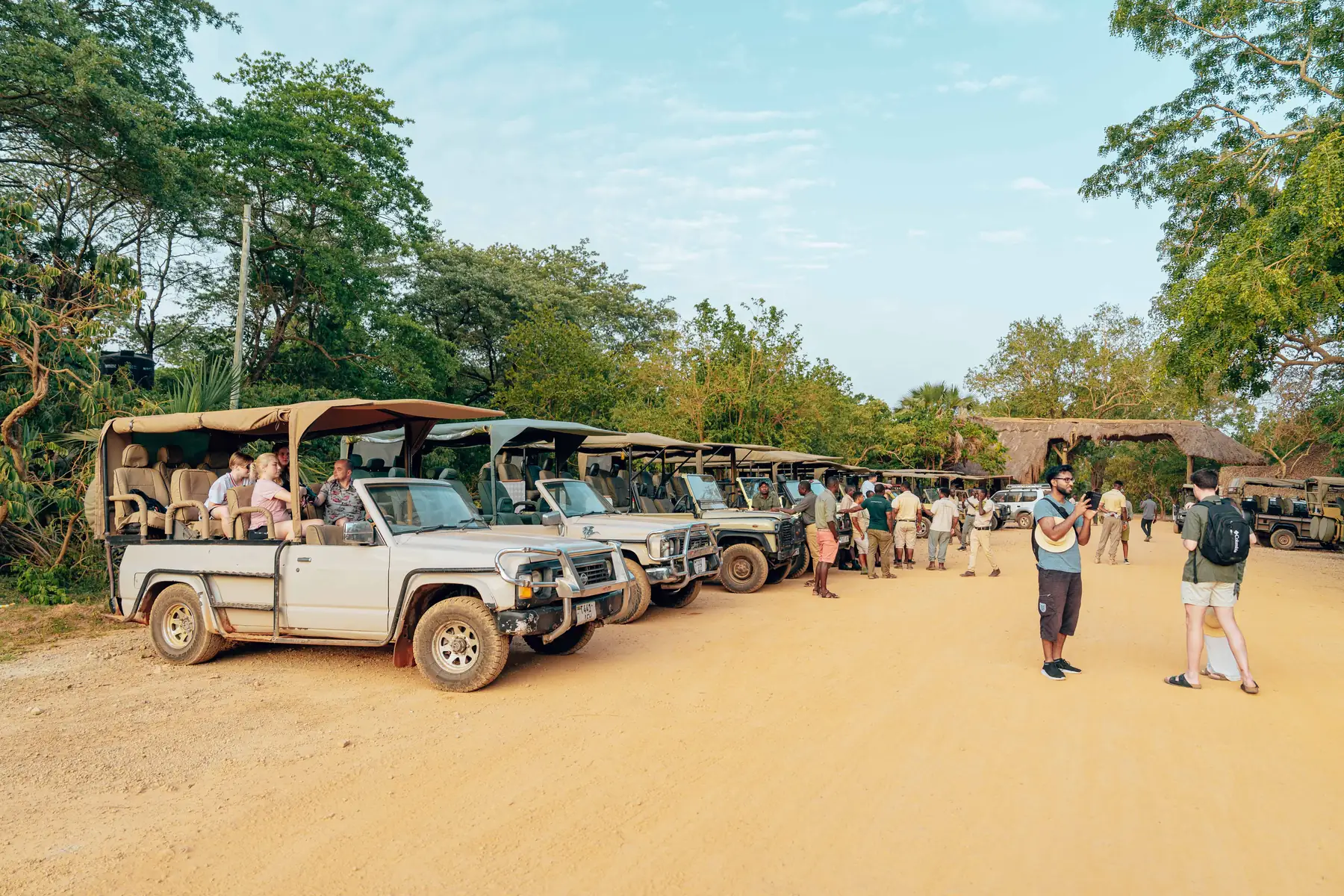
Wheelchair Accessible Safari in Africa: What Works, What Does Not
Vehicles, light aircraft, tents and treks measured realistically for wheelchair users and anyone with limited mobility, plus the questions we put to every camp before booking.
Tip. Ask for door widths and shower thresholds in centimeters, not for the word “accessible”.
Read the story →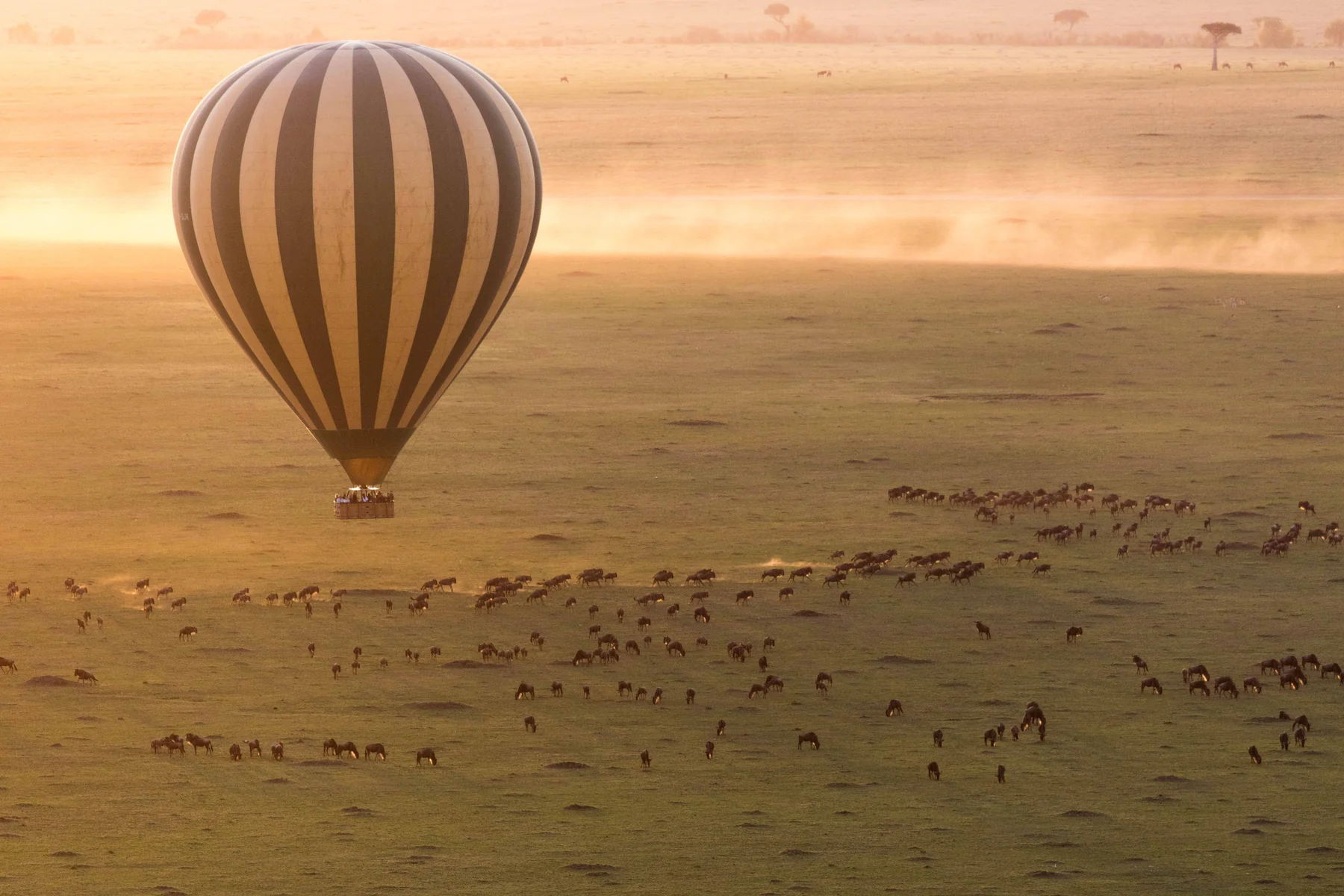
Hot Air Balloon Safari Cost: Serengeti & Mara Prices
What the balloon operators actually charge in the Serengeti, Tarangire and the Mara, what the price covers, the age and weight rules, and when a flight is worth the dawn start.
Tip. Book the balloon for a morning in the middle of your stay, never the departure day.
Read the story →Maasai Mara Park Fees 2026/2027: What Visitors Pay and Why
The official Narok County fee schedule for 2026, how the 12-hour ticket actually works, why conservancies charge differently, and what it all looks like on a proposal.
Tip. January to June halves the adult fee, and January to March is superb in the Mara.
Read the story →African Safari Travel Agent in California: Who We Are
A Fresno-based, Tanzanian-born safari company: what a California seller of travel registration protects, how we work in your time zone, and the one-stop flights from LAX and SFO.
Tip. Ask any safari company for its CST number before you pay a deposit.
Read the story →African Safari With Toddlers: Ages, Malaria and Where to Go
Yes, a two-year-old can go on safari. The three conditions that make it work, the malaria-free reserves we use, and what a day looks like when naps come first.
Tip. Private vehicle, malaria-free reserve, villa or family lodge: meet all three and it works.
Read the story →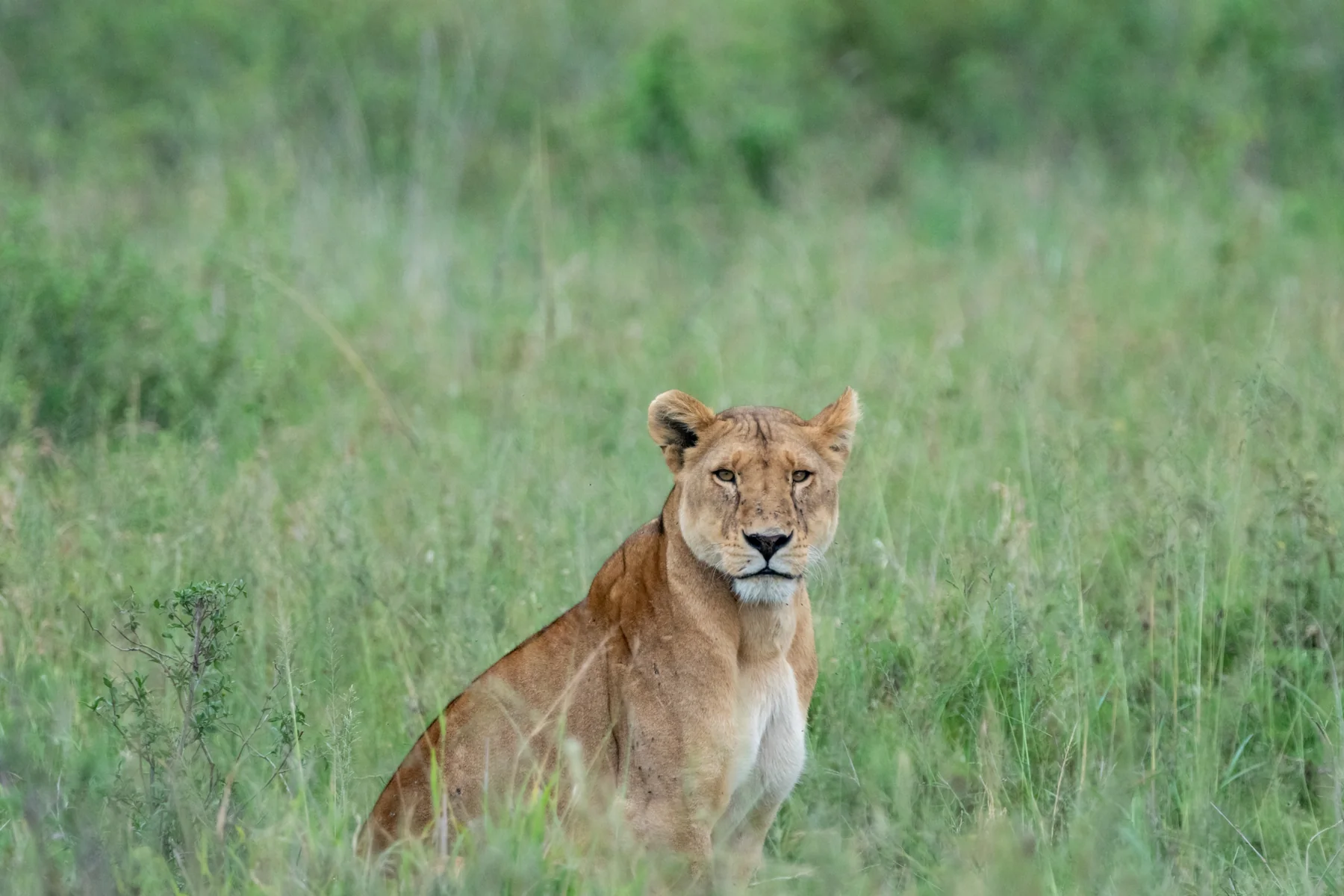
Affordable Luxury Safari: Where to Save and Where Not To
A luxury safari does not have to be the most expensive version of itself. The five levers that lower the price without lowering the standard, and the five things we will never cut.
Tip. Of course, season is the biggest lever: the same camp can cost around 40% less outside July to October.
Read the story →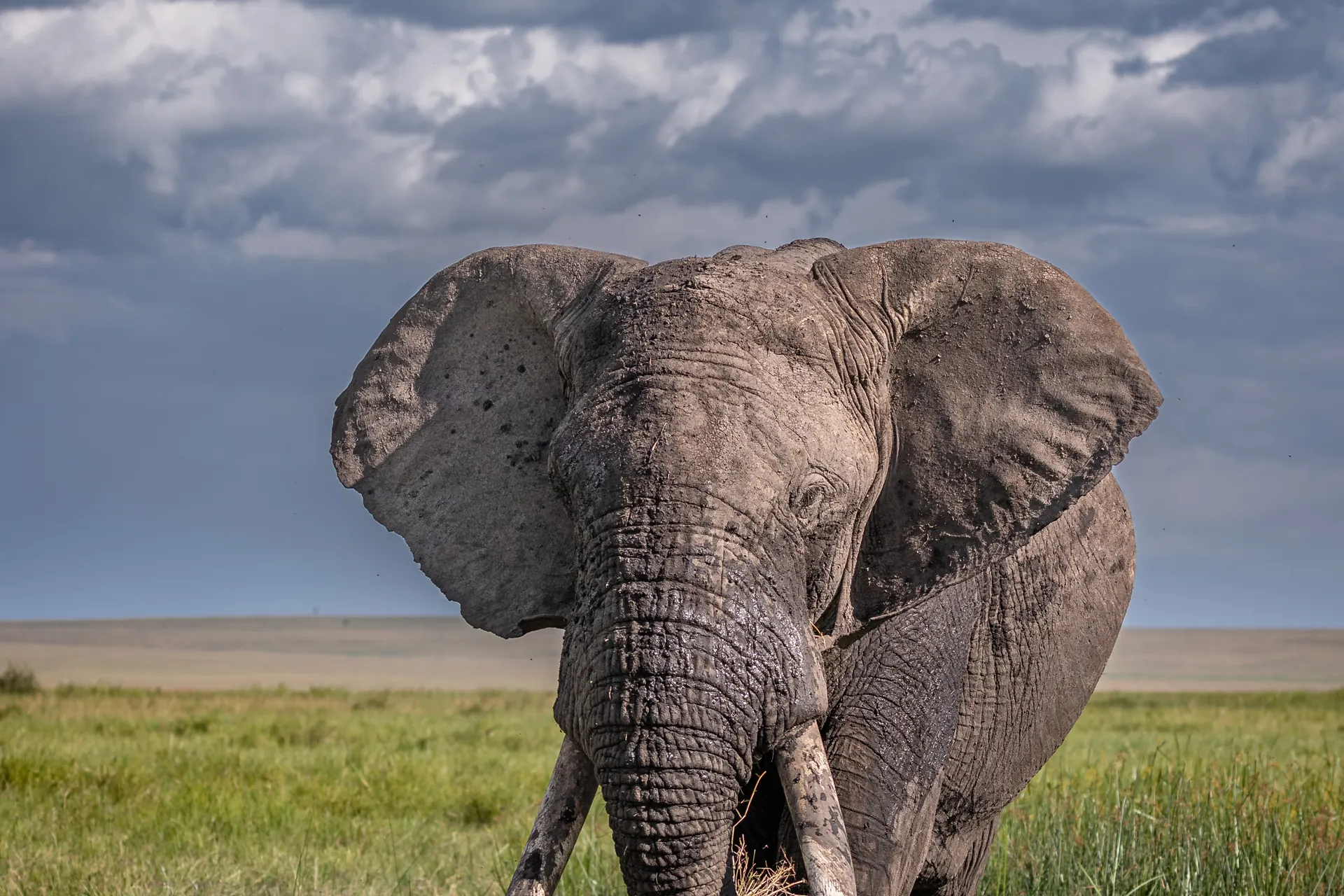
African Safari by Month: Where to Go, January to December
There is no bad month for Africa, only the wrong place for the month you have. This journal guide covers where to go, what you will see and what it costs, month by month.
Tip. Tell us the month you can travel first; the right region then follows from it.
Read the story →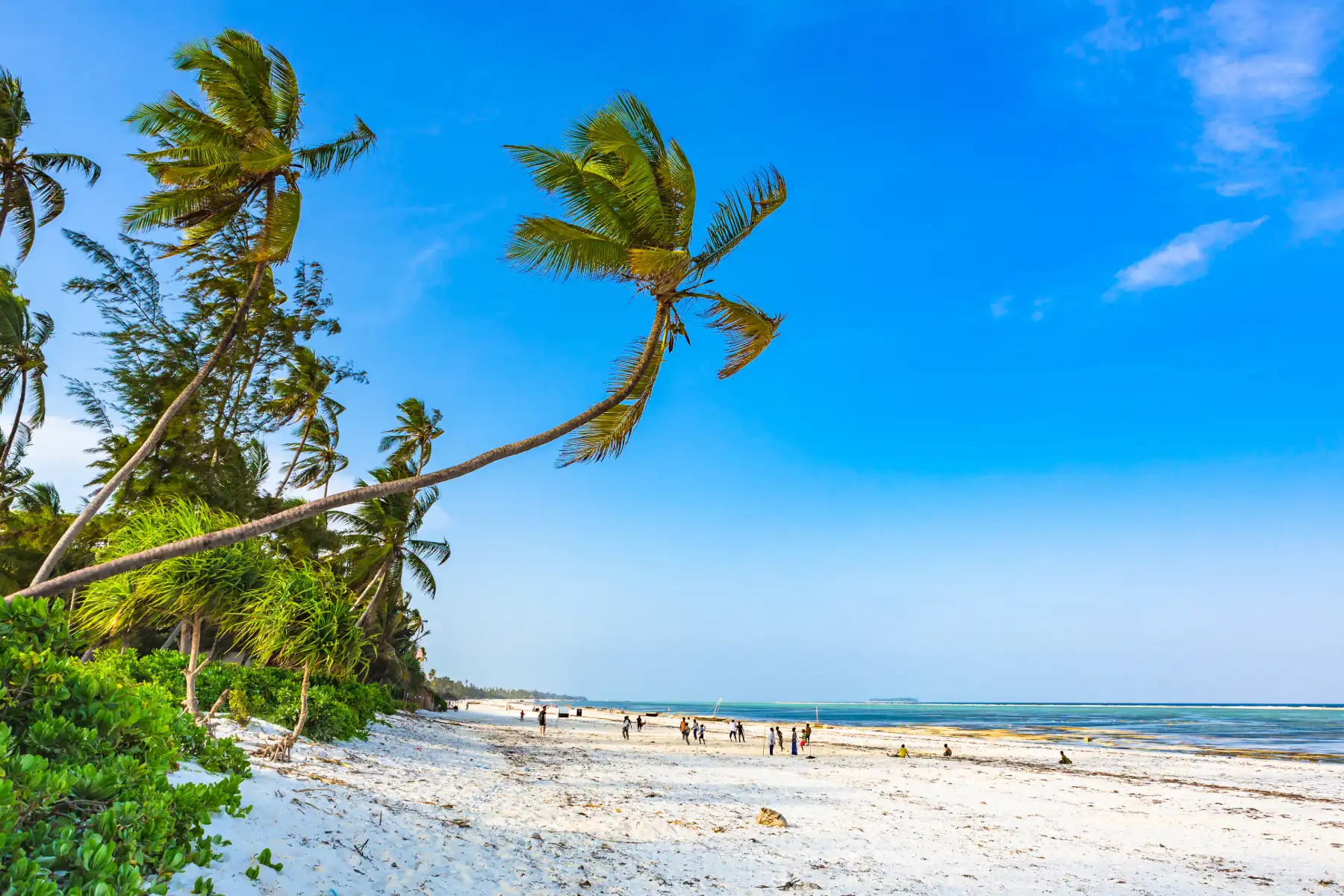
Safari and Beach Vacations: The Best Combinations
Few endings to a safari beat a perfect Indian Ocean beach. In this journal guide: how to combine the two, and which pairings work best.
Tip. Add 3–5 beach nights after 6–8 on safari so you fly home rested.
Read the story →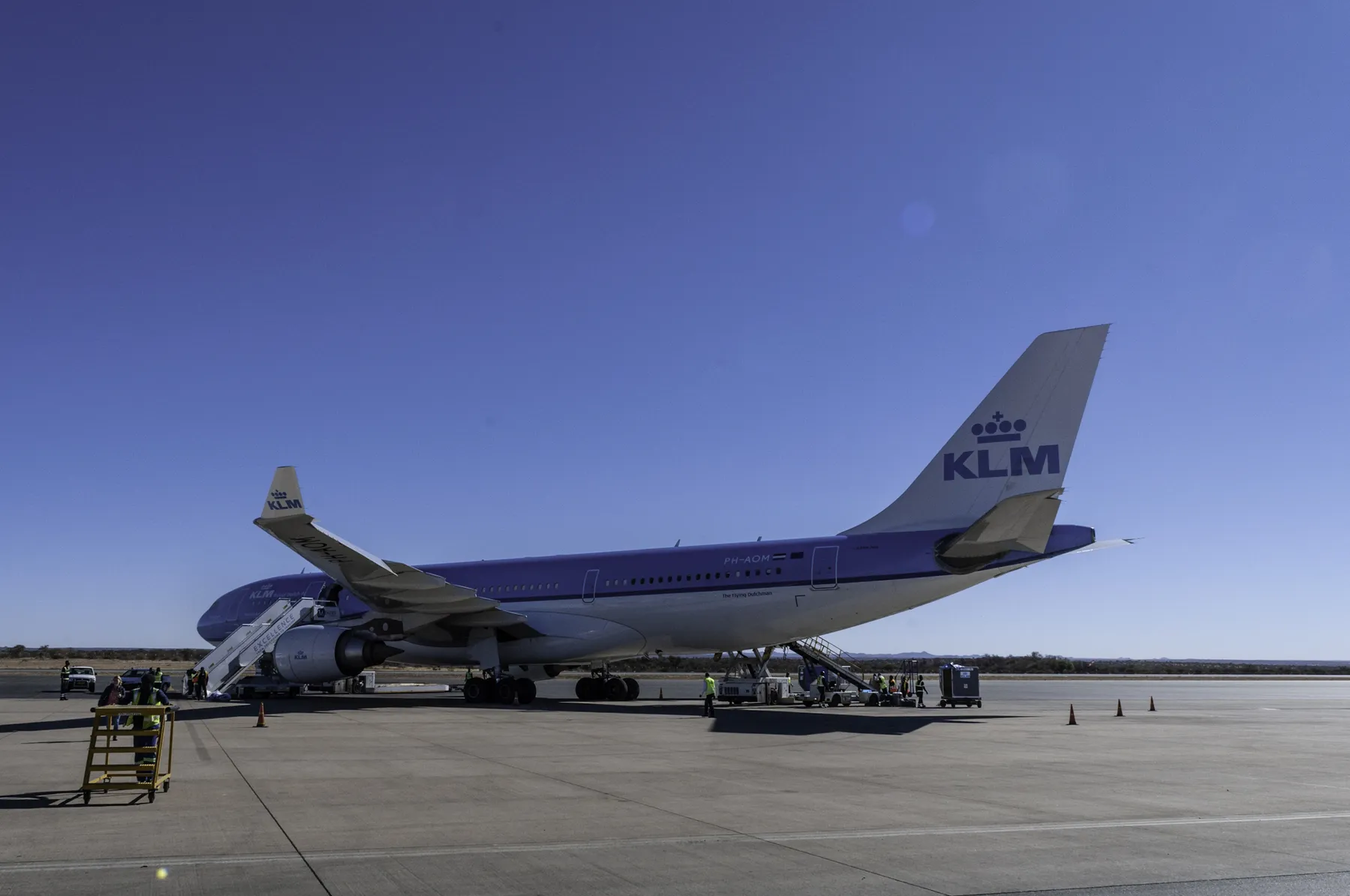
African Safari from the USA: Flights, Visas and Planning
Nonstop routes, connections and layovers explained in plain English (from any US city to any safari country), plus the visa each one needs.
Tip. Book flights only after your safari dates are confirmed with us.
Read the story →
Beyond the Big Five: Culture, Cuisine & Adventure on Safari
The modern luxury safari is about more than wildlife. How to weave culture, food, wine and adventure into a richer, “safari-plus” journey.
Tip. For example, pair the Cape Winelands with a Big Five reserve for the perfect balance.
Read the story →Let's turn inspiration into a journey.
Use this African safari guide and journal to settle the questions that come up before you write to us.
Tell us how you like to travel and start with a complimentary consultation.
Plan your safariNndeeAfrika is a member of ATTA, the African Travel and Tourism Association, and registered with the California Seller of Travel Program.