Look closely at any well-designed Kenyan or Tanzanian itinerary and you’ll notice something: the best camps often sit just outside the famous parks, on land called a conservancy. It is not a downgrade — it is usually the upgrade — but the distinction confuses almost every first-time planner.
Here is what each actually is, and what staying in each feels like.
National parks: the icons
National parks — the Serengeti, the Maasai Mara reserve, Amboseli — are government-run public land. They protect the most famous landscapes and spectacles in Africa, and any licensed vehicle may enter. That is their glory and their flaw: at a peak-season river crossing or a big cat sighting, you may share the moment with many other vehicles.
Park rules are set by each national authority and are generally tighter than on private land: off-road driving is usually prohibited, night drives and guided walks are offered only where the specific park and a licensed operator permit them (Lake Manyara’s night drives and designated walking zones in the Serengeti are examples), and gates open and close at set hours.
Private conservancies: the freedom
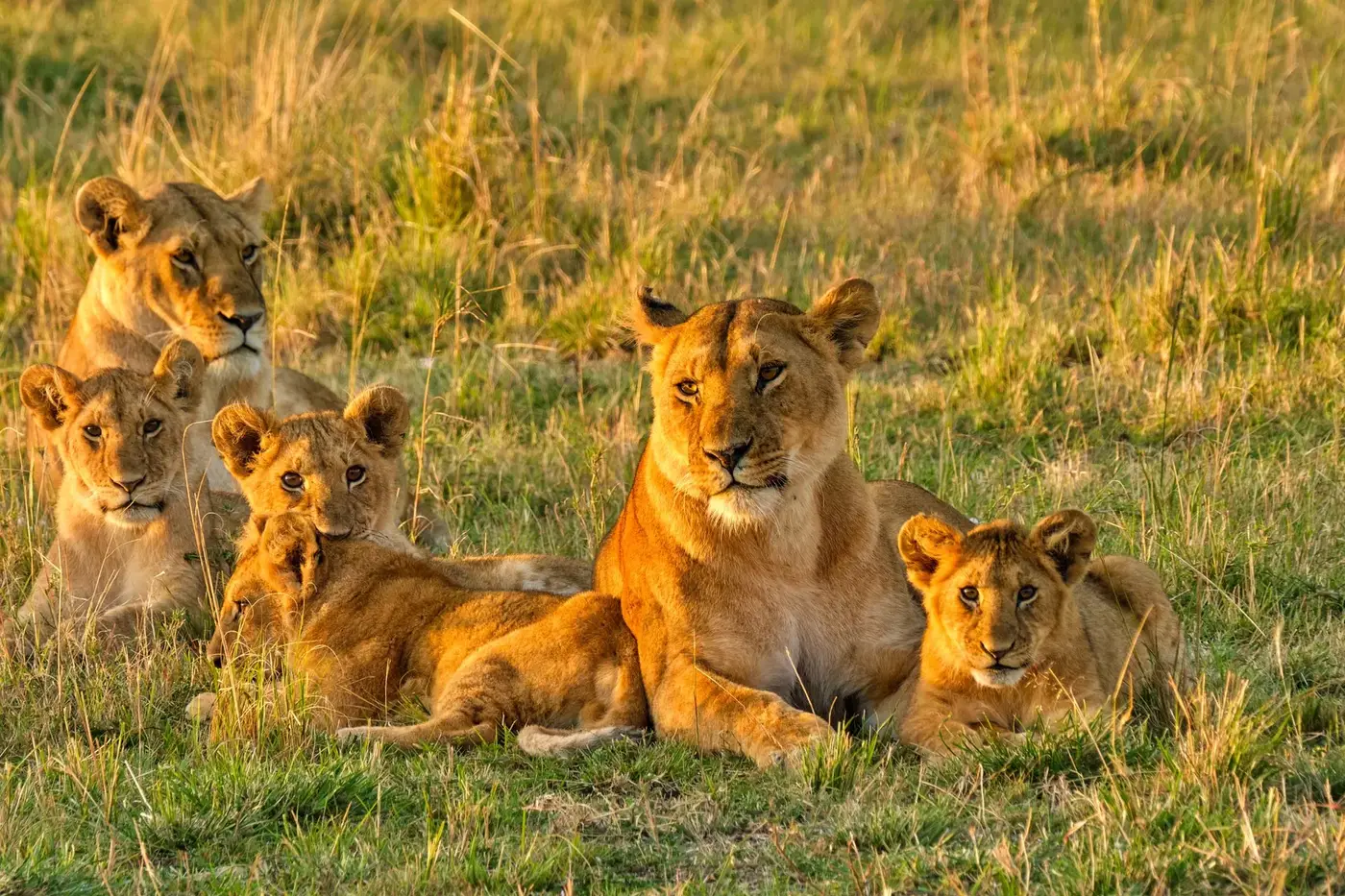
Conservancies are private or community-owned land — often bordering the parks and sharing the same wildlife — where a handful of camps hold exclusive access. Strict limits (commonly one guest per 350 acres or more in the Mara conservancies) mean sightings are yours, often alone.
Because the land is privately managed, each conservancy sets its own rules, and most allow what the parks restrict: off-road positioning at sightings, night drives for leopard and the nocturnal shift, guided walking, and sundowners wherever the view is best. Private land does not mean anything goes; we confirm which activities your chosen camp offers before you book. Your conservancy fees also lease the land directly from its Maasai or community owners — the strongest community-benefit model in safari.
- —Off-road driving for close, well-positioned sightings
- —Night drives — a whole second safari after dark
- —Walking safaris with armed guides
- —Vehicle limits at sightings — often just yours
- —Fees paid directly to community landowners
So which should you choose?
Both — in the right order. The parks hold the unmissable set pieces: the crater floor, the migration crossings, Amboseli’s tuskers under Kilimanjaro. The conservancies hold the experience: unhurried, uncrowded, flexible. A classic shape is two or three nights inside a park for the icons, then three or four on a conservancy to fall into the deeper rhythm of the bush. We weight the balance to your priorities — photographers, for instance, usually want maximum conservancy time.