Travelers arrive at this question already decided about the season. They want the crossings, they know the north is where to be, and now they are looking at two area names on a map and trying to work out which one to book. Here is how we answer it.
Where Kogatende and Lamai actually are
Both sit in the far north of the Serengeti, within reach of the Mara River and the Kenyan border. The distinction that matters is the river itself.
Kogatende is the area on the southern side of the river, and the name most travelers meet first because the airstrip most northern journeys use carries it. Lamai refers to the country on the northern bank, between the river and the border. Camps sit in both.
The river is the variable, not the name
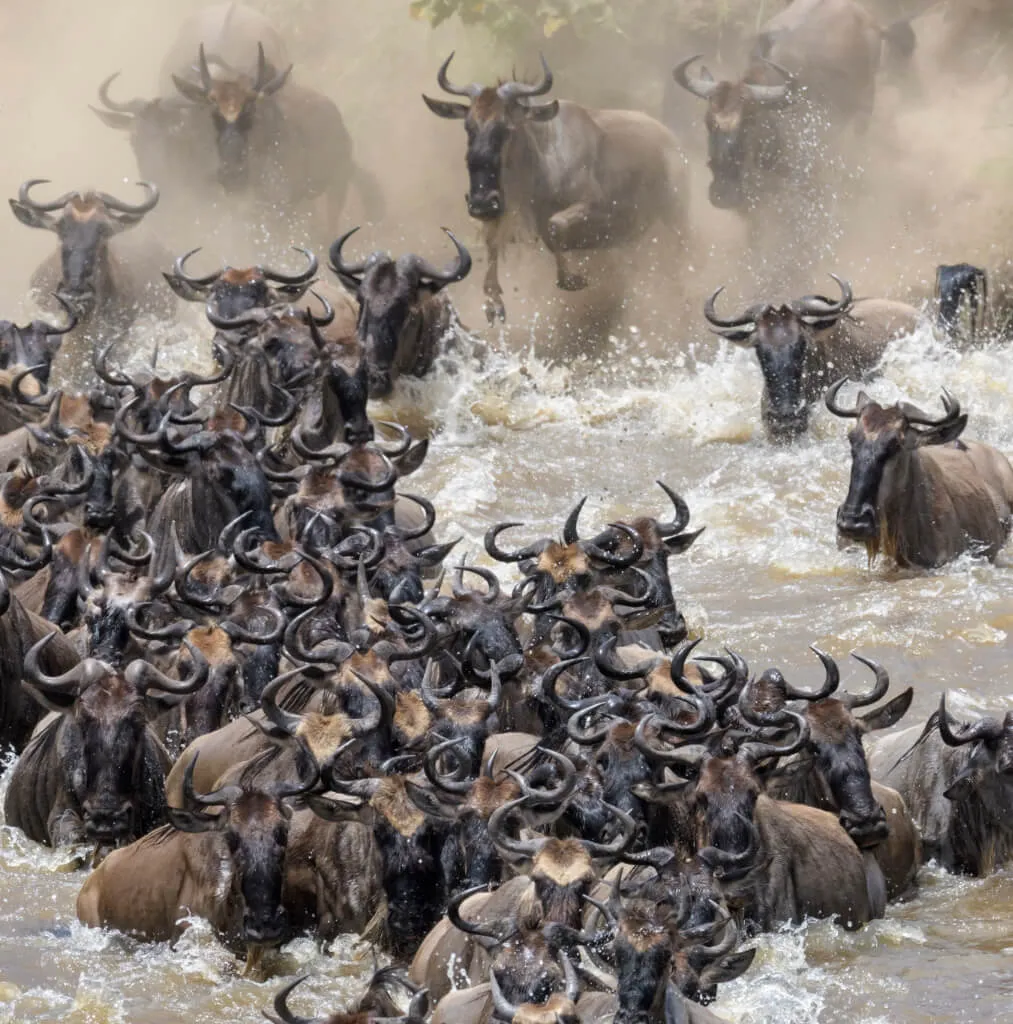
Crossing points are spread along the river rather than concentrated in one place, and the herds use different ones from year to year and week to week. Which bank you sleep on therefore changes what your morning looks like — whether you are already on the right side when activity begins, or whether reaching it means a bridge and a longer drive.
Neither bank is reliably the correct one. That is the honest position, and it is why we plan this around your specific dates rather than a rule of thumb.
Getting there, and what the drive times really mean
Most travelers fly into the north by light aircraft rather than drive up from the central Serengeti, which saves the better part of a day. Camps on either bank are reached from the airstrip by road.
Be cautious with any transfer time quoted as a fixed number. Driving times in the north shift with road conditions, which river crossings are usable and where the herds have moved. We confirm the realistic figure for a specific camp on your dates before you commit to it.
Mobile or permanent camps in the north
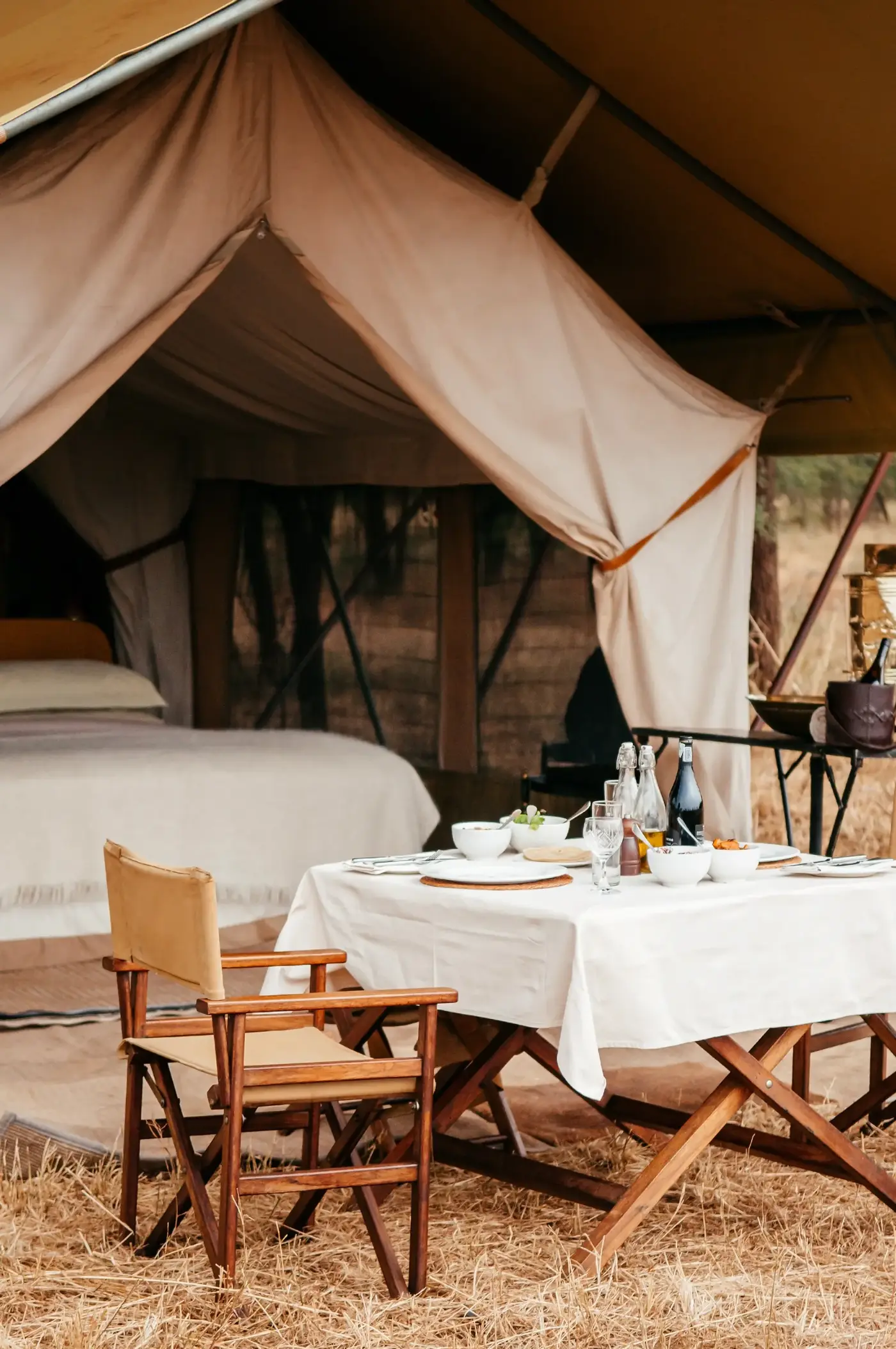
The north has both. Mobile camps relocate between designated seasonal sites to stay near likely herd movements; permanent camps hold one position and may offer larger rooms and more extensive facilities. Some properties operate only part of the year.
Neither is better in the abstract — we set out the full comparison in the Great Migration guide. In the north specifically, the trade is usually proximity against comfort, and how you weigh it depends on whether the crossings are the point of your trip or one part of it.
Why the camp matters more than the area
This is the part most comparison articles get wrong. “Kogatende or Lamai” is the wrong question to optimise, because the spread of positions within each area is wider than the difference between them.
A well-sited camp on one bank will beat a poorly sited camp on the other every time. What to compare instead: the camp’s actual position relative to the stretch of river likely to be active on your dates, its opening dates for that window, how many vehicles it puts out, whether it holds a fixed site or moves, and how its guiding team works the river in the early morning.
Choose the property. The area name follows from it.
Should you split between the two?
Sometimes, but it is not automatic. A split stay can be worth it on a longer journey, giving you both banks and two different camp characters.
On a short stay it often costs more than it returns. Changing camps takes a morning, and mornings are the currency of a crossing trip. If you have three nights in the north, we would usually rather put all three in the right place than break them in half.
Nights, timing and booking
Three nights in the north is a sound minimum; four or five materially improves your odds and lets you enjoy the rest of the ecosystem rather than chasing one objective. Many travelers pair the north with the central Serengeti or Kenya on a longer route — the Great Migration itinerary shows one way.
Northern camps are small and the crossing months are the busiest of the year. For August in particular, twelve months ahead is not early. Tell us your dates and we will tell you what is genuinely still available in each area, and which of it we would actually put you in.