Kenya and Tanzania are East Africa’s two safari heavyweights, sharing a border, the Great Migration and some of the finest wildlife on earth. For many travelers the choice between them is genuinely close. The good news: there is no wrong answer — only the one that best fits your priorities. Here is how they compare.
The short answer
Choose Kenya for a shorter, easier first safari with the densest big-cat viewing, conservancy freedoms such as off-road and night drives, and the July–October river crossings, all within a short flight of the coast. Choose Tanzania for scale and variety: the Serengeti, Ngorongoro Crater and Tarangire in one circuit, the January–February calving season, and Zanzibar to finish. With ten days or more you rarely have to choose at all: the two countries connect by a short flight, and a combined Kenya and Tanzania circuit is one of the journeys we are asked to design most often.
| Kenya | Tanzania | |
|---|---|---|
| Travel pace | Compact. Nairobi to the Maasai Mara is under an hour by light aircraft; most camps sit within a short drive of each other. | Bigger distances. The northern circuit is a loop from Arusha by road and air; Serengeti flights run one to two hours. |
| Signature parks | Maasai Mara and its private conservancies, Amboseli, Samburu, Laikipia. | Serengeti, Ngorongoro Crater, Tarangire, Lake Manyara; Ruaha and Nyerere in the south. |
| The migration | River crossings in the Mara roughly July to October. | The herds are in Tanzania for most of the year: calving in the south in January–February, northern Serengeti crossings July to October. |
| Beach add-on | Diani or Lamu on the Kenyan coast, or a flight to Zanzibar. | Zanzibar, Pemba or Mnemba, a short flight from the Serengeti. |
| Best months | June to October, and January to February. | June to October for the dry season; January to March for calving. Green season November to May in both countries. |
| Cost | Broadly comparable per night. Conservancy fees replace park fees on private land. | Broadly comparable per night. Park and crater fees are higher; your proposal itemizes both. |
| Who it suits | First safaris with limited time, families, photographers focused on cats. | Longer trips, travelers who want scale and variety, Kilimanjaro climbers. |
Weighing South Africa too? See Kenya vs South Africa, Tanzania vs South Africa and the best country for a first safari. Read the country pages for the detail: Kenya safaris and Tanzania safaris, or compare the two flagship parks in Serengeti vs Masai Mara. When you are ready, request your complimentary consultation.
The headline parks
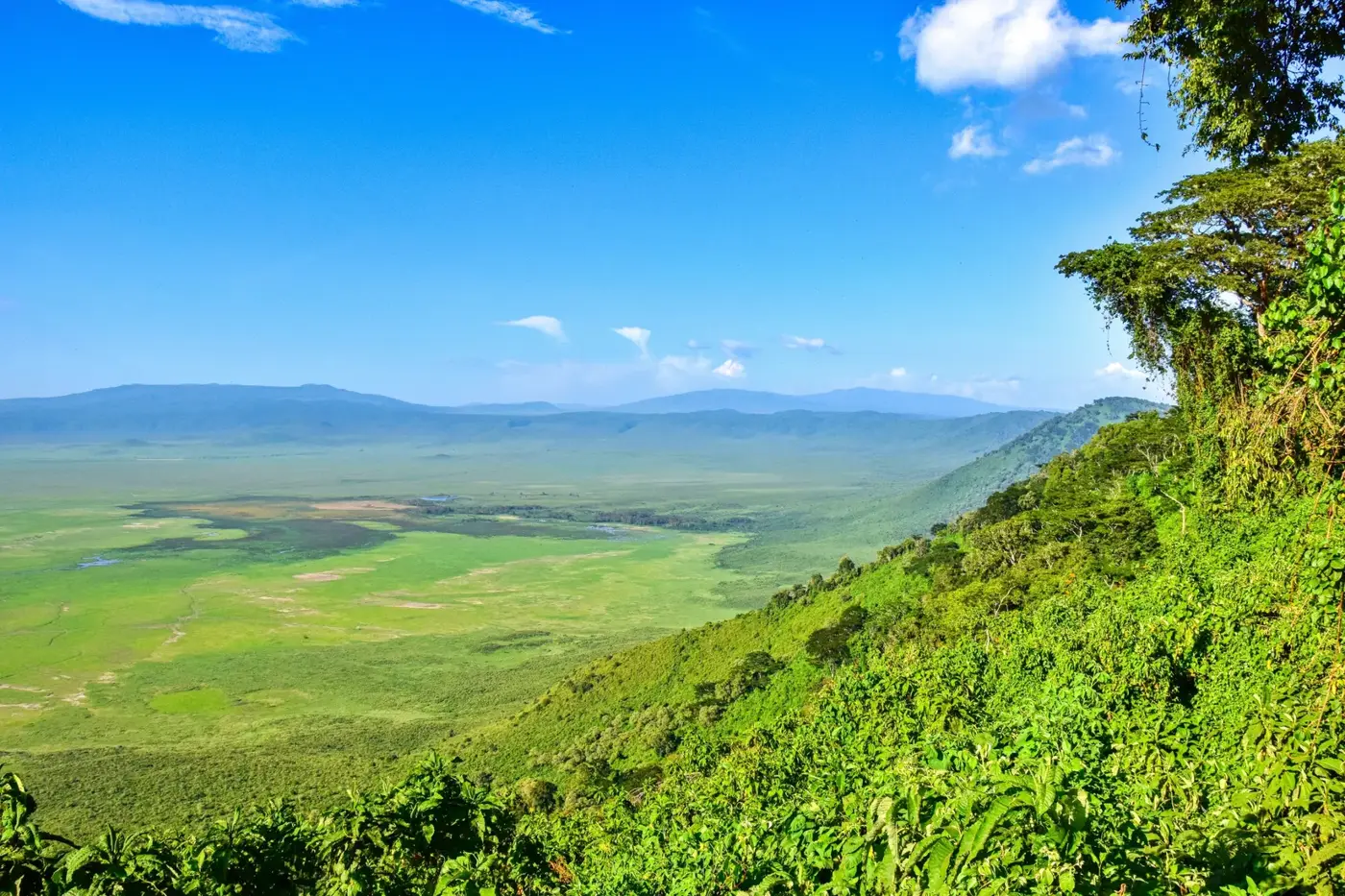
Kenya’s signature is the Maasai Mara — compact, astonishingly dense with big cats, and the stage for dramatic Mara River crossings from roughly July to October. Tanzania counters with the vast Serengeti and the wildlife-packed Ngorongoro Crater, on a far grander scale. Tanzania also holds the southern Serengeti calving season (January–February) and iconic Mount Kilimanjaro.
- —Kenya — Maasai Mara, Amboseli (elephants & Kilimanjaro views), Samburu
- —Tanzania — Serengeti, Ngorongoro Crater, Tarangire, the southern circuit
The Great Migration
Both countries share the migration — it is one continuous, year-round loop. From about July to October the herds and river crossings are in the northern Serengeti and the Maasai Mara; from December to March they are on Tanzania’s southern plains for calving. So the better country depends entirely on when you travel.
Cost, crowds & access
Kenya is often a little more affordable and easier to access, with excellent light-aircraft links and shorter transfers, though the popular Mara can feel busy in peak season — private conservancies solve this beautifully. Tanzania’s parks are larger and can feel wilder and less crowded, but distances are greater and costs typically a touch higher. Both reward staying in private concessions for exclusivity.
Beaches & combining both
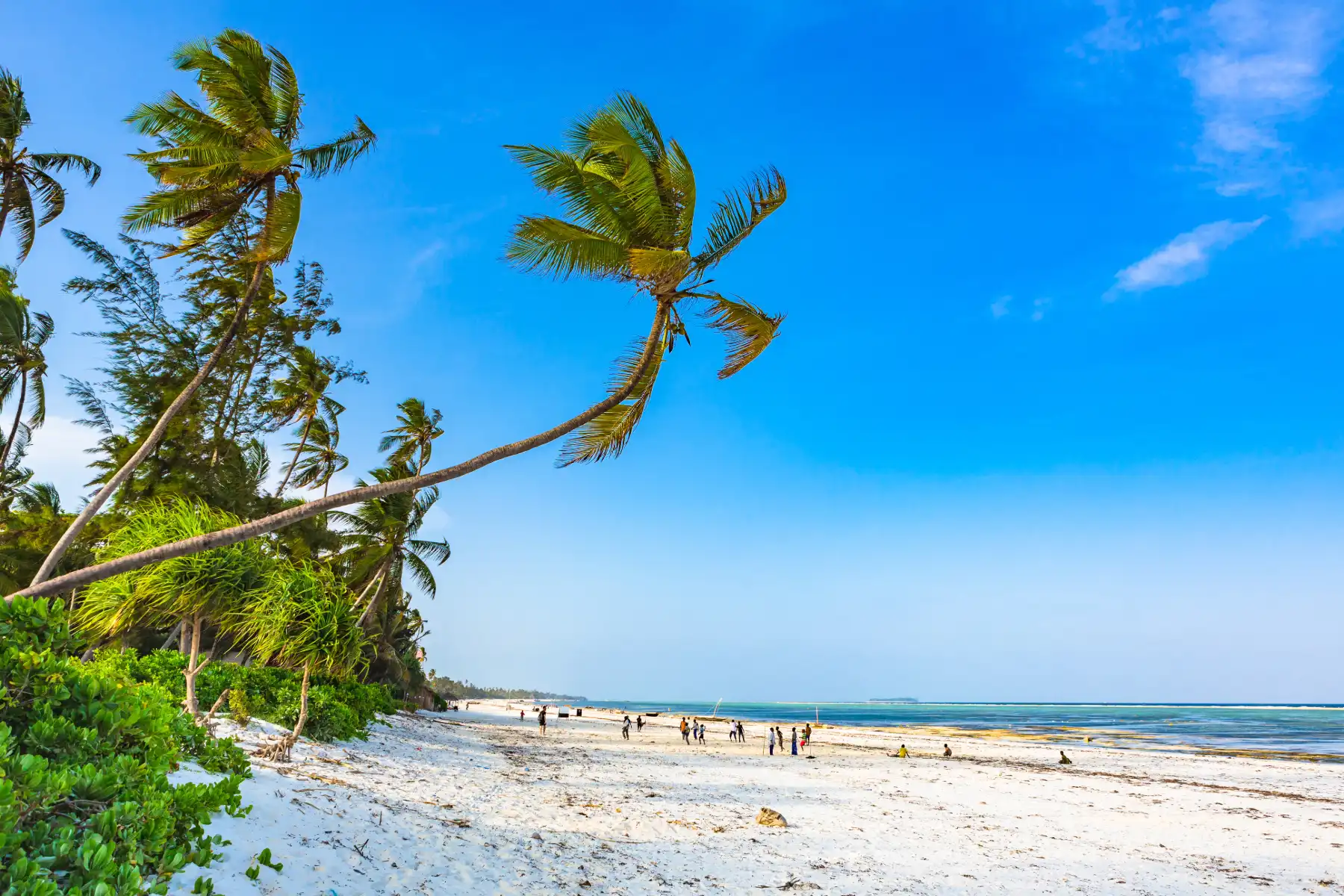
For a bush-and-beach finish, Tanzania has the edge with Zanzibar a short hop away; Kenya offers its own coast at Diani and Lamu. And you needn’t choose at all — the two combine easily into one trip, often Kenya’s Mara plus Tanzania’s Serengeti, for the best of both.