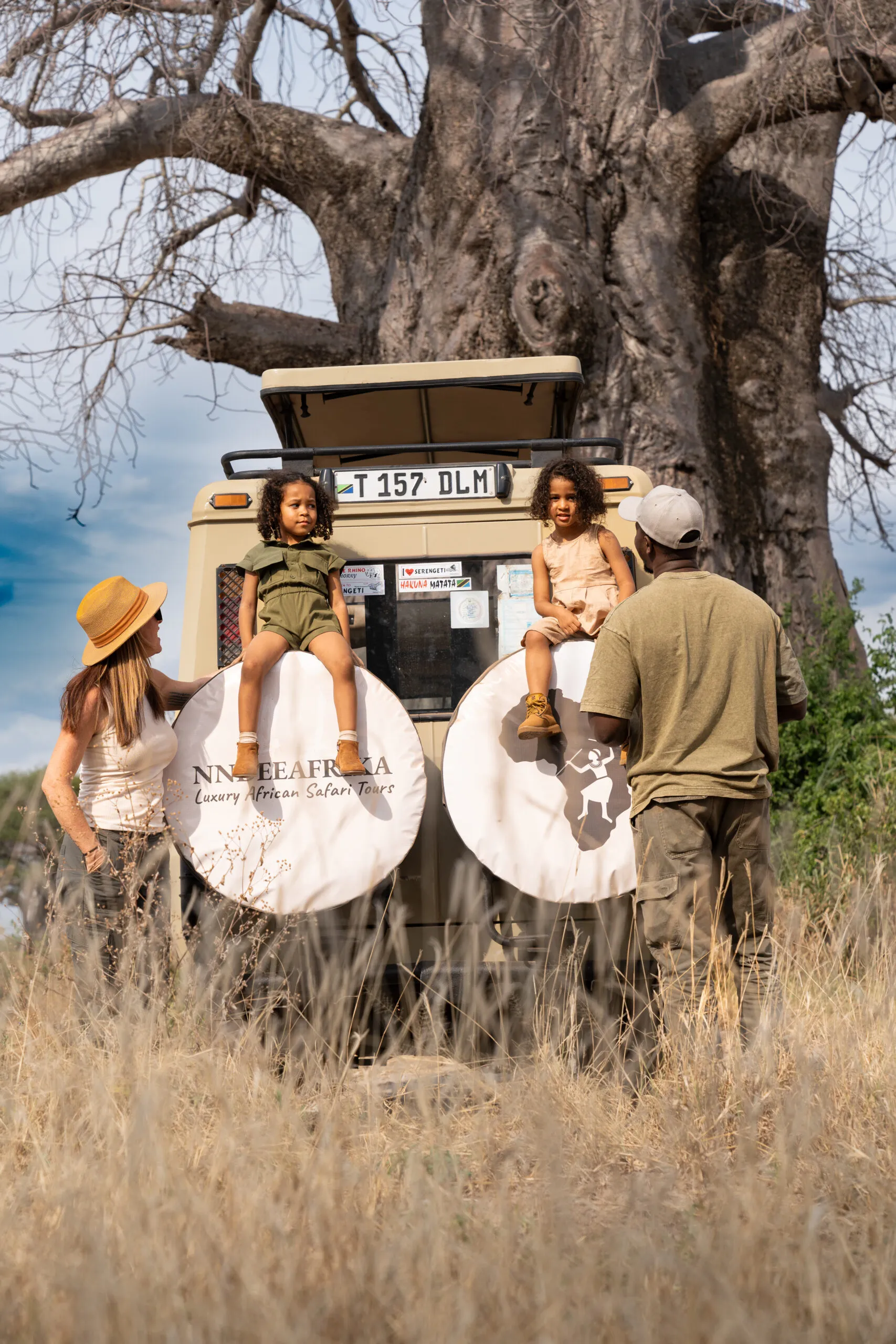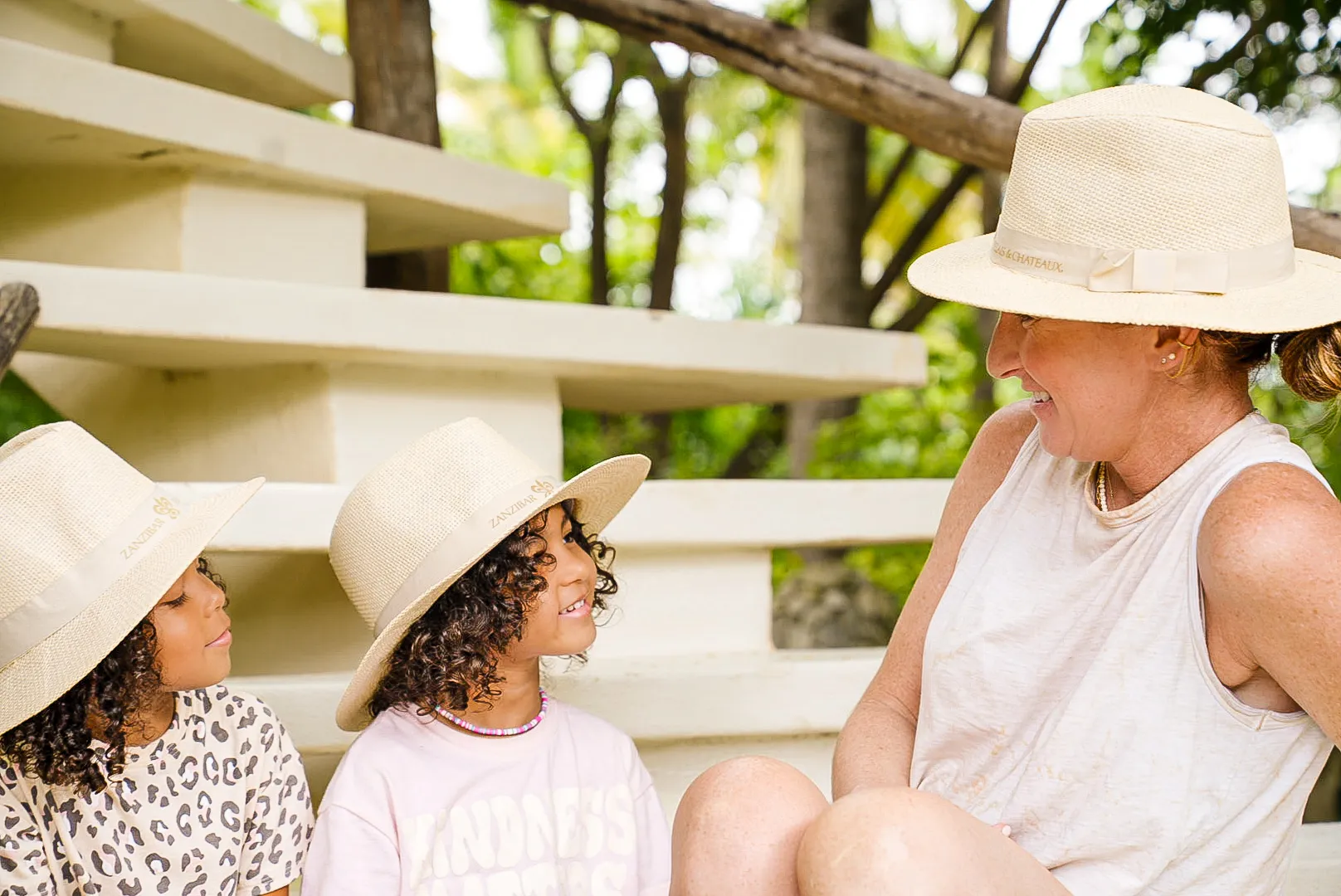
Few journeys light up a child like a safari — and few bring a family closer than days spent tracking wildlife together. With the right planning, a safari works beautifully for all ages. Here is how to design a trip that thrills the children and relaxes the parents.
The right age
There is no single right age, but many families find children get the most from a safari from around six years and up, when they can sit through a game drive and remember it for life. Plenty of camps welcome younger children too, often with flexible private activities. Note that gorilla trekking has a minimum age of 15 in both Uganda and Rwanda; chimpanzee trekking is 15 in Rwanda’s Nyungwe and generally 12 in Uganda’s Kibale, and we confirm the current park rule before proposing it. We match the destination and camps to your children’s ages.
Rules are set by each property, park and operator rather than by country, so treat these as the usual starting points; we confirm the exact policy for every camp before it goes into your proposal.
| Activity | Usual minimum age | Notes |
|---|---|---|
| Game drives in a shared camp vehicle | Often 6 to 8 | Camp-specific; some camps welcome younger children on family-only drives. |
| Game drives in a private vehicle | Usually any age | At the camp’s discretion; the best option for younger children. |
| Walking safaris | 12 to 16 | Varies by country, park and camp; short nature walks near camp are often open to younger children. |
| Gorilla trekking | 15 | Uganda and Rwanda; strictly enforced by the wildlife authorities. |
| Chimpanzee trekking | 12 to 15 | 15 in Rwanda’s Nyungwe; generally 12 in Uganda’s Kibale. |
| Canoeing (Mana Pools, Lower Zambezi) | Usually 16 | Operator-specific. |
| Hot-air balloon flights | Operator-specific | Height and age rules differ by operator; we check before booking. |
See which properties suit families best on our family safaris page, then request your complimentary consultation and tell us your children’s ages.
Family-friendly camps
The secret to a great family safari is choosing camps built for it. Look for family suites or private villas, a private vehicle and guide so you can set your own pace and leave a drive early if needed, child-friendly dining and pools, and dedicated kids’ programs. Many top camps run junior-ranger activities — animal tracking, spoor casting, bug hunts and bushcraft — that turn learning into play. Bringing grandparents? See our guide to safaris for seniors.
- —Family suites, connecting rooms or exclusive-use villas
- —A private vehicle & guide for total flexibility
- —Junior-ranger and bush-skills programs
- —Pools, and shorter, varied activities to hold attention
Malaria-free options
For families with young children, malaria-free reserves offer welcome peace of mind. Parts of South Africa — including the Waterberg and Eastern Cape (Madikwe and others) — are malaria-free and still deliver Big Five game viewing, making them a popular first safari for families.
A realistic day with children
Flexibility is everything. Rather than two long drives, families often do one shorter morning drive, a relaxed midday by the pool, and an afternoon outing — keeping energy and enthusiasm high. A private guide can tailor each day around naps, attention spans and the animals the children most want to see. The result is a trip that feels like an adventure, not an endurance test.