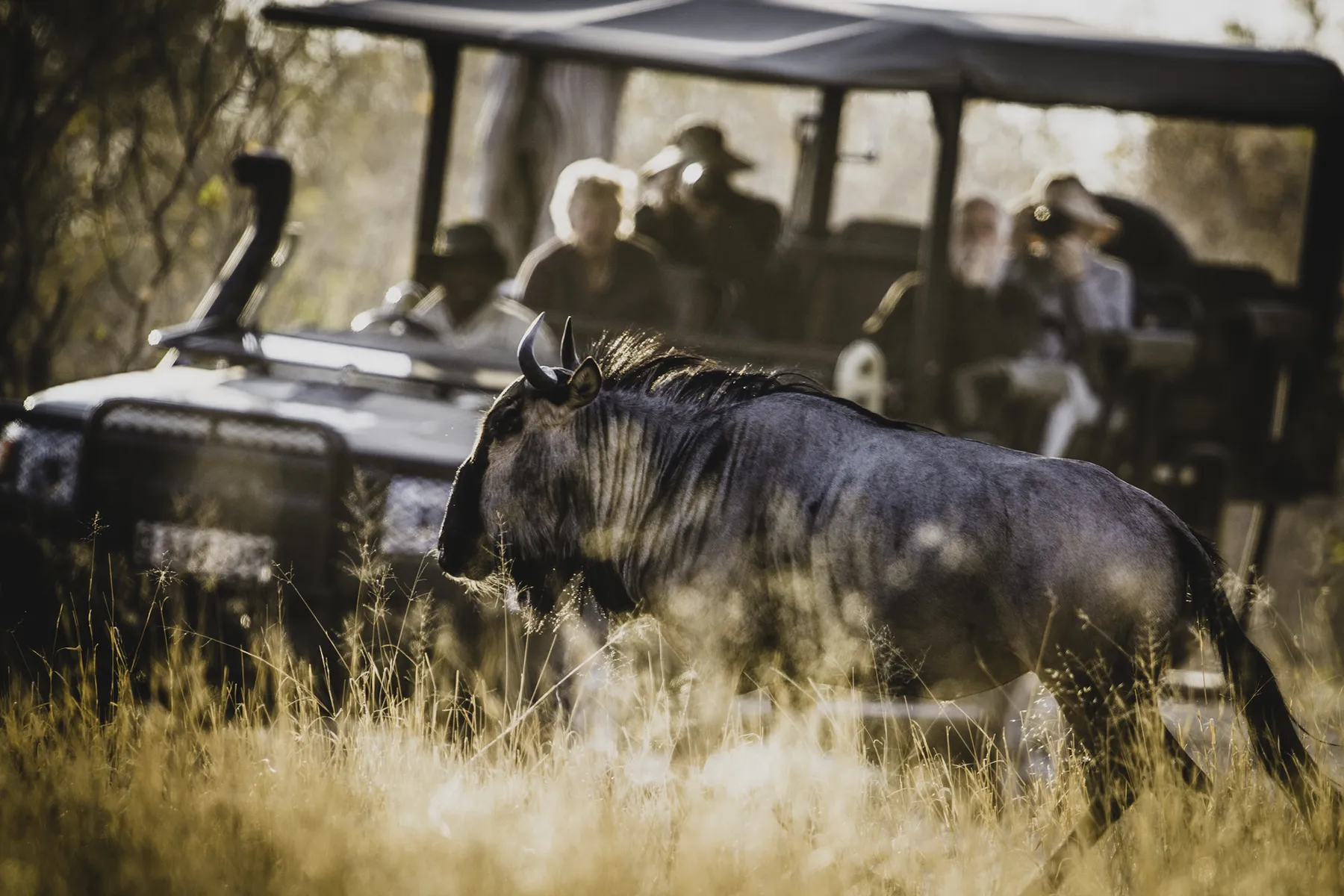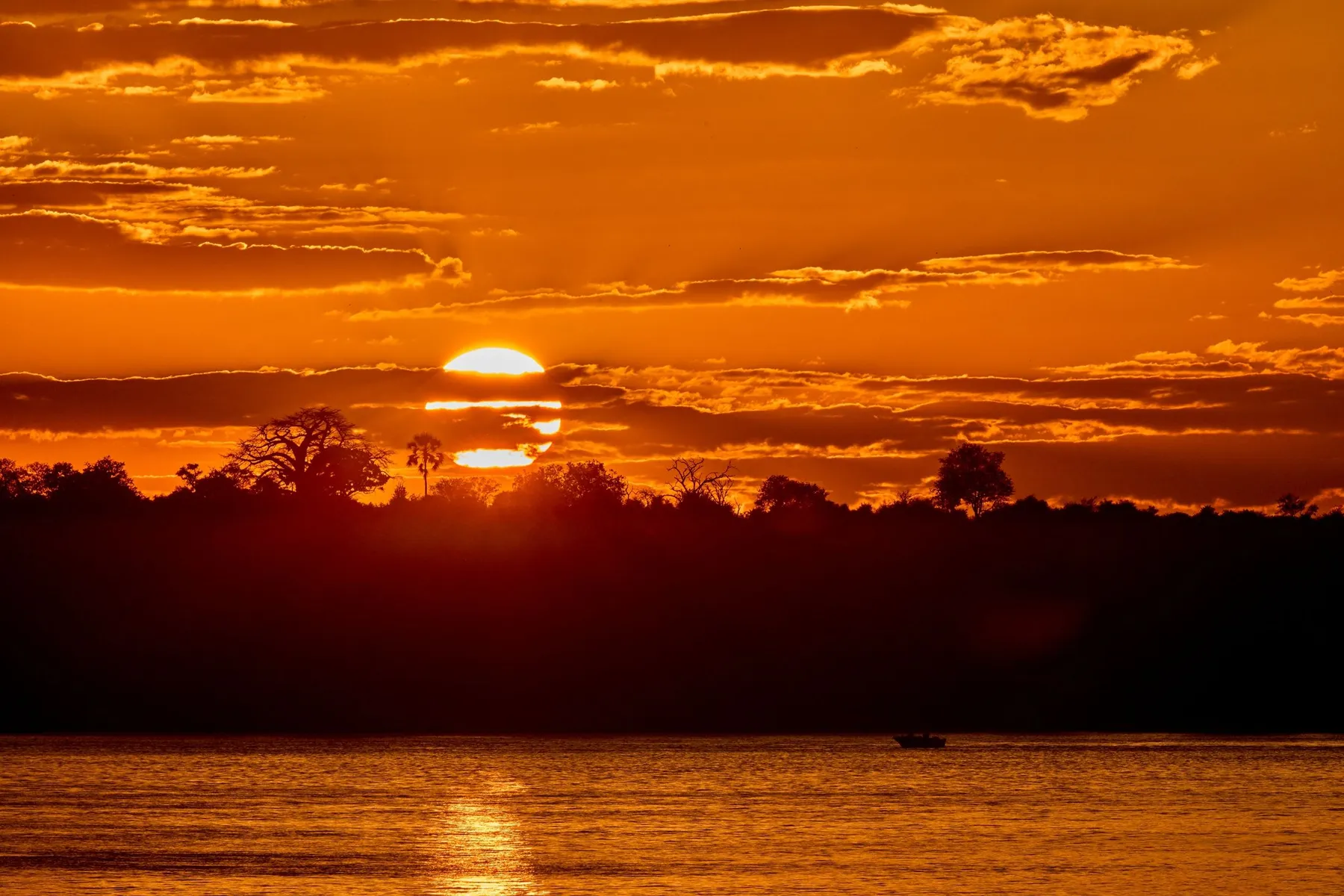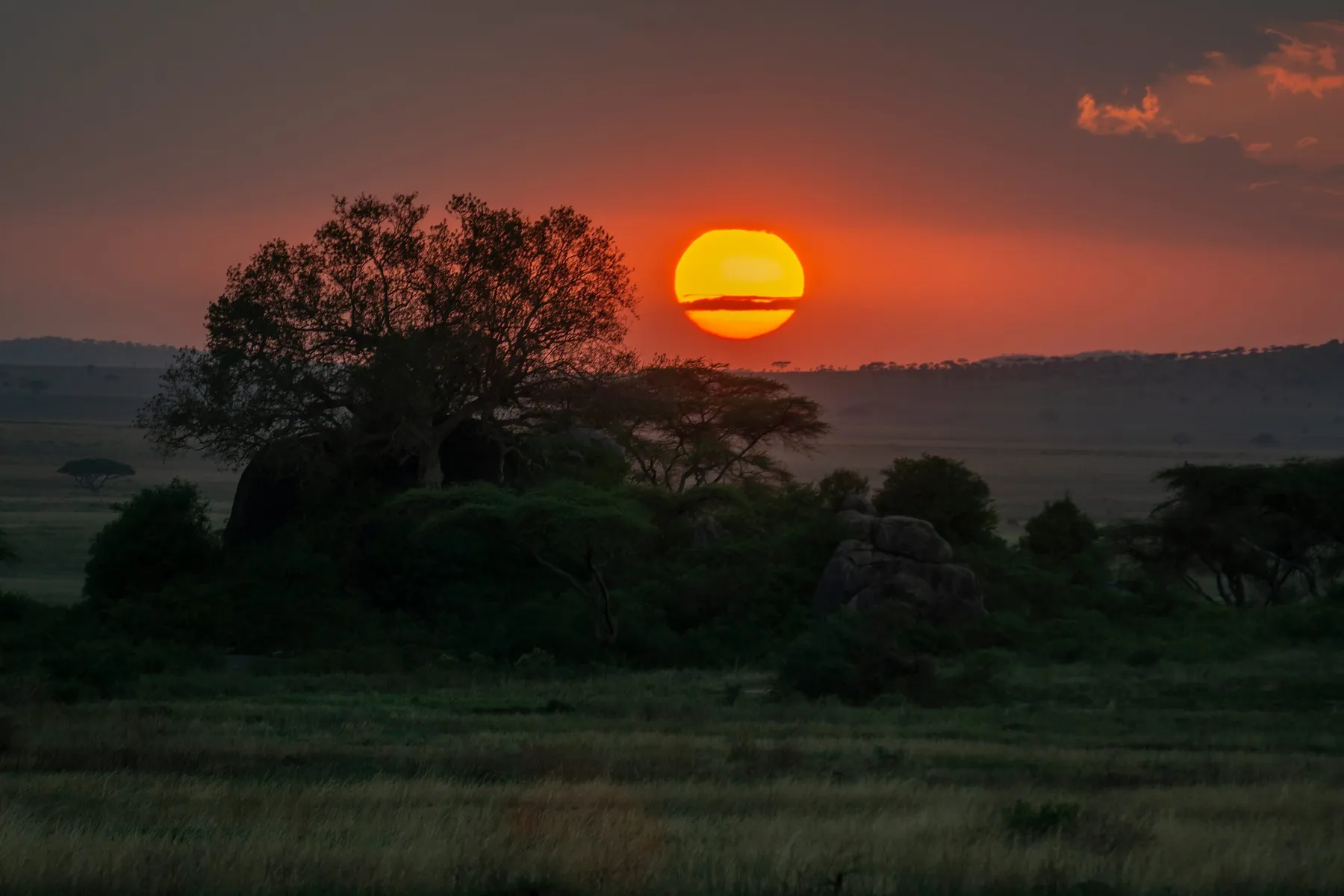
The best African safari is the one that matches what you most want to see with the month you can travel. For the Great Migration, the Serengeti and the Maasai Mara; for privacy and water, the Okavango Delta; for leopards and the easiest first safari from the US, the Sabi Sand and the Greater Kruger; for mountain gorillas, Rwanda and Uganda; and for walking, South Luangwa. These are the ten places we send our own guests, with the months each is at its best.
The best African safaris at a glance
| Safari | Country | Best for | Best months |
|---|---|---|---|
| 1. Serengeti | Tanzania | The Great Migration, big cats and endless plains | Late Jan – Feb (calving, Ndutu); Jul – Oct (Mara River) |
| 2. Maasai Mara and its conservancies | Kenya | River crossings and the densest big cats | Jul – Oct (crossings); good all year |
| 3. Okavango Delta | Botswana | Water, privacy, wild dog and big cats | May – Oct |
| 4. Sabi Sand and the Greater Kruger | South Africa | Leopards and an easy first safari | May – Oct (dry season) |
| 5. Ngorongoro Crater | Tanzania | Big Five in a single morning, and black rhino | Jun – Oct (dry, but busiest) |
| 6. Volcanoes and Bwindi | Rwanda and Uganda | Mountain gorillas | All year; easiest Jun – Sep |
| 7. South Luangwa | Zambia | Walking safaris and leopard | Jun – Oct |
| 8. Mana Pools | Zimbabwe | Canoeing and walking on the Zambezi | Jun – Oct; Sep – Oct extraordinary |
| 9. Chobe | Botswana | Elephants and river safaris | May – Oct |
| 10. Etosha | Namibia | Waterholes and space | May – Oct |
The order follows what most of our US guests ask for first, not a league table: the best safari for you depends on the month, how many nights you have and who is traveling. Our safari-by-month guide shows where each is strongest in every month.
The ten, and who each one suits
1. Serengeti, Tanzania
The definitive safari. The herds calve around Ndutu in late January and February, push through the Western Corridor in May and June, and mass on the Mara River in the north from July to October, with lion, cheetah and leopard following them all year. Best for a first safari with time, for honeymoons with Zanzibar after, and for anyone who wants the migration on its scale. Read the Serengeti guide.
2. Maasai Mara and its conservancies, Kenya
From July to October the migration masses here and the river crossings draw the world, but the Mara is magnificent in any month. The private conservancies around the reserve allow what the reserve does not: off-road driving, night drives, walking with a guide and strict limits on vehicles per sighting. Best for a compact first safari and for big cats. See also private conservancies. Read the Maasai Mara and its conservancies guide.
3. Okavango Delta, Botswana
Africa’s great water wilderness: mokoro rides through the channels, big cats and wild dog, and fly-in camps with very few other vehicles. May to October brings the dry season and the annual flood together, with the best wildlife and the highest water. Botswana is deliberately the most expensive country per night in Africa, so it is often best as a second safari. Read the Okavango Delta guide.
4. Sabi Sand and the Greater Kruger, South Africa
Some of the world’s best leopard viewing, legendary private lodges and easy flights from Johannesburg, so the Big Five is possible in a few nights and Cape Town follows naturally. The Kruger lowveld carries a low, seasonal malaria risk; for young children, the malaria-free Madikwe and Eastern Cape reserves give the same Big Five without it. Read the Sabi Sand and the Greater Kruger guide.
5. Ngorongoro Crater, Tanzania
Big Five game viewing inside a collapsed volcano, with black rhino on the crater floor. June to October brings short grass and easy sightings but the most vehicles; a descent at first light from a crater-rim lodge is the way to beat them. Usually one day of a northern Tanzania safari rather than a trip on its own. Read the Ngorongoro Crater guide.
6. Volcanoes and Bwindi, Rwanda and Uganda
One hour with a mountain gorilla family, at close range, is unlike anything else in Africa. Permits are USD 1,500 in Rwanda and USD 800 in Uganda, the minimum age is 15, and trekking runs all year, easiest in the long dry season of June to September. Most guests add two or three nights here to an East African safari. Read the Volcanoes and Bwindi guide.
7. South Luangwa, Zambia
The birthplace of the walking safari, with Africa’s highest density of leopard and some of its finest guides. The oxbow lagoons concentrate wildlife spectacularly in the dry season, and owner-run camps keep it personal and unhurried. One of the best-value great safaris on the continent. Read the South Luangwa guide.
8. Mana Pools, Zimbabwe
Canoeing the Zambezi past elephant and hippo and walking in a UNESCO wilderness, with Zimbabwe’s wildest camps. From June to October the floodplain dries and wildlife lives on the river, and September and October are extraordinary. Canoeing usually has a minimum age of 16. Read the Mana Pools guide.
9. Chobe, Botswana
Northern Botswana holds the largest elephant population on earth, an estimated 120,000, and in the dry season they mass along the Chobe River in herds that stretch to the horizon. Sunset river cruises are the signature, and Chobe pairs naturally with the Okavango and Victoria Falls next door. Read the Chobe guide.
10. Etosha, Namibia
In the dry season everything comes to Etosha’s waterholes, including floodlit waterholes after dark, so the wildlife does the work for you. It is the anchor of a Namibia journey that adds the dunes of Sossusvlei and the desert coast, and a different kind of safari from the East African plains. Read the Etosha guide.
Which African country has the best safari?
Tanzania and Kenya for the Great Migration and the classic East African safari; Botswana for privacy, water and very few vehicles; South Africa for the easiest first trip from the US, short flights and malaria-free reserves for young children; Rwanda and Uganda for the gorillas; Zambia and Zimbabwe for walking and canoeing. If this is your first safari, our guide to the best country for a first safari sets out how we decide on a first call, and the Tanzania versus South Africa and Kenya versus South Africa comparisons go further.
Which month is best?
June to October, the dry season, is the best all-round window across most of East and Southern Africa: short grass, animals gathered at water, and the Mara River crossings from July. January and February are the calving season in the southern Serengeti, and the green months bring lower prices and fewer vehicles. Our month-by-month guide to the best time for a safari covers every region.
Which is the safest country for a safari?
No country is risk-free, and no honest operator should promise otherwise. Every place in this guide is one we send our own guests to. On a private safari you travel with a professional guide and a team on the ground around the clock, and before you go we check the current US State Department advisory for every country on your route. Our guide to whether an African safari is safe covers wildlife, health and travel safety in detail.
What the best safaris cost
Every journey is priced to your budget. As a guide, luxury safari camps and lodges typically run from about $1,000 to $3,000 or more per person per night, depending on the camp, its location and the season, and the June to October peak costs noticeably more than the green season. Botswana sits toward the upper end of that range by design; Tanzania, Kenya and South Africa offer the widest choice. Our private journeys begin at approximately $12,000 per person, excluding international flights, and our safari cost guide explains what moves the number. To choose who plans it, read how we compare.
Best African safari questions
Which African country has the best safari?
It depends on what you want to see. Tanzania and Kenya have the Great Migration and the densest big cats; Botswana has the most private, water-based wilderness; South Africa is the easiest first safari from the US, with malaria-free options for young children; Rwanda and Uganda have the mountain gorillas; and Zambia and Zimbabwe are the best for walking and canoe safaris.
Which month is best for an African safari?
June to October, the dry season, is the best all-round window across most of East and Southern Africa, and it brings the Mara River crossings from July. January and February are best for the calving season in the southern Serengeti, and gorilla trekking runs all year, easiest in the June to September dry season.
Which is the safest country in Africa for a safari?
No country is risk-free, and no honest operator should promise otherwise. The countries in this guide are the ones we send our own guests to: on a private safari you travel with a professional guide and a team on the ground around the clock, and we check the current US State Department advisory for every country on your route before you travel.
What is the best company for an African safari?
The one that plans the trip around you, shows you exactly what you are paying for and stands behind it. Ask who will plan your trip and what they have seen first-hand, ask for one itemized quotation, and, if you are in California, ask for the company’s Seller of Travel number.
How much does one of the best African safaris cost?
Every journey is priced to your budget. As a guide, luxury safari camps and lodges typically run from about $1,000 to $3,000 or more per person per night, depending on the camp, its location and the season, and Botswana sits toward the upper end. Our private journeys begin at approximately $12,000 per person, excluding international flights.
Written and reviewed by Evance & Jennifer · Published 7 October 2026