A first safari is one of the most rewarding journeys you can take — and a little knowledge makes it even better. This guide walks you through the essentials, from where to go to what a day in the bush actually looks like. It is written by NndeeAfrika, a US-based safari planner: we design every journey privately from California, travel to the camps ourselves, and the advice here is what we would tell you on a first call. Our luxury African safaris are built around exactly these first-trip decisions.
Five decisions, in order
Most first safaris come together in this sequence. Each step links to the guide that answers it.
- When can you travel? The month decides where the wildlife is: best time to visit Africa.
- Which country? For a first safari it is usually Kenya or Tanzania; browse all destinations.
- How long? How long a safari should be.
- What will it cost, and what is included? The cost guide and what is included.
- Private or group? Private vs group safaris. Then request your complimentary consultation and we take it from there.
Prefer it on paper? Download the Safari Planning Guide (PDF), five pages, no email address required. Which country is best for a first safari?
Choosing a destination
For a first safari, East Africa (Kenya and Tanzania) is hard to beat for sheer density and variety of wildlife and the spectacle of the Great Migration. Southern Africa (Botswana, South Africa, Zambia) offers superb, less crowded game viewing and excellent malaria-free options in parts of South Africa. We match the destination to your interests, season and time available.
Private vs group, fly-in vs road
A private safari — your own guide and vehicle — gives you complete flexibility over timing and pace, and is the heart of the luxury experience. Light-aircraft transfers between camps save hours of driving and add a spectacular aerial view; road transfers cost less and let you see the country in between. Traveling later in life? Our guide to the best African safaris for seniors explains how to plan for comfort and pace.
A typical day on safari
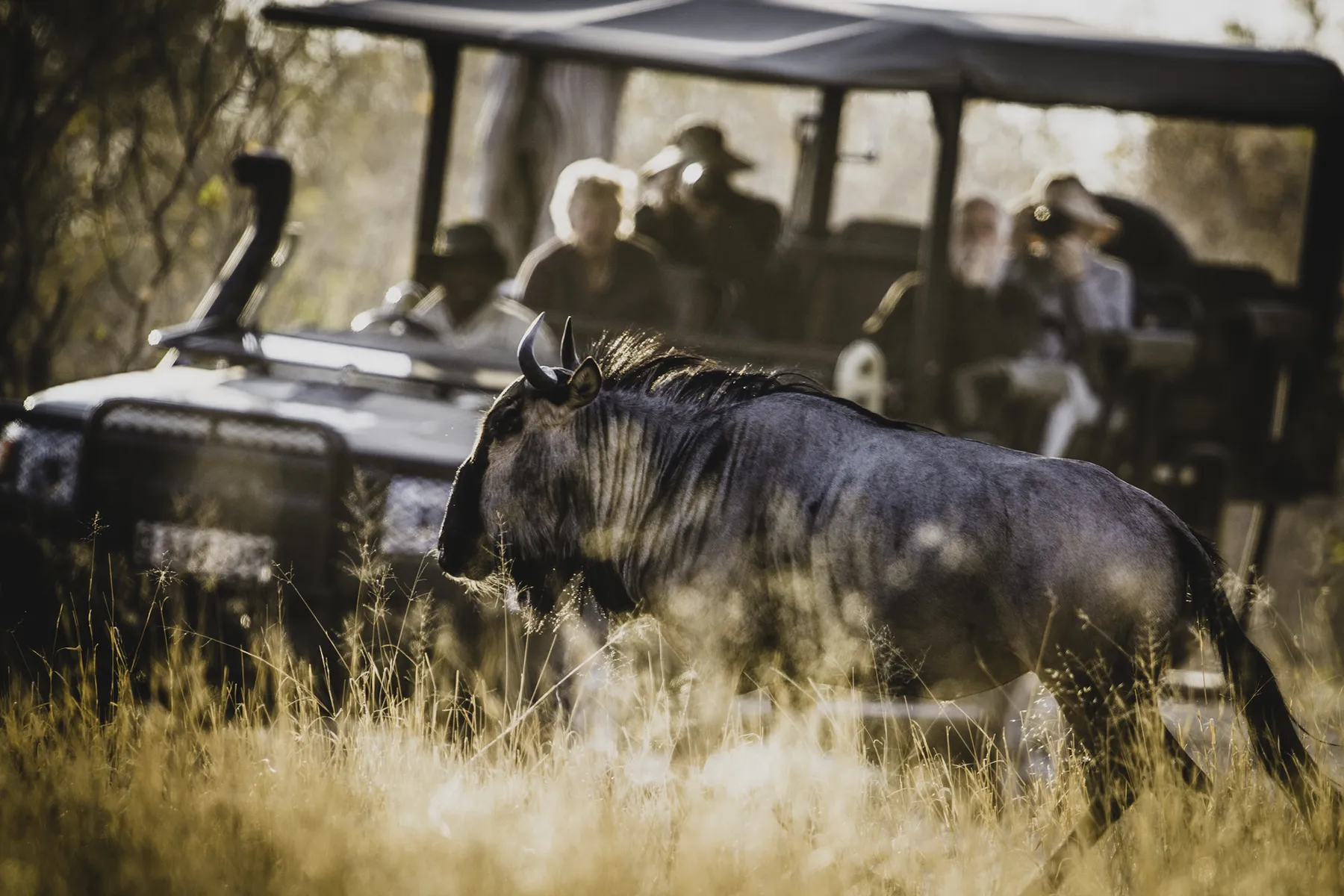
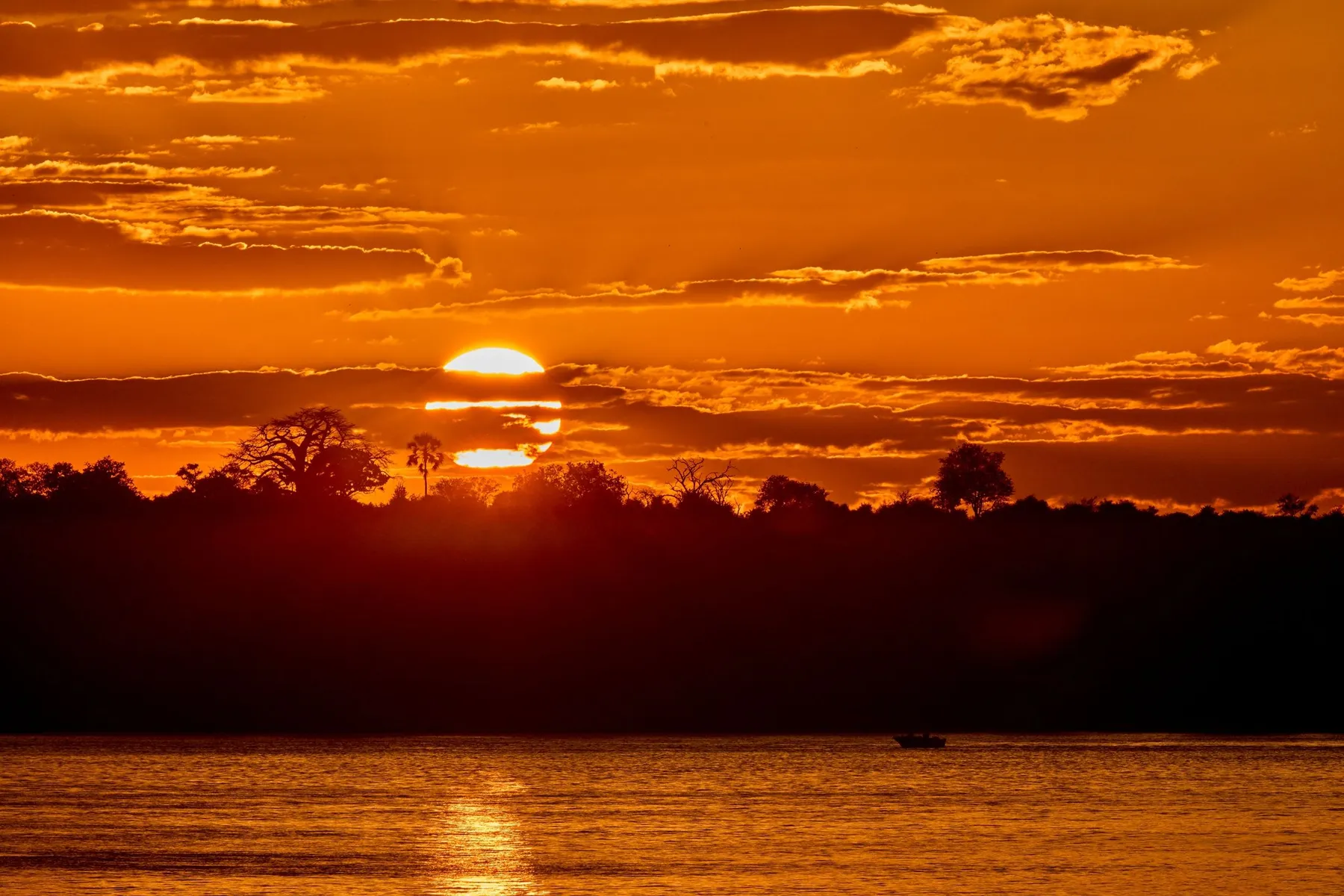
Days follow the wildlife. You wake before dawn for the first game drive when animals are most active, return for a leisurely brunch, then rest through the heat of the day. The afternoon drive runs into golden light and sundowners in the bush, before dinner under the stars. It is active but unhurried, and endlessly varied.
Health & safety
Safaris are very safe when you travel with experienced guides. Much of the safari region is a malaria area, so antimalarial precautions and insect repellent are advised — though some South African reserves are malaria-free. Check that routine vaccinations are up to date, and carry a yellow-fever certificate if your itinerary requires one. We confirm the specifics for your trip.
Money, tipping & connectivity
US dollars are widely accepted; bring some cash for tips and incidentals. Tipping is at your discretion — most guests allow about $20–25 per person per day for guides and camp staff. Most luxury camps have Wi-Fi, though it can be limited — part of the appeal is genuinely switching off.
When to go: the four windows
There is no bad month — only the wrong place for the month you have. A first safari is planned backwards from one decision: the month you can travel. Everything else — the country, the camps, the price — follows from it.
June – October
The classic dry season everywhere: peak game viewing, Mara river crossings July–September, cloudless skies. Books out furthest ahead.
January – March
Calving season on the southern Serengeti — half a million newborns and the predators that follow. Superb light, fewer vehicles.
April – May & November
The green seasons: emerald landscapes, the gentlest rates, Africa nearly to yourself. Showers pass in an afternoon.
December
Festive season: southern Serengeti, Cape Town summer, prime beach weather. Wonderful — and it sells out first.
How long, and how far ahead
Seven to ten nights on the ground is the first-safari sweet spot — two or three camps, never one-night stands. Add three or four beach nights if you can.
The best small camps hold 8–16 rooms and sell out 9–12 months ahead for peak season. Book 12+ months out for July–October or Christmas; 4–6 months can work for green-season travel. Gorilla permits are strictly limited — the earlier the better.
What drives the cost
Every journey is tailor-made and quoted privately — but the levers are always the same: season (the same camp can differ dramatically between peak and green season), exclusivity (private concessions cost more than national-park lodges, and are worth it), internal flights (bush planes between camps save whole days), and camp size (the smaller, the more personal — and the dearer).
One bespoke figure — every lodge named night by night, all internal flights and transfers, park fees and permits, and a 24/7 line to us while you travel. Optional extras and changes are agreed with you in writing before they are added. For real numbers, see our safari cost guide.
Three questions to ask any safari company
“Have you personally stayed where you’re sending me?”
“Who exactly manages my trip from inquiry to homecoming — and will I ever be handed off?”
“What happens, specifically, if a flight is missed mid-trip?”
Ask us too — the answers tell you everything about how the journey will feel.
Packing, in one paragraph
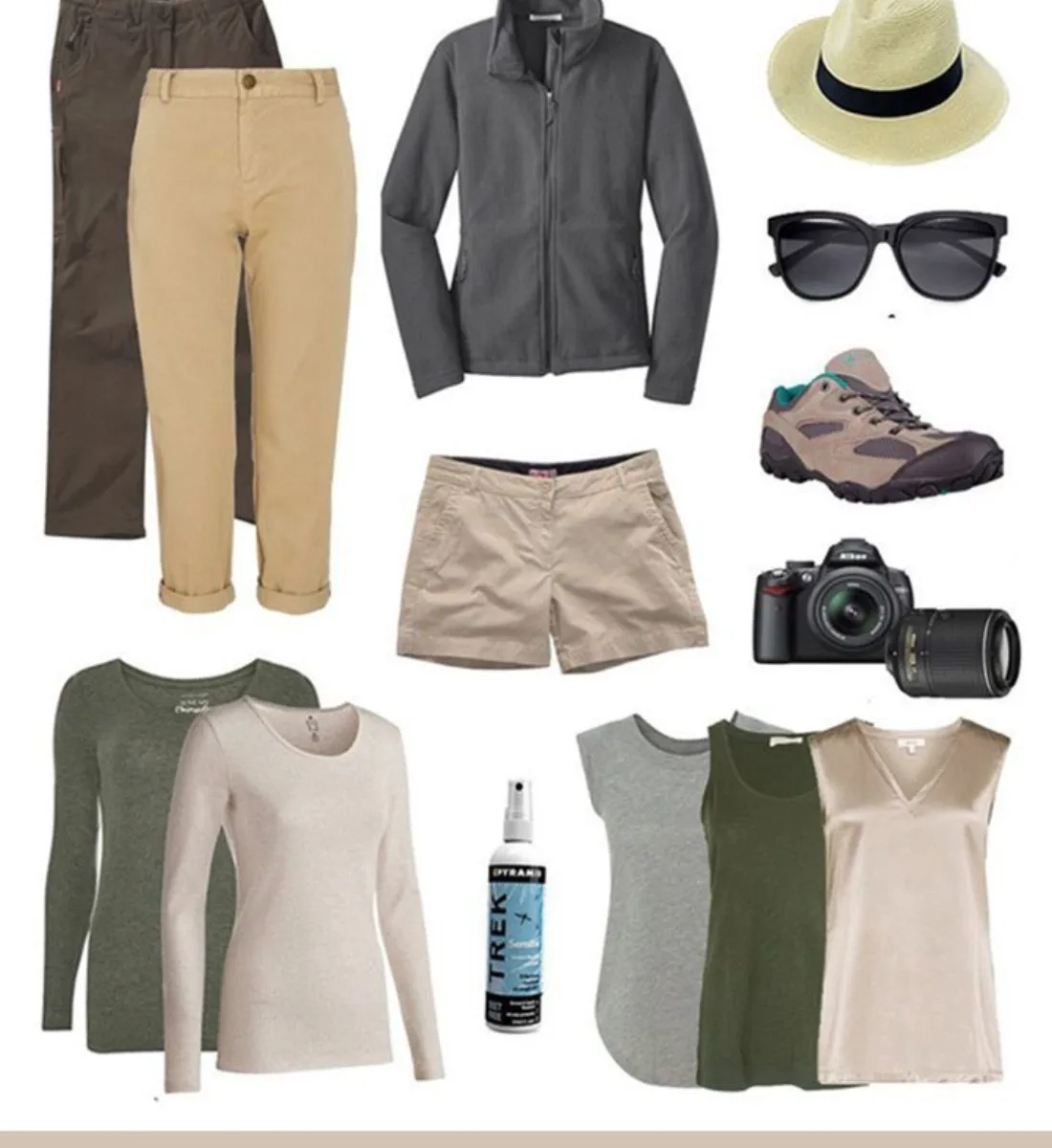
A soft duffel bag (bush planes refuse hard cases), 33 lbs / 15 kg on most bush flights — sometimes less, so we confirm your exact allowance. Neutral colors; skip bright white, and skip dark blue and black where tsetse flies live, since those colors attract them. Layers for cold mornings and warm afternoons, binoculars for each of you, and half the clothes you think — nearly every camp does laundry within a day. The full packing list goes deeper.
Booking ahead
The best camps and guides — and gorilla permits — are limited and book up months in advance, especially for peak season. We recommend planning six to twelve months ahead for the widest choice.