You can see a lion from a modest camp’s vehicle and from a flagship lodge’s. So what does the difference actually buy? Having guided and planned at every level, here is the honest answer — including where it stops being worth it.
What the money really buys
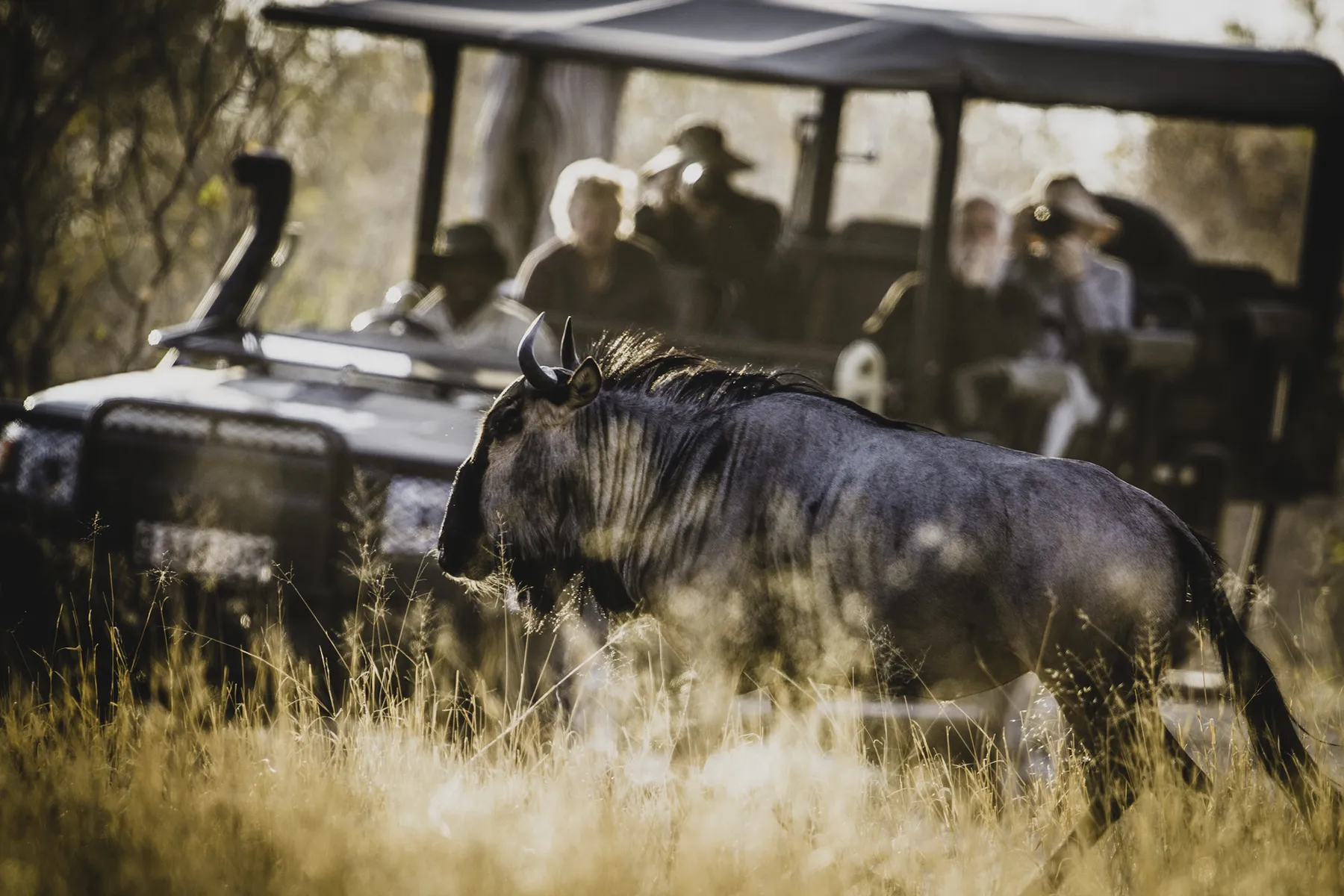
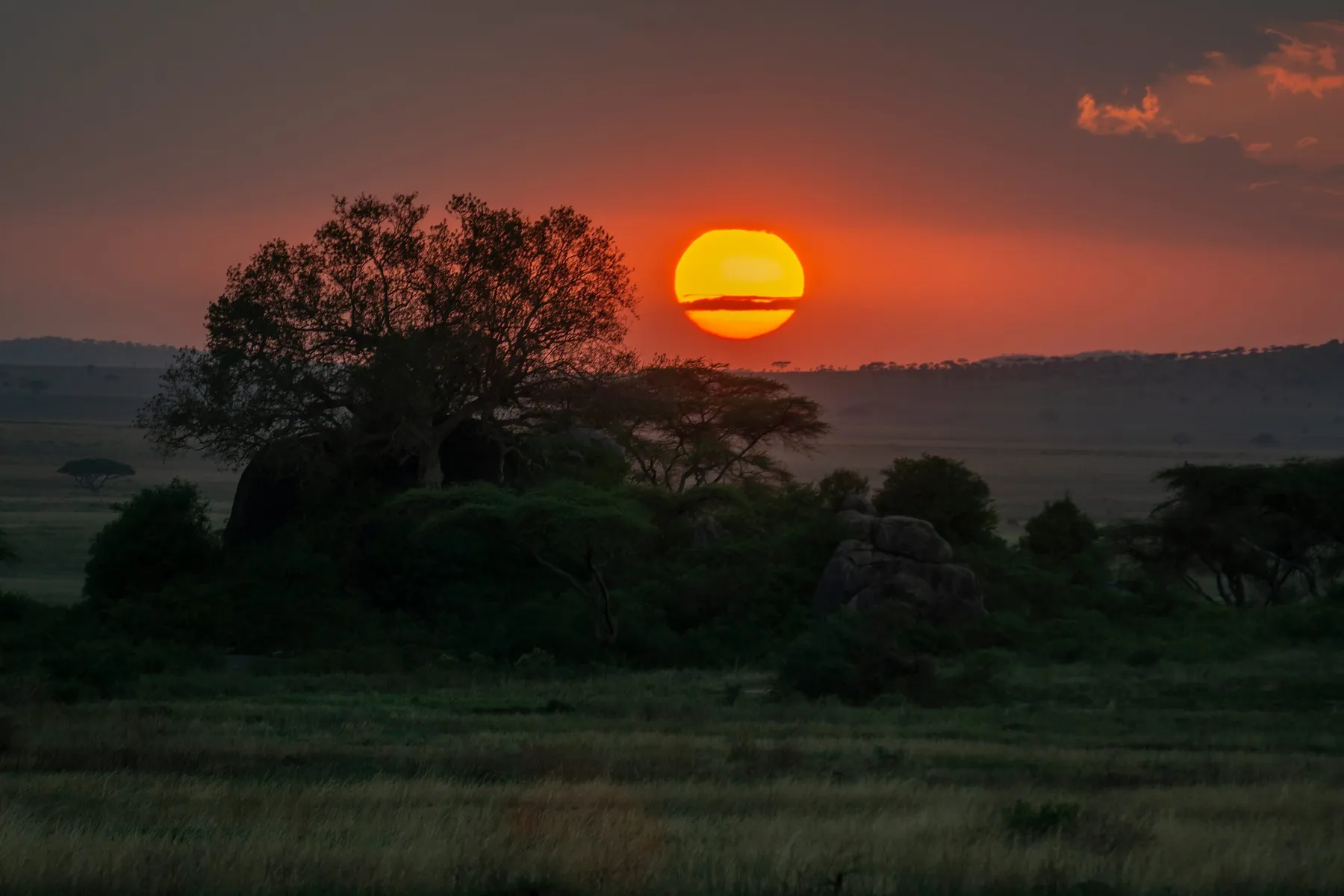
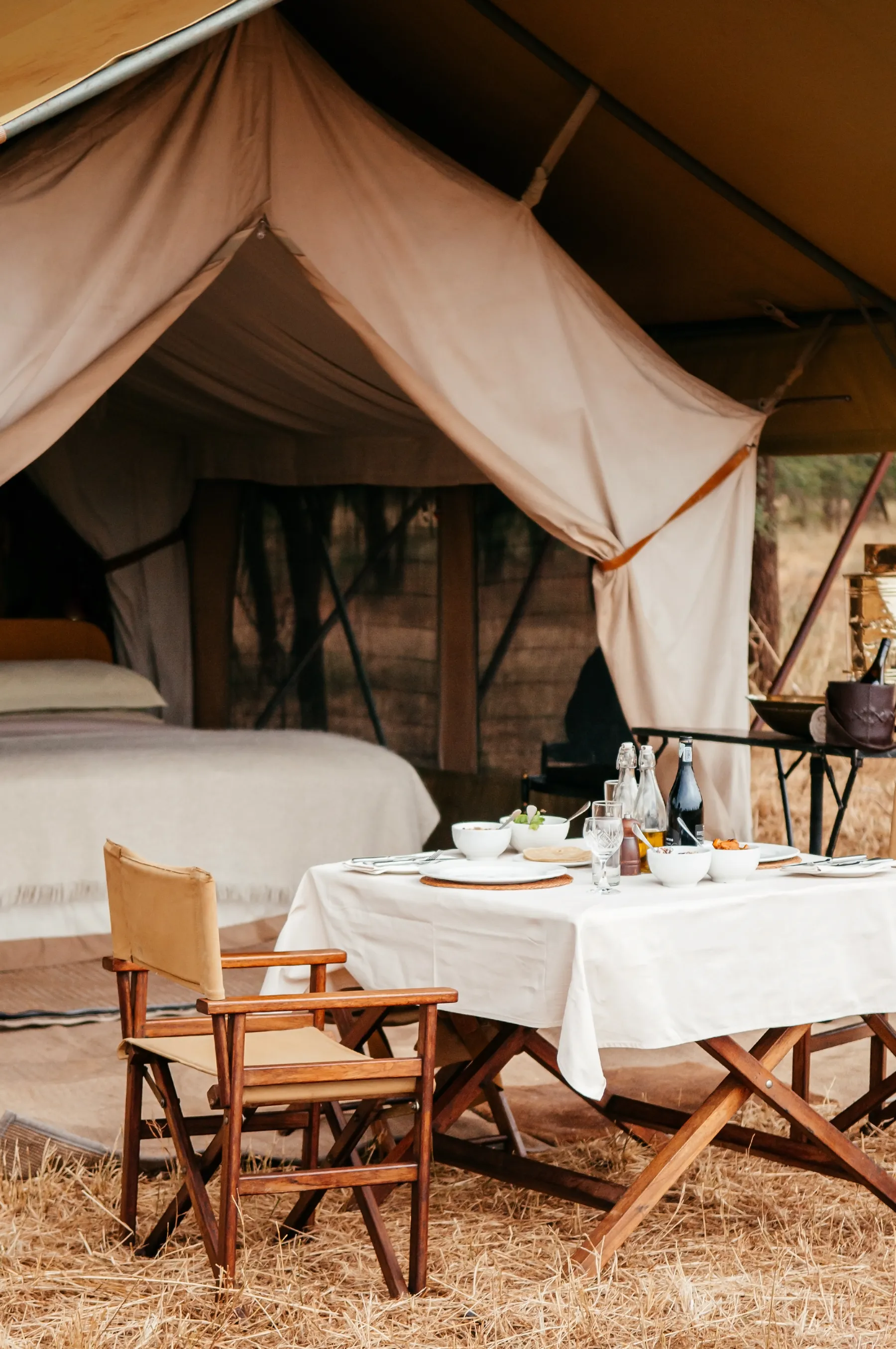
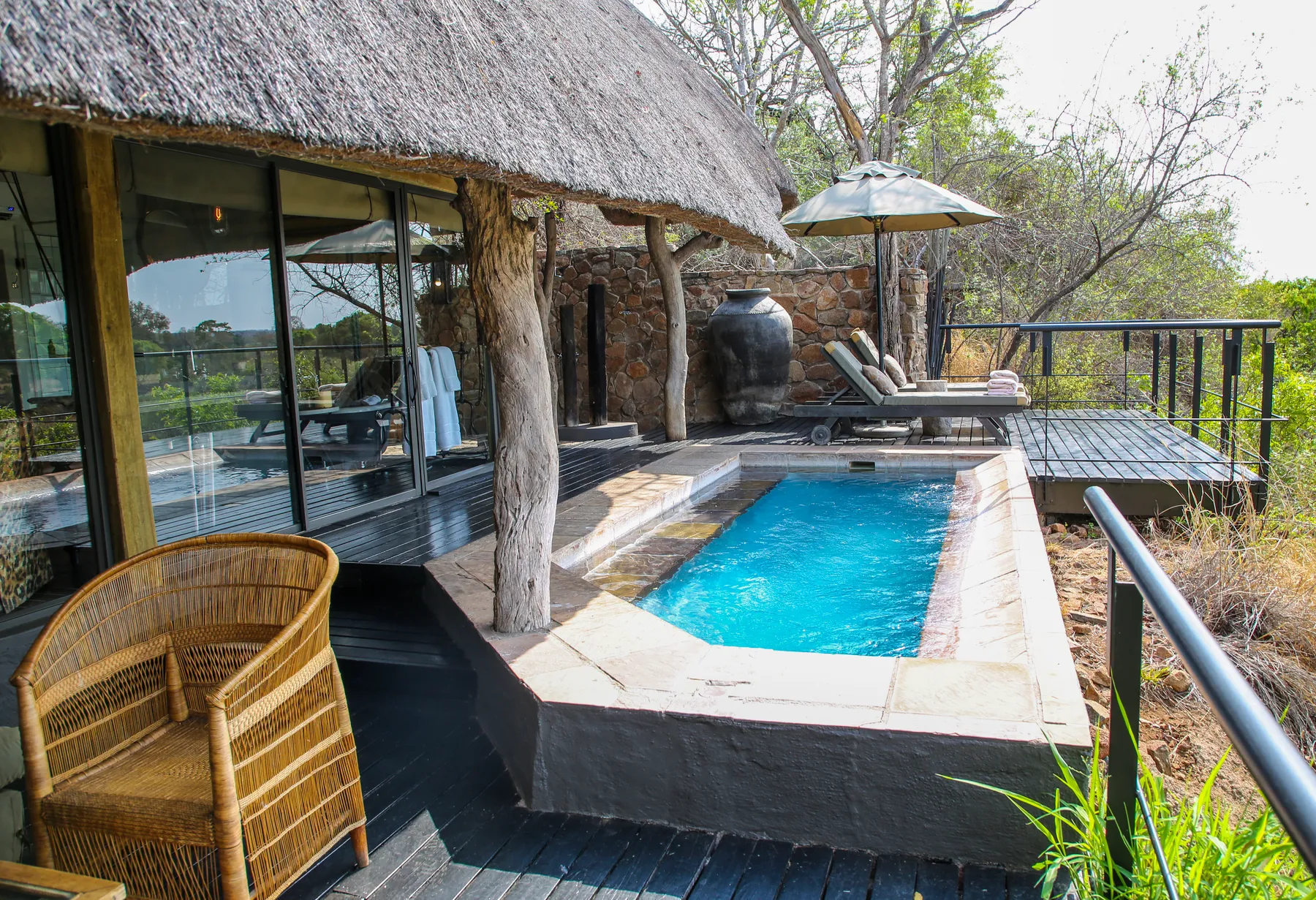
The short answer: yes — if what you are buying is access, guiding and privacy rather than décor. Not thread count. The real difference is access and expertise: private concessions where yours is often the only vehicle at the sighting (and off-road driving is legal), guides at the top of their profession who read the bush like a newspaper, camps positioned where the wildlife is rather than where the crowds park, and light aircraft that turn a six-hour drive into forty scenic minutes. That logic reaches its conclusion in high-end safaris built on exclusive use and private guiding. As a rule of thumb, private NndeeAfrika journeys begin at approximately $12,000 per person, excluding international flights — the full picture lives on our luxury African safaris pages.
- —A great guide transforms every single hour of the trip
- —Private concessions: no minibus circles at your leopard
- —Position: the best camps sit on the river, the marsh, the crossing
- —Time: fly-in routing gives you back whole days
Where we would tell you to spend less
Honesty is cheaper than regret. If you will spend every hour out driving, the ultra-luxe suite is wasted — put the money into a private vehicle instead. If you travel in the green season, mid-tier camps deliver ninety percent of the peak-season magic. And first-timers overwhelmed by choice do not need the most expensive camp — they need the right one.
The verdict
For most travelers a safari is a once-or-twice-in-a-lifetime journey measured against decades of anticipation. The version with the brilliant guide, the empty sighting and the camp in exactly the right place is the one you will still be describing at dinner in twenty years. That — not the pillow menu — is what the money is for.
Related: Affordable luxury safari: where to save and where not to.