
All Five, First Time
Amboseli’s elephants, rhino tracking in a Laikipia conservancy, and lion and leopard in a private Maasai Mara conservancy.
View the Kenya journey →Written and reviewed by Evance & Jennifer, NndeeAfrika’s founders · Reviewed 18 October 2026
A Big Five safari is a journey planned to give you the best chance of seeing all five. The Big Five (often written Big 5) — lion, leopard, elephant, Cape buffalo and rhino — are the most iconic animals of the African bush, and seeing them is the centerpiece of any classic safari. The name comes from the old hunting era, when these were the five most dangerous animals to track on foot; today they are the five most prized sightings through a camera lens.
No single park guarantees all five, so the route matters. We place you in the reserves and seasons where your chances are highest — private conservancies where guides can drive off-road to a leopard, crater floors where rhino still graze in the open — with expert guides who know exactly where to find them.
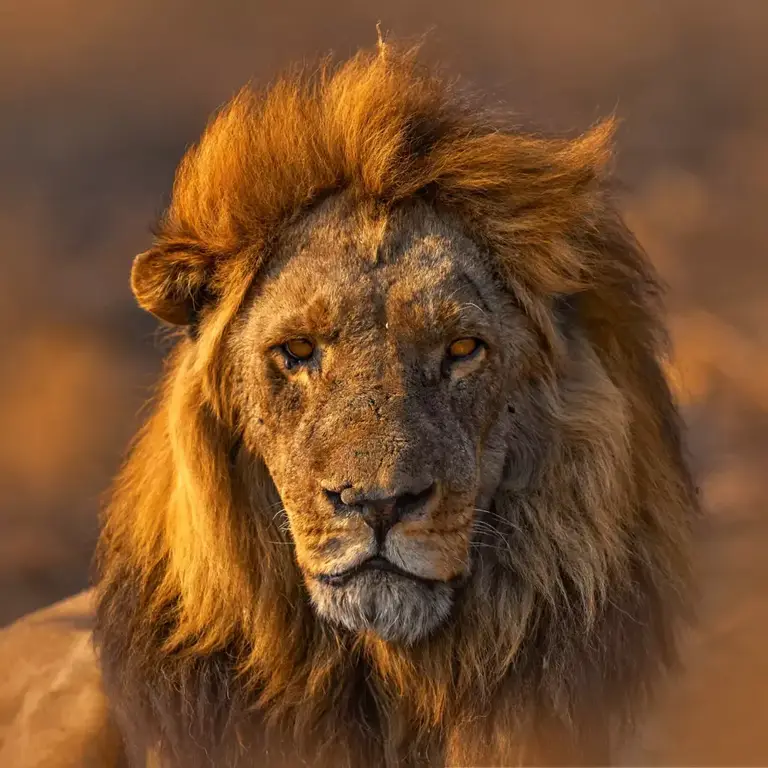
Africa’s apex predator — prides, coalitions and the roar that carries five miles.
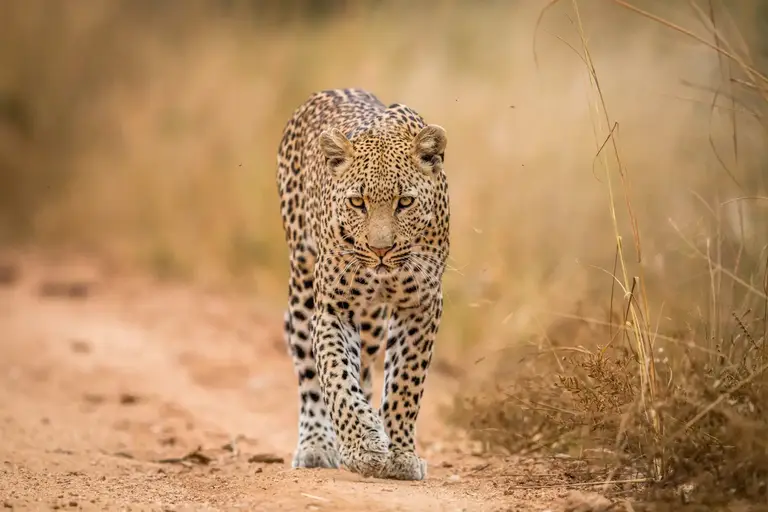
Explore The Lion →The most elusive of the five — solitary, nocturnal and electric when found.
Explore The Leopard →The largest land animal on earth, led by matriarchs with decades of memory.
Explore The Elephant →Black and white — the rarest of the five, and a living conservation story.
Explore The Rhino →Most Big Five lists tell you the animals. This is the part travelers ask us about once they have read the list — where the sightings are genuinely reliable, and where we would spend the money differently.
If seeing all five matters more than anything else, we point people at South Africa’s Sabi Sand first. Leopard is the animal that breaks most Big Five attempts, and the Sabi Sand’s habituated leopards make it the most dependable place on the continent to see one properly rather than as a shape in the dark. Rhino is also more reliably seen in South Africa than in most of East Africa.
In East Africa, the Ngorongoro Crater is the single best chance of all five in one day — it holds one of the last reliable black rhino populations. But we are honest with guests: a Crater day is one day. Pair it with the Serengeti or the Maasai Mara for the rest.
First-time safari travelers who want a clear goal, families who like the shared challenge of a checklist, and photographers who want leopard at close range. It suits people who are happy to move between two or three areas rather than settle in one camp.
We would not build an entire trip around the checklist. Guests who chase all five in six nights spend their time driving between sightings instead of watching them. Given the choice we add a night rather than a park, and we put the saved money into a private vehicle — on a Big Five trip, being able to stay at a leopard sighting for another forty minutes is worth more than a larger suite.
We would also not promise five. Anyone who guarantees it is selling something. Rhino in particular is a matter of luck and anti-poaching realities that change year to year.
How many nights do you need? Realistically, seven to nine nights across two well-chosen reserves gives you a comfortable shot at all five — three or four nights somewhere leopard is dependable, then three or four where rhino and open-plains game are strong. Five nights can do it in the right pair of camps; six nights spread over three parks usually cannot, because the driving eats the sightings.
Flights from the US run overnight, so plan a recovery night before your first game drive. Entry, vaccination and insurance requirements differ by route — they are set out in our safari planning guide, and we confirm what applies to your exact journey in writing before you travel.
Private, tailor-made Big Five journeys begin at approximately $12,000 per person. See our safari cost guide for the full breakdown, or tell us what you want to see.
Written by Evance and Jennifer, co-founders of NndeeAfrika. Evance was born and raised in Tanzania with 15+ years in hospitality and tourism, in hotels and as a luxury African travel advisor; Jennifer plans from California and is your US-based contact. Last reviewed August 2026. Park fees, permit rules and entry requirements change — we reconfirm them for your dates before you book.
All five can be found across East and Southern Africa, but a handful of places offer particularly strong chances of seeing several or all of the Big Five. Here is where we send Big Five travelers, and why.
The surest Big Five of all. The private Sabi Sand reserves deliver leopard viewing with few rivals anywhere on earth, plus lion, elephant, buffalo and rhino on off-road drives.
Explore South Africa → Eastern AfricaThe Ngorongoro Crater holds all five within a single volcanic caldera, the most concentrated Big Five viewing in East Africa, often before lunch.
Explore Tanzania → Eastern AfricaThe Maasai Mara is big-cat country at its finest, with elephant and buffalo in easy reach; add a Laikipia rhino conservancy to complete the five.
Explore Kenya → Southern AfricaWild, low-density and exclusive. Chobe's vast elephant herds and the Delta's big cats make Botswana a connoisseur's Big Five.
Explore Botswana → Southern AfricaEtosha’s floodlit waterholes put black rhino, lion and elephant in front of you after dark — four of the five in desert country, with leopard the scarce one.
Explore Namibia →No single reserve is strongest for all five. This is how we match a traveler’s priority to a destination.
| Country | Core areas | Strongest for | Best for |
|---|---|---|---|
| South Africa | Kruger & Sabi Sand | Leopard, rhino, lion | The most reliable all five, in the shortest time |
| Tanzania | Serengeti & Ngorongoro | Lion, elephant, buffalo | All five inside one caldera; the migration alongside |
| Kenya | Maasai Mara & Laikipia | Lion, leopard, rhino | Big cats at density, plus rhino conservancies |
| Botswana | Okavango & Chobe | Elephant, leopard, buffalo | Water-based safari and very few vehicles |
| Namibia | Etosha | Rhino, elephant, lion | Floodlit waterholes and desert-adapted wildlife |
Rhino and leopard are the two that decide an itinerary. Everything else follows from them.
Our guide to typical sighting chances in the right season. Nothing in the wild is ever guaranteed.
| Area | Lion | Leopard | Elephant | Buffalo | Rhino |
|---|---|---|---|---|---|
| Sabi Sand, South Africa | Excellent | Excellent | Good | Good | Possible |
| Kruger National Park, South Africa | Good | Good | Excellent | Excellent | Possible |
| Ngorongoro Crater, Tanzania | Excellent | Rare | Good | Excellent | Good |
| Maasai Mara & Laikipia, Kenya | Excellent | Good | Excellent | Excellent | Good (Laikipia) |
| Okavango Delta & Moremi, Botswana | Excellent | Good | Excellent | Excellent | Rare |
| Etosha, Namibia | Good | Possible | Excellent | Absent | Excellent |
Each of the five has its strongholds and its season. Here is where — and when — your chances of finding them are best. For the species detail on each animal, see our guide to the Big Five safari animals.
Africa’s apex predator lives in prides of up to 30 and is most active at dawn and dusk. Open grassland reserves with big prey herds hold the highest densities.
Our insightSit with a pride rather than move on. The first ten minutes are lions sleeping; the hour after is when something happens.
Maasai Mara & Serengeti, Sabi Sand, Okavango Delta
Year-round; dry season (Jun–Oct) for the easiest sightings
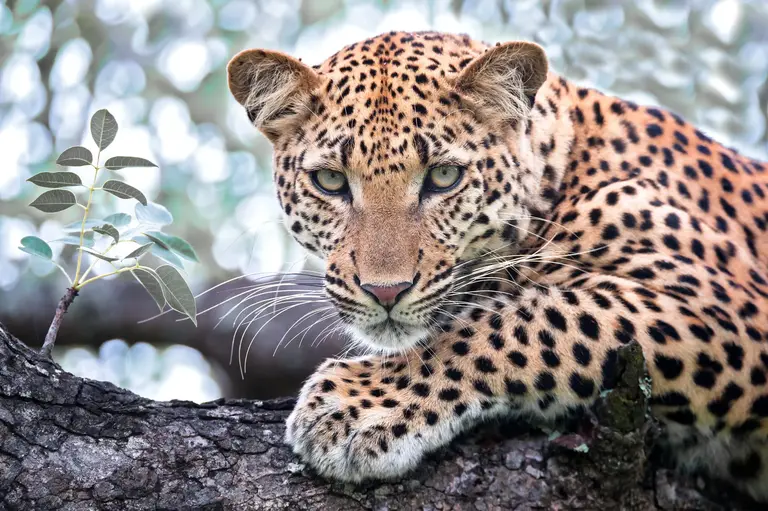
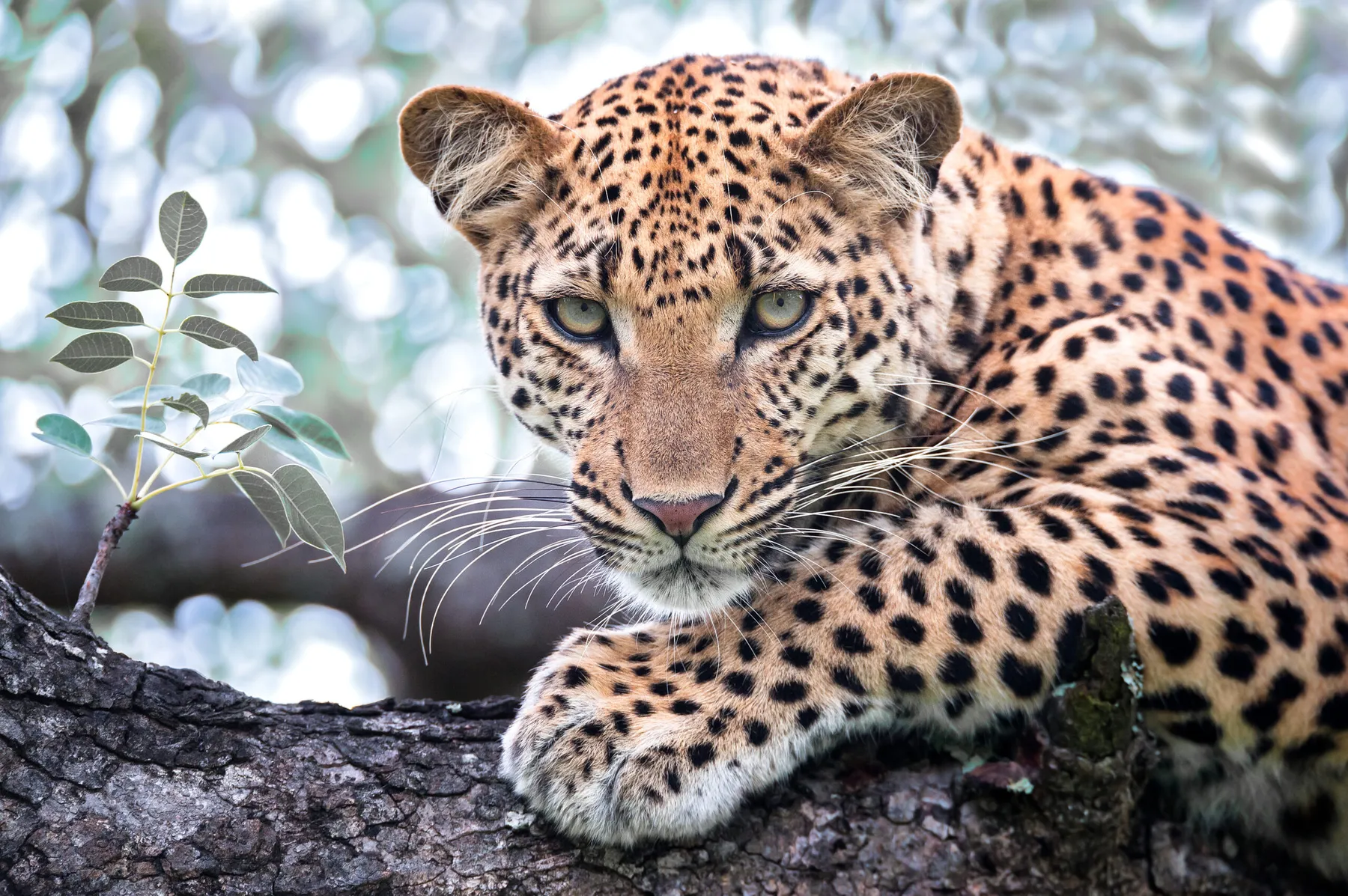
The most elusive of the five — solitary, mostly nocturnal and superbly camouflaged. Private reserves that allow off-road and night drives transform your odds.
Our insightChoose a reserve that permits off-road driving. In a national park a leopard two hundred meters off the track is a distant shape; in a private concession it is a sighting.
Sabi Sand (arguably the world’s best), South Luangwa, Samburu
Year-round; dry months thin the cover
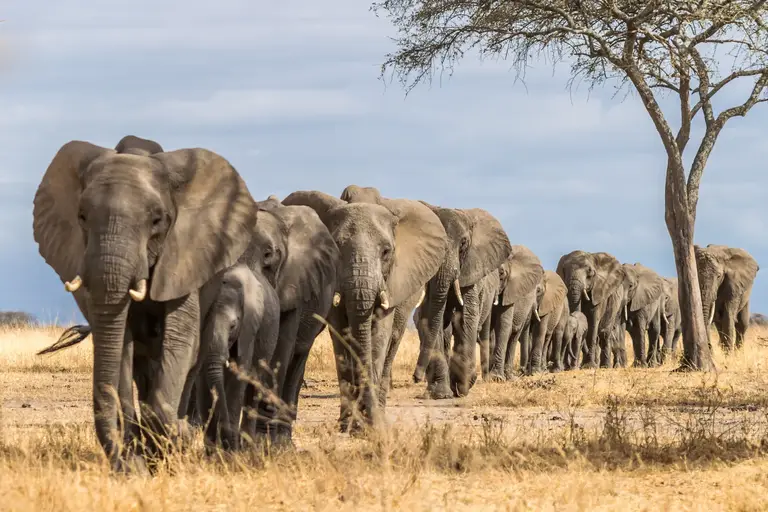
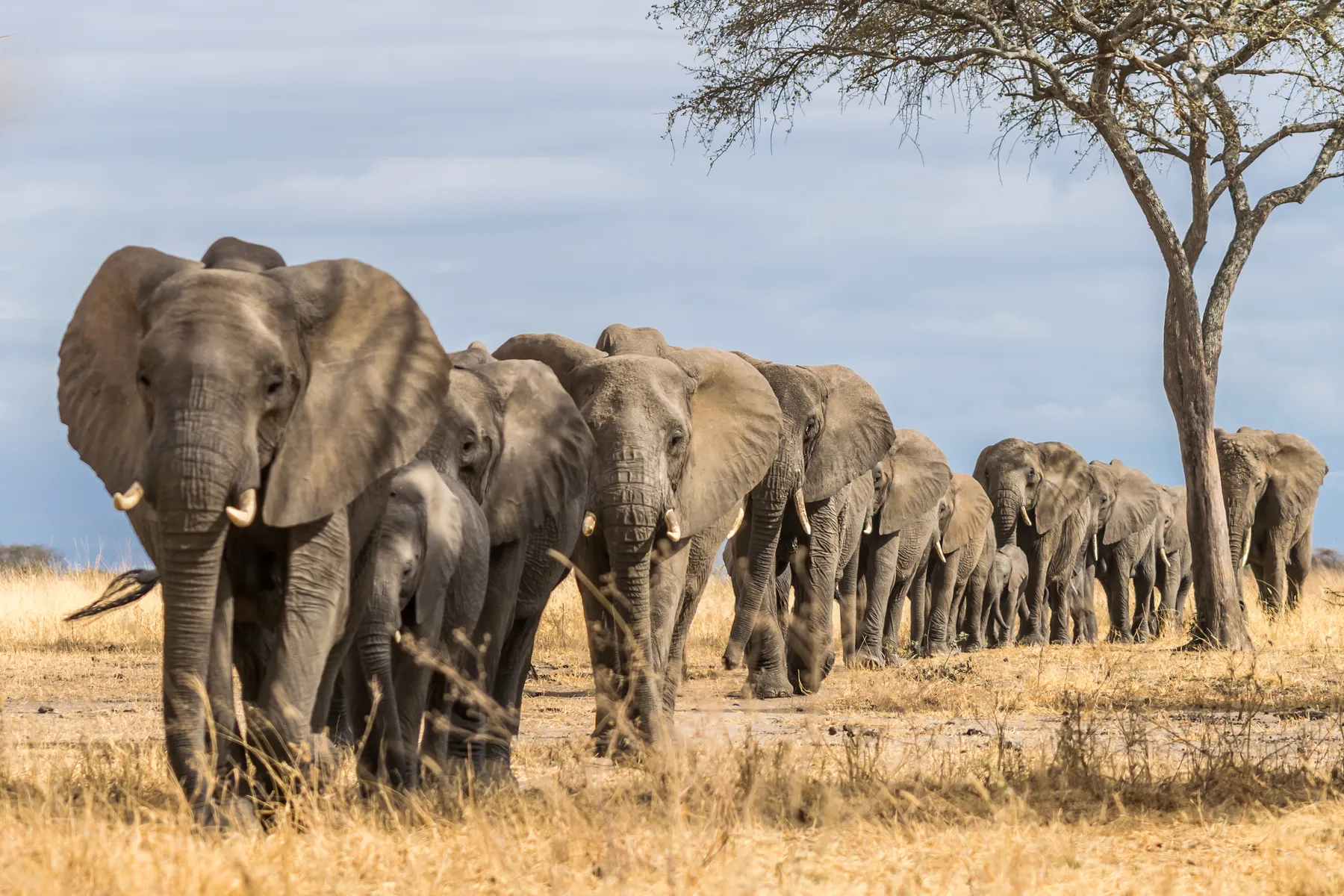
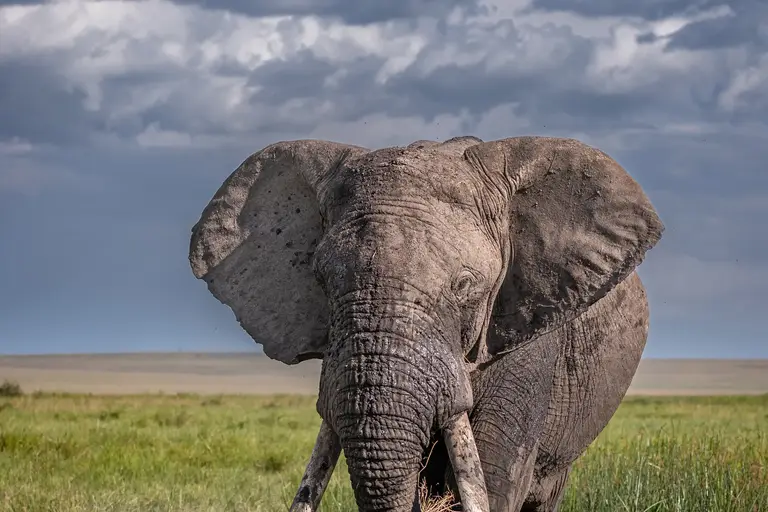
The largest land animal on earth, moving in matriarch-led family herds. In the dry season hundreds gather along rivers and waterholes.
Our insightThe best elephant encounters are at water late in the dry season. Ask for a camp with river or waterhole frontage and you will not need to go looking.
Chobe & Hwange, Amboseli, Tarangire
Dry season (Jun–Oct), when herds concentrate at water
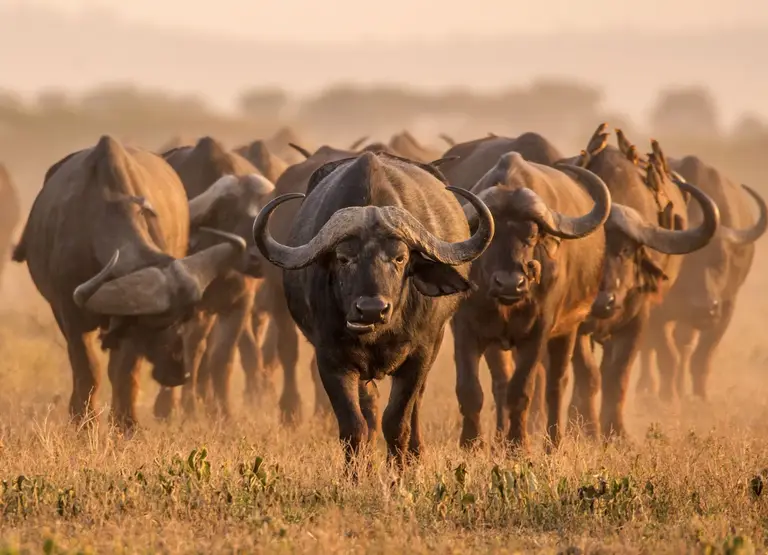
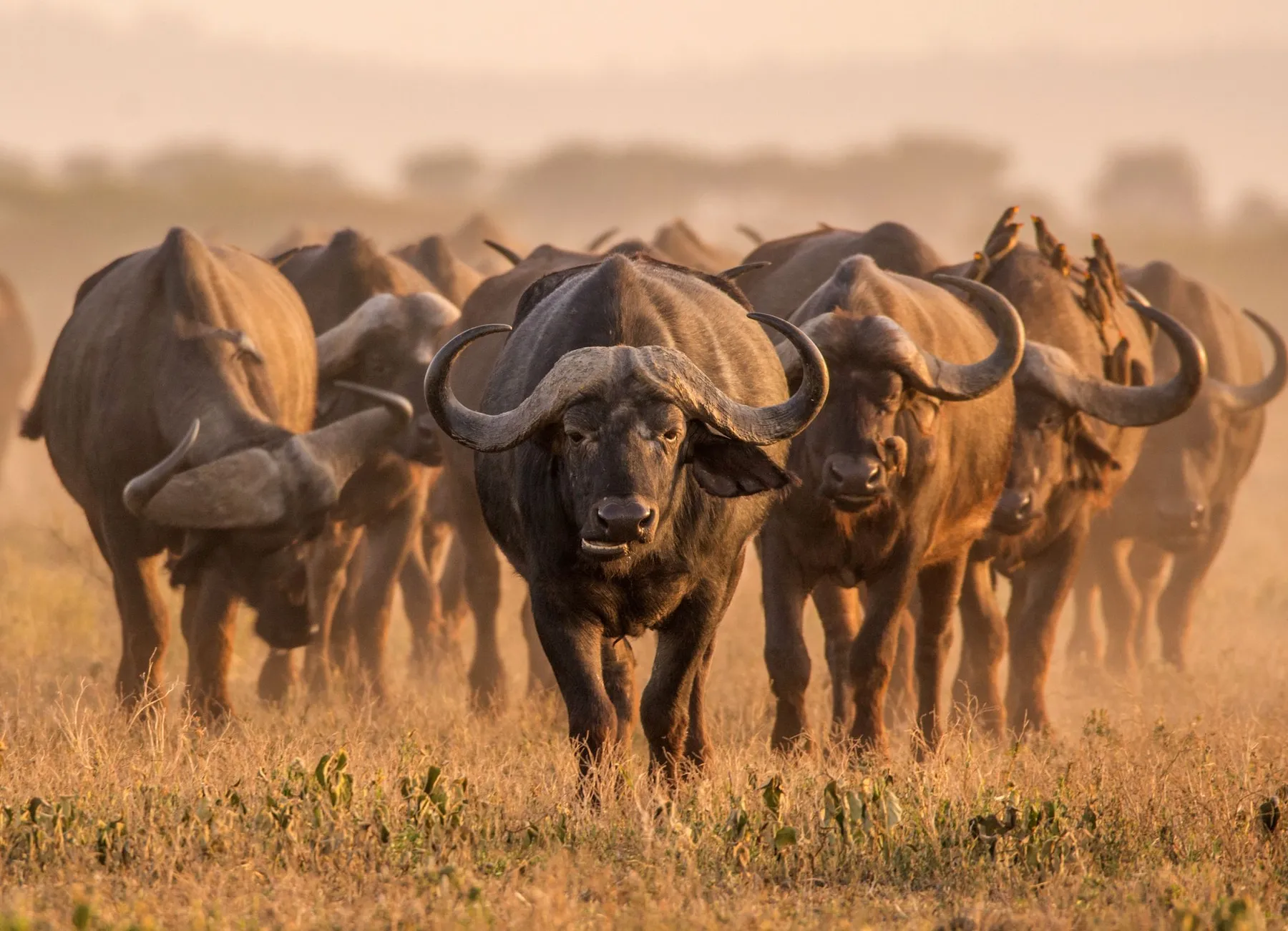
Massive, unpredictable and never far from water, buffalo move in herds that can number over a thousand — one of the great spectacles of the bush.
Our insightHerds are easy to find; the old solitary bulls are the ones worth stopping for — and the reason your guide will not let you walk casually in buffalo country.
Katavi, Ngorongoro Crater, Kruger & Sabi Sand
Year-round; late dry season for the biggest herds
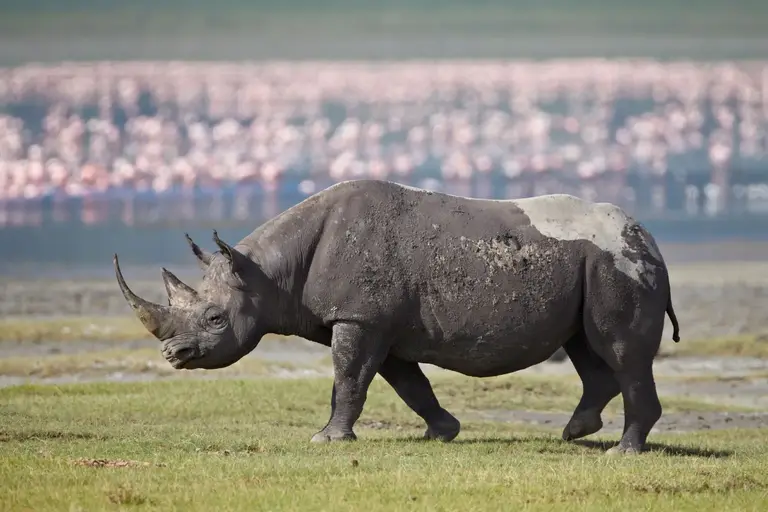
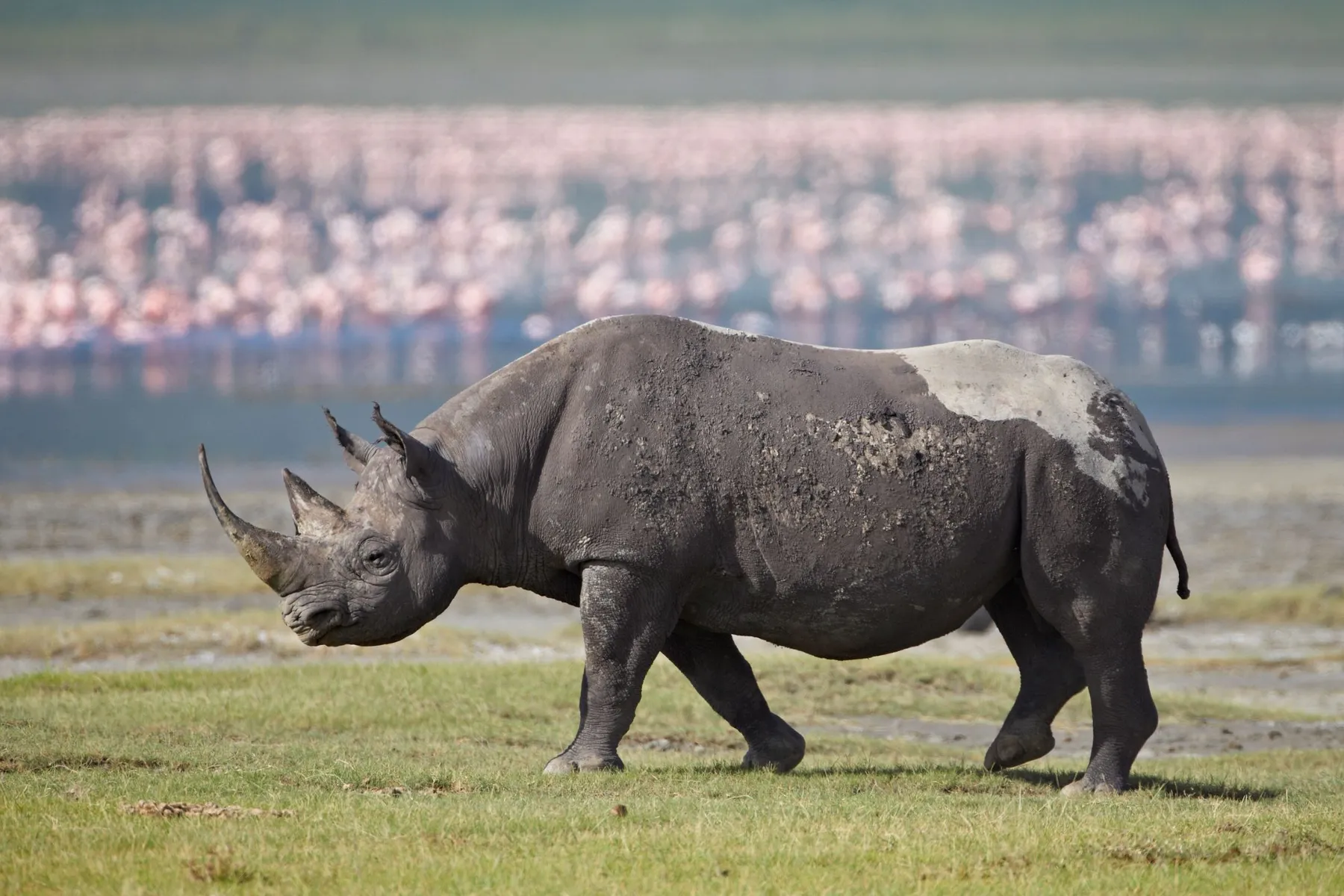
The rarest of the five. Black rhino browse thick bush and are critically endangered; white rhino graze open grassland. Seeing one takes the right reserve, not luck.
Our insightDo not count on rhino in East Africa’s big open parks. If rhino matter to you, we route through South Africa or a Laikipia conservancy where the population is protected and monitored.
Ngorongoro Crater, Laikipia conservancies (Lewa, Ol Pejeta), Sabi Sand & Kruger, Etosha
Year-round in protected reserves and conservancies
Elephants are the most reliably seen of the Big Five, and often the ones travelers remember longest. Filmed on a NndeeAfrika safari.
Dry season — thinner bush and animals gather at water.
Excellent resident game viewing across East Africa.
In the green months rates ease at many of these camps, the plains empty of vehicles and the light turns dramatic. What each season gives, and what it trades, is set out in our Safari Planning Guide.
The Big Five is not a three-day proposition. Four of the five are achievable in a well-chosen three or four nights; it is rhino, and often leopard, that need either more time or a more deliberate choice of destination.
Three to four nights in one reserve. Realistic for four of the five in the Greater Kruger, and a genuine chance at all five in a private reserve such as the Sabi Sand.
Seven to ten nights across two or three areas. The sensible target. It lets you pair a leopard-strong reserve with a rhino-strong one, and gives the weather and the animals room to not cooperate on any given day.
Ten nights or more. The point at which the Big Five stops being the point. By then you are seeing wild dog, cheetah hunts and river crossings — the things people actually talk about years later.
A useful rule: every additional morning drive raises your odds far more than an additional country does. Two nights in four places is a worse safari than four nights in two.
The single biggest difference between a good sighting and a great one is how long you stay. In a busy national park a vehicle might get ten minutes at a leopard before the queue behind it forces a move. In a private concession with a handful of vehicles across a vast area, you can sit for an hour and watch behaviour rather than simply confirm the animal exists.
That is worth understanding before you book, because it is the real difference the price buys — not the tent, but how many other vehicles are at the sighting and whether your guide can go off-road to follow what is happening.
Two practical things. Ask your guide to cut the engine and wait; most of what makes a sighting memorable happens after the first few minutes. And resist the checklist — guests who tick off five animals in three days almost always describe a less satisfying trip than those who spent an hour with one. There is a great deal beyond the Big Five worth stopping for.
Fully tailor-made — priced privately to your camps, season and travel style. No fixed packages.
Every journey is privately designed, with private guides and vehicles arranged where specified, the finest lodges, and a specialist on call throughout. At fly-in camps, game drives may be shared unless a private vehicle is reserved.
Three of our itineraries are built around all five. Each is a starting point, adjusted privately to your dates, pace and camps, and every journey is priced to your budget.
Amboseli’s elephants, rhino tracking in a Laikipia conservancy, and lion and leopard in a private Maasai Mara conservancy.
View the Kenya journey →Cape Town and the Winelands, then the Sabi Sand, where leopard and the rest of the Big Five are seen on off-road drives.
View the South Africa journey →Tarangire, the Ngorongoro Crater and the Serengeti, with the Crater giving one of East Africa’s best chances of all five in a day.
View the Tanzania journey →Flights, visas, vaccinations, money and what to pack are the same wherever you go on safari, and we set them out properly in the safari planning guide. We confirm every requirement for your specific route when you book, because they change.
One point matters more for the Big Five than for most safaris: malaria. Most Big Five reserves sit in malaria zones, but South Africa offers genuinely malaria-free Big Five reserves — which is often the deciding factor for families with young children, and something we will raise before you choose a country.
Two practical points worth knowing before you pack: light aircraft between camps cap luggage at around 15kg in a soft duffel, and we require travel insurance that includes emergency medical evacuation — Big Five reserves are remote by design.
Read the full safari planning guide · health and vaccinations · what to pack
The Big Five began as a hunting term. That it now describes a photographic checklist is, in itself, the story of African conservation over the last century.
Rhino are the reason the list still matters. Both species remain under sustained poaching pressure, and the reserves that hold healthy populations do so through anti-poaching units, dehorning programs and round-the-clock monitoring funded substantially by tourism. It is also why responsible operators do not publish precise rhino locations — and why we do not either.
Private reserves and community conservancies have become some of the most effective conservation models on the continent. Conservancies bordering the Maasai Mara lease land from Maasai landowners, capping vehicle numbers and giving communities a direct financial stake in wildlife staying alive. Kenya’s Laikipia rhino conservancies work on the same principle.
What this means in practice for a traveler is simple: where you stay is a conservation decision, not only a comfort one. We weight camps that fund anti-poaching work, employ locally and limit their own footprint — and we will tell you which ones those are. More on our approach in conservation impact.
A South Africa safari pairs Big Five private reserves with Cape Town and the Winelands.
Explore → Eastern AfricaThe Maasai Mara, Amboseli, Samburu and the Great Migration.
Explore → Eastern AfricaThe Serengeti, Ngorongoro Crater, Tarangire and Zanzibar.
Explore →Tell us how you like to travel and start with a complimentary consultation. When you are ready, a $500 USD planning fee covers your personalized itinerary and revisions, and is deducted from your booking deposit when you book.
Inquire now