There is a version of safari that looks impressive on paper: five parks, four flights, a new camp every night. And there is the version people come home changed by — half as many places, twice as long in each, whole mornings surrendered to a single sighting.
Travelers are increasingly asking for the second kind. They are right to.
The bush is the wellness program
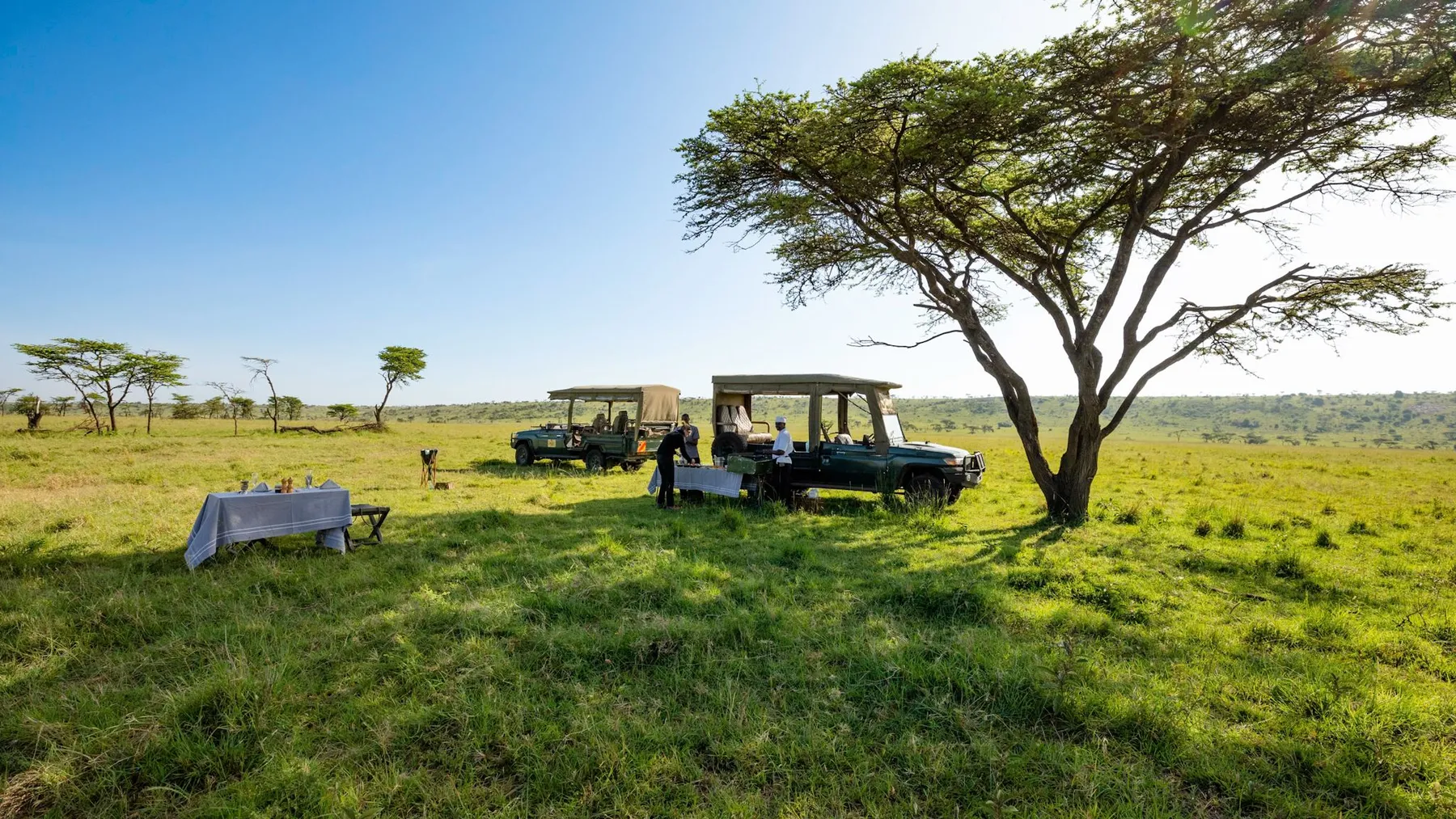
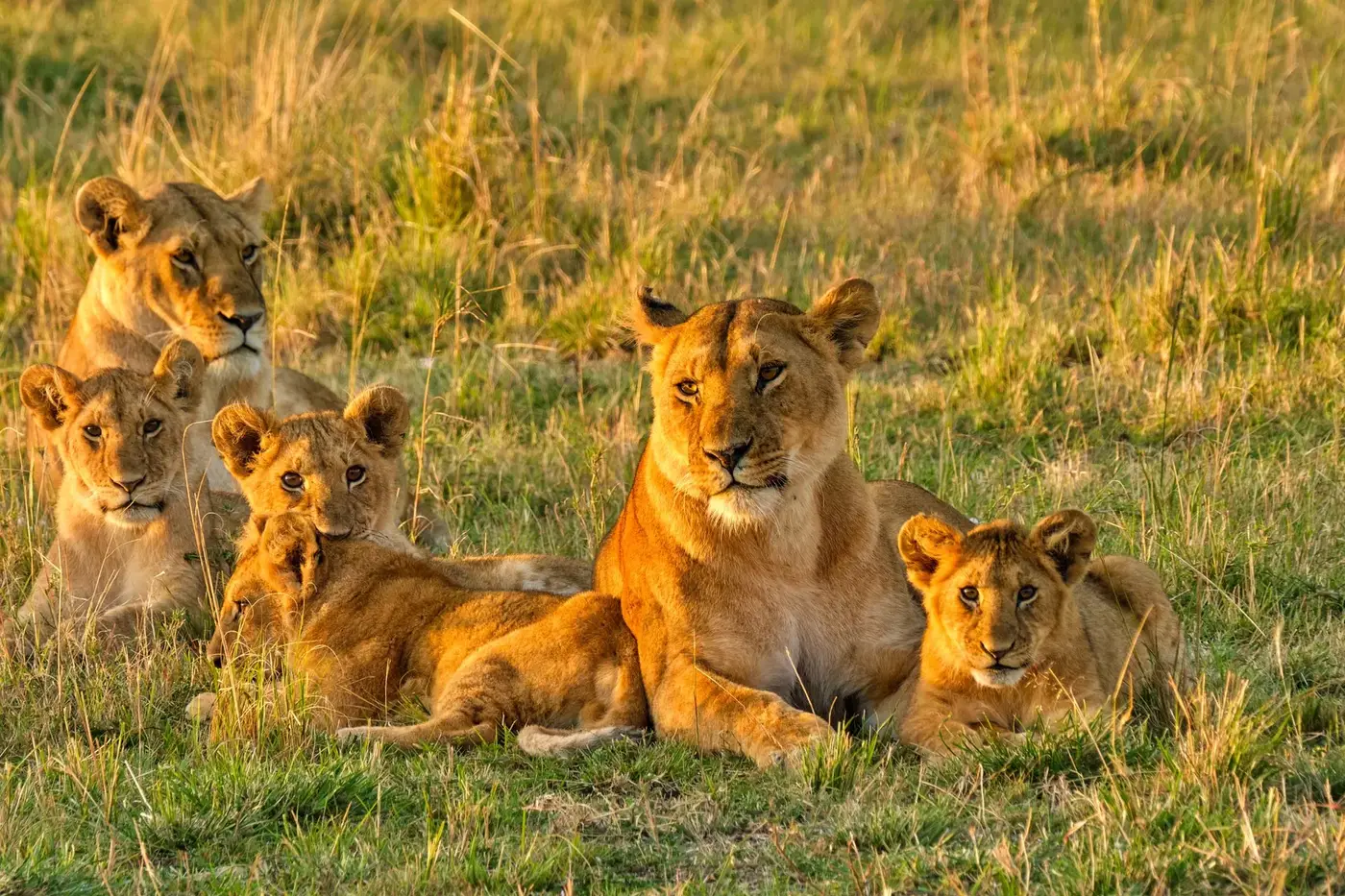
No spa replicates what a safari does on its own: waking with the light, hours outdoors, no meetings, no scrolling — many camps have little or no signal, and guests stop missing it by day two. The rhythm of game drives — out at dawn, rest at midday, out again for golden hour — is essentially a circadian reset with lions.
This is why the newest luxury-travel trend reports talk less about treatment menus and more about disconnection itself. The safari was doing “digital detox” decades before it had a name.
What slowing down actually buys you
Staying three or four nights in one camp changes the mathematics of the experience. Your guide learns exactly what moves you and builds each drive around it. You can afford to wait — at a den site, at a crossing point, with a leopard in a tree — and waiting is where safari’s greatest moments live. And the unscheduled hours become the point: a long lunch watching elephants at the waterhole, an afternoon with a book and the sounds of the bush. It is also the pace we recommend in our guide to African safaris for seniors.
- —Deeper sightings — patience beats mileage
- —A guide who knows you by day two
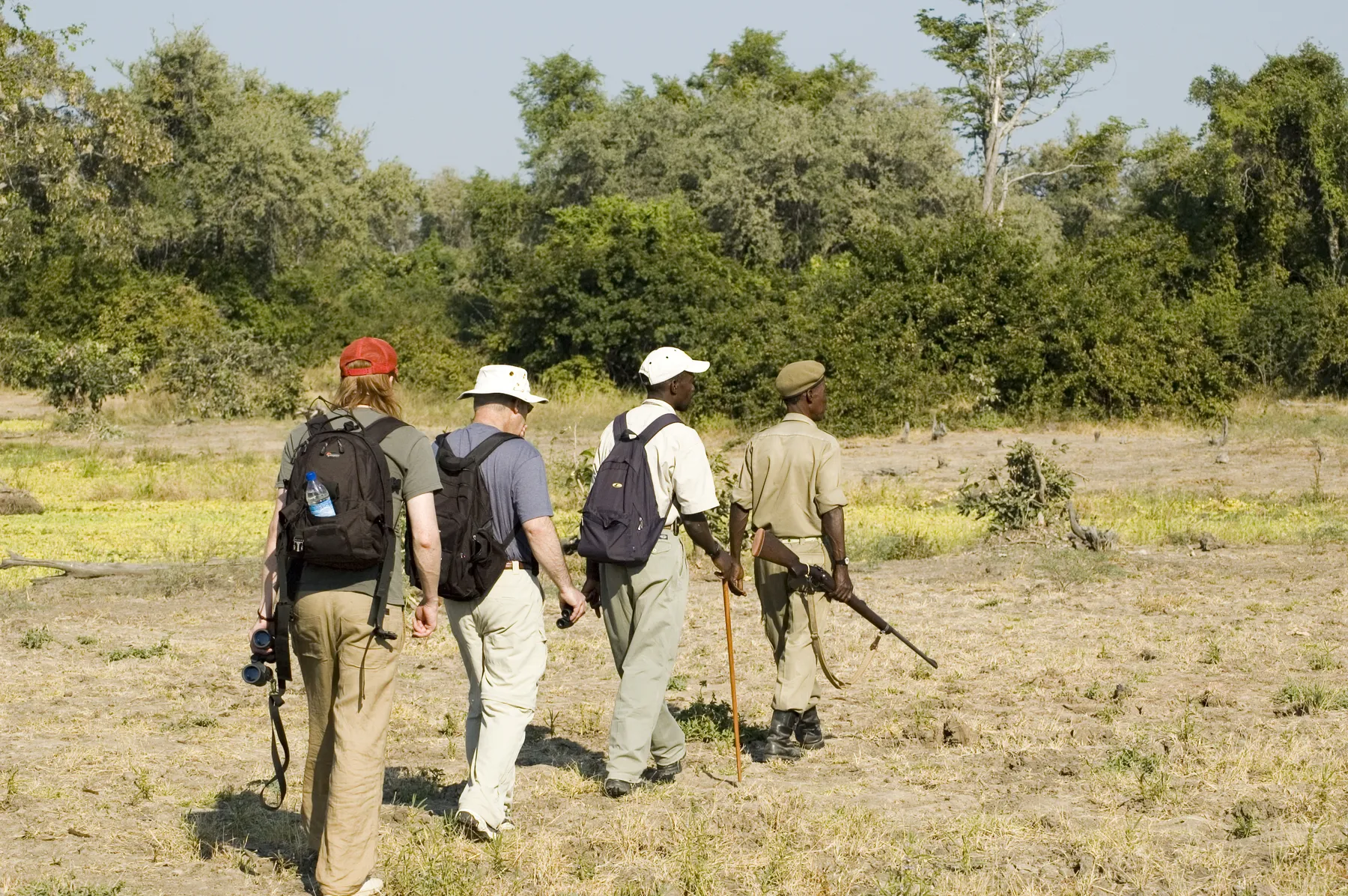
- —Room for walking, bush dinners and sleep-outs
- —Fewer transfers — more Africa, less logistics
Designing a slow safari
The recipe is simple: two or three camps maximum, three-plus nights in each, at least one camp with no fixed schedule at all, and a beach or highland finish if you want the full exhale. Private conservancies suit slow travel best — no gate hours, activities in any order, and drives shaped entirely by your mood. Tell us you want the slow version and we will design the whole journey around it.