A safari asks very little of you physically — the animals come to the vehicle, not the other way around. If it has been on your bucket list for years, this is a wonderful age to go. Some of our happiest guests have celebrated 70th and 80th birthdays in the bush. The difference between a tiring trip and an effortless one is entirely in the planning.
Is 70 or 80 too old for an African safari?
No. Safari camps set minimum ages for children, not maximum ages for adults, and age itself rarely decides whether a safari works. Mobility, heart and lung health, and how the trip is paced matter far more. Travelers over 60 and in their 70s can take almost any classic safari. In your 80s and 90s the same trip works with three changes: fly between camps instead of driving, stay three nights or more in each camp, and choose camps with level paths and rooms close to the main area.
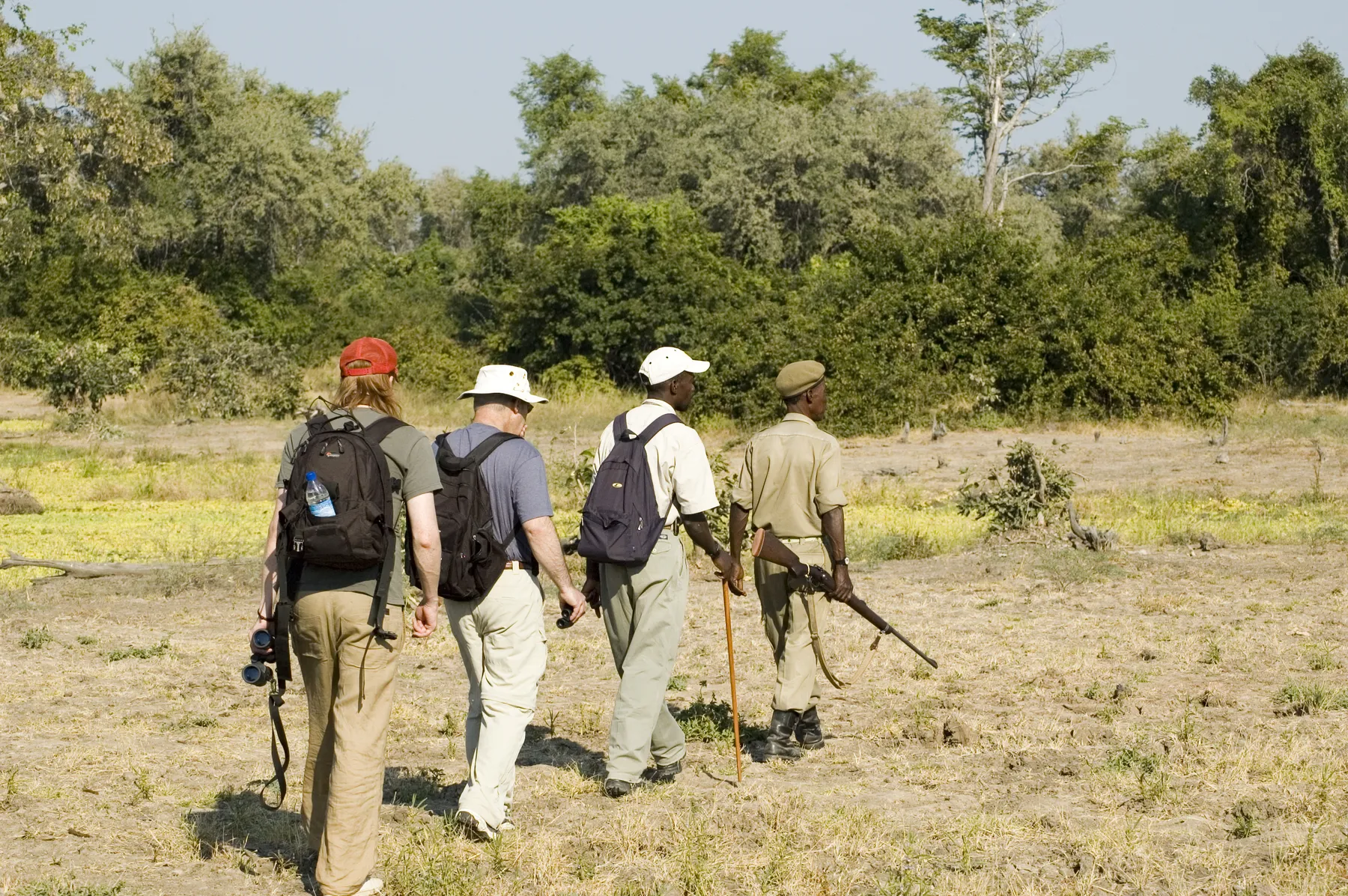
A senior safari is not a different kind of trip, just one planned around comfort, and the same thinking works for a retirement trip in your late 50s or a milestone birthday in your 80s, whether you are planning for yourself or for elderly parents. Most of a safari day is spent seated, in a vehicle or on a shaded deck, so it asks less of you physically than many city trips. The two activities that ask more are gorilla trekking, on steep, muddy hillsides at altitude, and walking safaris. Both are optional, and a wonderful safari never needs either.
Built for comfort from the start
The short answer: a private safari is one of the best trips for travelers in their 60s, 70s and beyond — because the pace, the vehicle, the walking and the altitude are all yours to set. We route older travelers as fly-in safaris: light aircraft between camps instead of six-hour drives, arrival days with nothing scheduled, and never more than two or three camps in a trip. Luxury lodges and camps are chosen for real beds, en-suite bathrooms with walk-in showers, minimal steps and short walkways — and we know which camps have golf carts, ground-level suites and staff who quietly carry everything. Every journey is priced to your budget (see what a safari for seniors costs), and the full picture of how we plan lives on our luxury African safaris pages.
The pace is yours
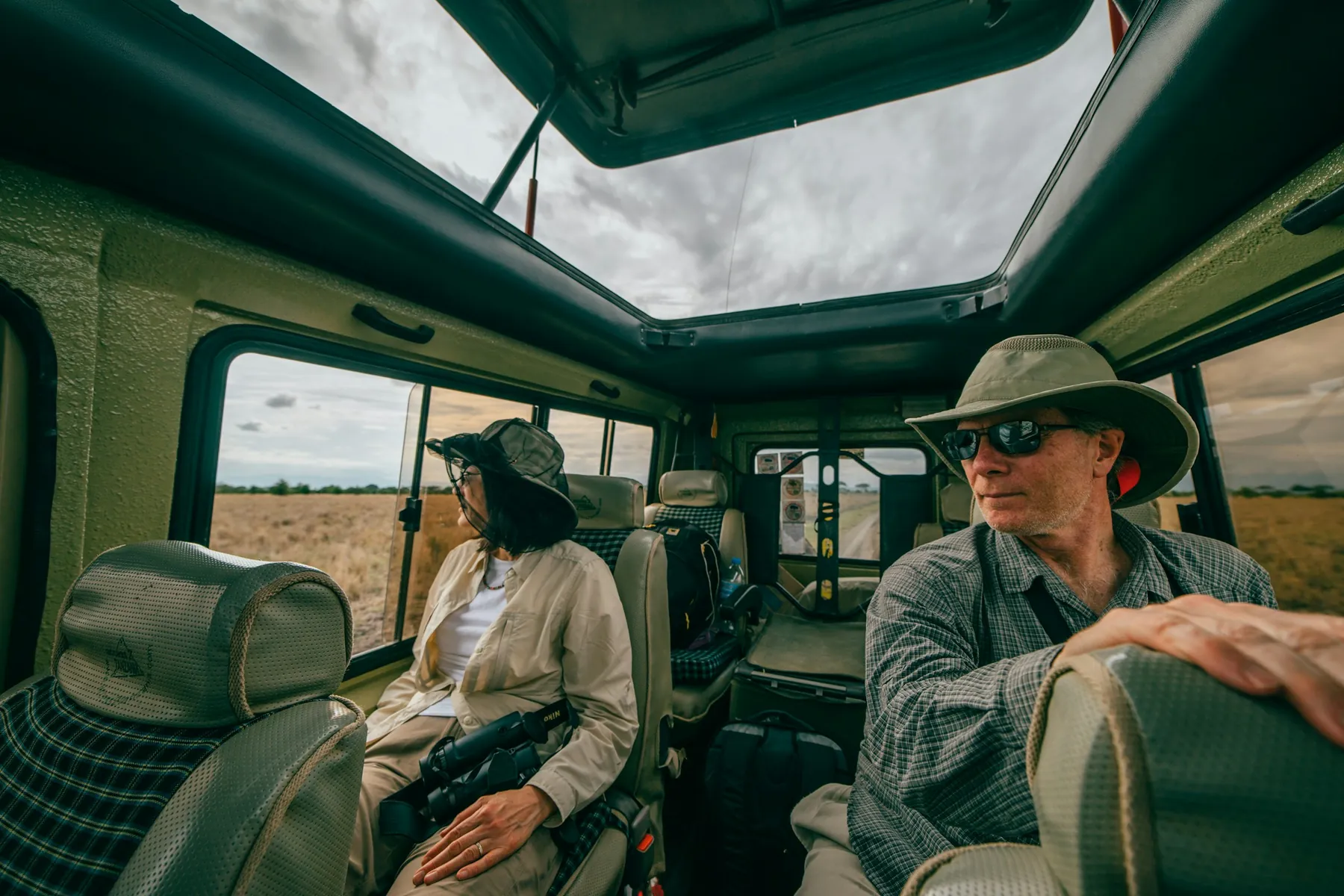
With a private vehicle and guide, game drives run on your schedule. Skip the 5:30am start and drive at 8. Come back for lunch and a nap. Morning and afternoon game drives usually last about three hours each in an open safari vehicle, and you can skip one whenever you like. Watch the waterhole from your own deck or by the pool all afternoon; in the dry season it often outperforms the game drive.
- —Malaria-free options: Madikwe and the Eastern Cape in South Africa
- —Low-altitude choices if heart or lung health is a factor
- —AMREF Flying Doctors evacuation cover on every East African safari; elsewhere, your required travel insurance carries it
- —Gentle activities: boat safaris, hides, private sundowners, cultural visits and conservation projects
Honest health planning
Tell us what we should know — knees, hearts, medications that need refrigeration — and it shapes the route invisibly. The camps we use are in radio contact with air-evacuation services, and we share your (confidential) essentials with camp managers so care is ready without ever being conspicuous.
What makes a safari work for seniors
Three design choices do most of the work. Fly-in itineraries replace long, corrugated road transfers with 45-minute flights. Two or three camps at three nights each remove the packing-and-moving fatigue of a faster trip. And for older couples and solo travelers alike, camp selection matters more than it does for younger travelers: single-level tents, few steps, sturdy vehicle step-ups, and the option of a shorter afternoon drive or a quiet morning in camp without missing anything. Many of our guests in their seventies and eighties have found a safari easier than a European city break, because the days are structured and everything is carried for you.
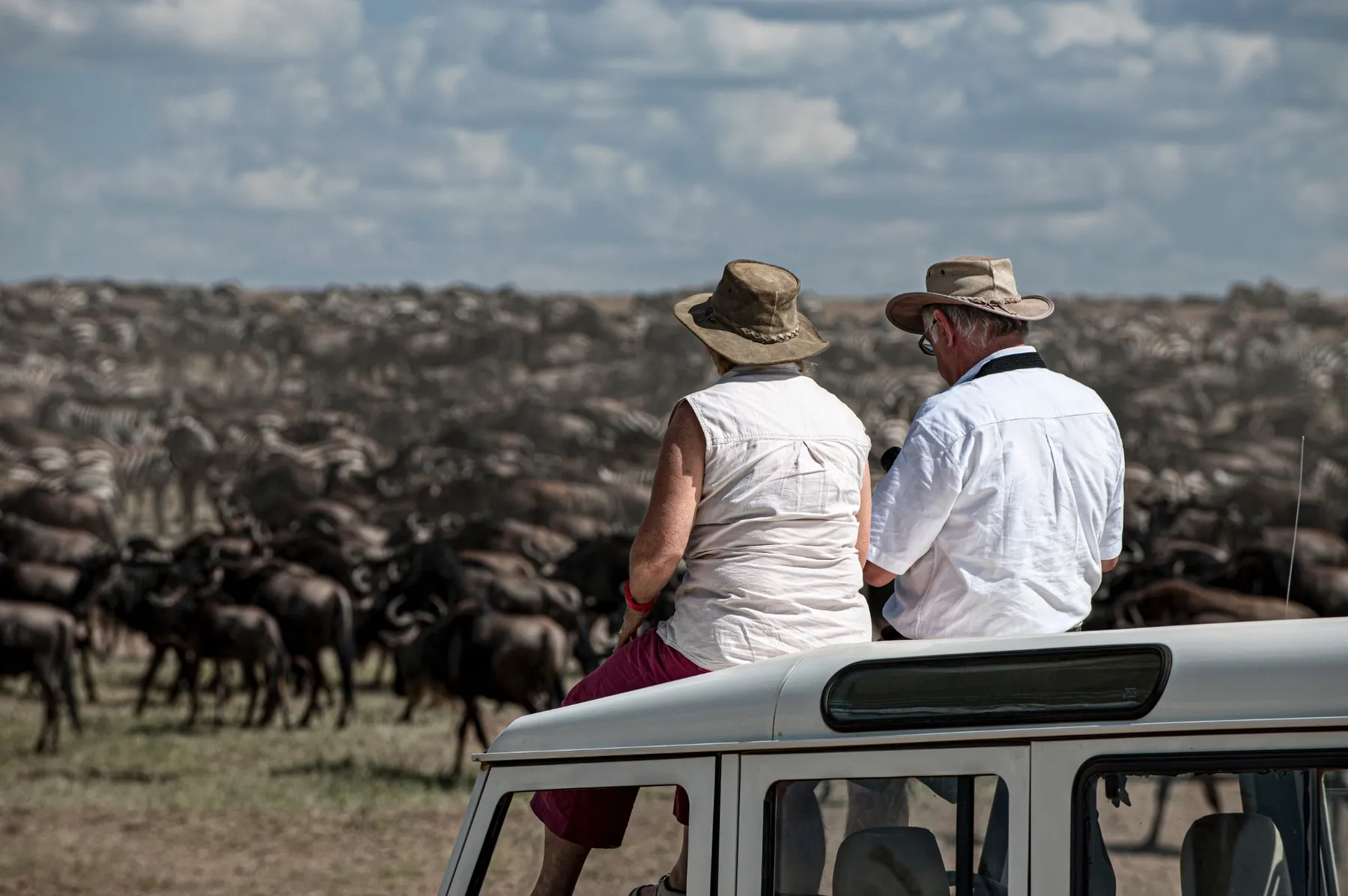
Best African safari destinations for seniors
What are the best safari destinations for seniors? South Africa (Kruger National Park, Sabi Sand, malaria-free Madikwe and Cape Town), Botswana (Okavango Delta, Chobe), Kenya (Maasai Mara), Tanzania (Serengeti, Ngorongoro), Zambia and Zimbabwe (Victoria Falls) and Namibia (Etosha).
Africa tours for seniors sometimes pair a safari with Egypt and the Nile; this guide focuses on the safari regions themselves. The best safari destination for an older traveler is the one that keeps transfers short, altitude moderate and camps easy to move around. Whether you are weighing a South Africa, Tanzania, Kenya or Botswana safari for seniors, these are the places we recommend most often, with the trade-offs we discuss before anyone books.
| Destination | Why it suits seniors | Getting around | Malaria |
|---|---|---|---|
| Sabi Sand & Greater Kruger, South Africa | Low altitude, off-road viewing, very comfortable lodges | Short scheduled flight or road transfer | Lower, seasonal risk |
| Madikwe & Eastern Cape, South Africa | The Big Five without malaria tablets | Short flight or an easy drive | Malaria-free |
| Okavango Delta, Botswana | Gentle water outings, small camps, flat terrain | Light aircraft only | Yes |
| Maasai Mara conservancies, Kenya | Uncrowded sightings, flying-doctor cover | About an hour by air from Nairobi | Yes |
| Serengeti, Tanzania | The classic plains, best done by air | Light aircraft from Arusha | Yes |
| Victoria Falls, Zimbabwe | A mostly level viewing path | Road transfer to Chobe or onward flights | Yes |
| Etosha, Namibia | Floodlit waterholes, flat roads | Light aircraft or road from Windhoek | Seasonal risk |
| Cape Town & the Winelands | Comfortable, gentle days before or after safari | Nonstop flights to the US | Malaria-free |
1. Kruger National Park & Sabi Sand, South Africa
The easiest first safari for most older travelers. A short scheduled flight from Johannesburg or Cape Town lands close to the reserves, the land is low-lying and the climate mild for most of the year. Private reserves allow off-road driving, so guides bring you close to leopard and lion without long searches, and the lodges are among the most comfortable in Africa, many with ground-level suites. The private reserves border Kruger National Park, which makes this the easiest place for a first Big Five safari. Major South African hospitals are a short flight away. The area carries a lower, seasonal malaria risk, so ask a travel clinic. See Kruger and Sabi Sand and South Africa safaris.
2. Madikwe & the Eastern Cape, South Africa (malaria-free)
For travelers who would rather avoid malaria tablets. Madikwe, near the Botswana border, is a short flight from Johannesburg; the Eastern Cape reserves are within about two hours’ drive of Gqeberha (Port Elizabeth) and pair naturally with Cape Town and the Garden Route. Both offer the Big Five in malaria-free bush.
3. Okavango Delta, Botswana
A gentle, water-based safari. Camps are reached only by light aircraft, so there are no long road transfers, and boat outings replace bumpy drives in the wetter areas. Motorboats are easier to board than a mokoro (dugout canoe) if knees are a concern. On the Chobe River, a boat cruise brings elephant and hippo close with almost no effort. Camps are small and quiet, the terrain flat and low, and the Delta pairs well with Chobe and Victoria Falls. Malaria precautions apply. See the Okavango Delta.
4. Maasai Mara, Kenya
A flight of about an hour from Nairobi’s Wilson Airport lands close to camp, and the private conservancies around the Mara limit vehicle numbers, so sightings feel unhurried. The altitude is moderate, roughly 5,000 to 7,000 feet. Every East African safari we plan includes AMREF Flying Doctors evacuation cover. See the Maasai Mara.
5. Serengeti & Ngorongoro Crater, Tanzania
The great classic, best done by air: flights from Arusha replace the long, dusty drives that tire travelers most. The Ngorongoro Crater rim sits at about 7,500 feet and the road into the crater is steep and rough, so we talk it through with anyone who has heart or lung concerns. Staying in one well-placed camp for three or four nights keeps moves to a minimum. See the Serengeti and Ngorongoro Crater.
6. Victoria Falls, Zambia & Zimbabwe
An easy addition rather than a safari in itself. The Zimbabwe side has a mostly level path through the rainforest, with steps at only a few viewpoints, and a helicopter flight shows the whole gorge without any walking. The water is highest from about March to May, when the spray can be heavy. See Victoria Falls.
7. Etosha National Park, Namibia
Etosha suits travelers who would rather let the wildlife come to them: several lodges overlook their own waterholes, some floodlit after dark, and the roads are flat and well kept. Reach it by light aircraft or by road from Windhoek. Northern Namibia carries a seasonal malaria risk, highest in the rainy months, so ask a travel clinic. See Etosha.
8. Cape Town & the Winelands, South Africa
Not a safari, but the ideal start or finish: excellent hotels, gentle sightseeing, wine estates, good private hospitals, no malaria, and nonstop flights to the US. See Cape Town.
9. Gorilla Trekking, Rwanda & Uganda (for fit, active seniors)
The most demanding experience in this guide. Treks cross steep, muddy slopes, at altitudes that reach 8,000 feet or more in Rwanda, and can last from under an hour to most of a day. Permits have a minimum age of 15 and no upper limit, porters can be hired to carry your bag and steady you on steep sections, and rangers try to match slower trekkers with gorilla families that are closer to the trailhead. It suits fit, active seniors; read our gorilla trekking guide before deciding.
Malaria-free safaris and health planning
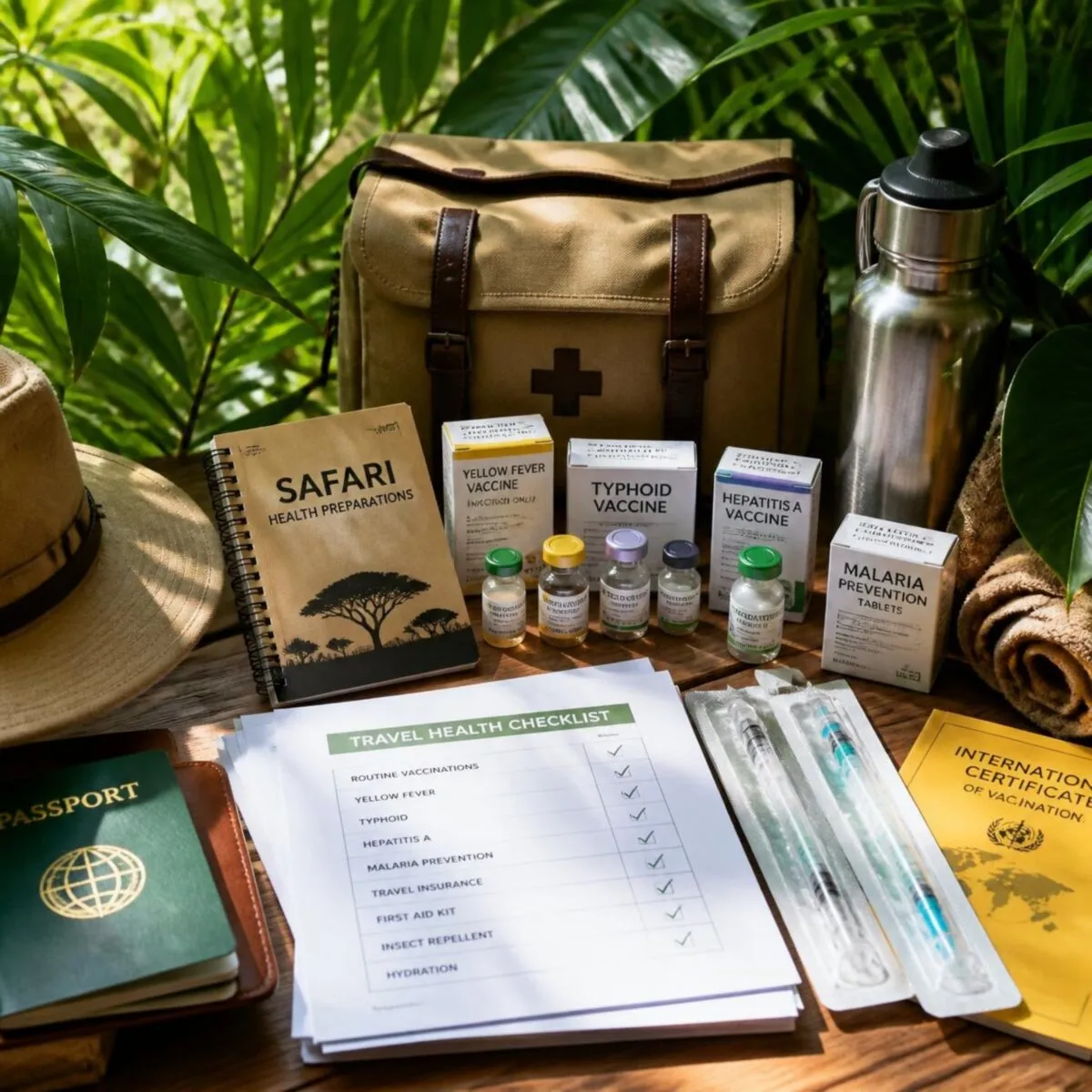
For travelers who prefer not to take malaria prophylaxis, parts of South Africa offer malaria-free Big Five reserves, which is often the right answer for a first safari later in life. Elsewhere, see a travel clinic six to eight weeks before departure for malaria advice and routine shots; yellow fever certificates apply only on certain routes. Comprehensive travel insurance with emergency medical evacuation is required on every journey we plan, and camps are in radio contact with evacuation services. Tell us about mobility, medication or dietary needs at the planning stage and we design around them rather than apologize for them later. Safari vaccinations and health
Best time of year for seniors
In East Africa the main dry season runs roughly from June to October, which is also Great Migration season in the Serengeti and Maasai Mara. In Southern Africa, the dry-season months of June to September bring mild days, cold-but-short mornings and the easiest wildlife viewing. We steer older travelers away from October in Southern Africa, when afternoons routinely pass 95°F (35°C), and toward the shoulder months of May, June and September for comfort and value. Safari by month
Private safari or group tour for seniors?
Escorted small-group tours, the format many African safari tours for seniors follow, suit travelers who enjoy company and a set itinerary at a shared pace. A private safari suits travelers who want to set their own hours: a later start after a poor night, a rest afternoon at camp, a longer stop at a sighting, or a route redesigned around a knee or a medication schedule. Many older travelers choose private for exactly that reason. Our guide to private and group safaris compares the two in detail.
Traveling solo as a senior
A private safari works well for single seniors, including women traveling solo, with a guide and vehicle arranged around you and no group schedule to keep up with. Camp managers and guides often host solo guests at dinner, so evenings are as sociable as you like. Many camps charge a single supplement; some waive or reduce it in quieter months, and we look for those when your dates are flexible. Our solo safari guide covers the details.
Practical tips for senior travelers
- —Flights. Nonstop flights link the US with South Africa, and most East African routes need one connection. A night near the arrival airport before your first camp lets you start rested. See flights from the USA.
- —Light aircraft. Pack in a soft bag, usually limited to about 15 to 20 kg (33 to 44 lb) including hand luggage, depending on the route. There are a few steps to board, and ground staff help. See fly-in safaris.
- —Medication. Keep every medication in your hand luggage, with a few spare days’ supply and copies of your prescriptions. Tell us about anything that needs to stay cold.
- —Vehicles. The seats nearest the front usually give the smoothest ride, and many camps can provide a step for getting in and out.
- —Insurance. Senior travel insurance varies widely, so check your policy’s age limits, its terms for pre-existing conditions and its medical-evacuation limit. Original Medicare generally does not pay for care outside the US.
- —Accessibility. Tell us about a cane, walker or wheelchair. Some lodges have step-free rooms and accessible bathrooms, and our accessible safari guide covers the details.
- —Fitness and packing. A few weeks of daily walking makes step-ups and airstrip paths easier. Pack layers for cold early drives, a soft hat, good sunglasses and binoculars; see what to pack.
Traveling with grandchildren
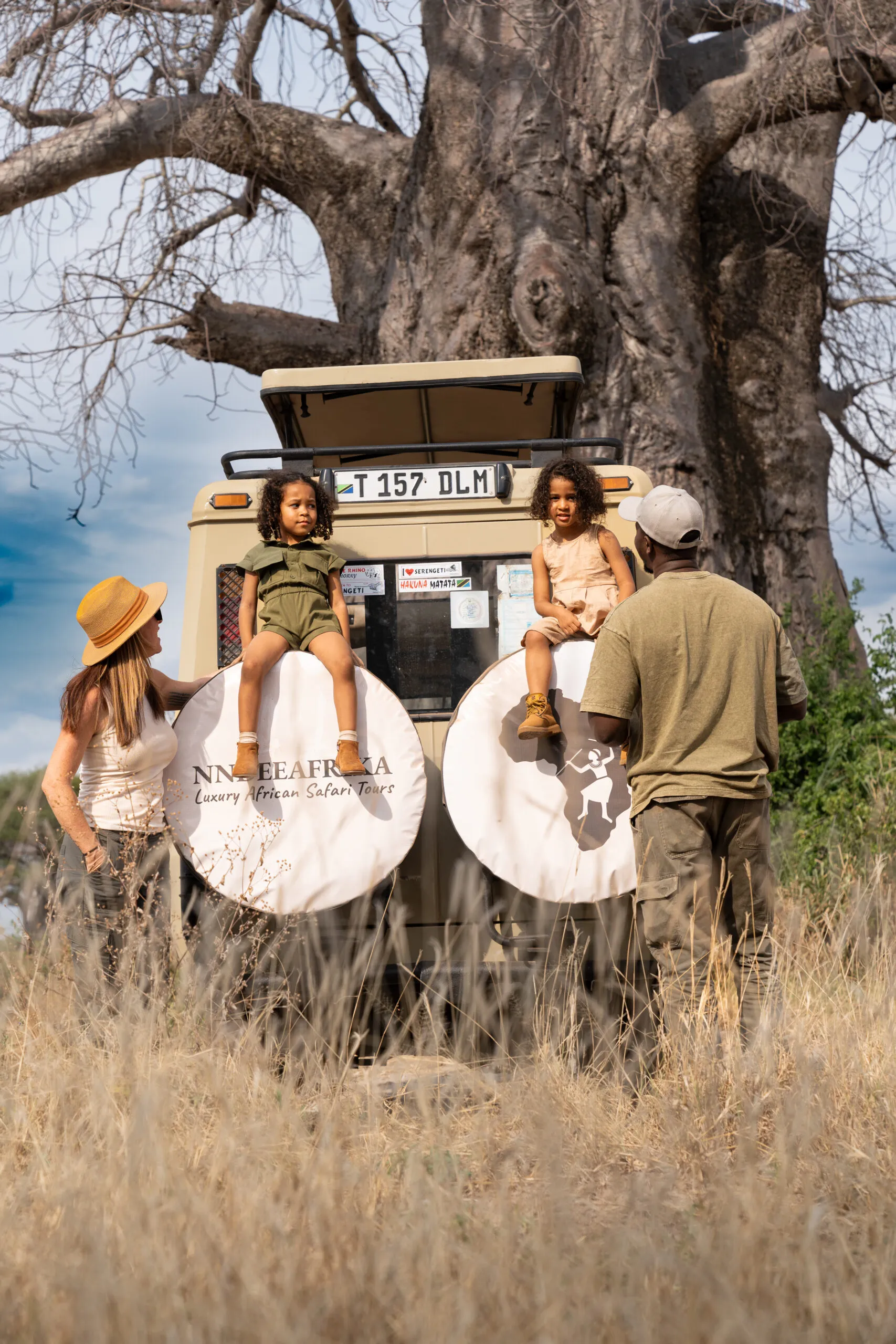
A safari is one of the great family trips across generations. Many camps welcome children from about six, though some set higher minimum ages for game drives or walking, and a private vehicle lets grandparents and grandchildren each go at their own pace. Family suites and private houses keep everyone together. See our family safaris.
What does a safari for seniors cost?
Every journey is priced to your budget. As a guide, luxury safari camps and lodges typically run from about $1,000 to $3,000 or more per person per night, and most private NndeeAfrika journeys begin at approximately $12,000 per person, excluding international flights. Longer, peak-season or fly-in trips sit above that starting point.
Age doesn’t change the price of a camp. What shapes the cost for older travelers are the comfort choices: flights between camps instead of long drives, a private vehicle, an extra night near the arrival airport and, for solo travelers, any single supplement. Our safari cost guide explains each in detail.
Sample safaris that suit seniors
Each of these senior-friendly safari vacations can be slowed down with extra nights, fewer moves or a rest day built in.
- —Cape, Vines & Leopard Country: 11 days in Cape Town, the Winelands and a Sabi Sand private reserve, linked by short flights.
- —Cape, Falls & Delta: 12 days across Cape Town and the Winelands, Victoria Falls and the Okavango Delta, linked by air.
- —Delta, River & Falls: 9 days in the Okavango Delta, along the Chobe River and at Victoria Falls.
Questions we are asked
Is 80 too old to go on a safari?
No. Travelers in their 80s go on safari every season. Choose a fly-in route, stay three or more nights in each camp, ask for a room close to the main area, and plan with your doctor if you have heart, lung or mobility concerns.
Which safari destination in Africa is best for older people?
For most older travelers, a private reserve in South Africa’s Sabi Sand or Greater Kruger: short flights, low altitude, excellent game viewing and major hospitals a short flight away. Madikwe and the Eastern Cape add malaria-free options, and Botswana’s Okavango Delta and Kenya’s Maasai Mara conservancies suit travelers happy to fly between camps by light aircraft.
What is the best safari for seniors?
A private, fly-in itinerary in South Africa, Botswana, Kenya or Tanzania with three nights per camp, single-level accommodation and a private vehicle so the pace is yours. Malaria-free reserves in South Africa suit travelers who prefer to avoid prophylaxis.
Can you go on safari with limited mobility?
Yes, within limits we discuss honestly. Several camps have level walkways (see our accessible safari guide) and vehicles with low step-ups, and game drives themselves involve little walking. Gorilla trekking and walking safaris are the activities to leave out.
How physically demanding is a safari for seniors?
Not very. Most activities are seated game drives in safari vehicles, with short walks between your room, the main area and the vehicle. The most physical moments are climbing in and out of the vehicle and boarding light aircraft. Walking safaris and gorilla trekking are the strenuous exceptions, and both are optional.
What is the best month for an African safari for seniors?
For most older travelers, June to September: dry, mild days and the easiest wildlife viewing. May and early June are quieter shoulder months. If heat is a concern, avoid October in Southern Africa, when afternoons can pass 95°F (35°C).
Do seniors need special travel insurance for a safari?
You need comprehensive travel insurance with emergency medical evacuation, which we require on every journey we plan. Check the policy’s age limits, its terms for pre-existing conditions and its evacuation limit. Original Medicare generally does not pay for care outside the US.
Can seniors book an African safari from the USA with a US company?
Yes. NndeeAfrika LLC is registered in California as a Seller of Travel (CST 2173450-50), so you plan and pay in US dollars with a US company, in your own time zone. Nonstop flights link the US with South Africa, and most East African routes need one connection.
Which tour company is best for seniors?
Choose a company that plans privately around your health and pace: one that asks about mobility and medication, routes you by air instead of long drives, knows which camps have level access, checks your insurance and stays reachable while you travel. In California, check that the company is a registered Seller of Travel.