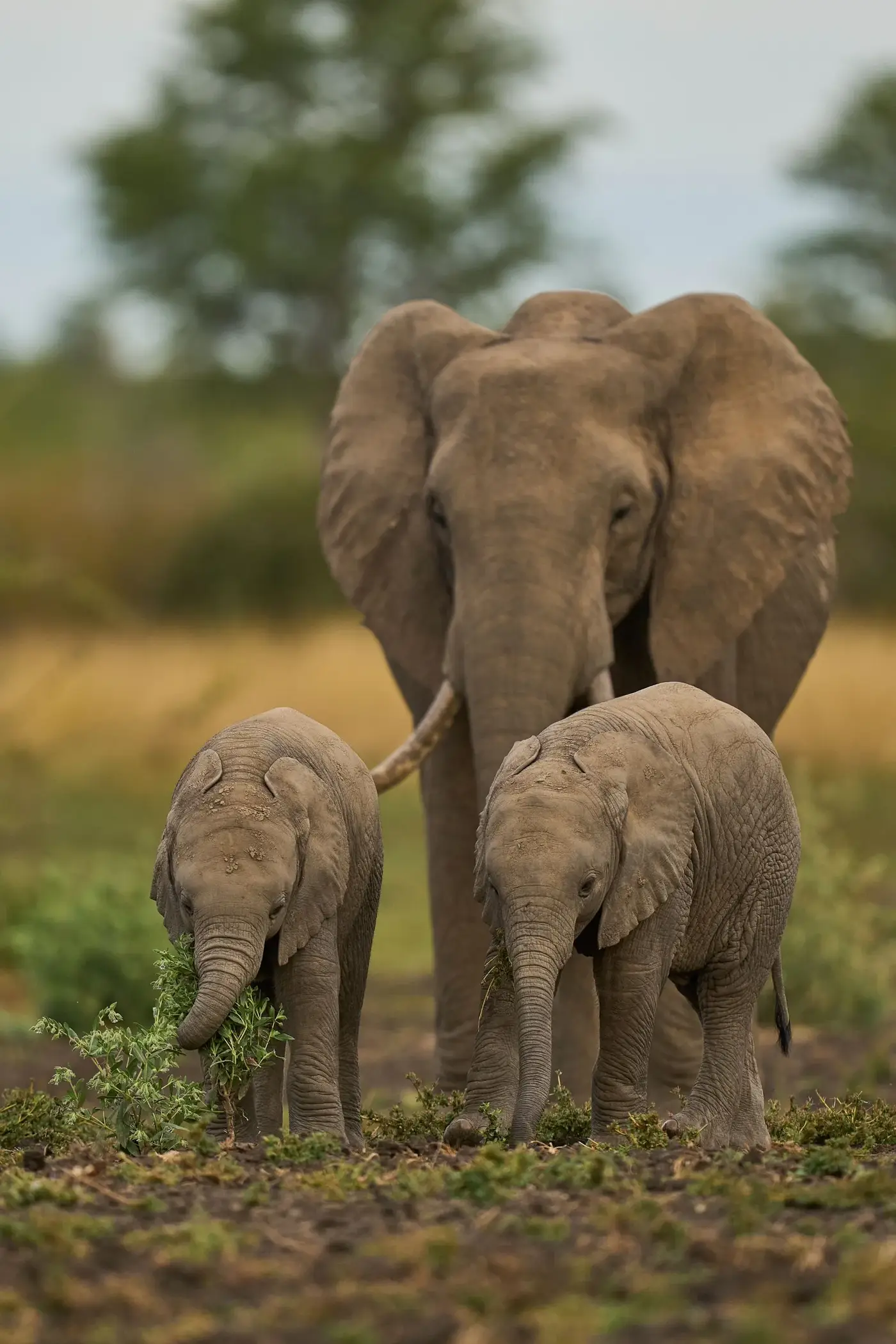
A well-chosen safari is one of the most powerful conservation tools on earth.
Safari conservation is simple at heart: the wild places that make a safari worth taking only survive if travel helps pay for them. Here is exactly how your journey does — and how we choose partners that do it well.
Africa's parks, conservancies and the wildlife within them are funded overwhelmingly by tourism. Every park fee, conservancy fee and camp night pays rangers, funds anti-poaching patrols, leases land from communities that would otherwise farm or fence it, and gives wildlife an economic reason to exist.
Where you choose to stay decides who benefits. As a Tanzanian-born, family-run company, we only work with camps and operators whose money demonstrably reaches conservation and local people — and we're happy to show you how.
Where your safari fee goes
A luxury African safari is not cheap — and a meaningful share of what you pay works long after you fly home. These are the four main channels.
Daily fees of $70–$100+ per person fund national parks directly — ranger salaries, anti-poaching units and habitat management. In private conservancies, fees also lease the land from its community owners.
A single safari camp typically employs 40–100 people — guides, trackers, chefs, housekeepers — most from surrounding villages. Each salary is estimated to support up to ten family members.
Many of the camps we book add a per-night conservation levy that funds specific projects — rhino protection, predator research, reforestation — and publish exactly where it goes.
Schools, clinics, clean water and scholarships funded by lodges and their foundations — plus our own long-running community work in Tanzania, below.
How we choose the camps we book
Luxury and responsibility are not in tension — the best camps in Africa lead on both. Before a lodge earns a place on our list, we ask four questions.
We favor camps in community-owned conservancies and private reserves where lease payments flow to the people who live alongside the wildlife.
We look for camps that hire and train locally — from trainee guides to camp managers — rather than flying staff in.
Strict sighting etiquette, no baiting or touching, respectful vehicle limits. We never book captive-wildlife encounters such as lion petting or elephant rides.
Solar power, borehole water, plastic-free operations and light-touch builds that could be removed without a trace — increasingly the norm at the camps we love.
Want the deeper story on how community-owned land works? Read our guide to private conservancies.
Two Hands One Heart TZ
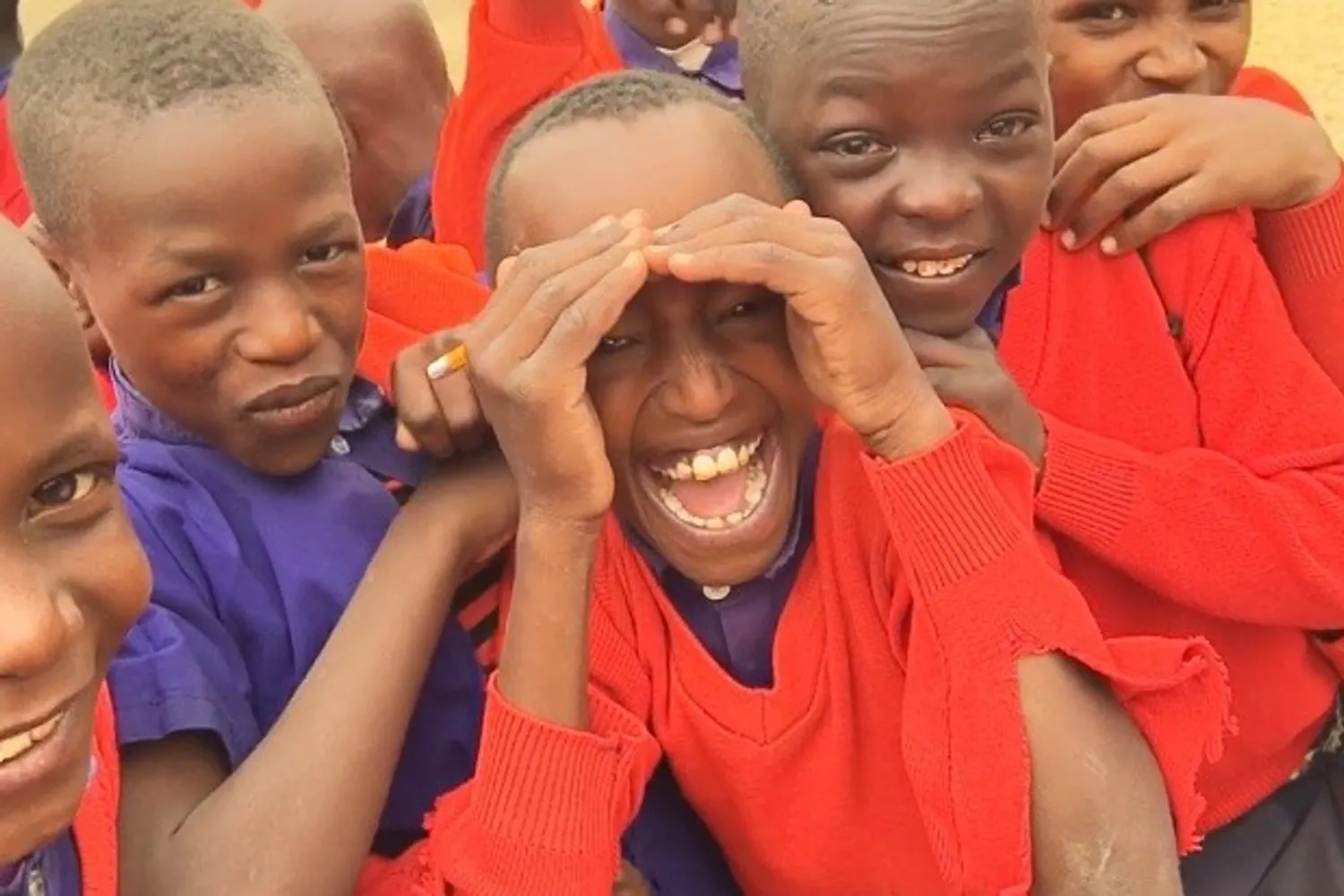
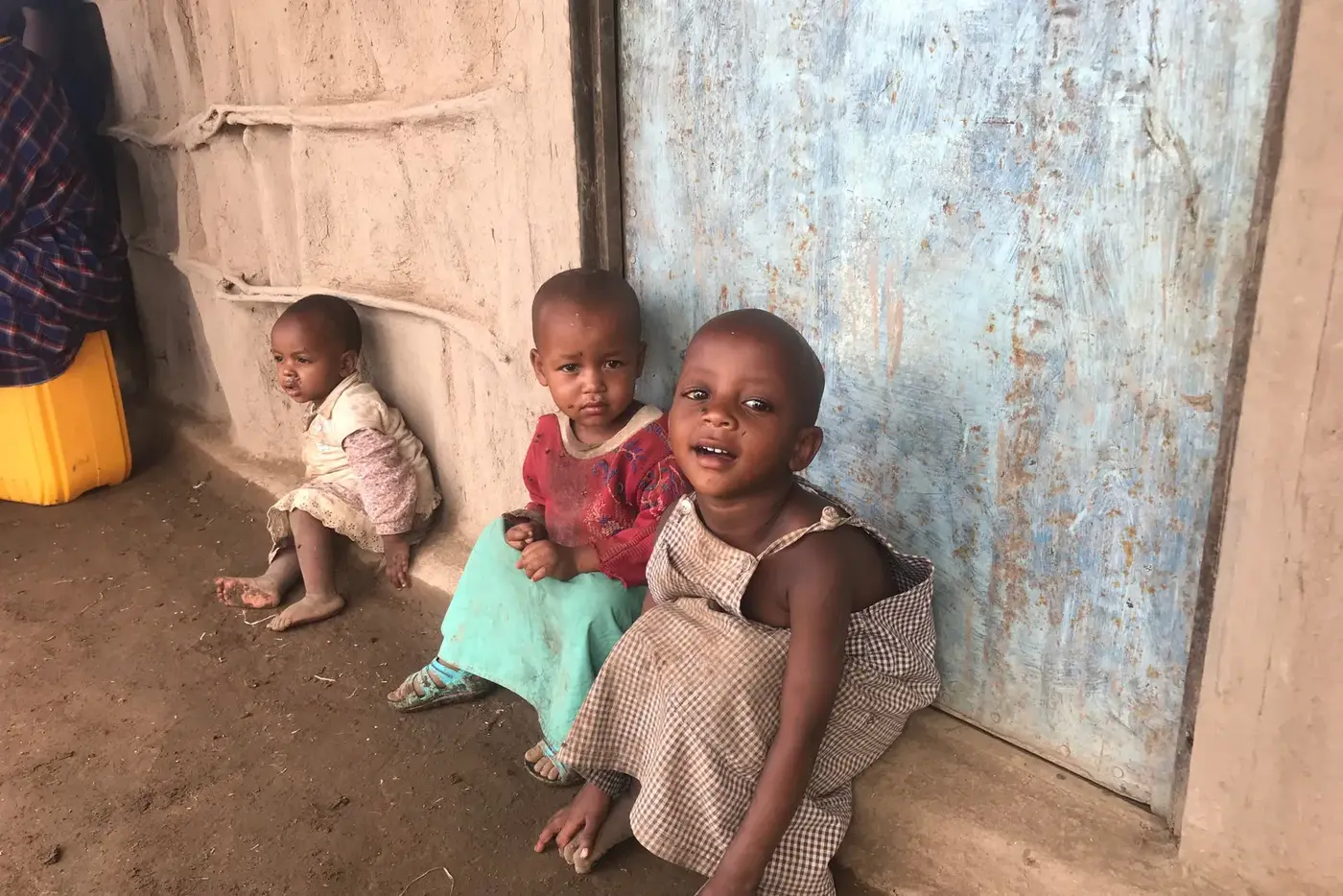
Beyond the camps we book, our founder Jennifer runs Two Hands One Heart TZ, a non-profit working with the Meserani Chini community near Arusha, Tanzania — the region where most of our safaris begin.
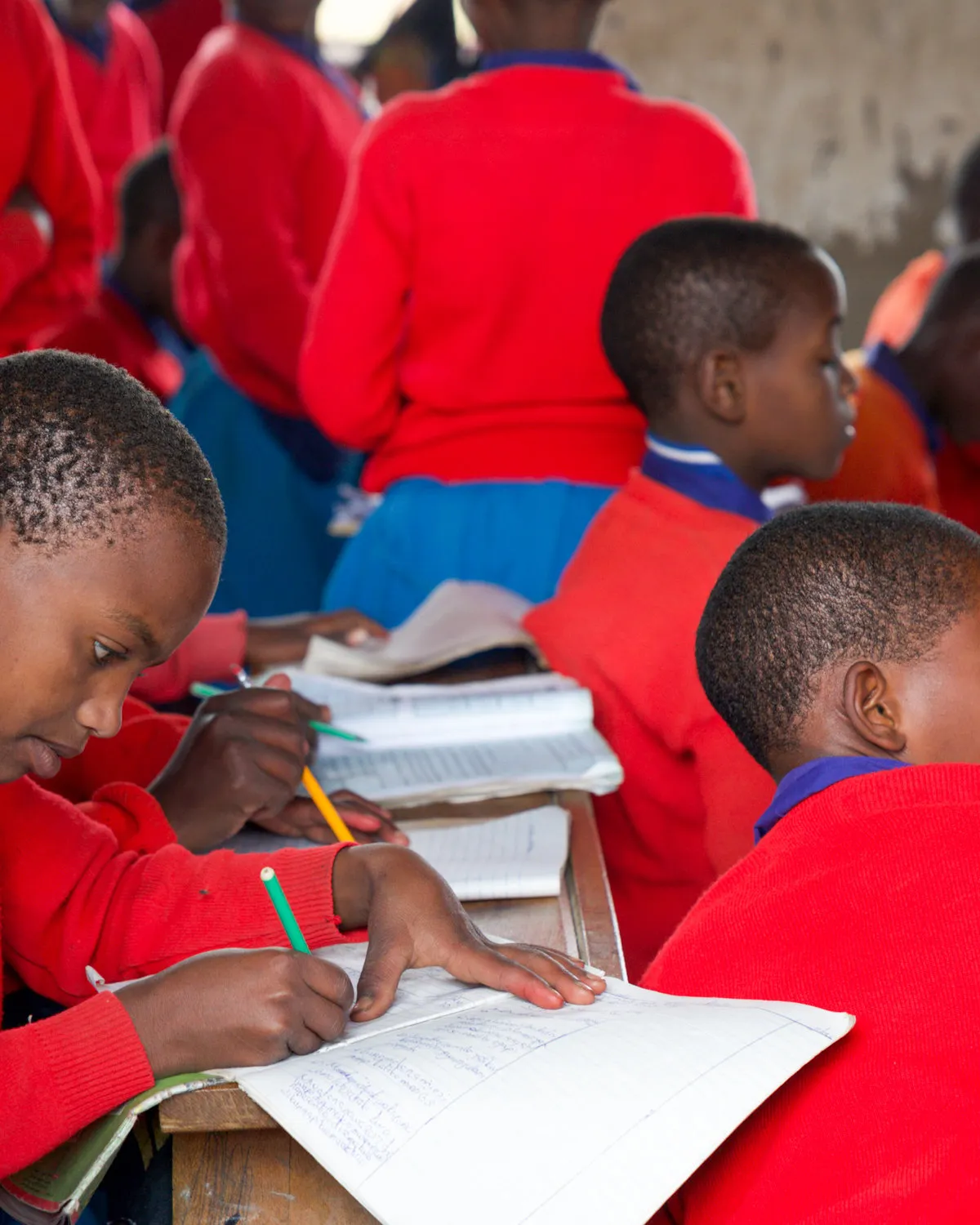
The focus is practical and long-term: education support at Meserani Chini Primary School, clean-water filtration for homes across the community, and direct family support. Traveling with us puts you one degree from this work — and many guests choose to visit.
School supplies, infrastructure and support for students at Meserani Chini Primary School.
Filtration systems for homes across the community — safe drinking water, house by house.
Starting your safari from Arusha? Ask us about visiting the community — a genuine connection, never a show.
Small choices that add up
None of this requires sacrifice — a responsible safari looks and feels exactly like a wonderful one. A few habits make your impact even better.
Fewer flights and transfers, deeper sightings, and more of your spend staying in one ecosystem.
Crafts bought at community workshops and fair tips to guides and camp staff go straight into local hands.
Your guide will never crowd or pressure wildlife for a photo — and neither should anyone. The best sightings come to the patient.
Want your itinerary weighted toward community-owned conservancies or specific conservation projects? Tell us — we'll build it that way.
Conservation safari questions
Does a conservation-focused safari cost more?
Not as a rule. Park and conservancy fees, which pay for rangers, anti-poaching work and habitat, are part of every safari price, at about $70 to $100 or more per person per day in the national parks. Some camps add a per-night conservation levy for specific projects and publish where it goes. Every journey is priced to your budget, and we show each fee and levy as its own line in your proposal.
Where does the money from a safari go?
Through four main channels: park and conservancy fees that fund rangers and habitat and, in private conservancies, lease the land from its community owners; local jobs, with a single camp typically employing 40 to 100 people; conservation levies for named projects; and community projects such as schools, clinics and clean water.
How do you choose responsible safari camps?
We ask four questions: who owns the land, who works there, how the camp treats wildlife and what its footprint is. We favor camps in community-owned conservancies and private reserves and camps that hire and train locally, and we never book captive-wildlife encounters such as lion petting or elephant rides.
Can we visit a community project during our safari?
Yes, if your safari starts from Arusha. Our founder Jennifer runs Two Hands One Heart TZ, a non-profit working with the Meserani Chini community on education and clean water, and many guests choose to visit. It is a genuine connection, never a show; ask us when you plan.
Travel that leaves
the wild wilder.
Tell us what matters to you and we'll design a safari whose impact you can be proud of. Your first consultation is complimentary; a $500 USD planning fee covers your personalized itinerary and is deducted from your deposit when you book.
Inquire now