A luxury Kenya safari is where safari really got started.
The Maasai Mara, elephants below the snows of Kilimanjaro at Amboseli, and the private conservancies along the Great Migration’s route. Kenya also holds species found nowhere else. See our guide to safari wildlife across Africa.
A private luxury Kenya safari takes you from the rolling grasslands of the Maasai Mara, the northern stage of the Great Migration and on to elephant herds framed by Mount Kilimanjaro at Amboseli and the rare northern species of Samburu. Stay in exclusive private conservancies bordering the Mara for off-road game drives, night drives and walking safaris few ever experience.
Every journey is privately designed, with private guides and vehicles arranged where specified. At fly-in camps, game drives may be shared unless a private vehicle is reserved. You can also finish on Kenya's Indian Ocean coast.
Written and reviewed by NndeeAfrika · Last reviewed August 2026
Kenya's great parks & conservancies
Maasai Mara
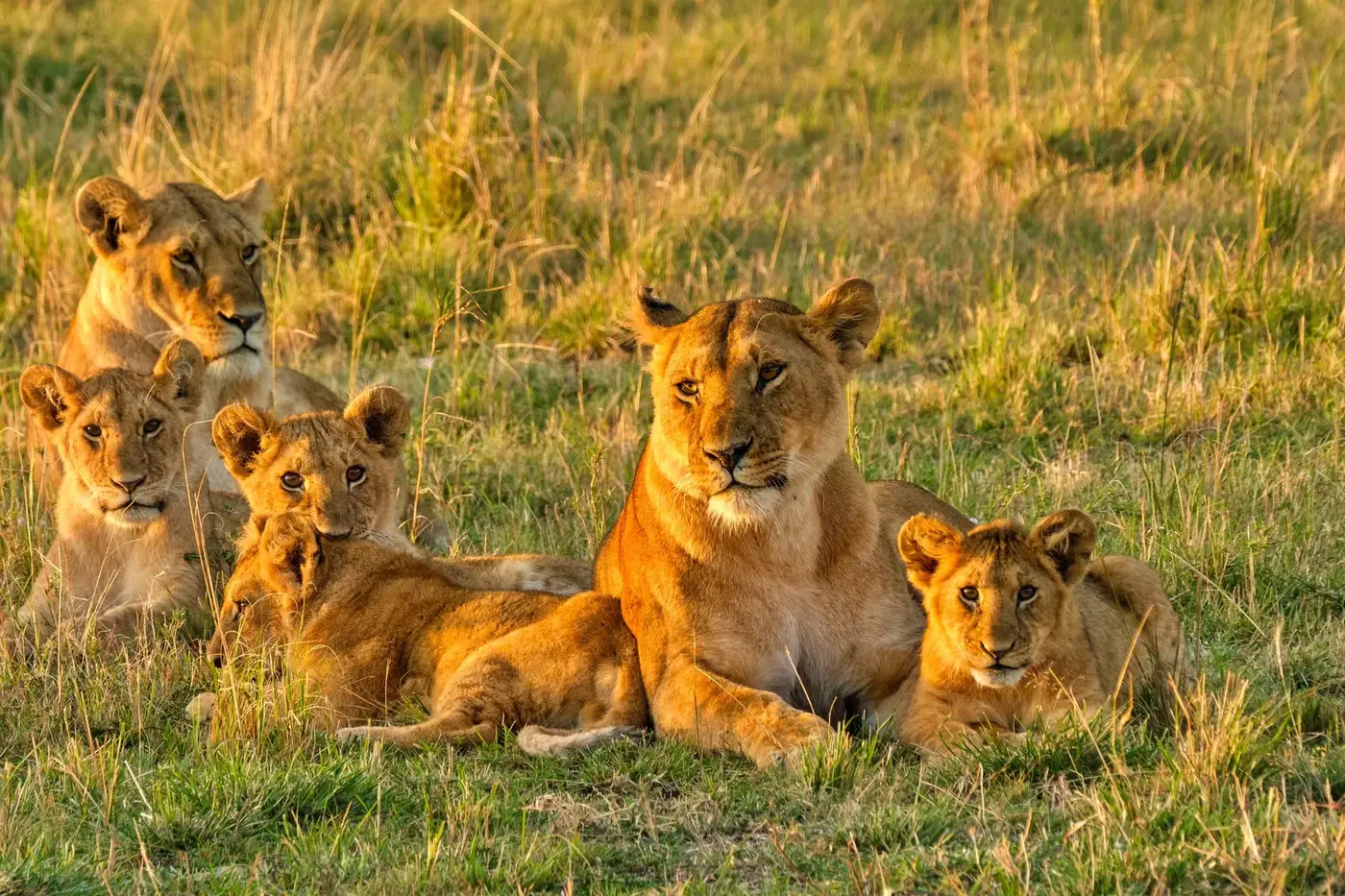
Kenya’s flagship reserve, with big cats year-round and the Great Migration from July to October.
Explore Maasai Mara →
Amboseli National Park
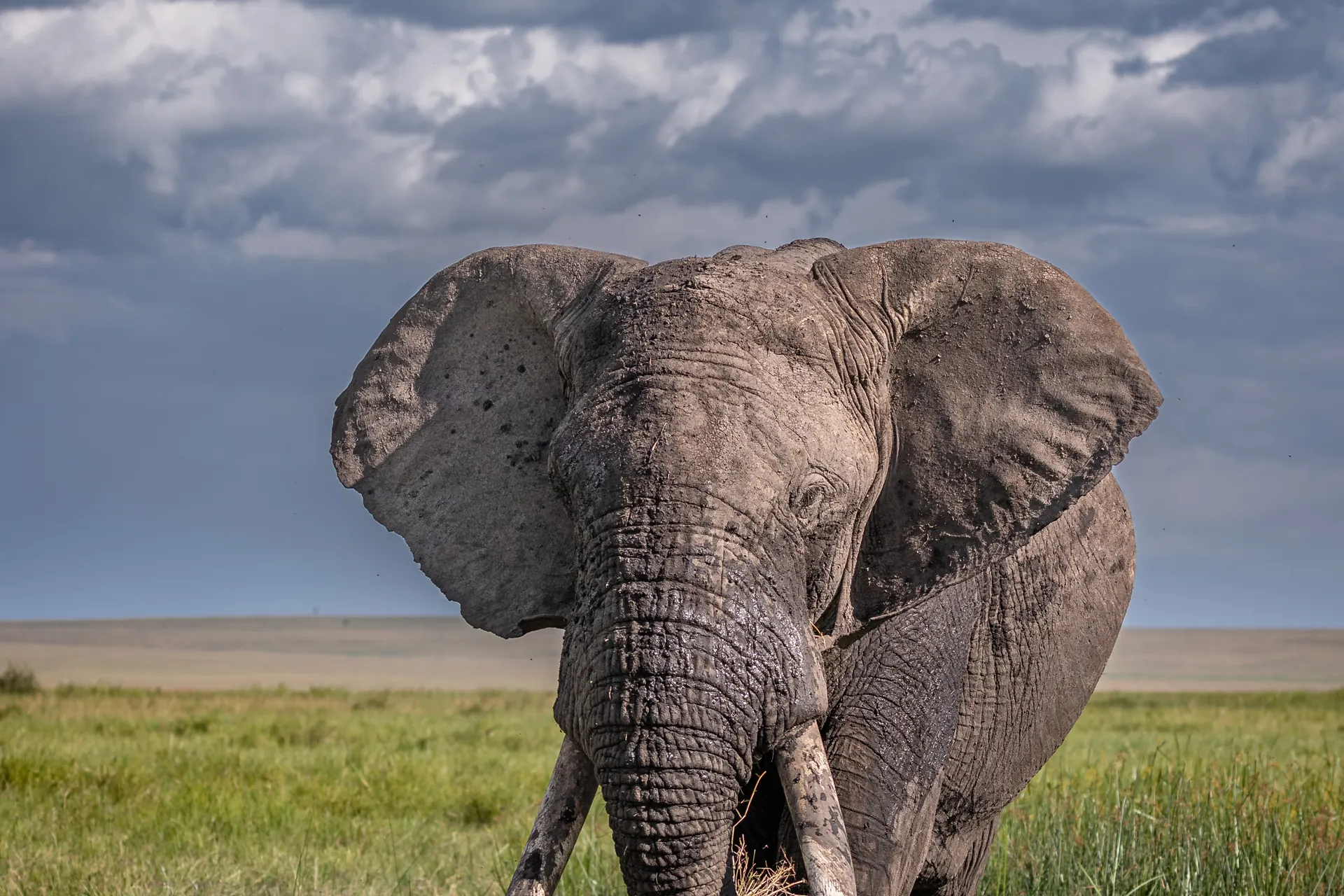
Great elephant herds framed by the snow-capped silhouette of Mount Kilimanjaro.
Explore Amboseli National Park →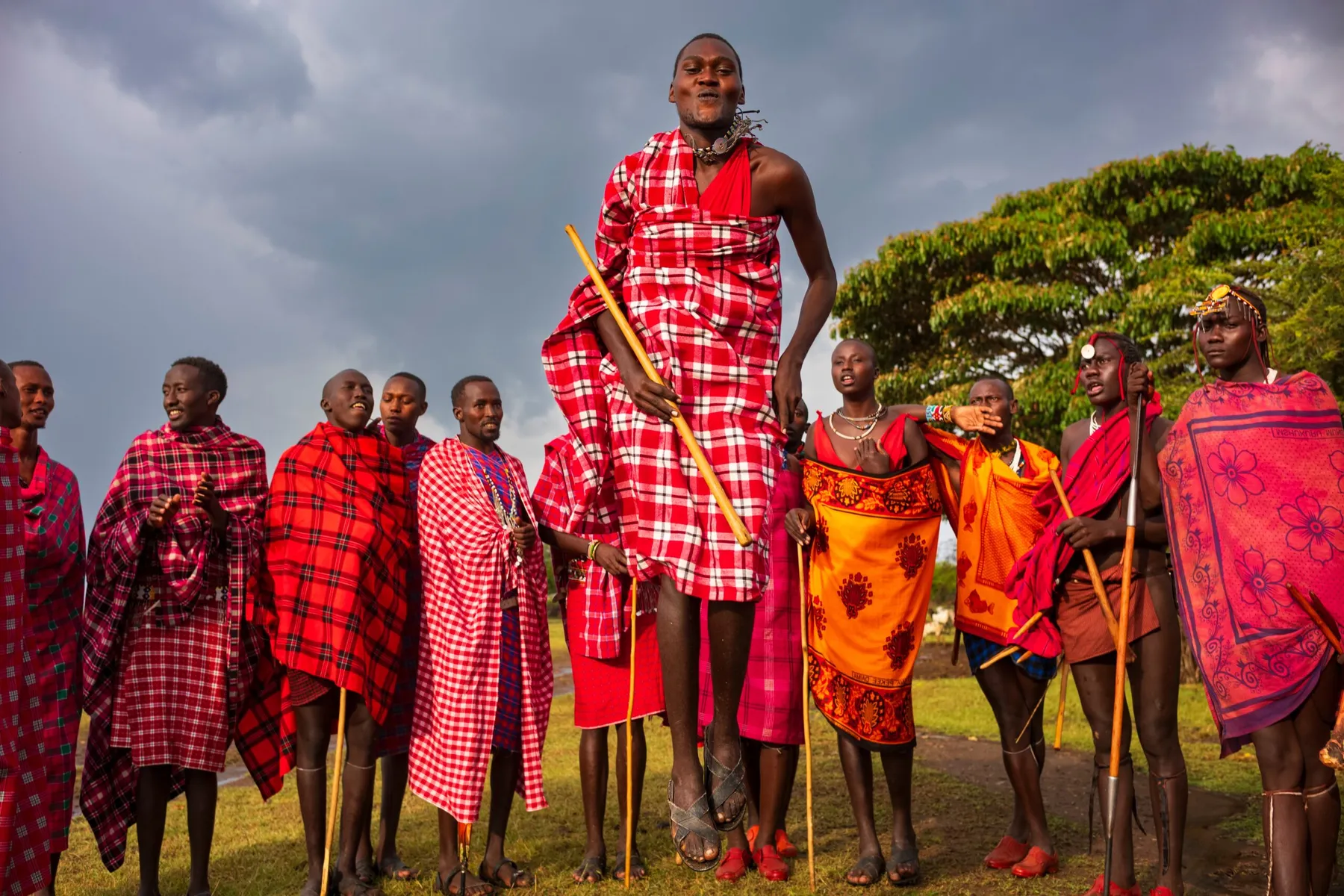
Samburu Reserve
Rugged northern wilderness home to the rare “Samburu Special Five” species.
Explore Samburu Reserve →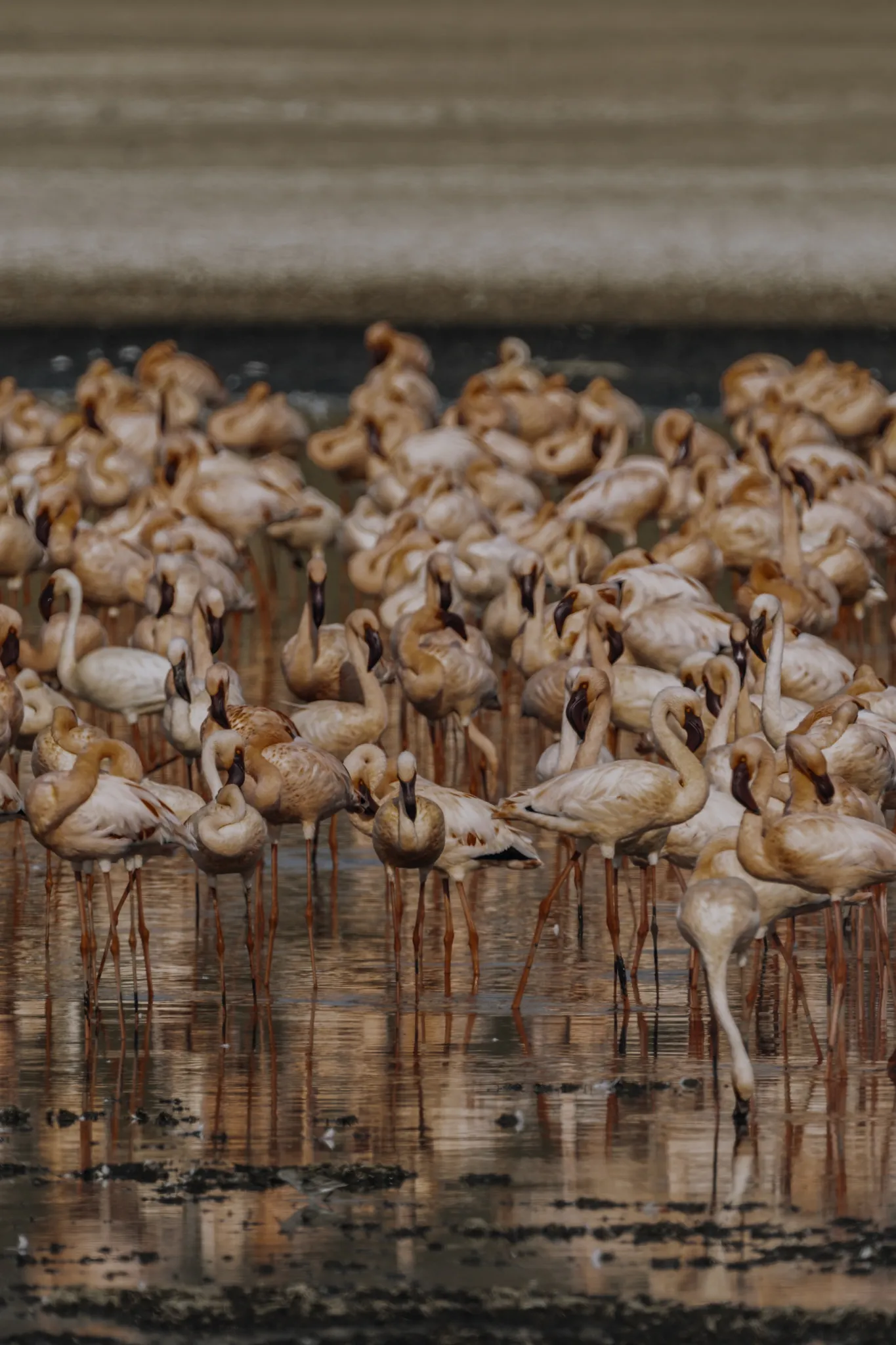
Lake Nakuru
A Rift Valley jewel, home to black and white rhino and shimmering flamingo-pink shores. Pair Nakuru or Laikipia with the Mara and you have all of Africa’s Big Five.
Explore Lake Nakuru →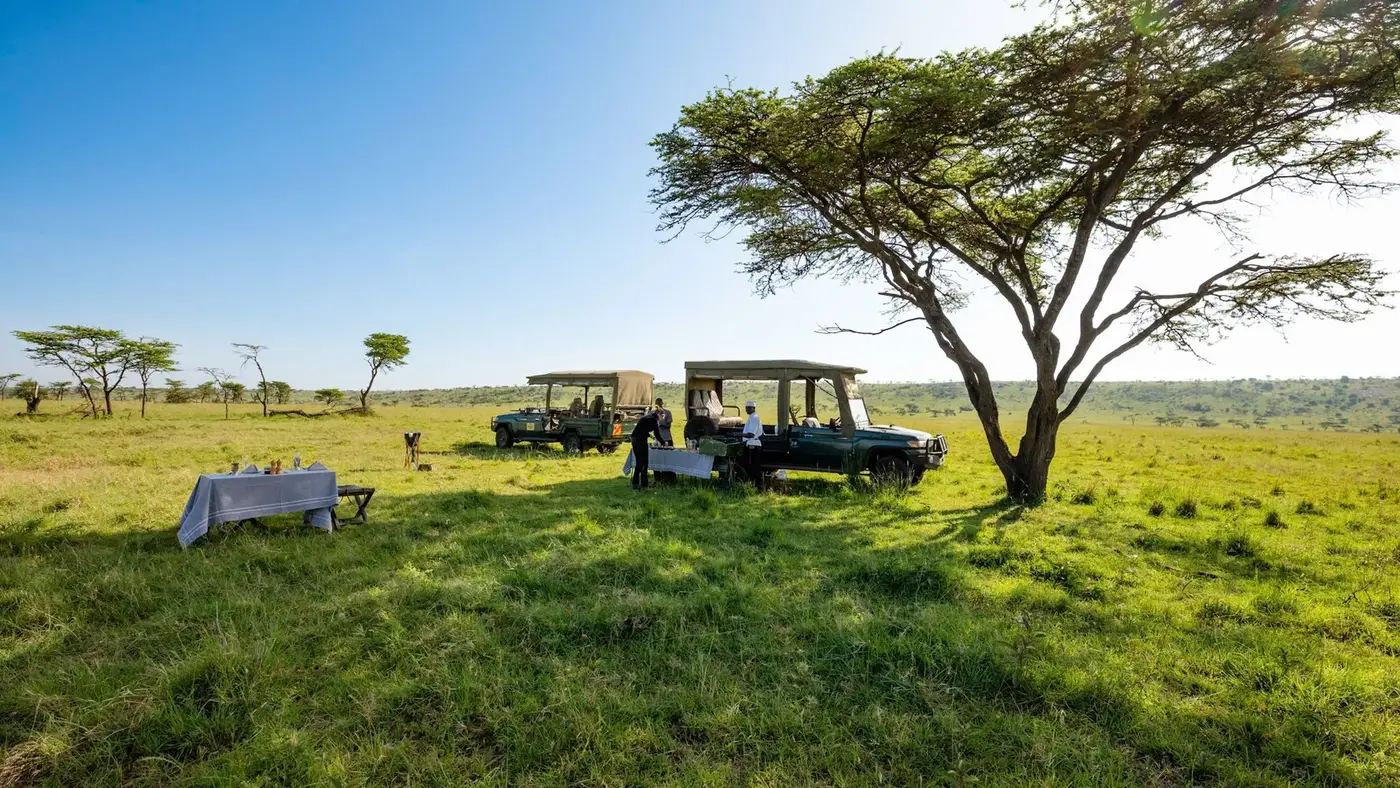
Private conservancies
Exclusive Mara conservancies with off-road drives, night drives and walking safaris.
Explore Private conservancies →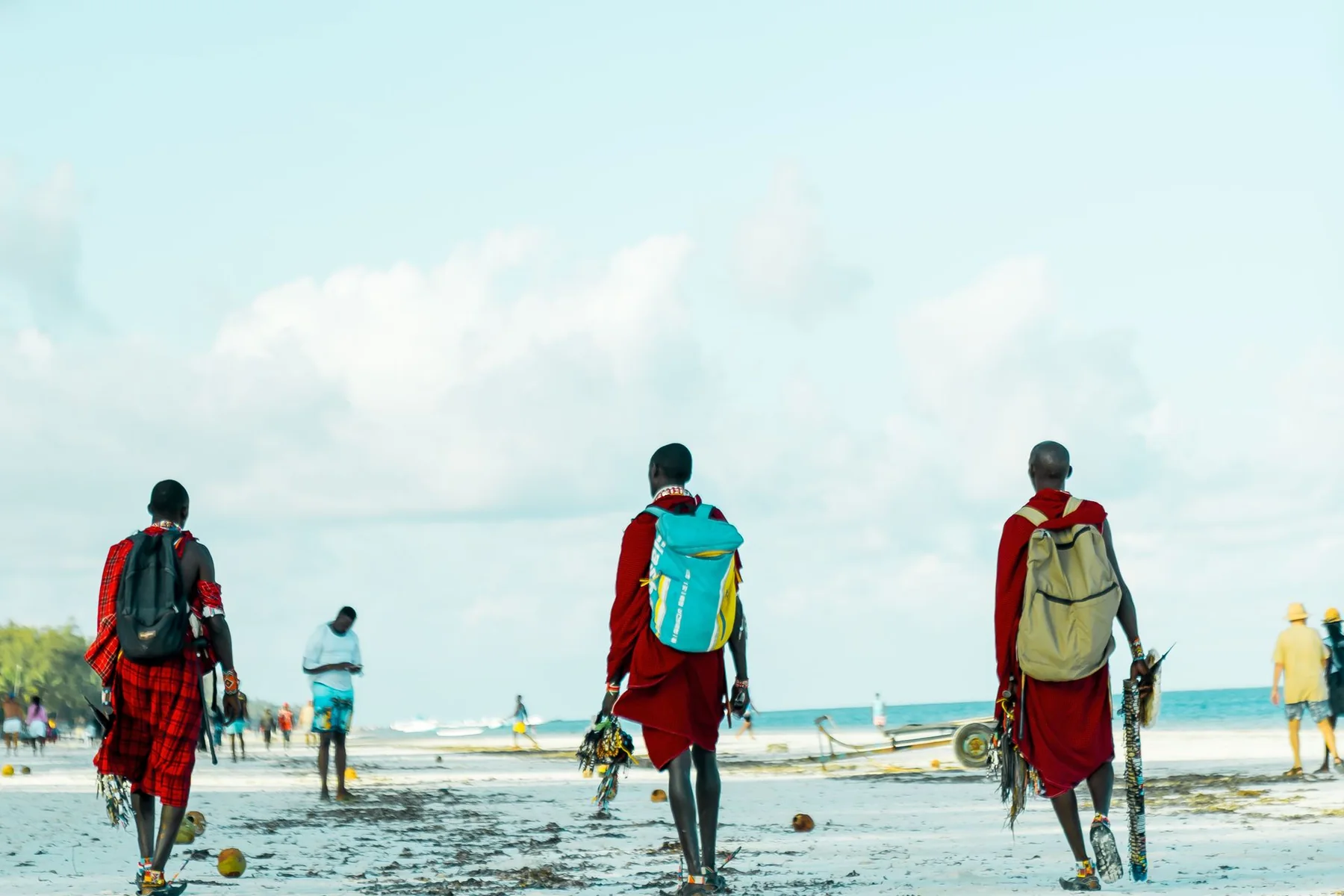
The Indian Ocean coast
Finish on the beaches of Diani, Lamu or Watamu for a bush-and-beach vacation.
Often called the greatest wildlife show on earth
From July to October the migration reaches the Maasai Mara, and the wildebeest brave the crocodile-filled Mara River. Meanwhile, the surrounding private conservancies offer the same wildlife with a fraction of the vehicles. The conservancies are also where private camps and villas work best. Then borrow a shape from our sample itineraries and we will rebuild it around you.
Witness wildebeest brave the crocodile-filled Mara River from July to October.
The Mara holds one of the highest densities of lion, cheetah and leopard in Africa. In fact, on our own visits the game viewing has been epic even by African standards. All three big cats showed themselves.
By contrast, conservancy camps hold strict vehicle limits at every sighting and stay open to off-road driving, night drives and guided walks, none of which the national reserve allows. In addition, your conservancy fees lease the land directly from Maasai landowners.
Spend time with the Maasai communities who steward these legendary grasslands.
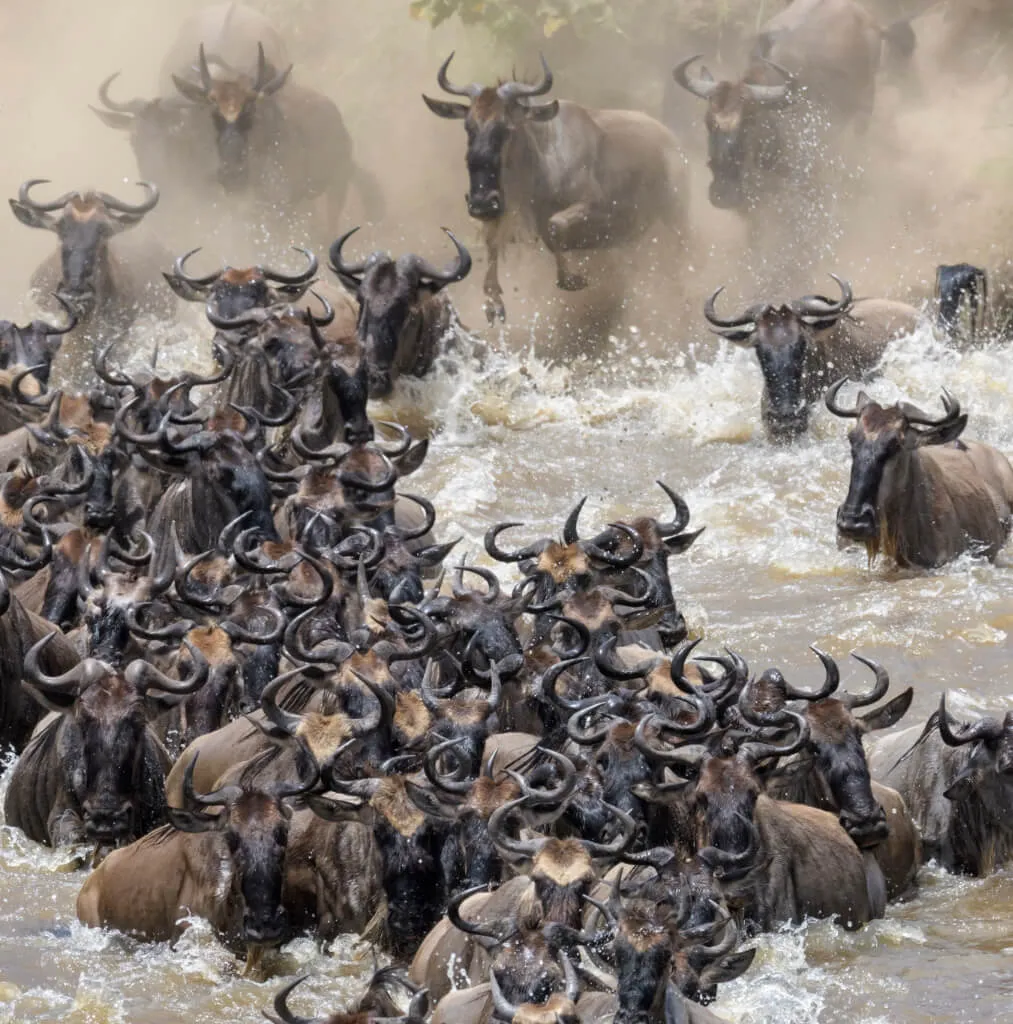
The Mara River crossings: the migration’s most dramatic hour
Luxury Kenya safari packages, tailor-made
Instead of starting from scratch, most travelers begin with one of our sample routes and shape it around their dates, the camps they like and the pace that suits them. Each one is a starting point rather than a fixed package, and it is priced to your budget once the details are set.
See all sample itineraries →- 10-Day Big Five Safari in Kenya
Nairobi, Amboseli, Laikipia and a private Maasai Mara conservancy.
- 11-Day Kenya Family Safari & Beach
The Maasai Mara, then the Kenyan coast or Zanzibar, paced for children and grandparents.
- 12-Day Kenya Safari & Seychelles
The Maasai Mara and Amboseli, then Mahé or Praslin in the Seychelles.
- 13-Day Kenya & Tanzania Private Safari
Amboseli, the Maasai Mara, the Serengeti and the Ngorongoro Crater.
- 10-Day Rwanda Gorilla Trek & Maasai Mara Safari
Gorilla trekking in Volcanoes National Park, then the Maasai Mara.
Where you’ll stay in Kenya
We select where you stay privately around your journey. We recommend each camp, lodge or villa according to its location, season, guiding, privacy and suitability for the people traveling. You’ll see the places we suggest, and why, in your itinerary. For the very top end, see our guide to luxury safari lodges in Africa.
Plan your private safariBest time to visit Kenya
The Great Migration in the Maasai Mara, with the famous Mara River crossings. This is Kenya's peak season.
Warm, dry and uncrowded, with superb resident game viewing across the Mara, Amboseli and Samburu.
The long rains have ended and the grass is dropping. Resident game viewing is excellent at gentler rates, just before the herds arrive.
The short rains: brief afternoon showers, green light for photographers and quiet camps until the festive weeks, which book out first.
The long rains. Some camps close; however, those that stay open offer their lowest rates. Still, expect dramatic skies, newborn wildlife and the Mara nearly to yourself.
Month by month across the continent, see when to visit Africa.
Planning essentials
Fly into Jomo Kenyatta International Airport (NBO); light-aircraft safaris depart Wilson Airport for the Mara and beyond.
Kenya's eTA, malaria advice and yellow-fever rules are set out in Know before you go below. The full detail on packing, connectivity, money and tipping is in our Safari Planning Guide.
Private, bespoke Kenya safaris, priced privately to your trip. Book 10–12 months ahead for peak migration season.
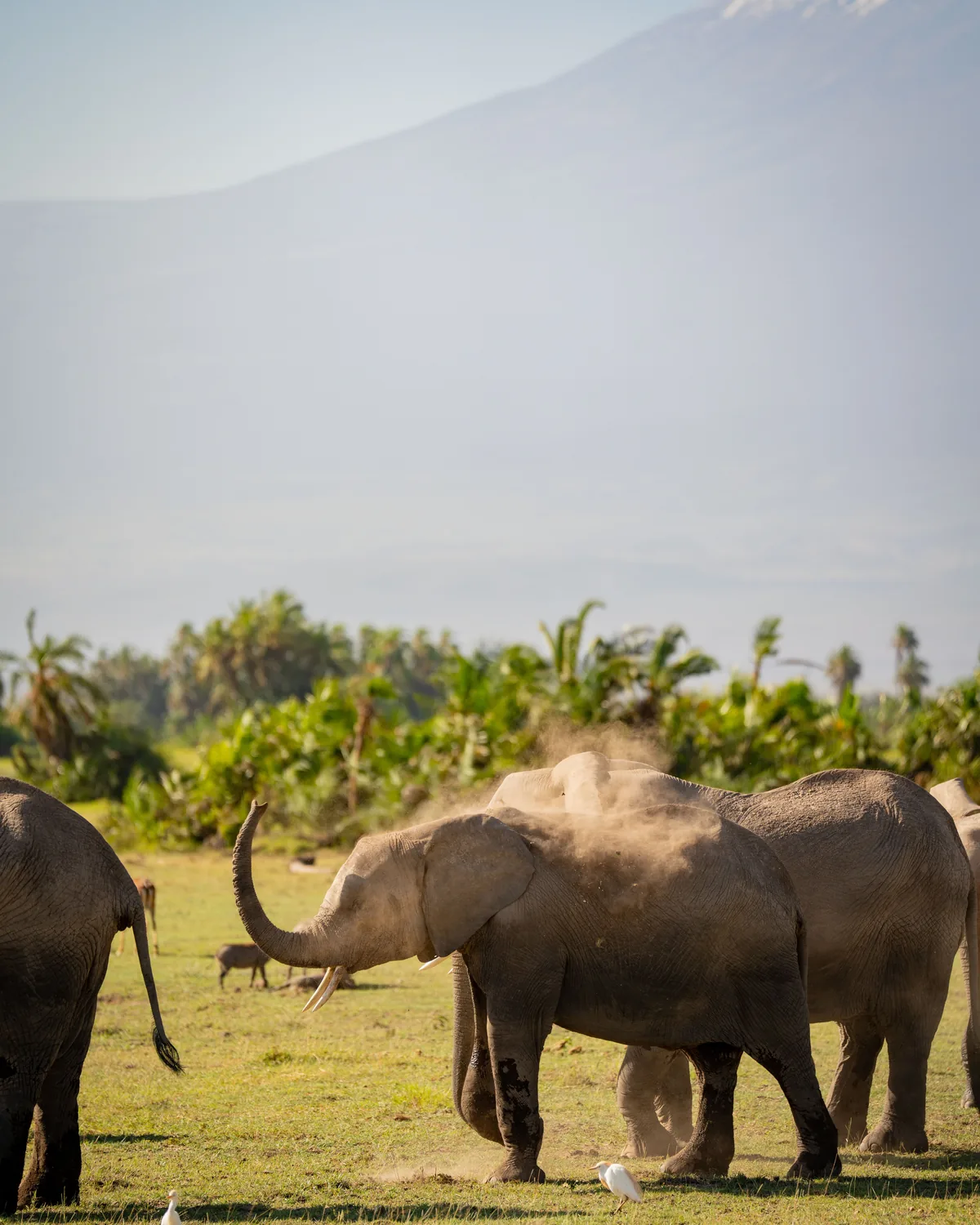
Amboseli: elephants beneath Kilimanjaro
Know before you go
Flights, entry rules, health and money: the practical details we handle for you. Requirements can change, so we confirm everything when you book. Planning a Kenya safari for older travelers? Our safari guide for older travelers covers pacing, fly-in routes and the most comfortable camps.
For example, Kenya Airways flies nonstop from New York JFK to Nairobi in about 14 hours. Morning arrivals connect straight to the Mara by light aircraft, so you can be in camp for lunch.
Kenya is visa-free for US citizens, but you must apply online for an eTA (about $30) at least two weeks before departure. We'll remind you when it's time.
Apply for the Kenya eTA ↗We recommend malaria prophylaxis for the parks, although Nairobi's altitude keeps the city low-risk. You only need a yellow fever certificate if you arrive from an endemic country.
The Kenyan shilling is local, but USD is accepted at camps and for tips. Tipping is entirely at your discretion. In general, guests set aside about $20–25 per person per day for their guide and $10–15 for camp staff. Cards cover the rest.
Kenya travel advisory: the US State Department rates Kenya Level 3, “Reconsider travel” (updated 19 October 2026). Its do-not-travel areas are the Somali border counties, the coast north of Malindi, the far north and northwest, and two Nairobi neighborhoods; the Maasai Mara, Amboseli, Laikipia and Samburu are not among them. That is why we check the latest advisory for every itinerary, and our safari safety guide explains each country’s rating.
How many days do you need in Kenya?
The minimum is five nights. The Maasai Mara sits under an hour from Nairobi’s Wilson Airport by light aircraft, so Kenya rewards even a shorter trip, but the country opens up properly at ten.
The Mara, properly. Fly straight in and split your nights between the national reserve and a bordering private conservancy for big cats, big skies and, from July to October, the river crossings.
Add a second ecosystem. Then pair the Mara with Amboseli’s elephant herds beneath Kilimanjaro, or fly north to Samburu for species the southern parks cannot show you: reticulated giraffe, Grevy’s zebra, gerenuk.
The full arc. The Mara plus two more ecosystems at an unhurried pace. This is also the length we recommend for a first visit. For instance, our 11-day Family Safari itinerary shows the shape of it.
Bush, beach or both countries. Finish on the Indian Ocean, as in our twelve-day Mara & the Indian Ocean journey, or cross the border for the thirteen-day East Africa Circle through Kenya and Tanzania.
One rule worth carrying: an extra night in a reserve you are already in beats an extra reserve. In other words, four nights in two camps will always outdo two nights in four.
Tailor-made, never packaged.
If you are comparing luxury Kenya safari packages and set-departure tours, you will not find either here. We do not sell packages. We design every journey privately, from a blank page, around your dates, your pace and the people you are traveling with.
In Kenya that matters more than almost anywhere. After all, the migration moves week by week, the best conservancy camps hold only a handful of tents, and the difference between a good safari vacation and a great one usually comes down to timing and placement. Kenya also joins Tanzania in a single journey by a short flight; our East Africa overview shows how the region fits together. Tell us what you are imagining, and start your Kenya safari here.
What a luxury Kenya safari costs
Every NndeeAfrika journey is tailor-made around your travel dates, interests and preferred pace. Every journey is priced to your budget, and your final quotation depends on the number of nights, season, destinations, accommodation, number of travelers, room arrangements, internal flights and private guiding requirements. Your proposal will clearly explain what is included and excluded.
Season comes first. In particular, the same camp can price very differently between the July–October peak and the green season. Then the setting: conservancy camps carry per-night fees that lease the land from Maasai landowners and cap guest numbers. Similarly, light-aircraft hops and a private vehicle add real cost, and real freedom.
Your quote covers your camps, guiding, park and conservancy fees, and every internal flight and transfer. However, international airfare, the eTA, insurance and tips sit outside. Also, budget about USD 1,200–2,500 per person for economy airfare from the US.
What drives the price, what is worth paying for and what is not: it is all in our luxury safari cost guide.
A day in Nairobi
Kenya’s capital deserves more than a layover. Give it a day between flights and safari. These are the stops our guests love.
Watch orphaned elephant calves at their morning mud bath and feeding, and adopt one. Indeed, it is one of the most moving hours in Africa.
Come eye-to-eye with endangered Rothschild’s giraffes from the raised platform in Karen, a conservation success story.
This is one of the few national parks on the edge of a capital city, with lion, rhino and giraffe against a skyline of high-rises, 20 minutes from downtown.
The farmhouse at the foot of the Ngong Hills where the author of Out of Africa lived. It also offers a window into colonial-era Kenya.
Long lunches in garden restaurants, Kazuri bead workshops and boutique shopping in Nairobi’s leafiest quarter.
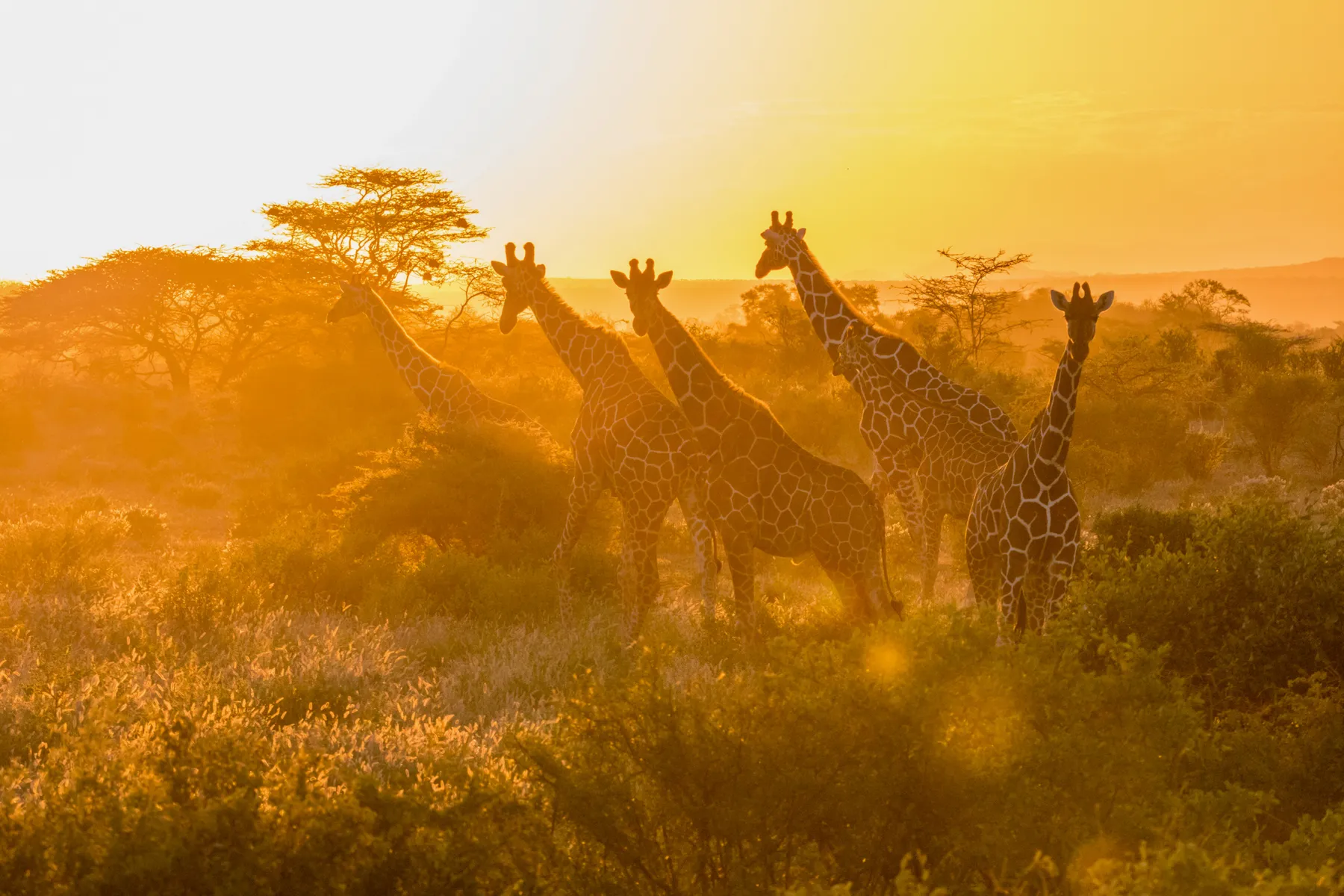
Samburu’s reticulated giraffe at dusk
Continue exploring
Serengeti & the Migration
The Serengeti, Ngorongoro Crater and the spice islands of Zanzibar.
Explore Tanzania → Rwanda & UgandaGorilla trekking
Add an hour with mountain gorillas to your East Africa safari.
Explore trekking → All destinationsPlan your African safari
Combine Kenya with Tanzania, Southern Africa and beach escapes.
Explore luxury African safaris →Kenya safari FAQs
Let's design your
Kenya safari.
Our luxury Kenya safaris are timed around the herds, the conservancies and the coast.
Tell us how you like to travel and start with a complimentary consultation.
Plan your safariFor official park rules, fees and opening hours, see the Kenya Wildlife Service.