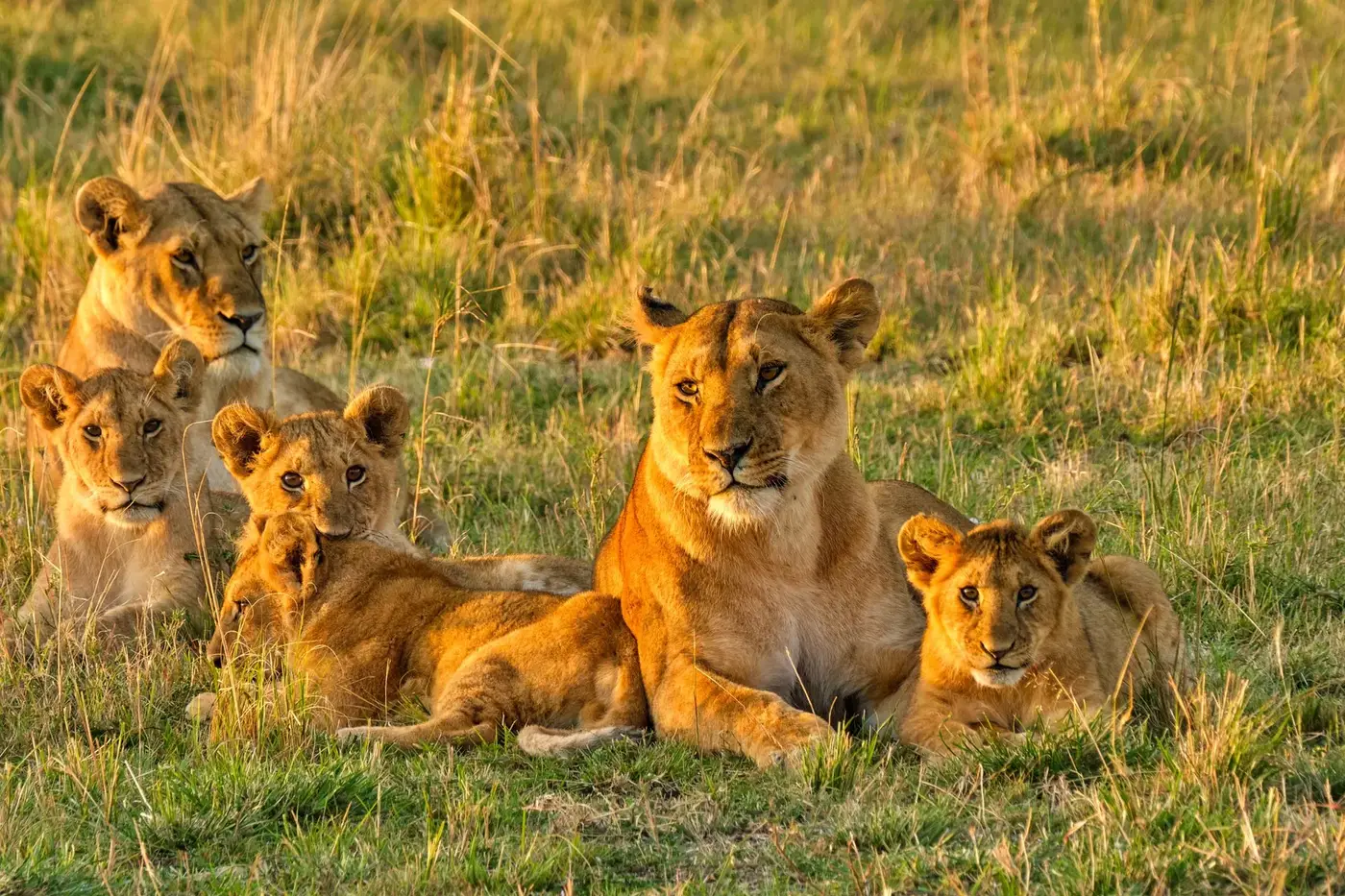
The Maasai Mara is the Serengeti’s northern reach and, acre for acre, some of the richest big-cat country on the continent. From July to October the migration masses here and the Mara River crossings draw the world — but the Mara is magnificent in any month. We cover the timing and the best vantage points in our guide to the Mara River crossings. See how the Mara fits a Big Five safari in Africa.
The real secret is the private conservancies bordering the reserve — Maasai-owned land where vehicle numbers are capped and off-road driving, night drives and walking are allowed. We place most guests there: the wildlife is the same, the experience is transformed.
Highlights of Maasai Mara
The river crossings
July to October — wildebeest braving the Mara River’s crocodiles in their thousands.
Explore The river crossings →The private conservancies
Naboisho, Olare Motorogi, Mara North — exclusive traversing, night drives and walking.
Explore The private conservancies →Big cats every day
The Mara’s lion prides, cheetah on the open plains and leopard along the river lines.
Balloon over the Mara
Dawn flight over the plains, champagne breakfast on landing.
Where you’ll stay in Maasai Mara
Where you stay is selected privately around your journey. We recommend each camp, lodge or villa according to its location, season, guiding, privacy and suitability for the people traveling. Your carefully curated selection will be presented within your tailor-made itinerary.
Plan your private safari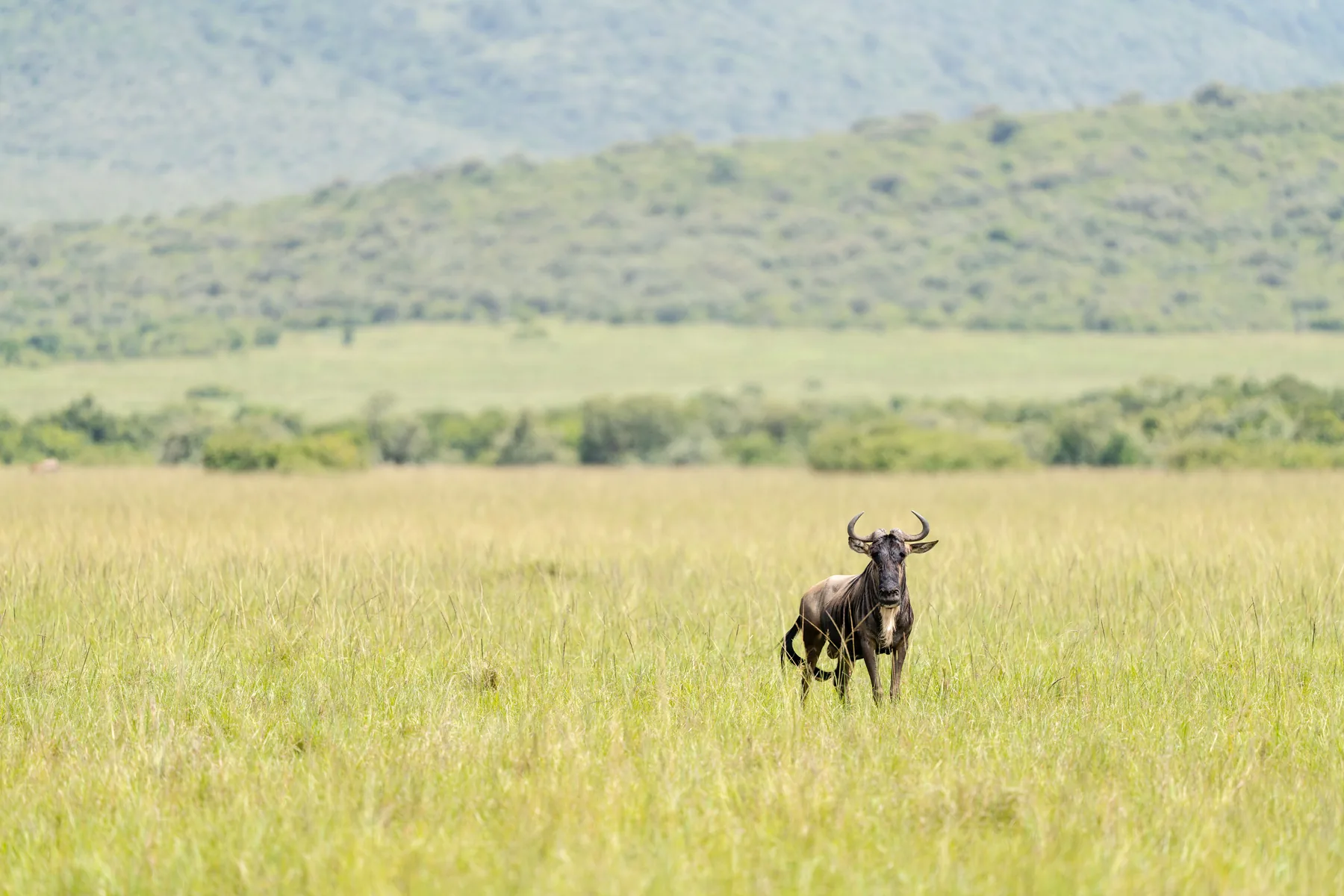
The Mara in green season — the months most travelers never see
Best time to visit the Maasai Mara
Migration season and the river crossings. Book camps 9–12 months ahead.
Dry, green and quiet — superb big-cat viewing without the crowds.
Short rains — dramatic skies, newborn gazelle and excellent value.
In the green months rates ease at many of these camps, the plains empty of vehicles and the light turns dramatic. What each season gives, and what it trades, is set out in our Safari Planning Guide.
Planning & cost
Fully tailor-made — priced privately to your camps, season and travel style. No fixed packages.
Every journey is privately designed, with private guides and vehicles arranged where specified, the finest lodges, and a specialist on call throughout. At fly-in camps, game drives may be shared unless a private vehicle is reserved.
Practical details,
in one place
Money, health, connectivity and packing work the same way on every safari we plan, so they live in one place rather than on every page.
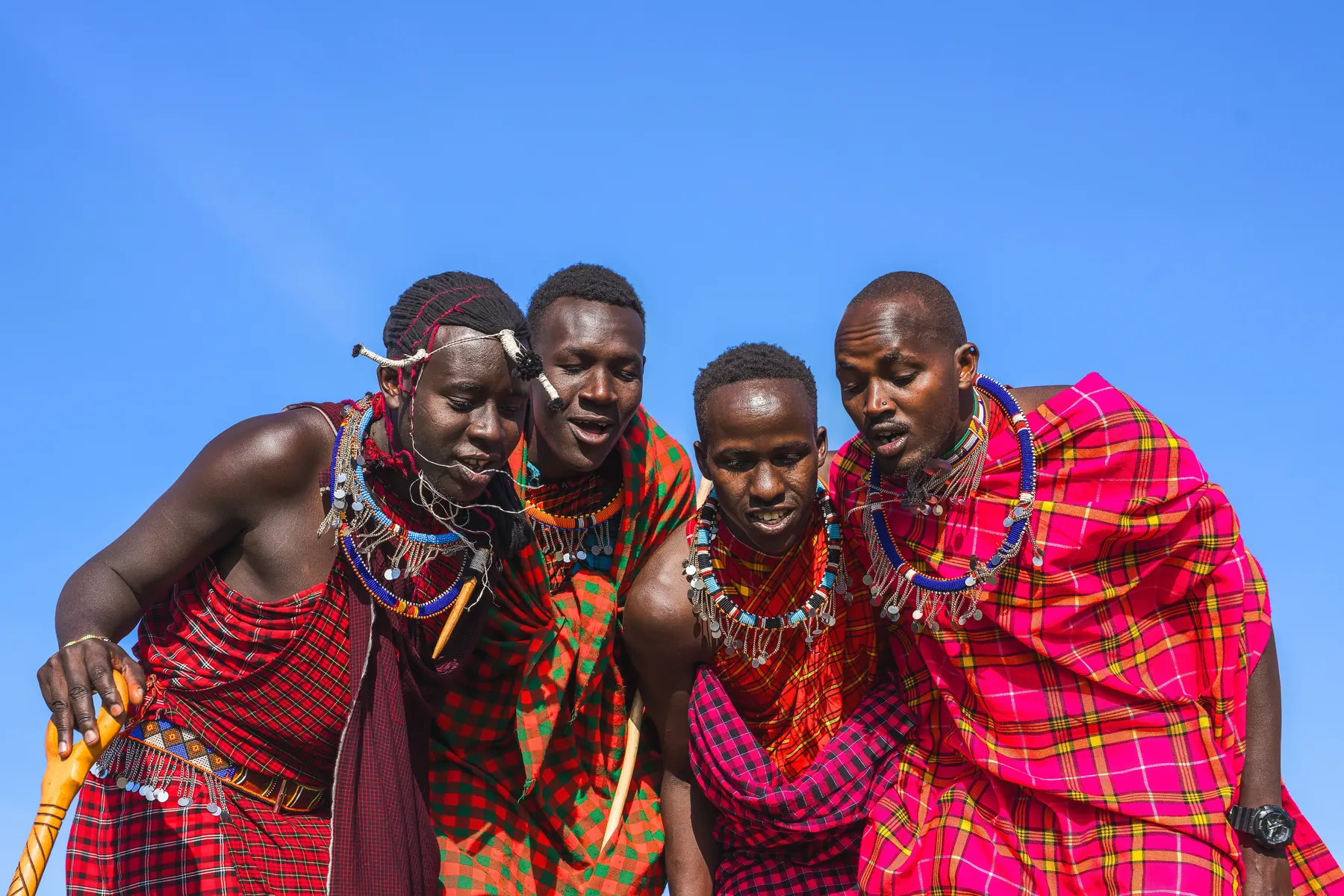
The Mara is Maasai land — and has been for four centuries
Continue exploring
Kenya
The Maasai Mara, Amboseli, Samburu and the Great Migration.
Explore → ExperienceThe Great Migration
Two million wildebeest on the move between the Serengeti and the Mara.
Explore → TanzaniaSerengeti National Park
The Serengeti — endless plains, two million wildebeest and some of Africa’s finest big-cat country.
Explore → RegionEastern Africa
The Great Migration, the Rift Valley and the gorillas — Tanzania, Kenya, Rwanda and Uganda.
Explore →Maasai Mara FAQs
Getting to Kenya — flights, visas and health
Current at the time of writing. We re-confirm every requirement for your exact routing before you travel — and we will tell you what to apply for, and when.
Let's design your Maasai Mara journey.
A Maasai Mara safari can be timed for the crossings or for the quieter months on either side.
Tell us how you like to travel and start with a complimentary consultation. When you are ready, a $500 USD planning fee covers your personalized itinerary and revisions, and is deducted from your booking deposit when you book.
Inquire now