North of Mount Kenya the land turns to acacia scrub and red earth, and the wildlife changes with it. Samburu is home to the “Special Five” — Grevy’s zebra, reticulated giraffe, Somali ostrich, beisa oryx and the gerenuk, an antelope that stands on its hind legs to browse.
Life gathers along the Ewaso Nyiro river: elephant digging for water, leopard in the riverine forest, and Samburu herders whose culture remains among the strongest in Kenya. It is a completely different safari from the Mara — which is exactly why we combine them.
Samburu is northern Kenya distilled: a dry, dramatic frontier where the Ewaso Ng’iro river draws elephant, leopard and the “Samburu Special Five” — Grevy’s zebra, reticulated giraffe, Somali ostrich, gerenuk and beisa oryx — species you will not see in the Mara. The Samburu people’s culture is as memorable as the wildlife.
Highlights of Samburu National Reserve
The Special Five
Five northern species you will not find in the Mara or Amboseli.
The Ewaso Nyiro river
The lifeline of the reserve — elephant, leopard and doum-palm shade.
Samburu culture
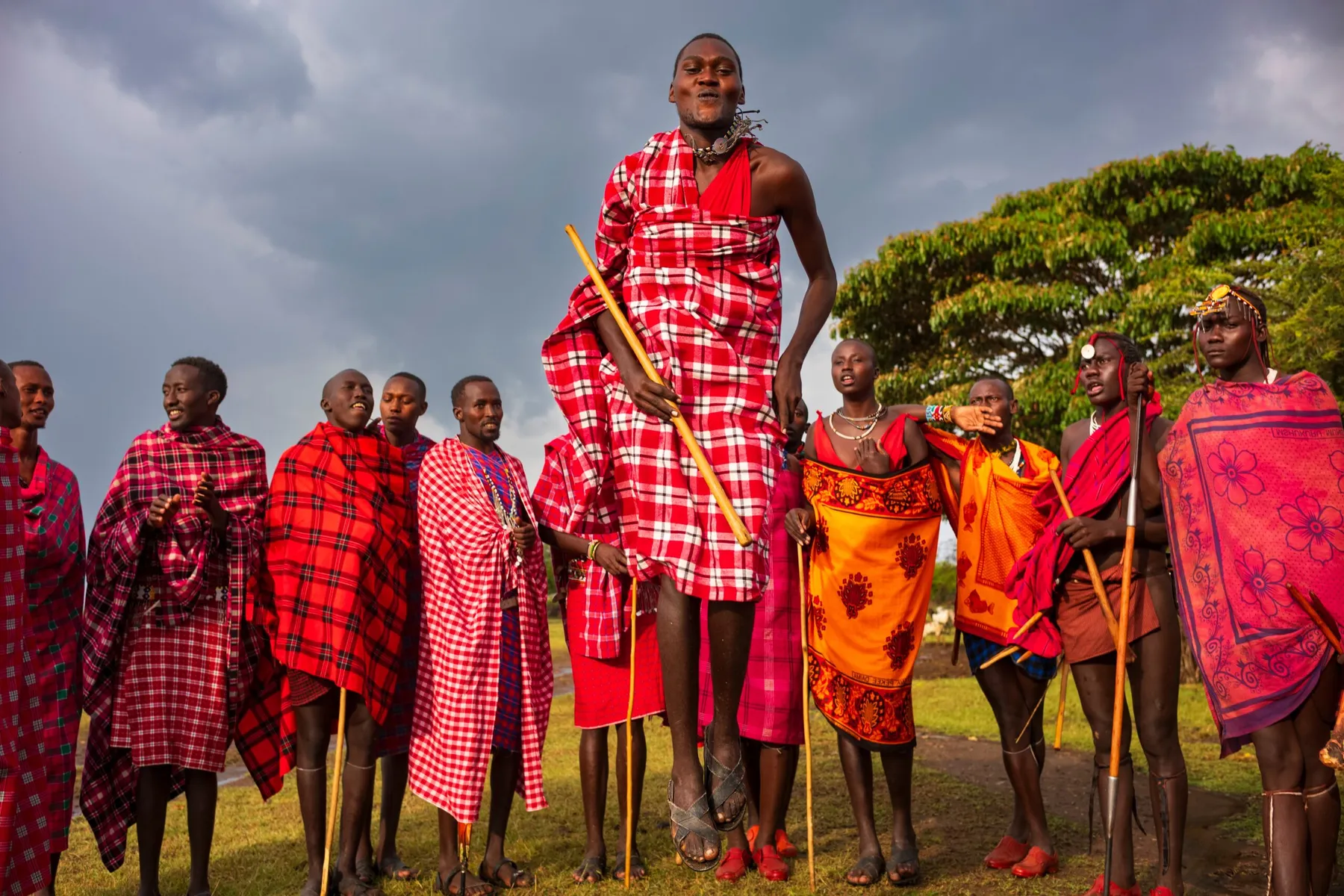
Visits led by Samburu warriors from the communities around the reserve.
Elephant research
Save the Elephants’ long-running study is based here — some camps arrange visits.
Where you’ll stay in Samburu National Reserve
Where you stay is selected privately around your journey. We recommend each camp, lodge or villa according to its location, season, guiding, privacy and suitability for the people traveling. Your carefully curated selection will be presented within your tailor-made itinerary.
Plan your private safari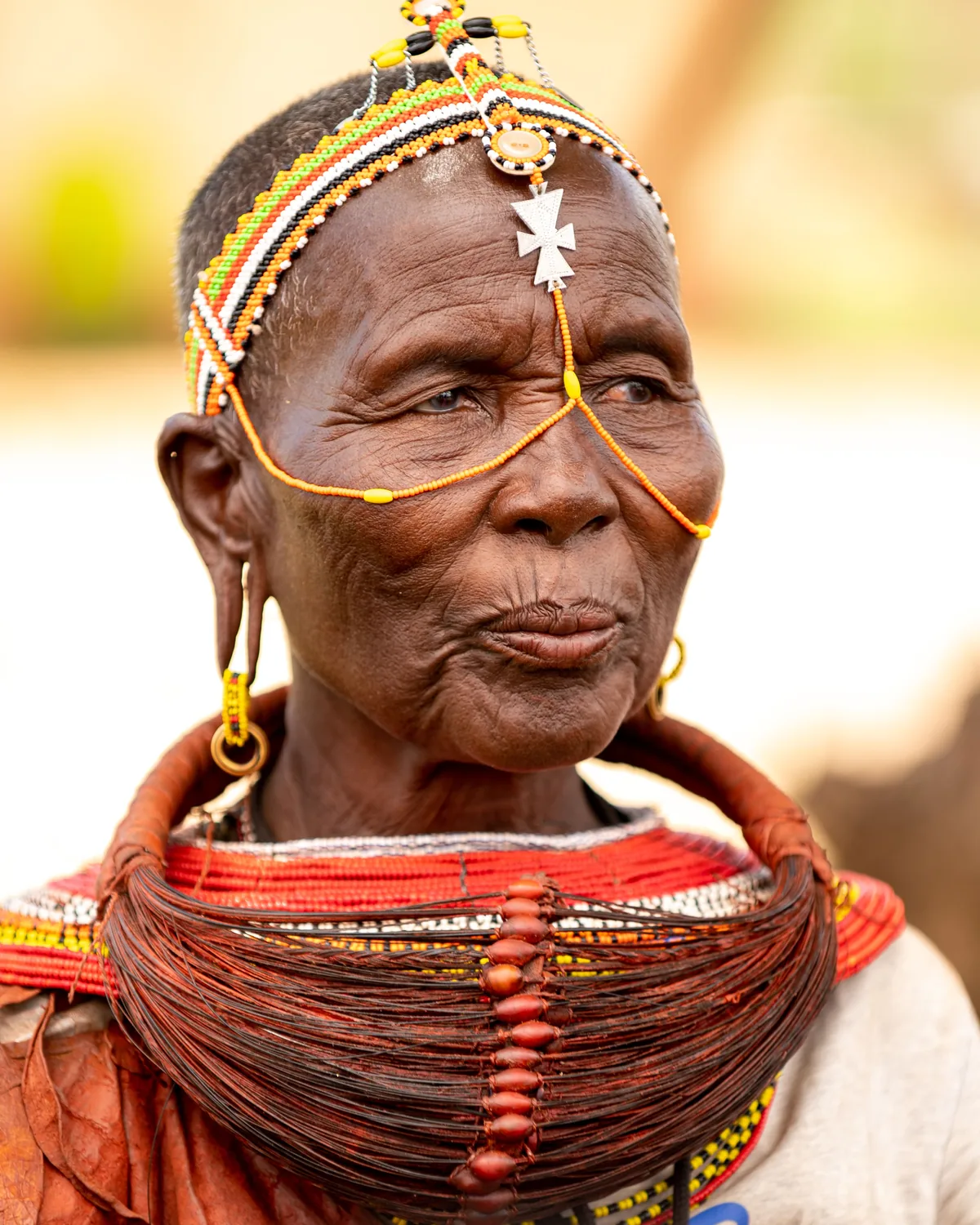
Best time to visit Samburu
Dry season — wildlife concentrates on the river.
Hot, dry and quiet — excellent game and photographic light.
In the green months rates ease at many of these camps, the plains empty of vehicles and the light turns dramatic. What each season gives, and what it trades, is set out in our Safari Planning Guide.
Planning & cost
Fully tailor-made — priced privately to your camps, season and travel style. No fixed packages.
Every journey is privately designed, with private guides and vehicles arranged where specified, the finest lodges, and a specialist on call throughout. At fly-in camps, game drives may be shared unless a private vehicle is reserved.
Practical details,
in one place
Money, health, connectivity and packing work the same way on every safari we plan, so they live in one place rather than on every page.
Continue exploring
Kenya
The Maasai Mara, Amboseli, Samburu and the Great Migration.
Explore → KenyaMaasai Mara
The Maasai Mara — big cats, river crossings and some of the finest year-round game viewing in Africa.
Explore → KenyaAmboseli National Park
Amboseli — great tuskers beneath the snows of Kilimanjaro.
Explore → RegionEastern Africa
The Great Migration, the Rift Valley and the gorillas — Tanzania, Kenya, Rwanda and Uganda.
Explore →Samburu National Reserve FAQs
Getting to Kenya — flights, visas and health
Current at the time of writing. We re-confirm every requirement for your exact routing before you travel — and we will tell you what to apply for, and when.
Let's design your Samburu National Reserve journey.
A Samburu safari brings species you will not see further south.
Tell us how you like to travel and start with a complimentary consultation. When you are ready, a $500 USD planning fee covers your personalized itinerary and revisions, and is deducted from your booking deposit when you book.
Inquire now