Delta, River & Falls
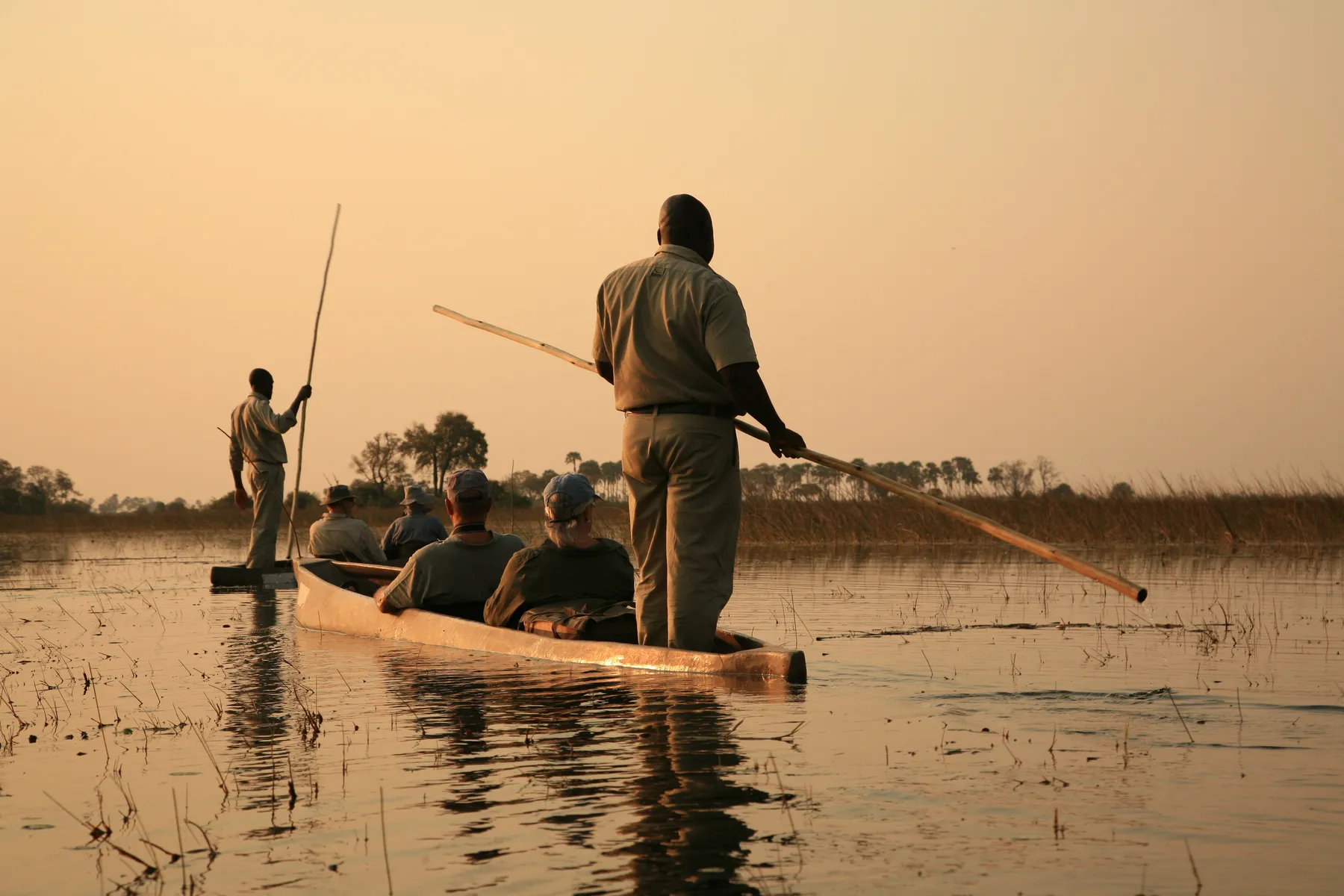
Light aircraft into a private concession in the Okavango Delta for mokoro, boat and 4x4 days, then Chobe’s elephants and Victoria Falls, with an optional helicopter flight.
View the Botswana journey →Written and reviewed by Evance & Jennifer, NndeeAfrika’s founders — Tanzanian-born, California-based · Reviewed October 2026 · Entry information checked August 2026 where shown
Sole-use villas, whole camps taken for your party alone, private guides and private vehicles — safaris where the only footprints at the sighting are yours.
Exclusive use means no strangers at dinner, no shared vehicles, no negotiating over the morning's plan. The camp runs to your family's rhythm — dawn starts for the photographers, slow breakfasts for everyone else, dinner whenever the sundowner ends.
It is how multigenerational families, close friends and anyone marking a milestone increasingly choose to travel — and, per person, often closer to regular camp rates than you would guess.
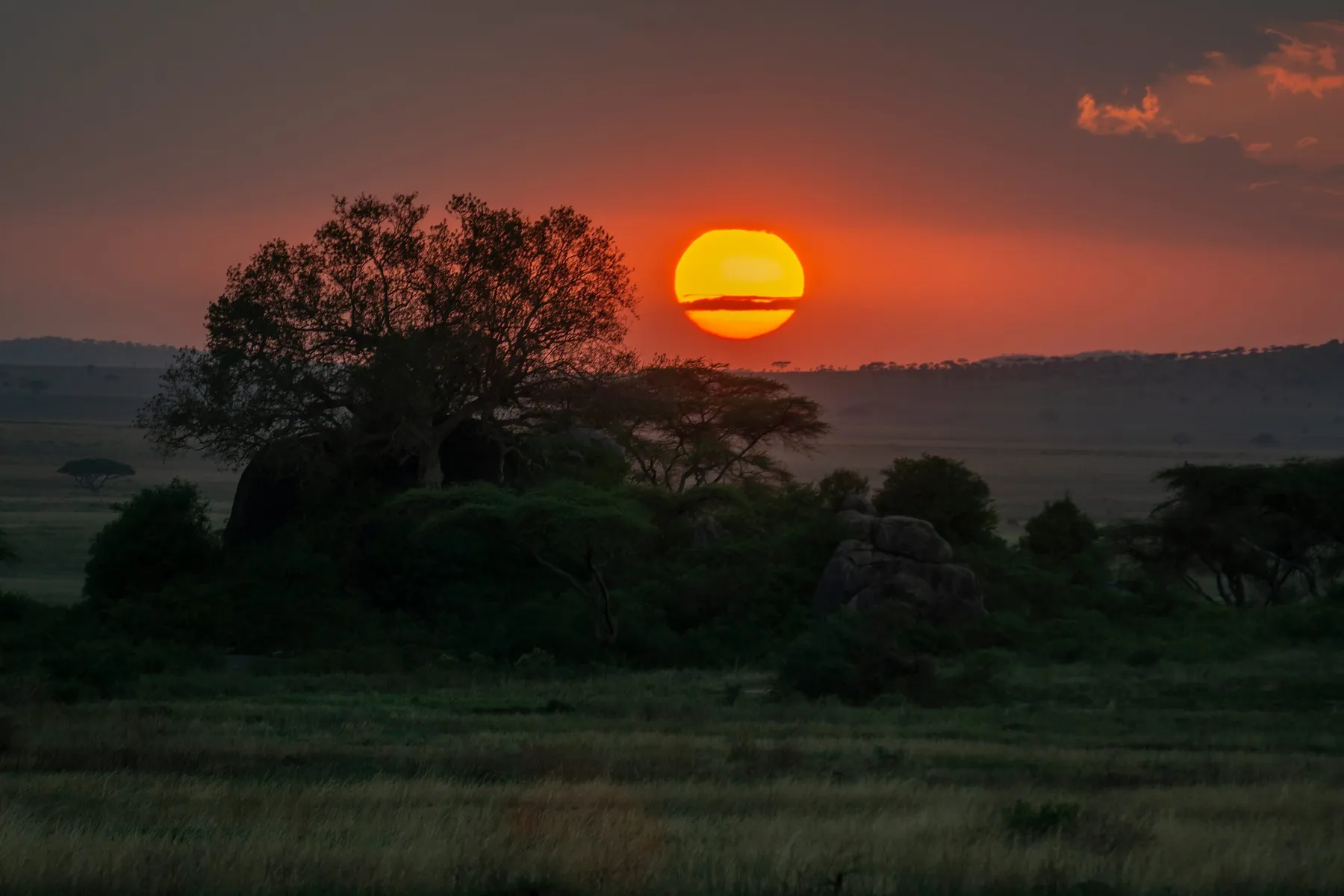
Golden hour, and every seat in the vehicle belongs to your party.
The essential upgrade, arranged wherever your itinerary specifies it — your own guide and 4x4, so every game drive runs on your curiosity, not a schedule.
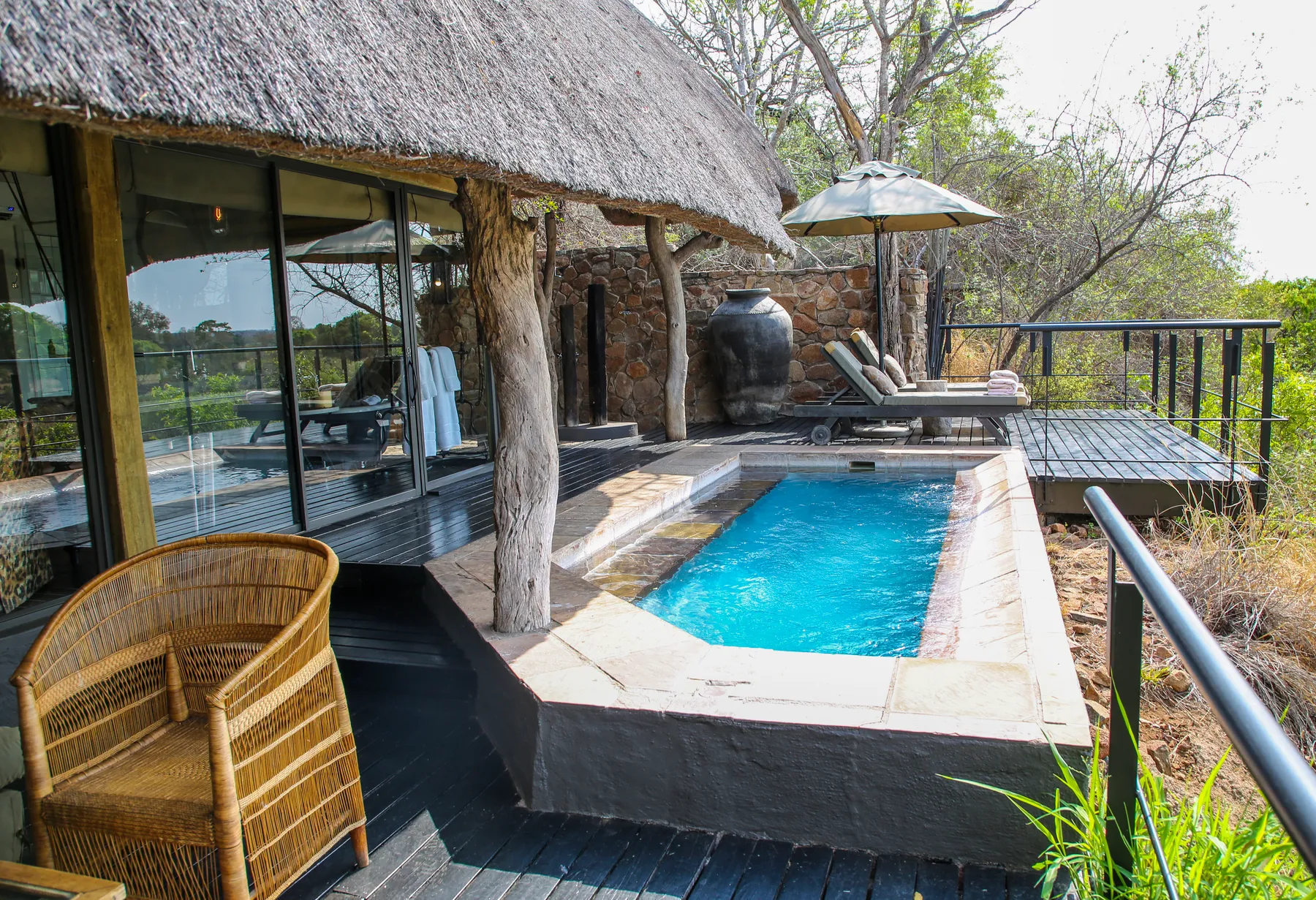
Private houses within great reserves — your own chef, guide, vehicle, pool and staff. Two to twelve guests, with no set mealtimes and no one else's children in the pool.
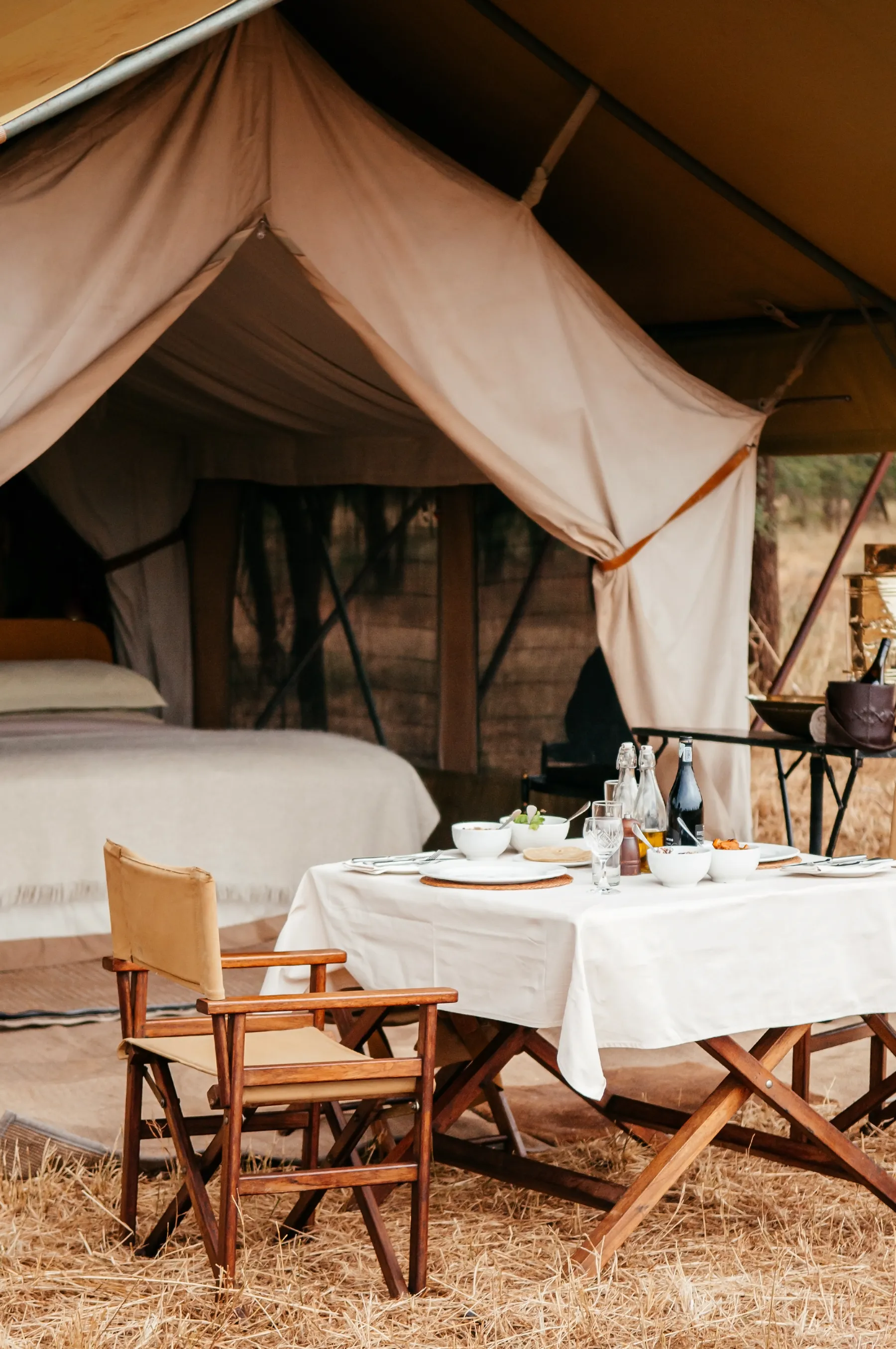
Some camps — including in the Serengeti's Lamai Wedge — are built in two independent halves, so a family or group of friends takes a whole side: private mess tent, fire and staff, at a gentler cost than a full buyout.
The whole camp — every tent, every vehicle, every guide — run entirely to your rhythm. For milestone birthdays, reunions and weddings in the bush, nothing else compares.
Six or more travelers. At that size, a villa or half-camp often costs no more per person than separate suites — and transforms the trip.
Mixed generations. Grandparents nap, teenagers sleep in, parents take the dawn drive — a private camp absorbs every rhythm without compromise.
A milestone worth marking. A 50th under the stars, a golden anniversary at the crossing points, a reunion nobody will ever top.
Total flexibility. Photographers who need golden hour, birders who need patience, toddlers who need naps — nobody else's schedule applies.
Not every destination can offer it. Exclusive use depends on private land, and private land is what separates a handful of African regions from the rest.
Kenya’s private conservancies — Mara North beside the Maasai Mara, Segera in Laikipia, ol Donyo’s Mbirikani land in the Chyulu Hills — were created for exactly this: community-owned land where vehicle numbers are capped by agreement rather than by hope. Botswana’s Okavango concessions hold single camps across tens of thousands of hectares, which is why an afternoon there can pass without seeing another vehicle. South Africa’s private reserves adjoining Kruger — Sabi Sand, Timbavati — combine exclusivity with off-road traversing rights the national park itself does not permit. And in Tanzania, the private concessions bordering the Serengeti allow walking and night drives that are restricted inside the park boundary.
The common thread is not luxury. It is jurisdiction — who sets the rules on that piece of ground, and how many people they let in.
South Africa is one of the easiest places in Africa to take a safari villa entirely for yourselves. In the private reserves adjoining Kruger, the Sabi Sand and Timbavati among them, sole-use villas come with their own guide, tracker, vehicle and chef, and with off-road traversing that the national park does not allow. The reserves are reached by a one-hour scheduled flight from Johannesburg to their airstrips, or by charter on your own timing. Our Sabi Sand and Kruger guide covers the geography.
For families with young children, Madikwe and selected Eastern Cape reserves are malaria-free. A villa with its own vehicle usually gives more flexibility on game-drive ages and timings than a shared lodge, and we confirm each reserve’s rules before anything is booked; see our family safaris.
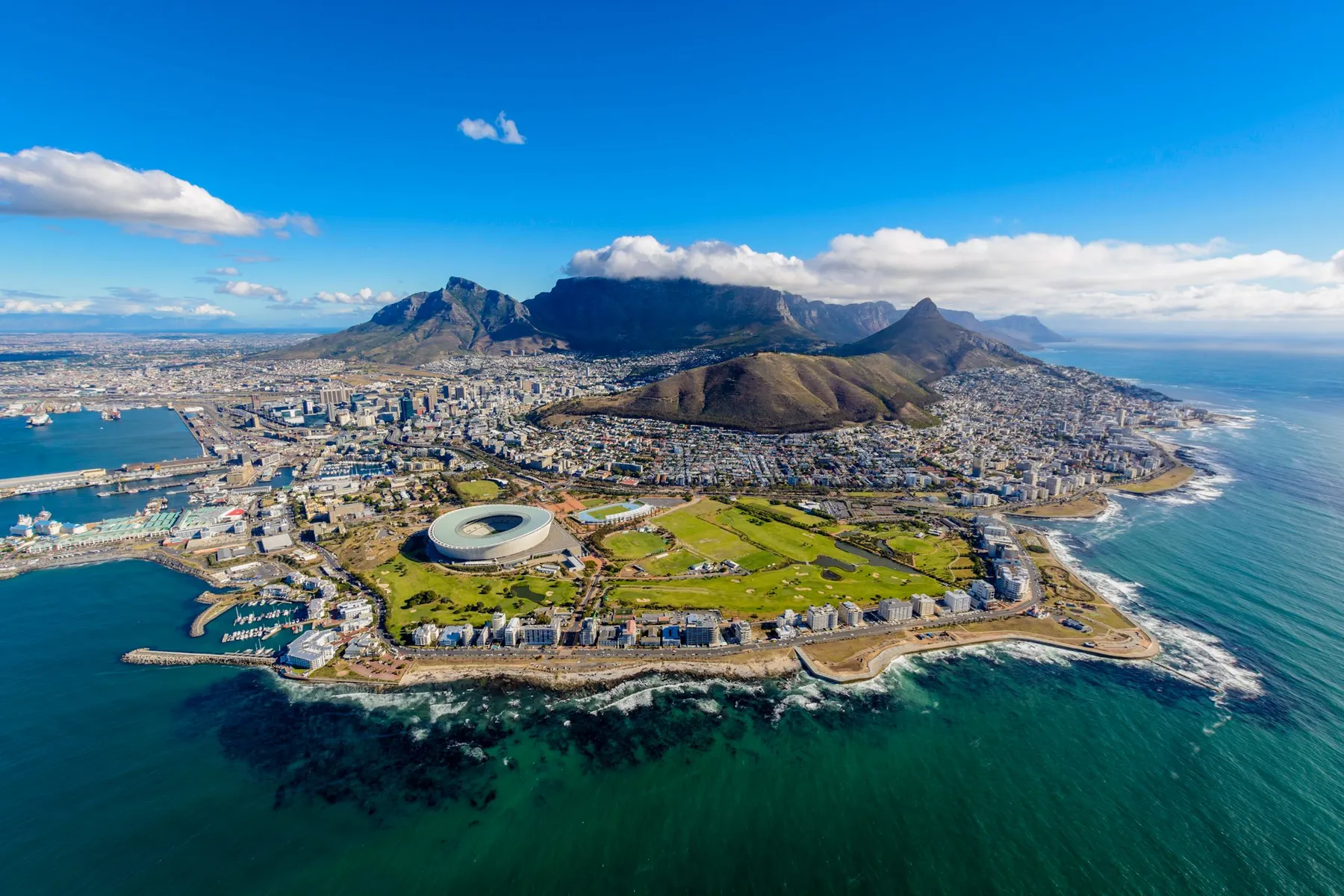
It also pairs naturally with the rest of a private journey. Cape Town and the Winelands are about two hours further by air, and Johannesburg has nonstop flights from the United States. Villas usually carry one nightly rate for the whole property up to a set number of guests, which often makes them better value than several suites once you are four or more. Every journey is priced to your budget, and we show the comparison against a conventional lodge booking in your proposal. More on the country itself is on our South Africa page.
A private vehicle is the simplest version and the one most guests underestimate. It costs meaningfully less than most people assume and changes everything about the day: you leave when you want, stay at a sighting as long as you want, and stop for coffee where you choose rather than where the group agrees.
A sole-use camp is the next step. Most small camps have four to eight tents, and taking all of them puts the whole property, its guides and its kitchen at your disposal. Camps typically apply a minimum-night stay and a minimum-guest count — often six or eight — and in the green season those minimums soften considerably. It is the single best value in exclusive travel, and the reason multi-generational families and small groups of friends so often end up here.
A private mobile camp is the purest form. Your camp is built for you, moves with the herds, and is dismantled when you leave — no permanent structure, no other guests, no fixed itinerary. It is how safaris were done a century ago and, done properly, still the most memorable way to travel in East Africa.
The word gets attached to anything with a plunge pool. On safari it has a narrower and more useful meaning: how much of the experience belongs only to you, and how few compromises sit between you and the day you actually wanted.
Exclusivity of space. An exclusive-use villa, or a camp taken solely for your party, changes the rhythm of a whole trip. No other table at dinner, no stranger’s schedule shaping the morning, no negotiation about when to leave a sighting.
Guiding above everything else. The largest single difference between a good safari and an extraordinary one is the person in the driver’s seat. At this level you are matched with senior guides — the ones camps hold back for their most demanding guests — rather than whoever is on the roster.
A private vehicle where it is reserved. A vehicle held for your party alone means you follow the leopard instead of the group consensus. We arrange this wherever your itinerary specifies it; at fly-in camps, game drives may be shared unless a private vehicle is reserved.
Low-density private concessions. Land held under private lease carries strict limits on beds and vehicles, usually permits off-road and night driving, and gives you sightings without a queue of vehicles behind you.
Air where roads would cost you days. Private charters, and helicopters where the terrain justifies them, turn lost driving days back into game-viewing hours and remove the hardest transfers altogether.
Borders that cross invisibly. Multi-country journeys are where this level of travel quietly succeeds or fails — visas, permits, baggage limits and connecting flights handled so the seams never show.
No fixed timetable. Meals when you want them, drives on your clock, and the freedom to abandon the plan because the day offered something better.
Founder-led planning, directly. You speak to the people designing the journey — before you travel and while you are traveling — rather than to a queue.
Where it shines. Two journeys that take exclusive use especially well: a private camp in crossing season, and a sole-use villa finish on Zanzibar.
Each of these journeys crosses borders by air, so the days go to wildlife rather than long road transfers. Reserve a private vehicle at every camp, add exclusive use where it is available, and the same route becomes an ultra-luxury safari. Every journey is priced to your budget.
Light aircraft into a private concession in the Okavango Delta for mokoro, boat and 4x4 days, then Chobe’s elephants and Victoria Falls, with an optional helicopter flight.
View the Botswana journey →Cape Town and the Winelands, Victoria Falls on foot and from the river, then the Okavango Delta on private concessions, all linked by air.
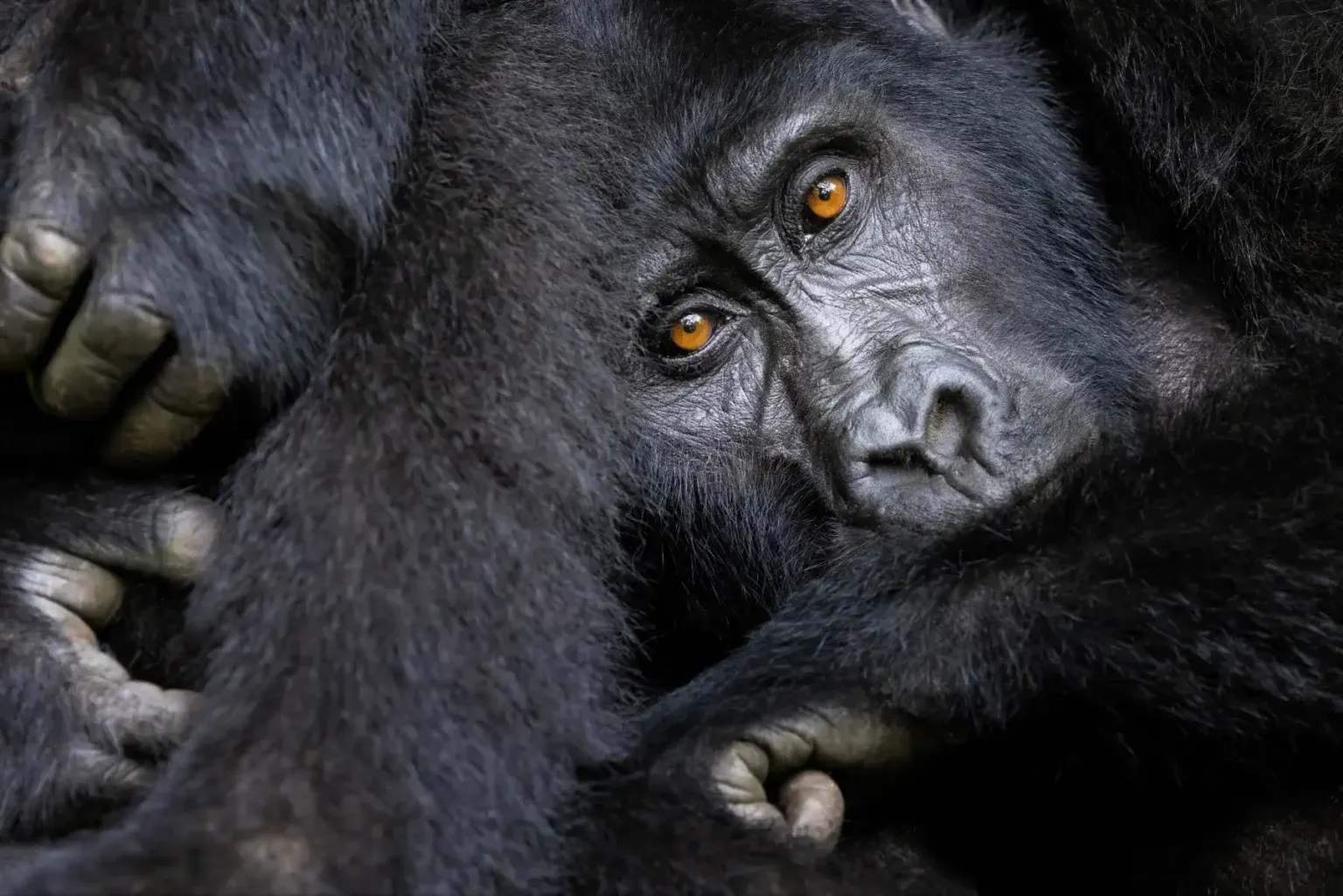
View the Cape & Delta journey →Two mountain gorilla treks in Rwanda’s Volcanoes National Park, with permits secured first, then big cats on the Maasai Mara.
View the gorilla journey →Private villas usually carry one nightly rate for the whole property up to a set number of guests, which often makes them better value than multiple suites once you are four or more. Full-camp takeovers price per camp per night. We show both against a conventional booking so the comparison is plain.
The best sole-use villas and small camps hold very limited inventory — nine to twelve months ahead is realistic for dry-season dates, and longer for the festive window of December 15 to January 5.
No — couples take sole-use villas purely for the privacy: your own guide, vehicle, chef and pace, with no other guests at dinner. It is the difference between staying somewhere and having it. Many choose it for a honeymoon or a milestone celebration.
Three cases, honestly: multigenerational or friend groups of six or more, celebrations where privacy is the point, and travelers who simply do not want to share sightings or a dinner table. For a couple happy in camp company, a top suite with a private vehicle often delivers most of the feeling for less.
Exclusivity, guiding and control — rather than thread count. What you are buying at this level is how much of the experience belongs only to you: an exclusive-use villa or sole-use camp, a senior guide matched to your interests, private land with strict vehicle limits, and a day that runs to your schedule instead of a lodge timetable. Comfort is assumed; space, expertise and flexibility are the actual differences.
A high-end African safari buys you excellent camps, strong guiding and a well-run itinerary — but you are still sharing the camp, often the vehicle, and the daily schedule with other guests. Ultra-luxury removes the sharing: the camp or villa is taken for your party, the guide and vehicle are held for you where reserved, and the day has no fixed timetable. The gap between the two is usually exclusivity, not décor.
Yes. Most of the small camps we work with can be taken on a sole-use basis, and many villas are only sold that way. Full-camp takeovers are priced per camp per night, which tends to make sense for groups of around six or more — though couples regularly take sole-use villas purely for the privacy. Half-camp arrangements are possible at some properties, and we show the comparison against a conventional booking so the difference is plain.
They are arranged wherever your itinerary specifies them, and we state clearly which days carry a private guide and vehicle before you confirm anything. On road-based journeys a private vehicle is straightforward. At fly-in camps, game drives may be shared unless a private vehicle is reserved — so where it matters to you we reserve it and show it on the itinerary, rather than leaving it to chance.
Yes. Many private reserves adjoining Kruger, such as the Sabi Sand and Timbavati, offer villas taken entirely for your party, with their own guide, tracker, vehicle and chef. For families with young children, Madikwe and selected Eastern Cape reserves are malaria-free. Villas usually carry one nightly rate for the whole property, and the best are booked nine to twelve months ahead for dry-season dates.
Our ultra-luxury African safaris are defined by exclusivity of space, not by thread count.
Tell us who's coming and what you're celebrating — we'll match the right villa, half-camp or full buyout to your party, your dates and your budget.
Design my private safari