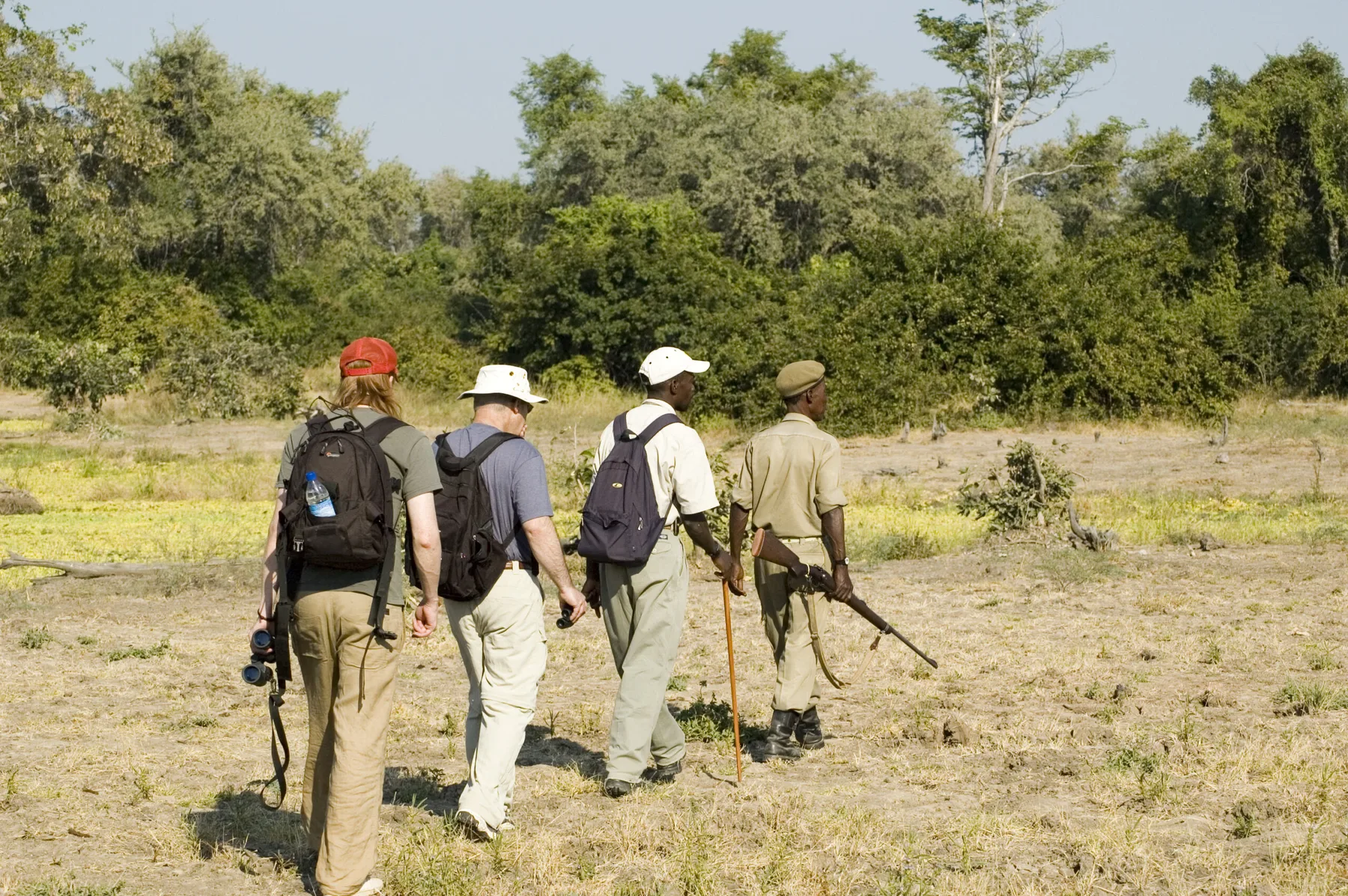
The Luangwa Valley is where the walking safari was invented, and its guides remain the most rigorously trained in Africa. On foot behind an armed professional you learn the bush at ground level — tracks, birds, the wind — and meet elephant and buffalo on their terms.
The river’s oxbow lagoons support astonishing wildlife densities, including what many consider the best leopard viewing in Africa after the Sabi Sand. Night drives — a Zambian tradition — reveal genets, civets and hunting cats.
South Luangwa is the home of the walking safari, and its leopard viewing rivals anywhere on the continent. The park’s oxbow lagoons concentrate wildlife spectacularly in the dry season, and its owner-run camps keep the experience personal, unhurried and superb value beside better-known destinations.
Highlights of South Luangwa National Park
Walking safaris
Multi-day walks between small bush camps — the original and still the best.
Explore Walking safaris →Leopard country
The riverine forest holds one of Africa’s densest leopard populations.
Night drives
Zambia pioneered them — the valley after dark is a different world.
Carmine bee-eaters
From late August the riverbanks blaze with thousands of crimson birds.
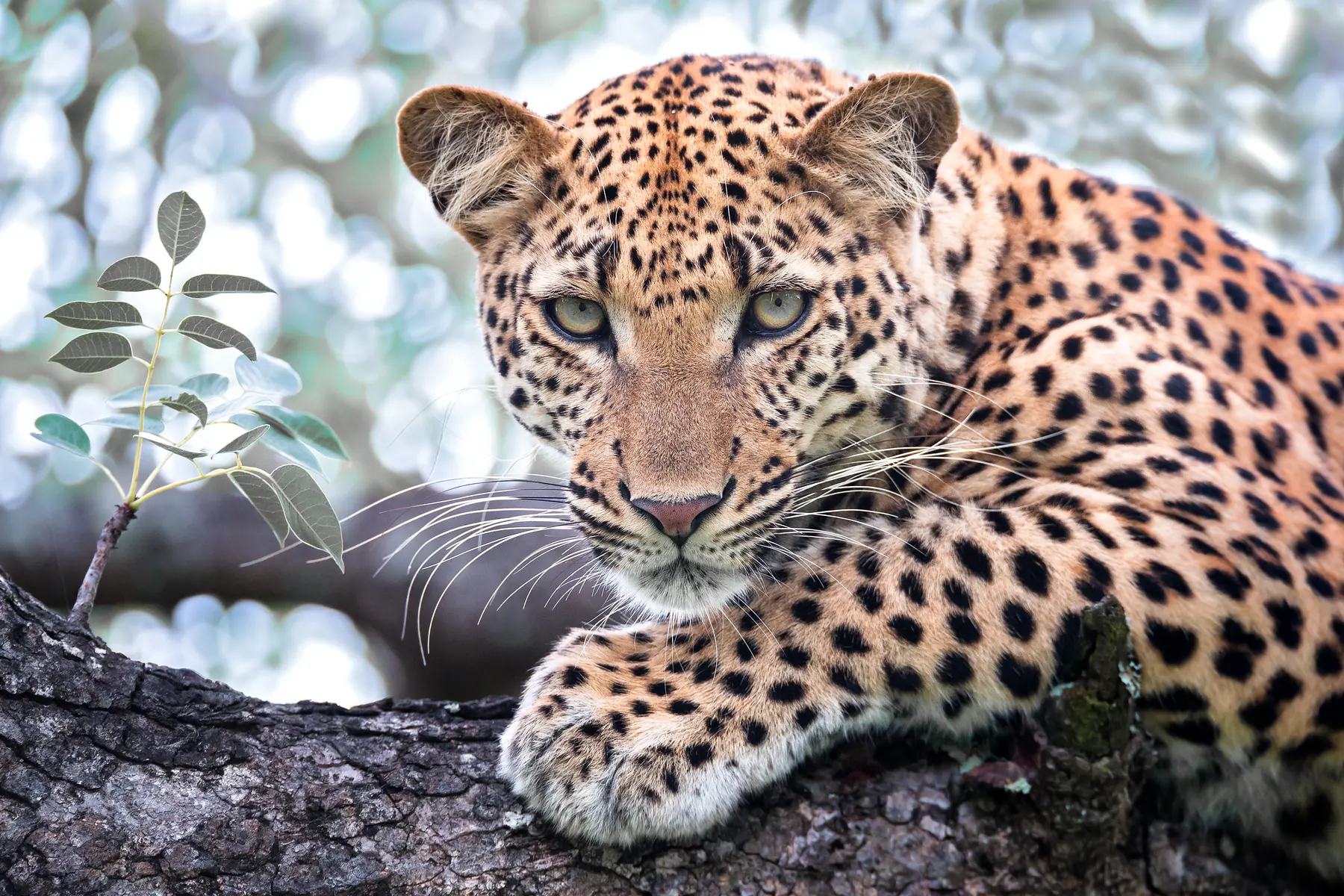
South Luangwa holds Africa’s highest density of leopard
Best time to visit South Luangwa
Dry season — walking at its best and game packed along the river. October is hot but spectacular.
The “emerald season” — boating safaris, birding and dramatic skies at some rivers camps.
In the green months rates ease at many of these camps, the plains empty of vehicles and the light turns dramatic. What each season gives, and what it trades, is set out in our Safari Planning Guide.
Planning & cost
Fully tailor-made — priced privately to your camps, season and travel style. No fixed packages.
Every journey is privately designed, with private guides and vehicles arranged where specified, the finest lodges, and a specialist on call throughout. At fly-in camps, game drives may be shared unless a private vehicle is reserved.
Practical details,
in one place
Money, health, connectivity and packing work the same way on every safari we plan, so they live in one place rather than on every page.
Continue exploring
Zambia
A Zambia safari means the home of the walking safari — and the Zambian side of Victoria Falls.
Explore → ExperienceWalking Safari
A walking safari is the bush on foot — led by expert armed guides.
Explore → ExperienceVictoria Falls
The largest sheet of falling water on earth — a natural wonder.
Explore → RegionSouthern Africa
The desert, the delta and the falls — Botswana, Namibia, Zambia, Zimbabwe and South Africa.
Explore →South Luangwa National Park FAQs
Getting to Zambia — flights, visas and health
Current at the time of writing. We re-confirm every requirement for your exact routing before you travel — and we will tell you what to apply for, and when.
Let's design your South Luangwa National Park journey.
A South Luangwa safari is where the walking safari began, and it still does it best.
Tell us how you like to travel and start with a complimentary consultation. When you are ready, a $500 USD planning fee covers your personalized itinerary and revisions, and is deducted from your booking deposit when you book.
Inquire now