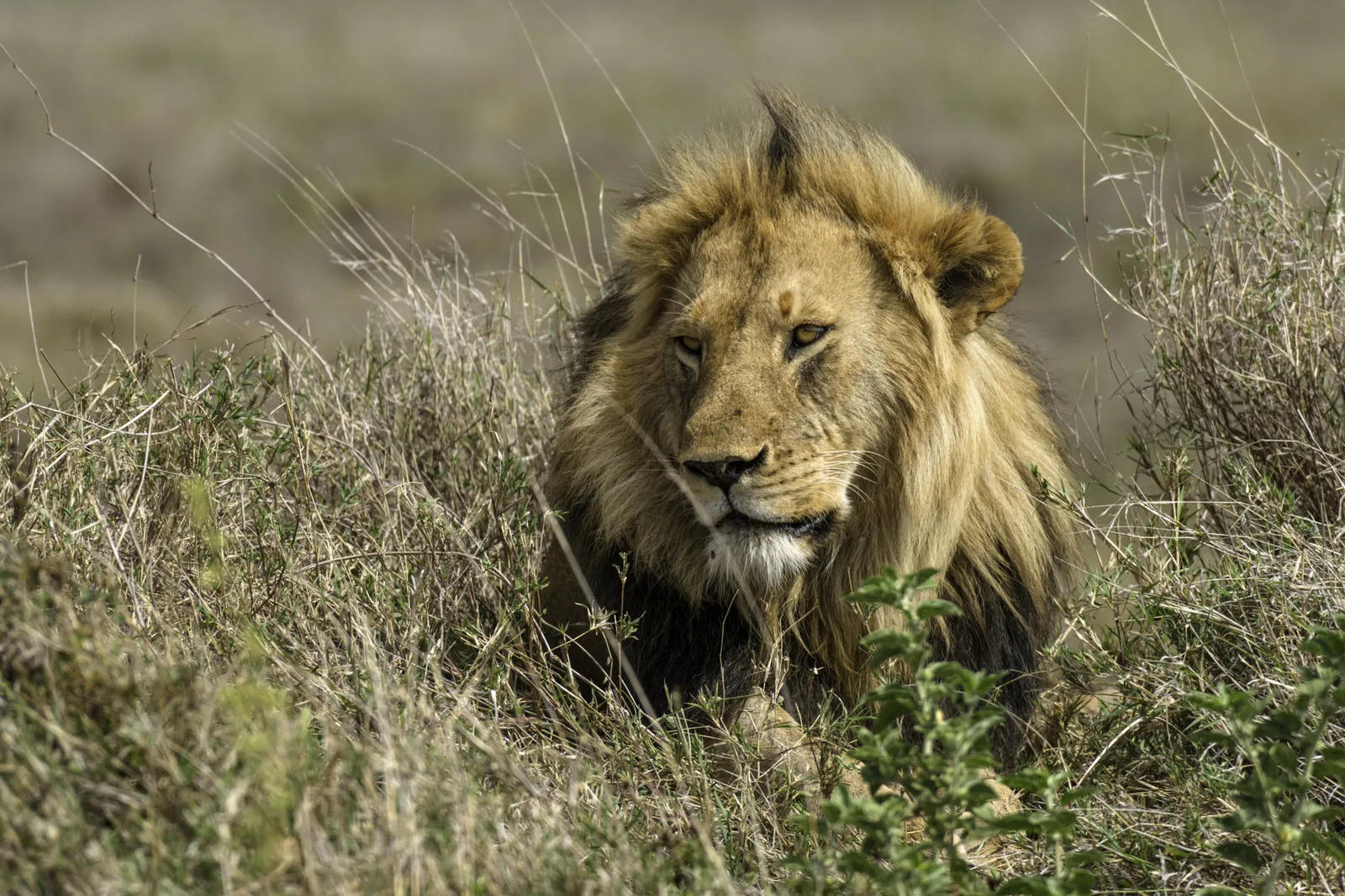
Written and reviewed by Evance & Jennifer, NndeeAfrika’s founders · Reviewed 5 October 2026
An African safari is not a single kind of vacation. It can mean watching elephants cross a river in Botswana, following the Great Migration through Tanzania, observing mountain gorillas in Rwanda or combining South Africa’s wildlife reserves with Cape Town and the Winelands. It can be adventurous, restorative, deeply private or designed for several generations of a family.
The best safari is not necessarily the one with the most destinations or the longest list of famous animals. It is the one designed around how you want to feel, what you hope to experience and the pace at which you prefer to travel.
For first-time visitors, the choices can seem overwhelming. Africa contains many distinct safari regions, each with its own seasons, landscapes, wildlife, cultures and style of accommodation. This guide explains the essential decisions behind a well-planned journey—and how to turn them into an African safari that feels entirely your own.
What Is an African Safari?
The word safari means journey in Swahili, and a true African safari is exactly that: an unfolding experience through living landscapes rather than a scheduled wildlife performance.
Game drives are often central to the journey. Guests explore with a trained guide, usually in an open-sided or open-roof vehicle, searching for wildlife and learning to read tracks, alarm calls, weather and animal behavior. Yet a safari may also include guided walks, canoe or mokoro excursions, boat safaris, horseback riding, conservation experiences, cultural visits, hot-air balloon flights and evenings beneath exceptionally clear skies.
Wildlife encounters are unscripted. No responsible operator can guarantee a particular sighting. That uncertainty is part of what makes the experience powerful: every track followed, distant call heard and animal discovered happens in its own time.
Start With the Experience, Not the Lodge
Beautiful camps matter, particularly when comfort, privacy and service are priorities. But selecting a lodge before defining the journey can produce an itinerary that looks impressive and still feels disconnected.
Begin with a few more meaningful questions:
- Is this your first safari, or are you looking for a more specialized return journey?
- Is your priority big cats, elephants, primates, birdlife, photography or the Great Migration?
- Would you prefer dramatic concentrations of wildlife or quieter, low-density wilderness?
- Do you want traditional game drives, or a mixture of walking, boating and other activities?
- Are you traveling as a couple, a family, a multigenerational group or on your own?
- Would you enjoy combining safari with a beach, a city, wine country or a cultural journey?
- How important are a private vehicle, flexible daily schedule and exclusive-use accommodation?
Once these answers are clear, the right destination and properties become much easier to identify.
The Best African Safari Destinations
There is no single country that is best for everyone. Each major safari destination offers a different rhythm and character.
Tanzania: Scale, Variety and the Great Migration
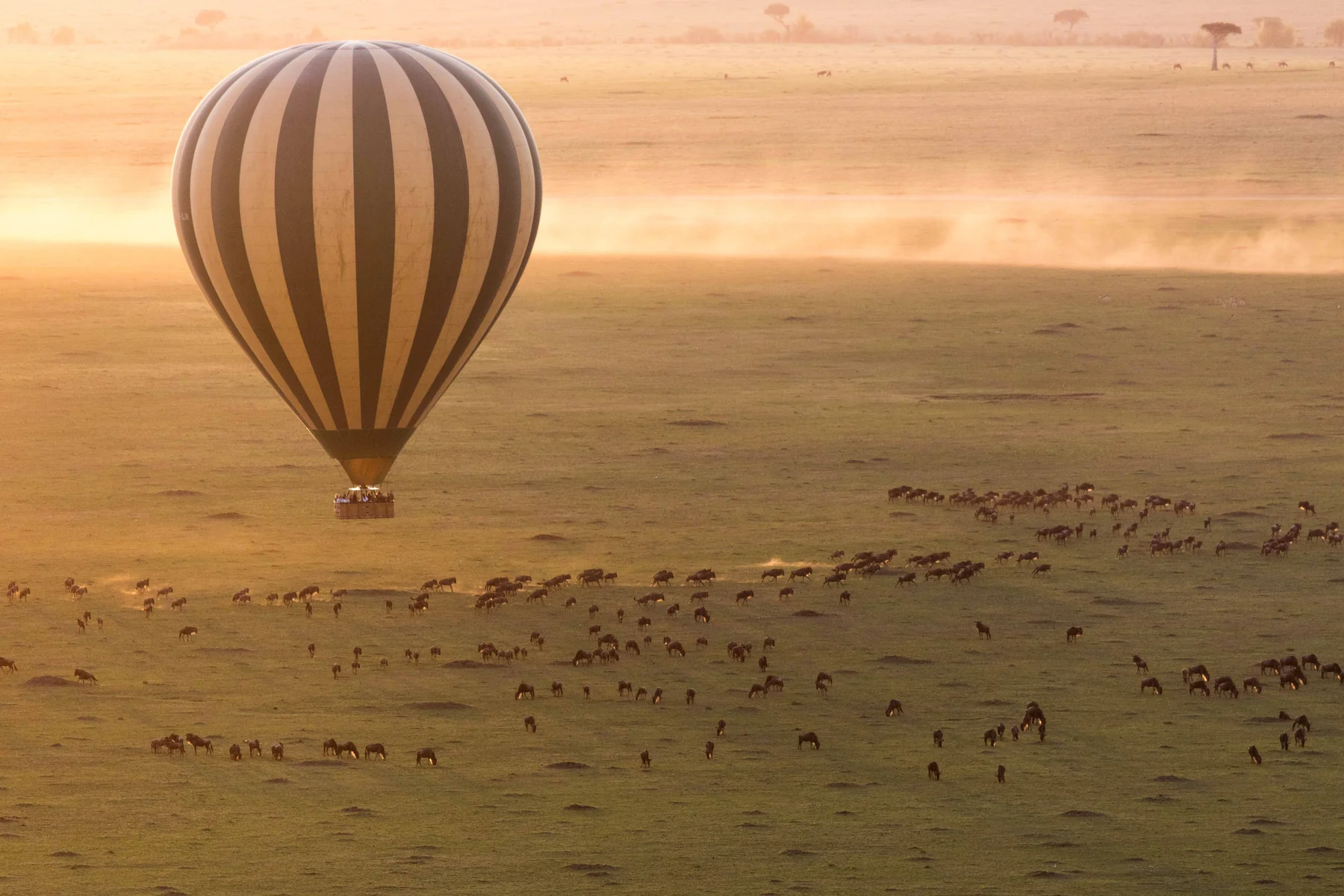
Tanzania brings together several of Africa’s most celebrated landscapes. The Serengeti offers exceptional predator and plains-game viewing, while the Ngorongoro Crater creates an entirely different setting within a compact volcanic caldera. Tarangire is known for elephants, baobabs and a quieter atmosphere during parts of the year. Farther south and west, Nyerere, Ruaha and Katavi reward travelers seeking a more remote safari.
The Great Migration is a continuous annual movement rather than a single event. Calving, breeding, movement across the plains and river crossings occur in different regions and months. Because rainfall guides the herds, exact locations and crossing times can never be guaranteed. A knowledgeable specialist should recommend the right part of the ecosystem for your travel dates instead of promising one specific spectacle.
Tanzania also combines naturally with Zanzibar, making it an excellent choice for couples and families who want wildlife followed by time beside the Indian Ocean.
Kenya: Classic Wildlife and Meaningful Variety
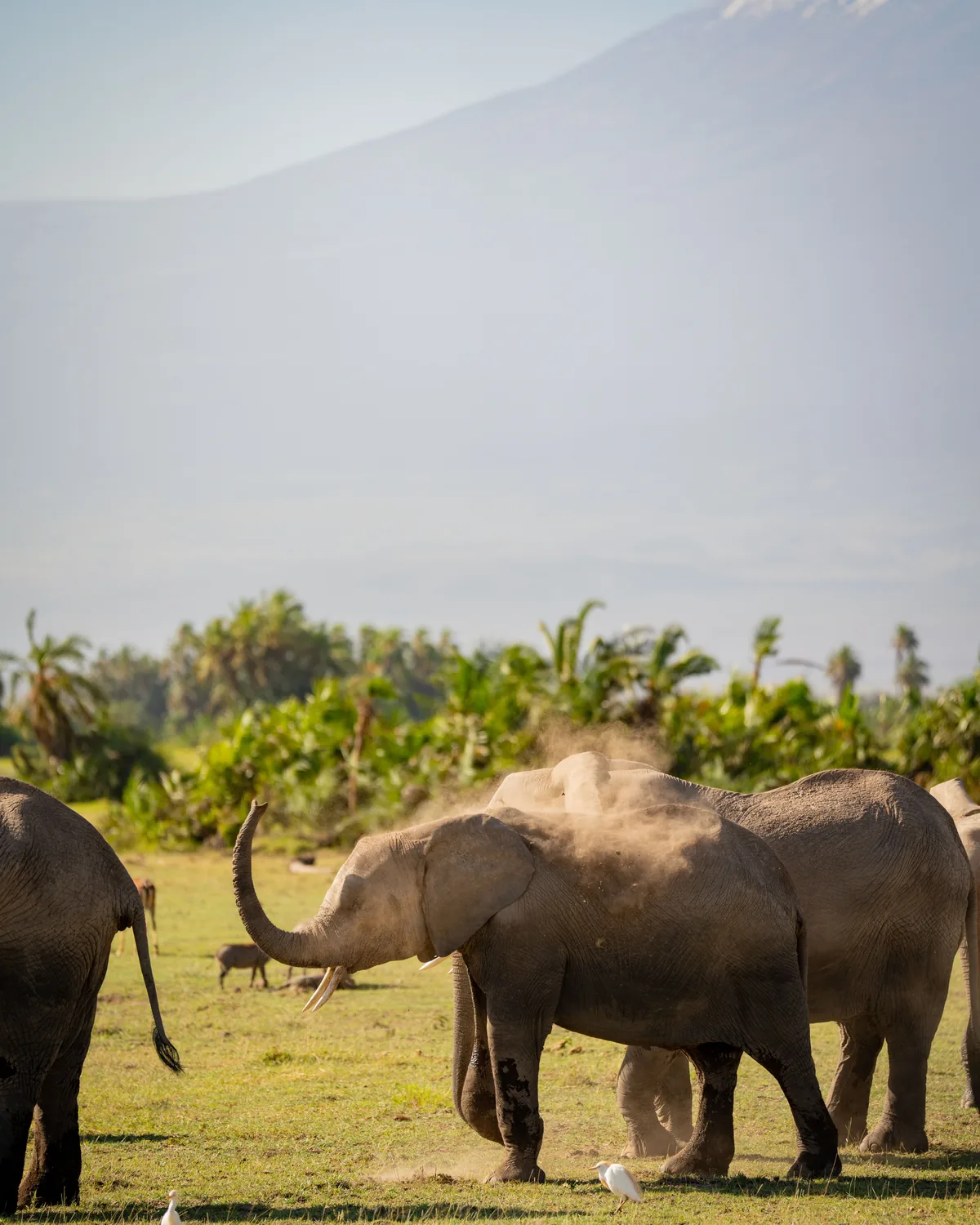
Kenya’s Maasai Mara forms part of the wider Serengeti–Mara ecosystem and offers rewarding wildlife viewing well beyond the seasonal arrival of migrating herds. Amboseli is celebrated for elephants and views toward Mount Kilimanjaro, while Laikipia and private conservancies can provide a more exclusive experience with activities that may not be possible in national parks.
Kenya is especially effective when a journey combines contrasting regions rather than treating the Maasai Mara as the entire country. Samburu’s dry northern landscapes, Amboseli’s wetlands and the private conservancies of Laikipia create a richer view of Kenyan wildlife and culture.
Botswana: Water, Wilderness and Space
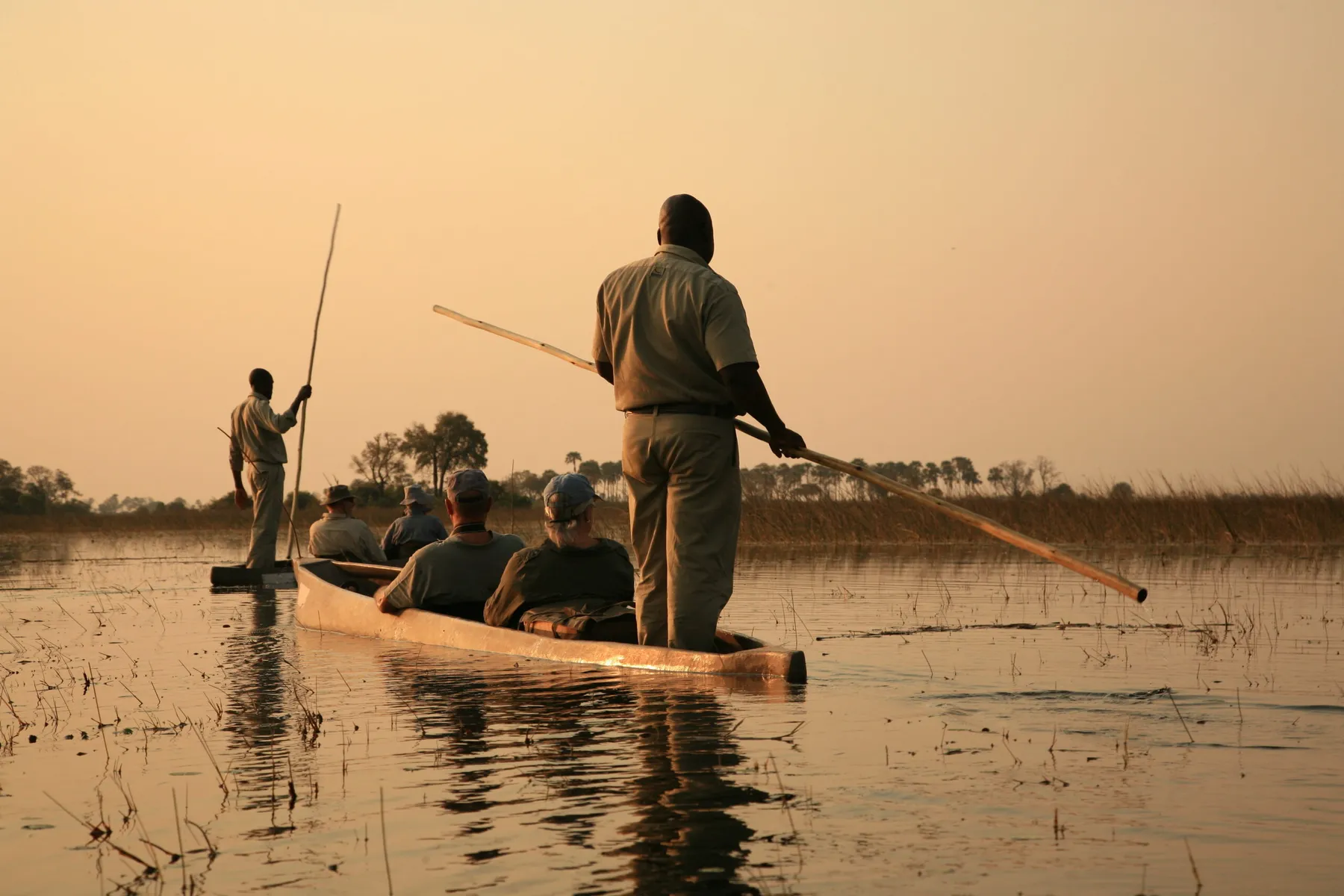
Botswana is ideal for travelers drawn to remote camps and low-density safari areas. In the Okavango Delta, channels, floodplains, islands and dry woodland create opportunities for game drives, boating and traditional mokoro excursions. Because water levels and activities vary by location and season, camp selection must be precise.
Chobe is renowned for elephants and river-based viewing, while the Makgadikgadi region reveals salt pans, desert wildlife, meerkats and a completely different sense of space. Light-aircraft transfers are common, allowing access to small camps in otherwise difficult-to-reach areas.
South Africa: Safari With a Broader Journey
South Africa works beautifully for guests who want to combine wildlife with food, art, history and wine. Private reserves around the Greater Kruger ecosystem are known for excellent guiding and close wildlife encounters. Cape Town and the Winelands add sophisticated hotels, coastlines, restaurants and private touring.
The country also offers selected malaria-free safari areas, an important consideration for some families. This does not remove the need for professional health advice, but it can influence destination choice when young children or specific medical concerns are involved.
Rwanda and Uganda: Primate Encounters
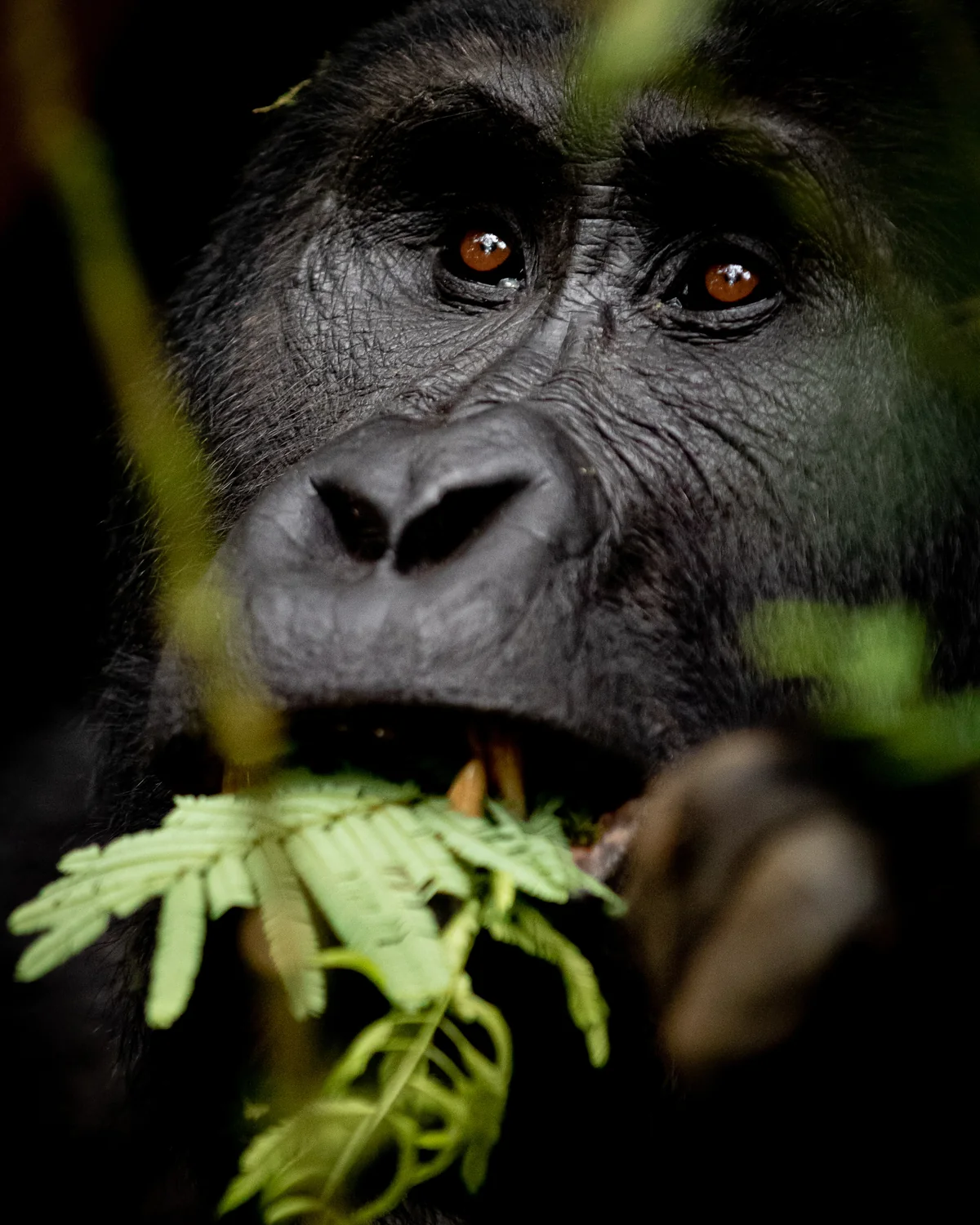
Tracking mountain gorillas is very different from a vehicle-based safari. It involves hiking through forest terrain in a small, regulated group before spending a strictly controlled period observing a habituated gorilla family. Fitness, mobility, permit availability and minimum-age rules must all be considered.
Rwanda offers efficient logistics and refined accommodation, while Uganda can combine gorilla and chimpanzee tracking with a wider, more adventurous circuit. Either destination can be paired with Tanzania or Kenya for a balanced primate-and-savanna journey.
Zambia, Zimbabwe and Namibia: For a Different Perspective
Zambia is closely associated with walking safaris and wild areas such as South Luangwa and the Lower Zambezi. Zimbabwe combines accomplished guiding with Hwange, Mana Pools and Victoria Falls. Namibia is defined by desert scenery, dramatic distances, remote coastlines and wildlife adapted to arid environments.
These destinations are especially compelling for travelers who have already experienced a traditional East African safari—or anyone who values landscape, silence and a strong sense of exploration.
When Is the Best Time for an African Safari?
The best time depends on the destination and the experience you value. Africa should not be reduced to one universal high season.
In much of East Africa, the longer rains generally fall from March into May, with a drier period from roughly June through October. Shorter rains may occur toward the end of the year. The Serengeti remains a year-round destination, but different seasons suit different parts of the Great Migration cycle.
Across many southern African safari regions, the dry winter months—generally May through October—bring thinner vegetation and concentrate wildlife around dependable water. The warmer green season usually runs from approximately November through April, bringing summer rains, newborn animals, migratory birds and vivid landscapes.
Botswana deserves special attention because the Okavango’s annual flood can fill channels during the broader dry season. Water levels vary by year and by camp, so guests seeking mokoro or boating activities should not rely on a generic countrywide calendar.
The dry season may make some animals easier to locate, but green season should not be treated as an inferior alternative. It can offer softer light, dramatic skies, fewer vehicles, strong birding and better value. The right choice depends on whether the priority is visibility, photography, migration, privacy, weather or budget.
How Much Does an African Safari Cost?
Every NndeeAfrika journey is tailor-made around your travel dates, interests and preferred pace. Most private journeys begin at approximately $12,000 per person. Your final quotation depends on the number of nights, season, destinations, accommodation, number of travelers, room arrangements, internal flights and private guiding requirements, and your proposal will clearly explain what is included and excluded. For the top of that range — what drives the price, and what genuine privacy actually buys — see our luxury African safari guide.
The largest cost factors include:
- Season and travel dates
- Lodge category and room type
- Private reserves versus busier public areas
- Private or shared game-drive arrangements
- Road transfers versus light-aircraft flights
- Gorilla permits and other limited-access experiences
- Number of destinations and border crossings
- Exclusive-use houses, private chefs and specialist guides
- Beach, city or island extensions
Luxury safari rates commonly include accommodation, meals, scheduled game-viewing activities, park or conservation fees, local beverages and some transfers. International flights, visas, gratuities, premium drinks, travel insurance and optional experiences may be separate. Inclusions differ by property, so a proposal should state clearly what is and is not covered.
Price alone does not reveal value. A lower quote may use lengthy road transfers, shared vehicles or properties outside the strongest wildlife areas. A higher quote may include internal flights, a private guide, exceptional locations and more time experiencing the destination rather than moving between stops.
How Long Should an African Safari Be?
For most first-time travelers, nine to twelve nights creates a satisfying balance. It allows time for two or three contrasting safari areas without turning the trip into a sequence of airports and check-ins.
As a general framework:
Six to eight nights
A focused single-country safari with two complementary regions
Nine to twelve nights
A well-paced safari with varied landscapes or a short beach extension
Twelve to sixteen nights
A multi-country journey, primate combination or longer safari-and-beach itinerary
Three nights in a major safari area is often more rewarding than repeatedly staying for one or two nights. It allows time to settle into the landscape, respond to changing wildlife conditions and enjoy the camp beyond scheduled drives.
What Is a Typical Day on Safari?
Most wildlife activity is strongest during the cooler hours. A traditional safari day may begin before sunrise with coffee or tea, followed by a morning game drive. Guests return for breakfast or brunch and rest during the warmer middle of the day. Afternoon tea is followed by another drive that continues toward sunset.
Depending on the destination and camp, the schedule may include:
- Full-day game drives with a picnic or private bush lunch
- Guided walking safaris
- Boat or mokoro excursions
- Photographic hides
- Cultural or community visits
- Conservation activities
- Hot-air balloon flights
- Sundowners in a scenic location
- Private dinners beneath the stars
Safari involves more sitting than many first-time guests expect. A thoughtful itinerary introduces variety and rest, especially for children, older travelers and anyone staying longer than a week.
Private African Safari or Small-Group Journey?
A small-group safari can offer good value and a social atmosphere, but fixed dates and shared vehicles limit flexibility. A private safari costs more and gives guests greater control over pace, daily interests and photographic opportunities.
Private travel is particularly valuable for:
- Families with children
- Multigenerational groups
- Honeymooners and anniversary travelers
- Dedicated photographers
- Guests with mobility or dietary considerations
- Travelers who prefer privacy and spontaneous changes
For an ultra-luxury journey, private guiding or an exclusive-use vehicle can matter as much as the accommodation. It allows the day to respond to wildlife and personal interest rather than a shared schedule.
Choosing Luxury African Safari Accommodation
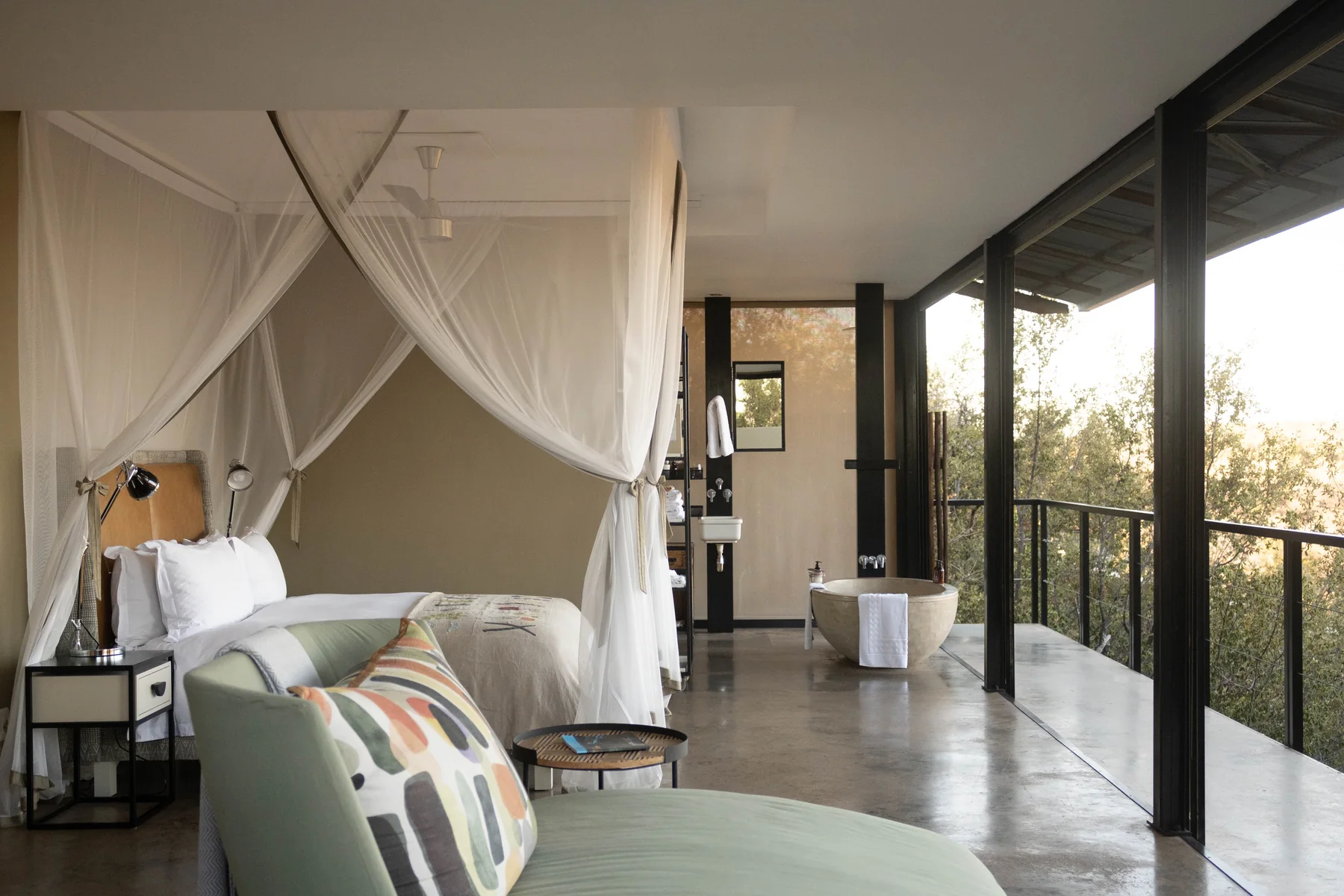
Luxury in the wilderness takes many forms. A permanent lodge may offer expansive suites, a spa, a swimming pool and extensive facilities. A tented camp creates a closer connection to the landscape without necessarily sacrificing comfort. Seasonal or mobile camps can follow wildlife movements and offer a more immediate sense of place. Private villas provide exclusive living areas, flexible dining and dedicated staff.
The most expensive property is not automatically the best choice. Location, guiding quality, the number of vehicles, access to private land, camp atmosphere and management are equally important. A successful itinerary may intentionally combine different styles—perhaps an intimate tented camp, a private villa and a beach retreat—rather than repeating the same experience throughout.
African Safaris for Families
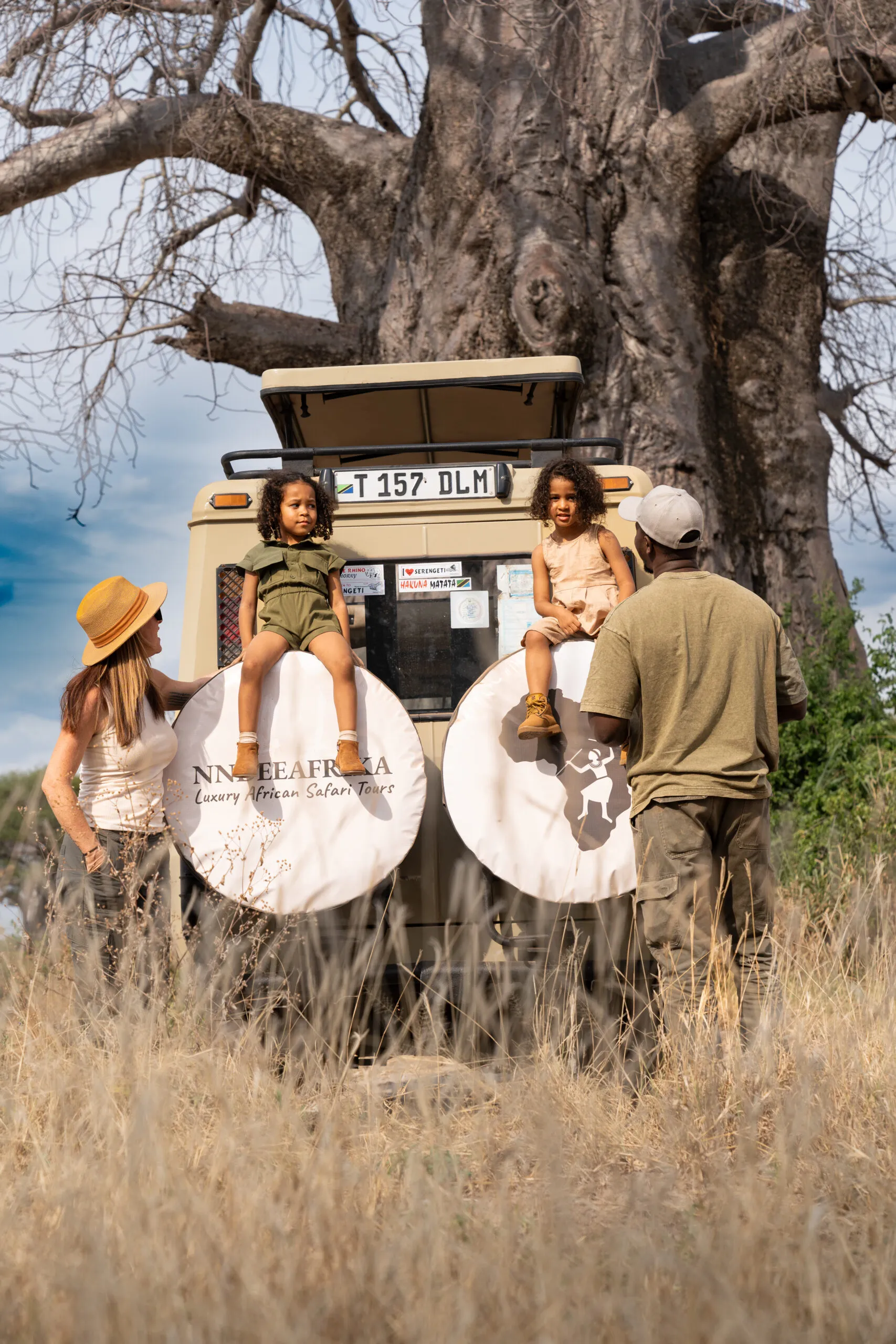
A family safari can be deeply rewarding when it is designed around the children’s ages and interests. The best family lodges do more than tolerate younger guests; they provide flexible meals, engaging guides, age-appropriate activities and accommodation that keeps families comfortably together.
Important questions include:
- Does the lodge have a minimum age for game drives or walking activities?
- Can the family reserve a private vehicle?
- Are rooms connected, adjacent or suitable for younger children?
- Is the property fenced, and how does that affect movement after dark?
- Are swimming pools supervised?
- How long are the transfers and game drives?
- Is malaria risk a concern for this family?
A private vehicle, shorter drives and occasional pool or activity time can make the difference between a safari children simply attend and one they genuinely love.
Honeymoon and Celebration Safaris
For couples, privacy and pacing are often more important than visiting the greatest possible number of parks. A honeymoon may combine a small tented camp with a private villa, a romantic sleepout, a balloon flight or a quiet beach extension.
The most memorable romantic touches are usually those connected to place: breakfast in the bush, a private dinner, a secluded deck overlooking wildlife or an unhurried final morning. These experiences should feel natural within the journey, not like a list of staged extras.
Health, Safety and Travel Preparation
Health recommendations differ by destination, itinerary, season and individual medical history. Malaria risk exists in many safari regions, but it is not uniform across Africa. Travelers should speak with a qualified travel-health professional at least one month before departure and review current destination guidance from the Centers for Disease Control and Prevention or the relevant health authority in their country.
Passport, visa and vaccination rules can change. Check official government sources for every country on the itinerary, including transit countries, rather than relying on an old article or general checklist.
Comprehensive travel insurance should account for trip cancellation, interruption, medical treatment and emergency evacuation from remote areas. Guests should also disclose mobility needs, allergies, dietary restrictions and relevant medical considerations during the planning process so the itinerary can be designed appropriately.
On safari, always follow the guide’s instructions. Wildlife is wild, camps may be unfenced and guests should never leave designated areas or walk alone after dark unless the property confirms that it is safe.
What to Pack for an African Safari
Pack lightly, particularly when using small aircraft with strict luggage limits. Soft-sided bags are often required.
The essentials normally include:
- Lightweight clothing in neutral earth tones
- A warm layer for early mornings and evenings
- A sun hat, sunglasses and high-SPF sunscreen
- Comfortable closed shoes
- Binoculars and camera equipment
- Insect repellent
- Personal medication in original packaging
- A compact day bag
- Copies of important travel documents
Avoid bright white clothing, which quickly shows dust, and dark blue or black in areas where tsetse flies are present. Camouflage-pattern clothing may be restricted or culturally inappropriate in some countries. Laundry is available at many camps, so carrying fewer, versatile pieces is usually better than overpacking.
Choosing a Responsible Safari Operator
Tourism can support protected areas, create employment and fund conservation—but responsible impact should be demonstrated, not assumed.
Ask how an operator selects camps and guides, works with local communities, reduces environmental impact and supports conservation. Look for recognized tourism memberships, transparent partnerships and specific evidence rather than broad claims.
Ethical wildlife experiences should never involve feeding, touching or disturbing wild animals for entertainment. Cultural visits should be respectful, fairly structured and developed with the participating community rather than performed solely for visitors.
The quality of a safari also depends on who benefits from it. Local guides, camp teams, conservation organizations and neighboring communities should be part of the story—not invisible behind the luxury.
How Far in Advance Should You Book?
For peak-season travel, the Great Migration, festive dates, gorilla trekking or small luxury camps, planning twelve months ahead is sensible. Highly specific private villas and family room configurations may require even more time.
Travel outside peak dates can sometimes be arranged within a few months. However, early planning provides a better choice of camps, guides, flights and room categories. It also gives families and groups time to coordinate passports, health preparation and international flights.
Tell us the month you can travel and what you hope to feel — we will shape the rest around you.
Plan your safariFrequently Asked Questions
Is an African safari safe?
Safaris are generally well managed when arranged by a reputable operator and led by trained professionals. Travelers must follow guide instructions, respect wildlife, observe camp safety procedures and use current government advice when considering any destination.
Which African country is best for a first safari?
Tanzania, Kenya and South Africa are all strong first-safari choices. Tanzania is excellent for an immersive wildlife journey, Kenya offers classic safari variety, and South Africa works especially well for travelers combining safari with cities and wine country. The right answer depends on season, budget, interests and desired pace.
Can an African safari be suitable for children?
Yes. The itinerary must account for age restrictions, malaria considerations, drive duration, room configuration and the personality of each child. Family-focused properties and a private vehicle often create the best experience.
Is the Great Migration guaranteed?
The migration continues throughout the year, but exact herd positions and river crossings are controlled by rainfall and animal movement. No ethical planner should guarantee a particular crossing. Careful camp selection improves the opportunity to be in the right general area.
Do I need to take malaria medication?
It depends on the precise regions visited and personal medical considerations. Consult a travel-health professional and use current official health guidance; a safari company should not replace individualized medical advice.
Can I combine a safari with the beach?
Yes. Tanzania pairs naturally with Zanzibar, while other journeys may finish in Seychelles or Mauritius. The best combination considers flight connections, season and the overall pace of the trip.
Are international flights included?
They are often excluded unless a proposal specifically states otherwise. Regional flights, light-aircraft transfers and road transportation may be included. Always review the complete inclusions and exclusions before confirming.
What does a typical African safari cost?
Most private, tailor-made journeys begin at approximately $12,000 per person, excluding international flights. Season, lodge category, private versus shared game drives, light-aircraft flights and limited-access experiences such as gorilla permits drive the final figure, and your proposal should list inclusions and exclusions line by line.
What is the best month for an African safari?
There is no single best month. East Africa is driest from roughly June to October, with the longer rains from March into May. Southern Africa’s dry season runs from about May to October, when thinner vegetation concentrates wildlife around water. The green season, roughly November to April, brings newborn animals, migratory birds, softer light and better value.
Why can’t you wear white or black on safari?
Bright white shows dust within an hour and stands out to wildlife, while dark blue and black attract tsetse flies in the areas where they occur. Neutral earth tones work best, and camouflage-pattern clothing is restricted or culturally inappropriate in some countries.
Plan a Safari That Is Truly Yours
An African safari deserves more than a preselected collection of hotels. The finest journeys connect the right season, landscapes, camps, guides and pace around the people traveling.
NndeeAfrika designs private, tailor-made safaris for couples, families, solo travelers and small groups. Our destination knowledge, trusted local relationships and membership in TATO and ATTA allow us to plan with both precision and a genuine understanding of place—from the first conversation to the final day in Africa.
Whether you are imagining the Serengeti, the Okavango Delta, a gorilla encounter, a private family journey or a safari followed by the Indian Ocean, we begin with your interests rather than a fixed itinerary.
Start planning your private African safari with NndeeAfrika.
Plan your safari