Plan your safari
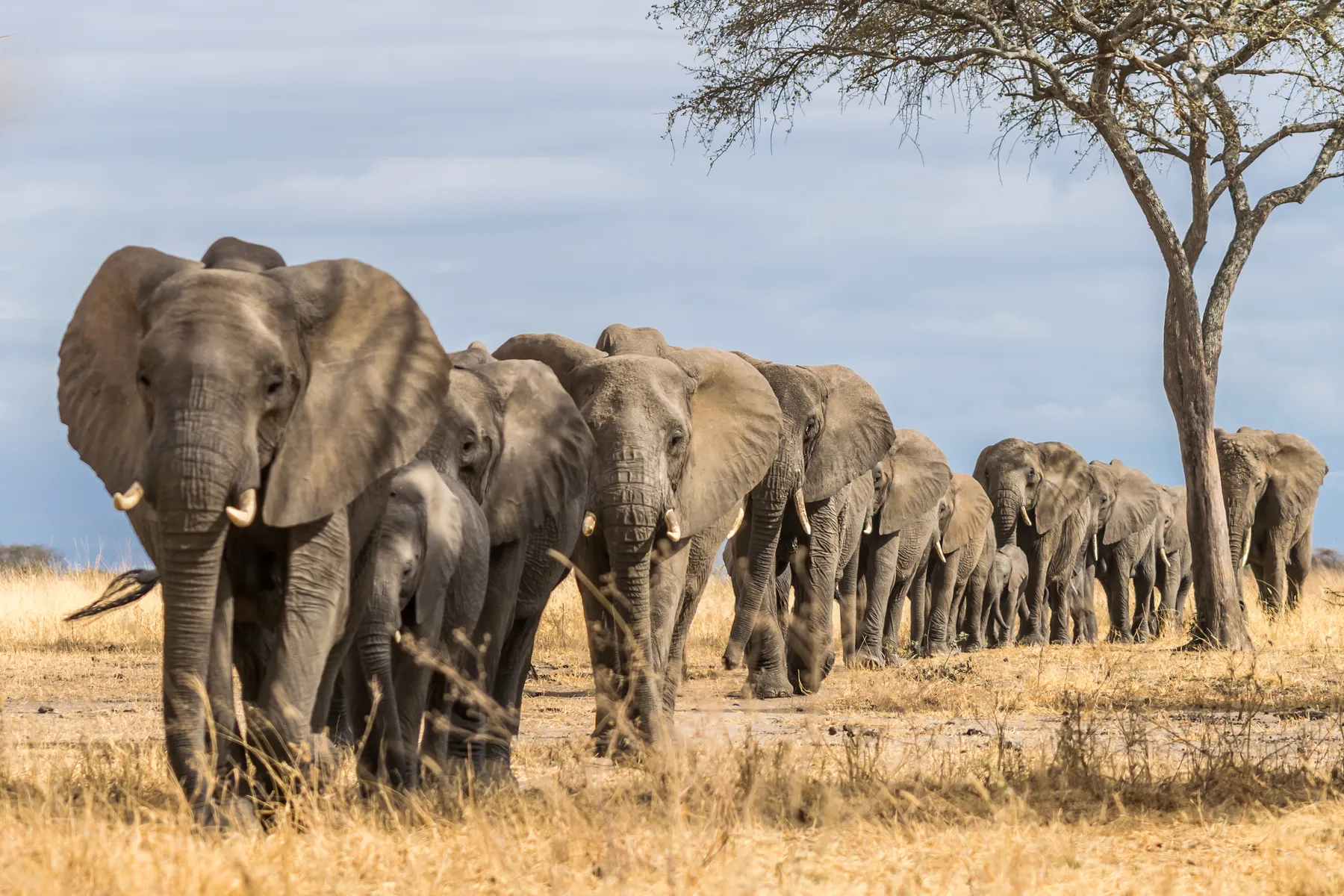
Elephant herd walking in line beneath an acacia, Tarangire National Park
Tanzania

Tarangire National Park

Tarangire — elephant herds by the hundred under ancient baobabs.

Overview

Tarangire is the northern circuit’s quiet achiever. In the dry season the Tarangire River is the only water for miles, and the park concentrates some of the largest elephant herds in East Africa — 300 strong is not unusual — among landscapes of two-thousand-year-old baobabs.

Because most itineraries rush past it, a night or two here feels wonderfully private. The southern reaches of the park are proper wilderness, best explored from a small camp with walking and night drives.

Tarangire rewards time: most visitors give it a single day-trip, but two or three nights in a quiet corner of the park — or the private concessions on its border — reveal a slower, wilder Tanzania of ancient baobabs, python-draped sausage trees and some of the largest elephant herds in East Africa, with barely a vehicle in sight.

Highlights

Highlights of Tarangire National Park

Elephant super-herds

Hundreds gather along the river from June to October — the best elephant viewing in northern Tanzania.

Baobab country

A landscape of vast, ancient trees unlike anywhere else on the circuit.

The wild south

Silale Swamp and beyond — lion, big python, and hardly another vehicle.

Night drives & walks

Permitted in bordering conservancies — rare on the northern circuit.

Where to stay

Recommended lodges & camps in Tarangire National Park

Where you stay shapes your whole safari. These are properties we know personally and return to again and again — chosen for their location, their guiding and the way they make you feel. Tell us which appeal and we'll build your journey around them.

04 properties
Slow safari & barefoot style
Chem Chem Private Concession, between Tarangire & Lake Manyara

Chem Chem Lodge

The first great stop out of Arusha — a private wildlife corridor where your safari begins on foot, with champagne, and without another vehicle in sight.

Ideal for Slow-safari romantics & families (ages 6+)
Discover more
Vintage tented camp
Chem Chem Private Concession, bordering Tarangire

Little Chem Chem

Six vintage tents (one for families) among the baobabs — the safari of another era, on private land where big tuskers wander past camp.

Ideal for Vintage-safari purists & couples
Discover more
Remote baobab camp
Tarangire National Park

Sanctuary Swala

Twelve tents among giant baobabs in Tarangire’s remote south — elephants at the waterhole, and almost no one else.

Ideal for Elephant lovers & seclusion seekers
Discover more
Ridge-top luxury lodge
Tarangire National Park

Lemala Mpingo Ridge

Tarangire’s first true luxury lodge — fifteen suites on a ridge above the river valley, elephants threading the baobabs below.

Ideal for Stylish couples & sundowner lovers
Discover more

These are a few of our favorites — we work with many more across every price point. Have a specific lodge in mind? Tell us in your enquiry and we'll secure it.

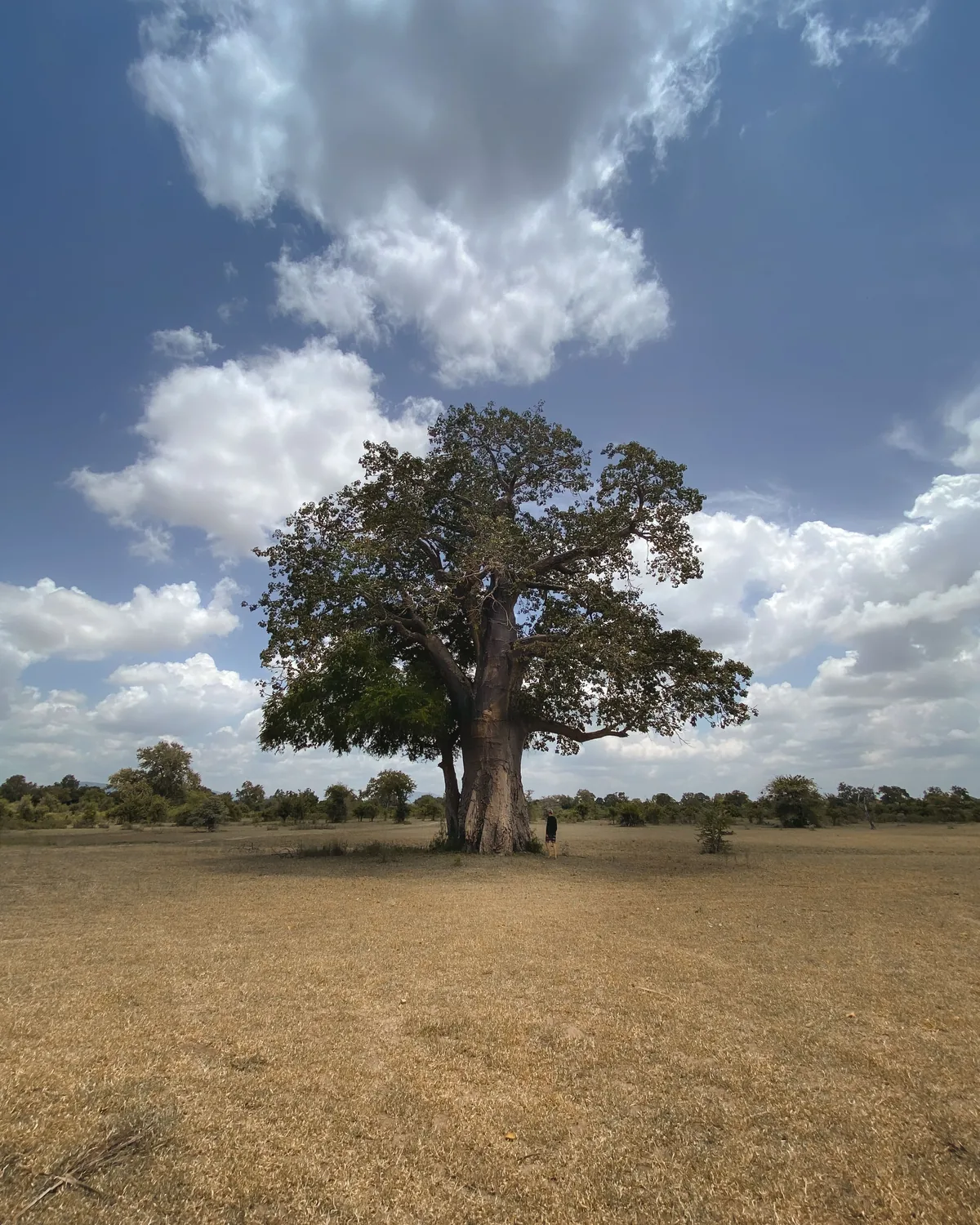
A solitary baobab tree standing on the plains of Tarangire, Tanzania
The baobabs — Tarangire’s signature, and nowhere else on the northern circuit
When to go

Best time to visit

Jun–Oct

Dry season — wildlife pours in to the river and the swamps. Prime time.

Nov–May

Green season — herds disperse but birding is spectacular and rates drop.

Love a good deal? Ask about the green season

In the rainy months many of these same camps drop their rates by 20–40% — emerald landscapes, newborn wildlife, superb birding and far fewer vehicles. Peak season isn't the only great season: tell us your budget and we'll show you what the green season buys.

Good to know

Planning & cost

Safari cost

Fully tailor-made — priced privately to your camps, season and travel style. No fixed packages.

How we travel

Every journey is private and tailor-made — your own guide and vehicle, the finest lodges, and a specialist on call throughout.

Good to know

Everything else,
answered before you ask

The practical details that apply to every safari we plan — so this page is the only one you need.

Money & tipping

US dollars are accepted at virtually every camp, and cards work at lodges and city hotels. Your trip is fully inclusive, so cash is mainly for tips: plan on roughly $10–20 per guest per day for your guide and $10–15 for camp staff, handed over at the end of each stay. We send exact guidance with your final documents.

Health & safety

See a travel clinic 6–8 weeks before departure for routine shots and malaria advice (most safari regions require prophylaxis; parts of South Africa are malaria-free). Camps are remote but professionally run, with radio contact and evacuation cover — we require travel insurance that includes emergency medical evacuation.

Staying connected

Nearly all lodges have Wi-Fi in the main areas (often in-tent too), and an eSIM from your US carrier covers the cities. Expect to be offline on game drives — most guests come to see that as the point. Family back home can always reach you through us, day or night.

What to pack

Soft duffel bags only (light aircraft cap luggage around 33 lb / 15 kg), neutral-colored layers for cold mornings and warm afternoons, and binoculars. Laundry is included at almost every camp, so pack for 4–5 days no matter the trip length.

Full packing list →
Good to know

Tarangire National Park FAQs

In the dry season, absolutely — its elephant viewing rivals anywhere in Africa and it takes pressure off busier parks. We usually place it first on the route from Arusha.

About two hours by road, which makes it the natural first stop on a northern circuit safari before Ngorongoro and the Serengeti.

Elephant above all, plus lion, leopard, buffalo, giraffe, and dry-season concentrations of zebra and wildebeest. Birders log 500-plus species.

Before you travel

Getting to Tanzania — flights, visas and health

Current at the time of writing. We re-confirm every requirement for your exact routing before you travel — and we will tell you what to apply for, and when.

AirportsKilimanjaro International (JRO) for the northern circuit, Julius Nyerere, Dar es Salaam (DAR) for the south, and Zanzibar (ZNZ) for the islands. Bush flights to the camps leave from Arusha Airport (ARK) and the park airstrips.
Getting thereNo nonstop from the US: connect once through Amsterdam (KLM), Doha (Qatar), Istanbul (Turkish) or Addis Ababa (Ethiopian). Plan on 18–24 hours door to door.
Visa — US citizensUS citizens need the multiple-entry e-visa (about $100), applied for online before travel — allow two to four weeks. Apply only at the official portal: visa.immigration.go.tz.
HealthYellow fever certificate required only if you arrive from a country where the disease is present — a layover over twelve hours in one can count. Malaria prophylaxis is advised for all safari areas. Country guidance: CDC Travelers’ Health.
PassportSix months’ validity beyond your return date, with two to four blank pages. Travel insurance including medical evacuation is required on every journey we plan.

Let's design your Tarangire National Park journey.

Tell us how you like to travel and our experts will craft your private, tailor-made itinerary — no obligation.

Enquire now