The African safari packing list
Everything you need for a luxury African safari — and nothing you don’t. So this safari packing list keeps it simple: soft bags only, layers over bulk, neutral over bright. Then tick the extras that match your journey.
No rigid frames or hard shells — duffels must squash into light-aircraft belly pods just 10in high.
Bush flights cap total luggage — including hand luggage and camera gear — at 33–44lbs per person.
Nearly every camp includes same-day laundry — pack for 4–5 days no matter how long the trip.
Dress in these colors
Neutral, earthy tones blend into the bush so wildlife stays relaxed around you — and they hide dust between laundry days. Match your clothes to these swatches and you can't go wrong.
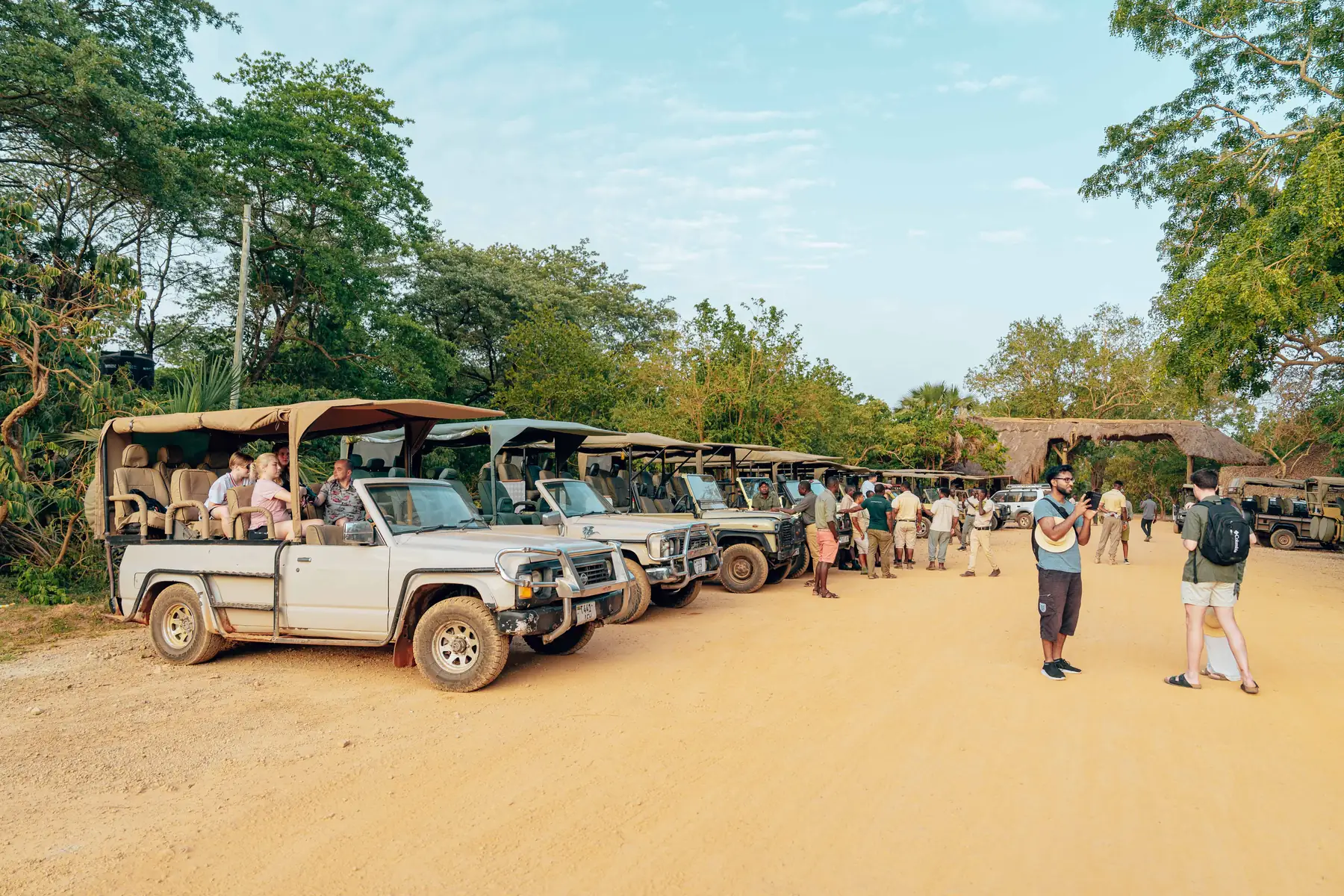
Soft bags only — light aircraft and open vehicles decide the rest
One safari packing list, small adjustments
The core list works everywhere we travel in Eastern and Southern Africa. These are the adjustments that matter, region by region.
Packing for Tanzania & Kenya
The highlands surprise people: the Ngorongoro Crater rim sits at 7,500ft and dawn drives in the Mara are cold — pack the fleece even in the dry season. Long sleeves at dusk for mosquitoes, and the neutral palette matters most here (tsetse country).
Rwanda & Uganda
Gorilla country is rainforest at altitude — it rains year-round, so the waterproofs, gloves and gaiters in the trekking list are not optional. Also, sturdy broken-in boots beat new ones every time.
Packing for Botswana & the Okavango
Winter (May–September) mornings in an open vehicle or mokoro sit near freezing — add a warm hat, gloves and a windproof layer. In addition, a small dry bag protects your camera on the water. Airlines here enforce the 15kg soft-bag rule most strictly.
South Africa & Cape Town
Seasons are reversed: June–August is winter, so safari mornings need real warmth and Cape Town needs a proper jacket and umbrella. Add smarter outfits for the city and Winelands — this is the one stop where you'll dress up. Meanwhile, several reserves are malaria-free, ideal with young children.
Zambia & Zimbabwe
Walking-safari country: closed, quiet-soled boots and long neutral trousers earn their place. At Victoria Falls, peak water (roughly February–June) soaks the viewpoints — a poncho is provided, but bring a waterproof phone pouch. October is seriously hot; pack lighter.
Packing for Namibia
Desert extremes: scorching days, near-freezing nights, and fine sand that gets everywhere. Bring high-SPF sunscreen, lip balm, a buff or scarf for dust, and seal camera gear in zip bags. A warm jacket for stargazing — the night skies are the point.
Zanzibar & the islands
Reef-safe sunscreen and a rash top for snorkeling. In Stone Town and village areas, shoulders and knees covered — Zanzibar is culturally conservative away from the resorts. However, Mauritius and the Seychelles feel relaxed everywhere.
Kilimanjaro
A different packing job entirely — full layering from rainforest to arctic summit night. We send climbers a dedicated gear list with your final documents; quality rental gear is available in Moshi and Arusha.
Cameras, yes. Drones, no.
Bring them — no permit is needed for personal photography anywhere we travel, however professional your kit looks. A few things we've learned from years of game drives:
- A 100–400mm zoom covers almost everything; pair it with a wide lens for landscapes and camp life.
- Skip the tripod on drives — a beanbag on the window frame is steadier in a vehicle, and most camps have them. Bring a monopod only if you're walking.
- Everything counts toward the 15kg light-aircraft limit, camera bag included. Tell us your kit weight and we'll pre-book an extra seat or freight if needed.
- Dust is the real enemy: bring a rocket blower, keep lens changes for camp, and pack a dry bag or pillowcase to cover the camera between sightings.
- Spare batteries fly in your carry-on (airline lithium rules), and every lodge can charge overnight — bring your plug adapter.
Leave the drone at home — we say this to every guest who asks, and it saves real heartache at the airport:
- Drones are banned in the national parks and reserves of every country we visit — the Serengeti, Ngorongoro, the Maasai Mara, Amboseli, the Okavango, Kruger and the rest — even if you hold a national aviation permit. Park authorities enforce this separately, to protect wildlife and anti-poaching patrols.
- Customs at Kilimanjaro and Nairobi scan for drones on arrival; without pre-approved import permits, expect confiscation on the spot — with no guarantee of return.
- Permits exist for licensed film productions, but they take one to several months, cost from around $1,000, and are almost never granted to tourists.
- Want aerial footage anyway? Do it legally and better: a sunrise hot-air balloon over the Serengeti or Mara, or a scenic helicopter or light-aircraft flight — we build either into your itinerary.
Safari packing: clothing
Health & sun: safari packing
Safari packing: gear & documents
Rwanda & Uganda add-ons
Trekking add-ons for your packing list
Zanzibar & islands add-ons
Before you travel, check the latest CDC travel health advice and the entry rules published by the US State Department.