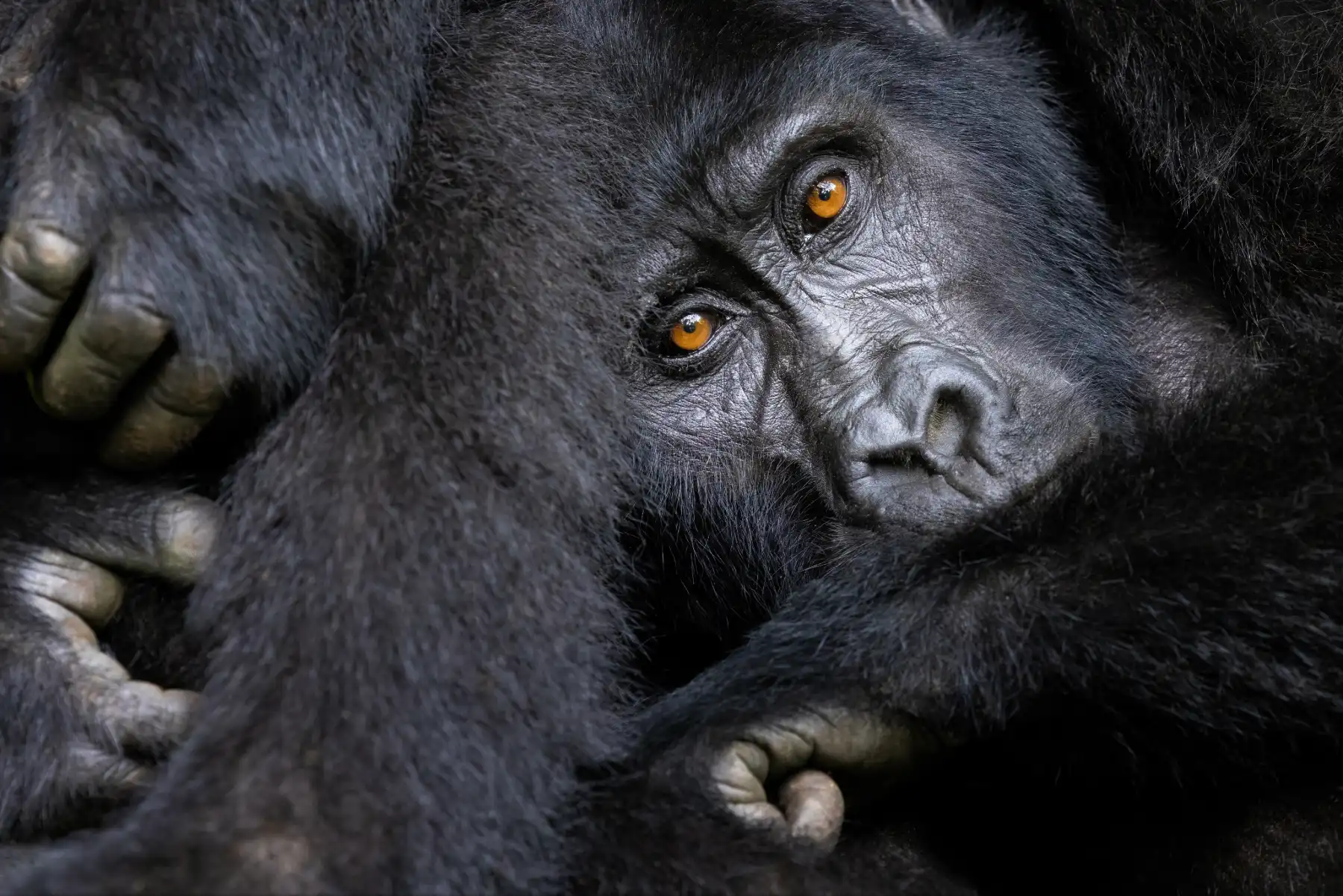
Eastern Africa is where safari really comes alive. Above all, this is the land of the Great Migration across the Serengeti and the Maasai Mara, the Big Five in the Ngorongoro Crater, and the misty forests where mountain gorillas live in Rwanda and Uganda.
In particular, a private luxury Eastern Africa safari combines world-class wildlife with the white-sand beaches of Zanzibar: the classic bush-and-beach trip, planned around you. If Tanzania is your focus, begin with the best time to visit Tanzania.
An East Africa safari is the classic first journey: light aircraft link the Serengeti, Maasai Mara, Ngorongoro and the gorilla forests in a single route, and every itinerary can finish on the Indian Ocean. It is where the safari was invented, and where its greatest spectacle, the wildebeest migration, still runs year-round.
Which country first? Kenya for the shortest, easiest first safari and the densest big-cat viewing; Tanzania for scale, the calving season and Zanzibar; Rwanda or Uganda for the gorillas. We set out the trade-offs in Kenya or Tanzania for a first safari, and if you are weighing this region against Botswana, in Botswana or East Africa.
Where to go in Eastern Africa

Tanzania
The Serengeti, Ngorongoro Crater, Kilimanjaro and Zanzibar.
Explore Tanzania →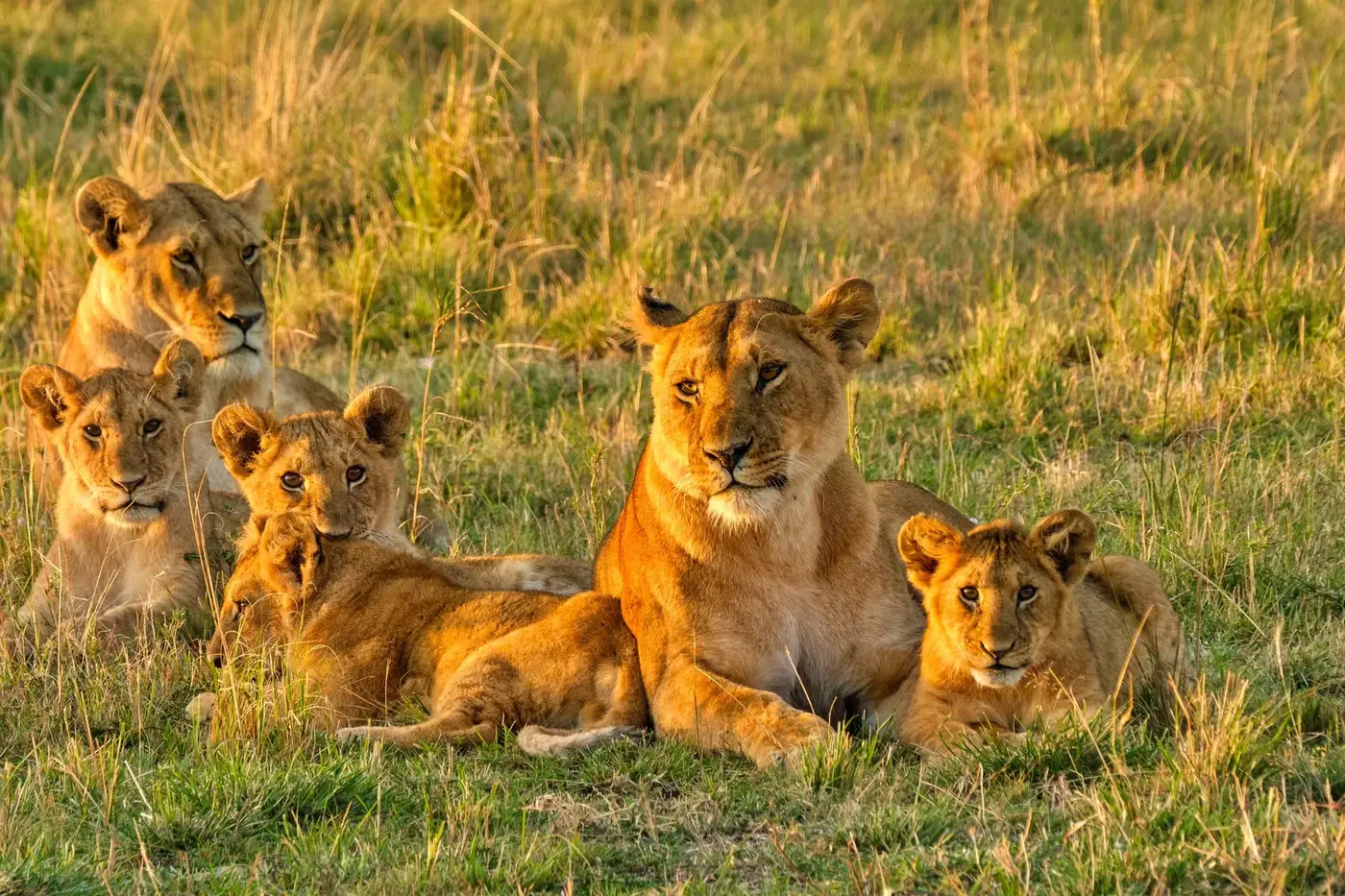
Kenya
The Maasai Mara, Amboseli and exclusive private conservancies.
Explore Kenya →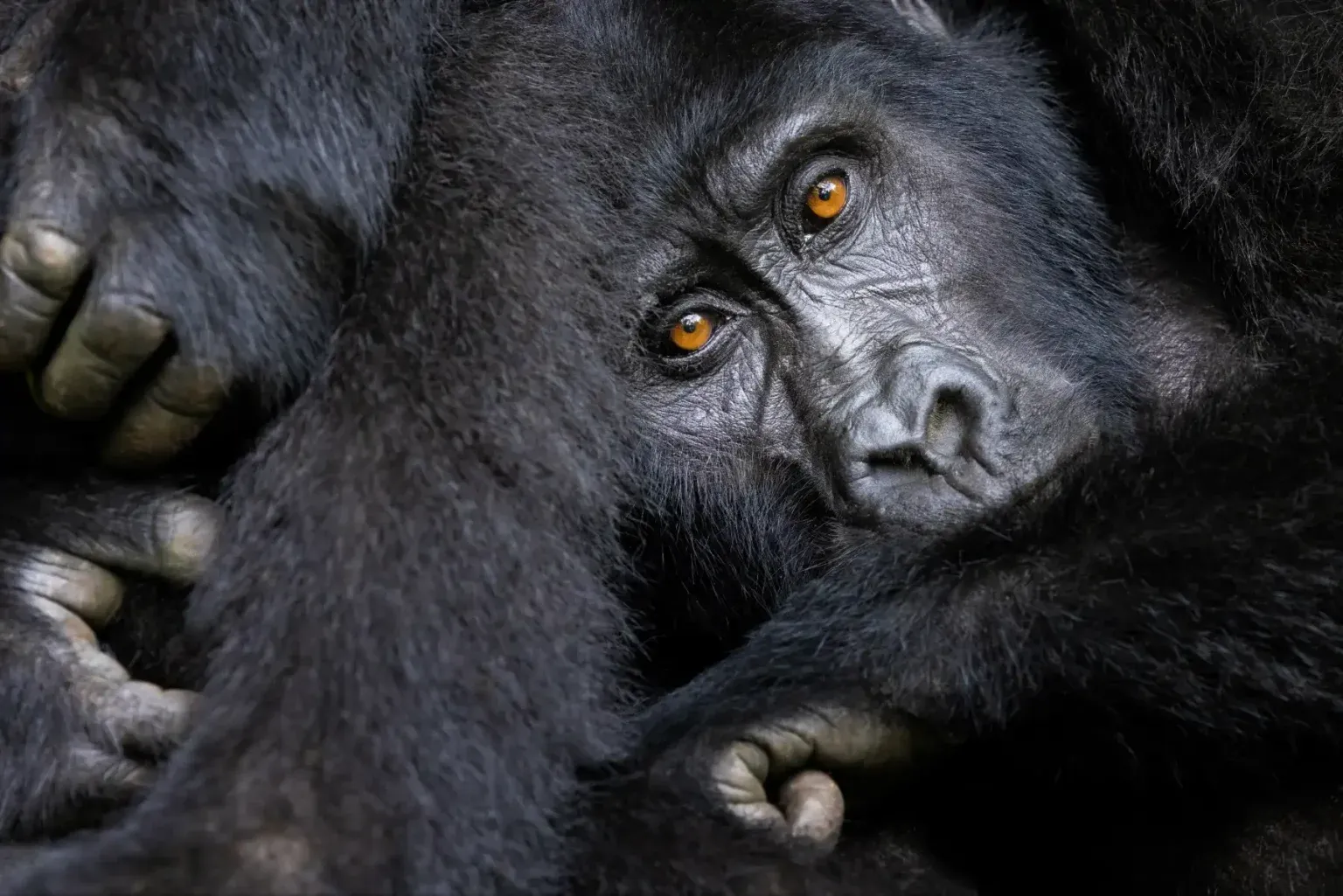
Rwanda
Luxury gorilla trekking in Volcanoes National Park.
Explore Rwanda →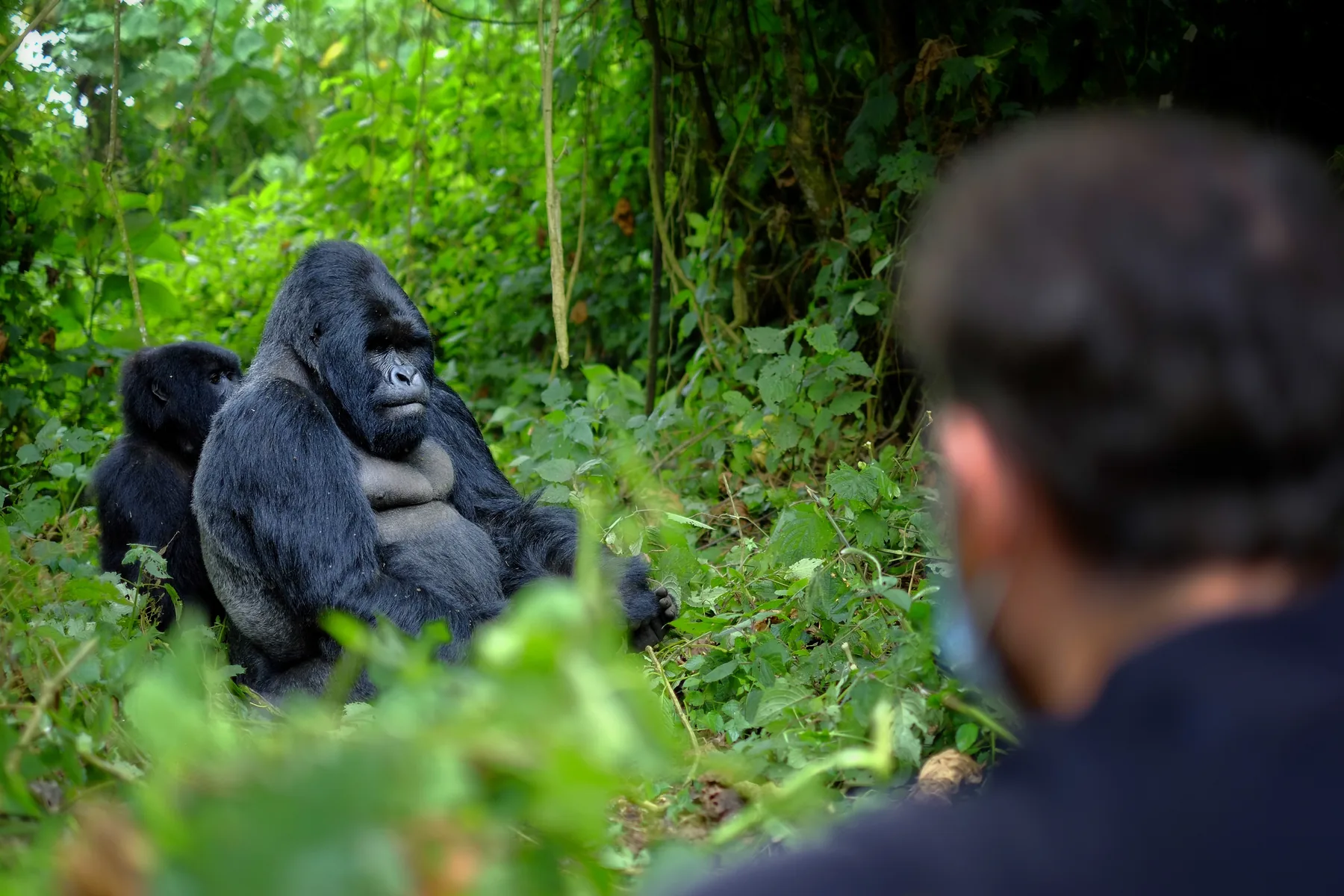
Uganda
Gorillas in Bwindi plus tree-climbing lions and chimps.
Explore Uganda →The Great Migration
Two million wildebeest on the move between the Serengeti and the Maasai Mara.
Explore →Best time to visit Eastern Africa
The dry season and the Great Migration, with Grumeti crossings from June and Mara River crossings from July. Peak season.
Calving in the southern Serengeti; dry, warm and uncrowded.
Driest months and best conditions for gorilla trekking.
In the rainy months, however, many of these same camps drop their rates by 20–40%. Also, expect emerald landscapes, newborn wildlife, superb birding and far fewer vehicles. Peak season isn't the only great season, so tell us your budget and we'll show you what the green season buys.
Planning & cost for an East Africa safari
Priced to your budget, and built around your camps, the season and how you like to travel. There are no fixed packages.
In short, we design every journey privately, with private guides and vehicles arranged where specified, the finest lodges, and a specialist on call throughout. At fly-in camps, game drives may be shared unless a private vehicle is reserved.
Everything else,
answered before you ask
The practical details that apply to every safari we plan, so this page is the only one you need.
Safari camps widely accept US dollars for tips and extras, and cards work at most lodges and city hotels. Most costs are prepaid in your itinerary, so cash is mainly for tips: plan on roughly $20–25 per guest per day for your guide and $10–15 for camp staff, handed over at the end of each stay. In addition, we send exact guidance with your final documents.
See a travel clinic 6–8 weeks before departure for routine shots and malaria advice (most safari regions require prophylaxis; parts of South Africa are malaria-free). Camps are remote but professionally run, with radio contact and evacuation cover, and we require travel insurance that includes emergency medical evacuation.
Nearly all lodges have Wi-Fi in the main areas (often in-tent too), and an eSIM from your US carrier covers the cities. Even so, expect to be offline on game drives; most guests come to see that as the point. Still, family back home can always reach you through us, day or night.
Soft duffel bags only (light aircraft cap luggage around 33 lb / 15 kg), neutral-colored layers for cold mornings and warm afternoons, and binoculars. Almost every camp includes laundry, so pack for 4–5 days no matter the trip length.
Full packing list →Continue exploring
Southern Africa
A Southern Africa safari spans the Okavango Delta, Victoria Falls, the Cape and the dunes of Namibia.
Explore → RegionBeaches & Islands
Africa’s beaches and islands, with powder-white sand and turquoise water to end your safari.
Explore → ExperienceThe Great Migration
Two million wildebeest on the move between the Serengeti and the Mara.
Explore →Eastern Africa FAQs
Plan your East Africa safari.
Indeed, an Eastern Africa safari can follow the herds, the crater rim or the coast, and often all three.
So tell us how you like to travel and start with a complimentary consultation.
Plan your safariFor official visitor information, see Magical Kenya, the Kenya Tourism Board.