Written and reviewed by Evance & Jennifer, NndeeAfrika’s founders · Evance has 15+ years in hospitality and tourism across East and Southern Africa · Reviewed 5 October 2026
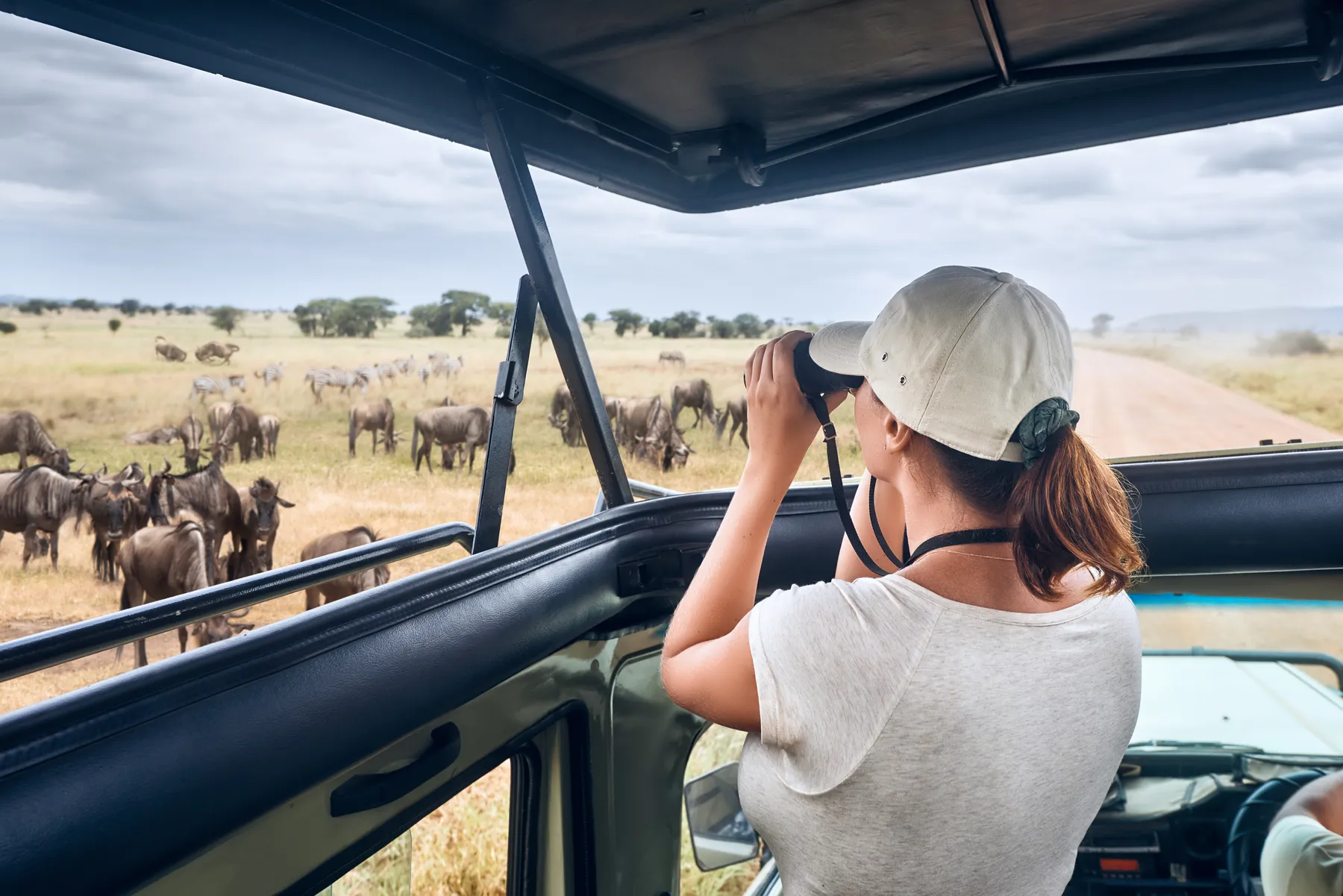
A photographic safari is an ordinary safari with the compromises removed. Your own vehicle and guide mean you work a sighting for as long as the light deserves — waiting out a yawning lion, circling for a backlit silhouette, or sitting at a crossing point all morning.
You do not need to be a professional. We design trips for everyone from phone photographers who want better moments to serious amateurs traveling with long glass — pairing you with guides who understand light, angles and animal behavior.
Where to go on an African photo safari
Great wildlife photography needs reliable sightings, freedom to position for the light, and time. These are the places that give you all three, and the months when they give you most.
| Destination | Best for | Best months | Why photographers go |
|---|---|---|---|
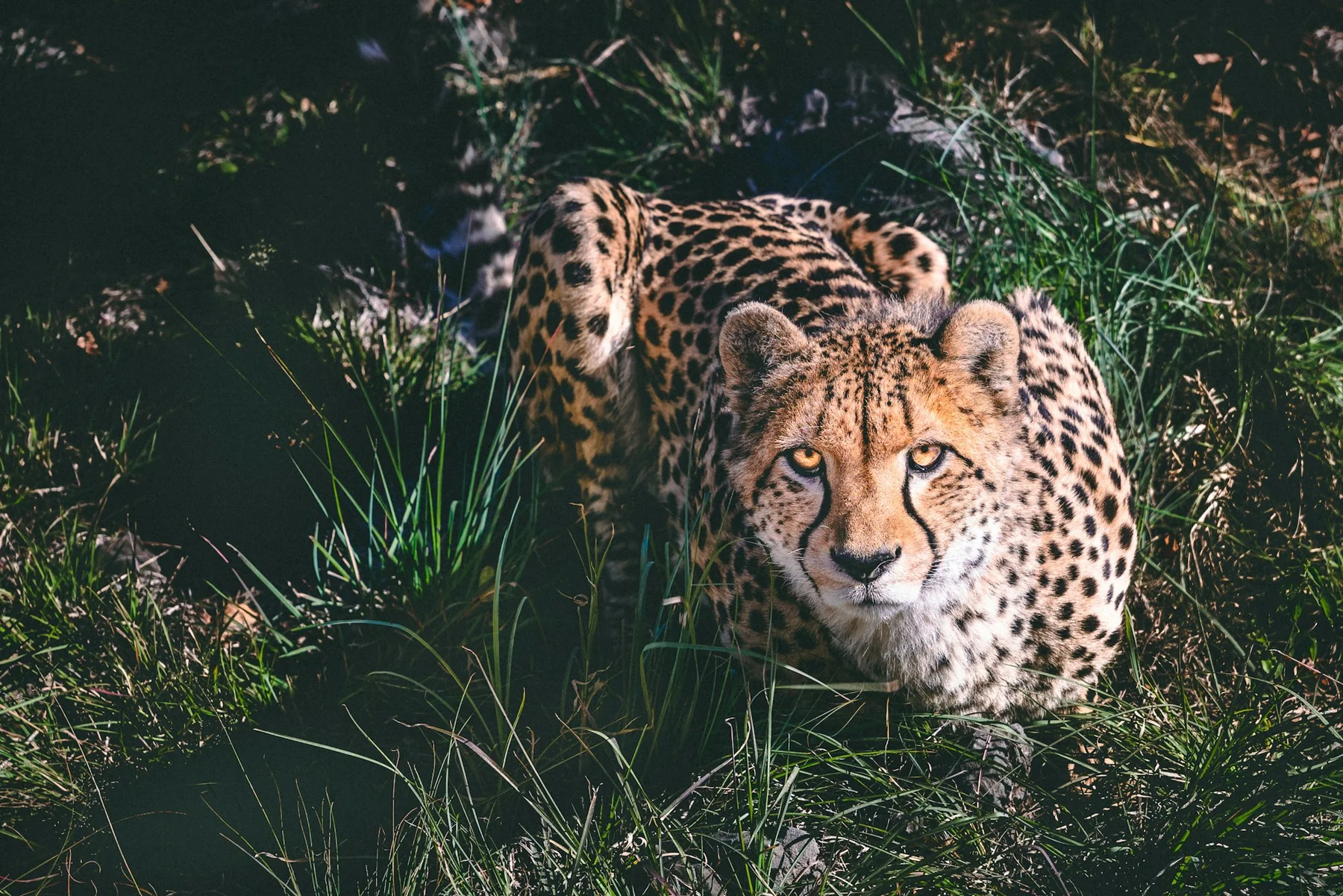
| Maasai Mara conservancies, Kenya | Big cats at eye level, off-road positioning, night drives | July–October for the crossings; January–March for green grass and cubs | Private conservancies allow off-road driving and low sun angles the national reserve does not |
| Southern Serengeti and Ndutu, Tanzania | Calving season, cheetah and hyena hunts on open plains | December–March | Short grass, clean backgrounds and predator action within minutes of camp |
| Northern Serengeti, Tanzania | Mara River crossings, dust and backlight | July–October | Mobile camps sit close to the crossing points, so you are there when it happens |
| Ngorongoro Crater, Tanzania | Soft early light, the Big Five in one frame | Year-round; June–October driest | Descend at dawn before the crater floor fills with vehicles |
| Okavango Delta, Botswana | Water-level angles from boats, mokoro and hides; leopards | May–October | Low vehicle density in private concessions; water reflections at first and last light |
| Chobe River, Botswana | Elephants and buffalo at the water from photographic boats | August–October | Boats with swivel camera mounts put you at the animals’ height |
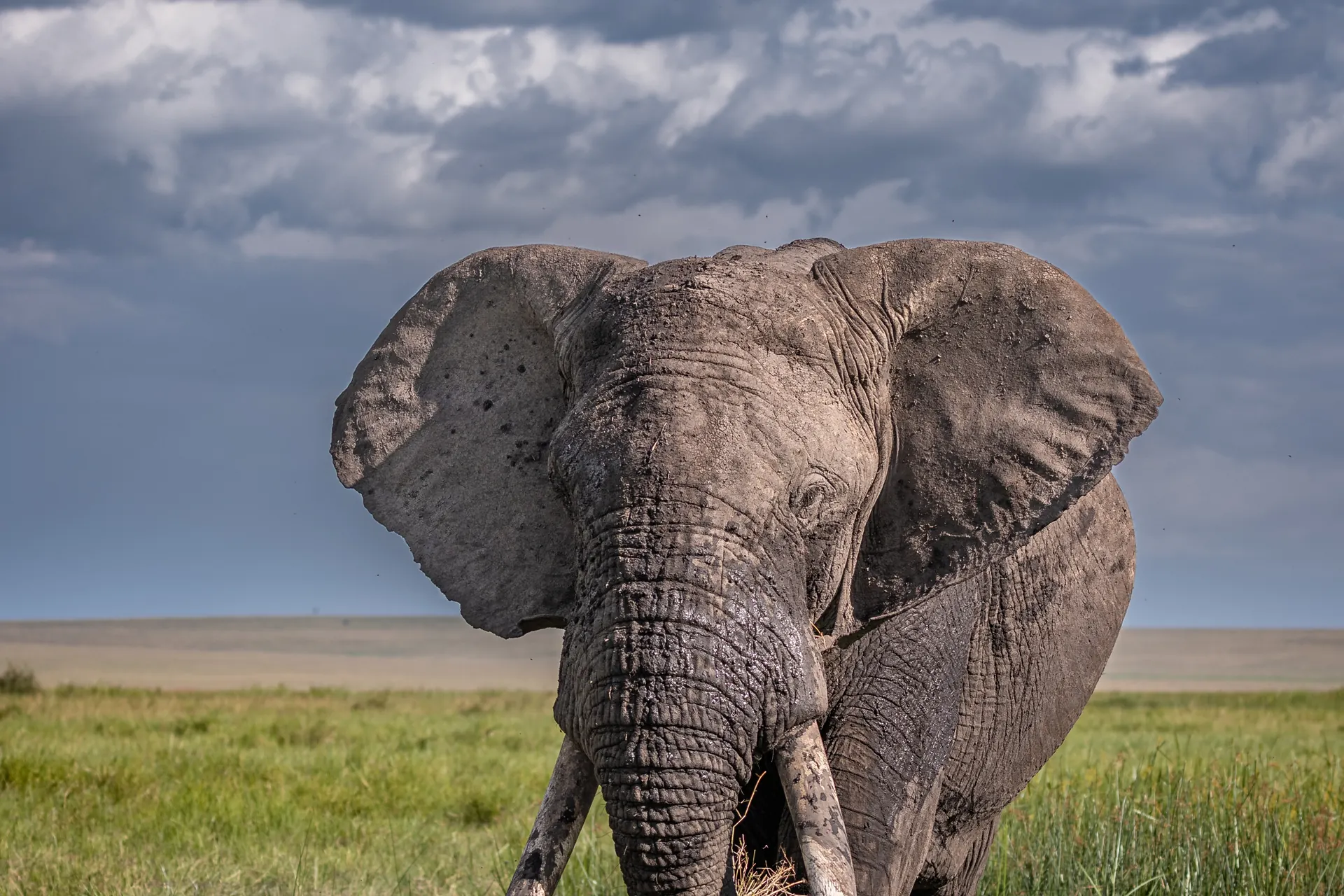
| Mana Pools, Zimbabwe | Elephants in the albida forest, on-foot perspectives | August–October | Dust-filtered light through the trees that photographers travel for specifically |
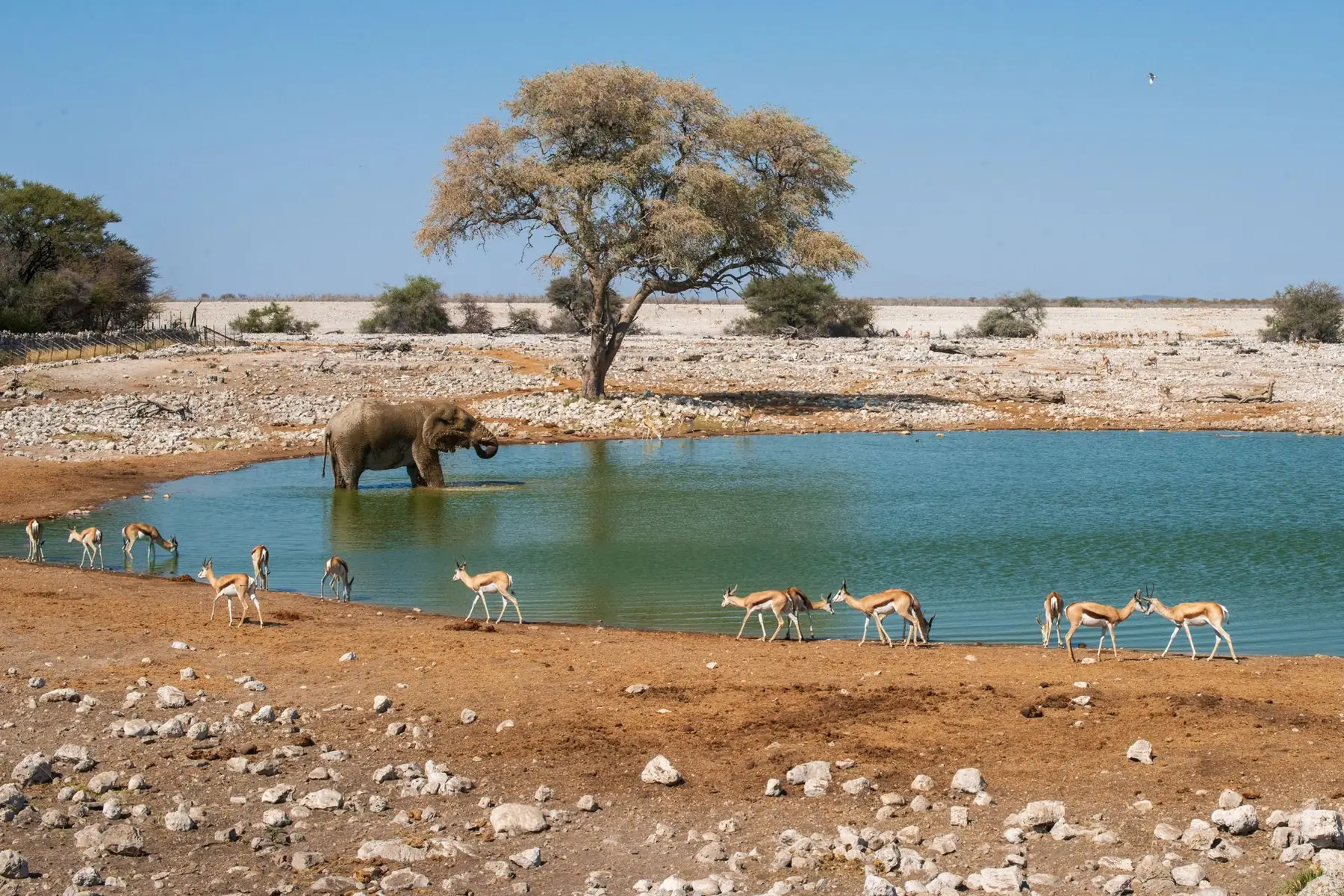
| Etosha, Namibia | Waterhole scenes on white pans; floodlit hides after dark | June–October | Pale backgrounds and large numbers at the same water |
| Amboseli, Kenya | Elephant herds beneath Kilimanjaro | June–October and January–February for clear mornings | The mountain shows early; be in position before sunrise |
Best months for an African photo safari
There is no single best month, only different portfolios. Dry months give certainty and dust; green months give color and drama at lower rates.
| Months | Season | What it gives your portfolio |
|---|---|---|
| June–October | Dry season | Dust, backlight, animals concentrated at water, the Mara River crossings; busiest and most expensive months |
| November–December | Short rains | Storm skies, fewer vehicles, the first green; some of the year’s most dramatic light |
| January–March | Calving and green season | Newborn animals, saturated grass, predator action in the southern Serengeti; soft overcast light |
| April–May | Long rains | Lowest rates and empty parks; some camps close, roads can be slow, and skies are at their biggest |
What gear to bring, and what to leave at home
Light aircraft cap luggage at about 33 lb (15 kg) in soft bags, so the kit has to earn its place. Cameras travel as carry-on; serious kits can book an extra freight seat, which we arrange in advance.
- Two bodies if you own them — one long, one wide, so you are not changing lenses in dust.
- A 100–400 mm or 200–600 mm zoom covers most sightings; primes above 400 mm are for the dedicated.
- A wide lens for skies, landscapes and the vehicle-and-elephant moments.
- A beanbag, not a tripod — vehicles carry them; a monopod helps on foot.
- Spare batteries, fast cards and a backup drive; charging is in the vehicle and in camp.
- Dust protection — a blower, lens cloths and a cover for the drives.
- Phone photographers — a clip-on telephoto, a lens cloth and plenty of storage are all you need to come home with better images than most.
The rest of the bag follows the ordinary rules: what to pack for a safari.
What a photo safari day looks like
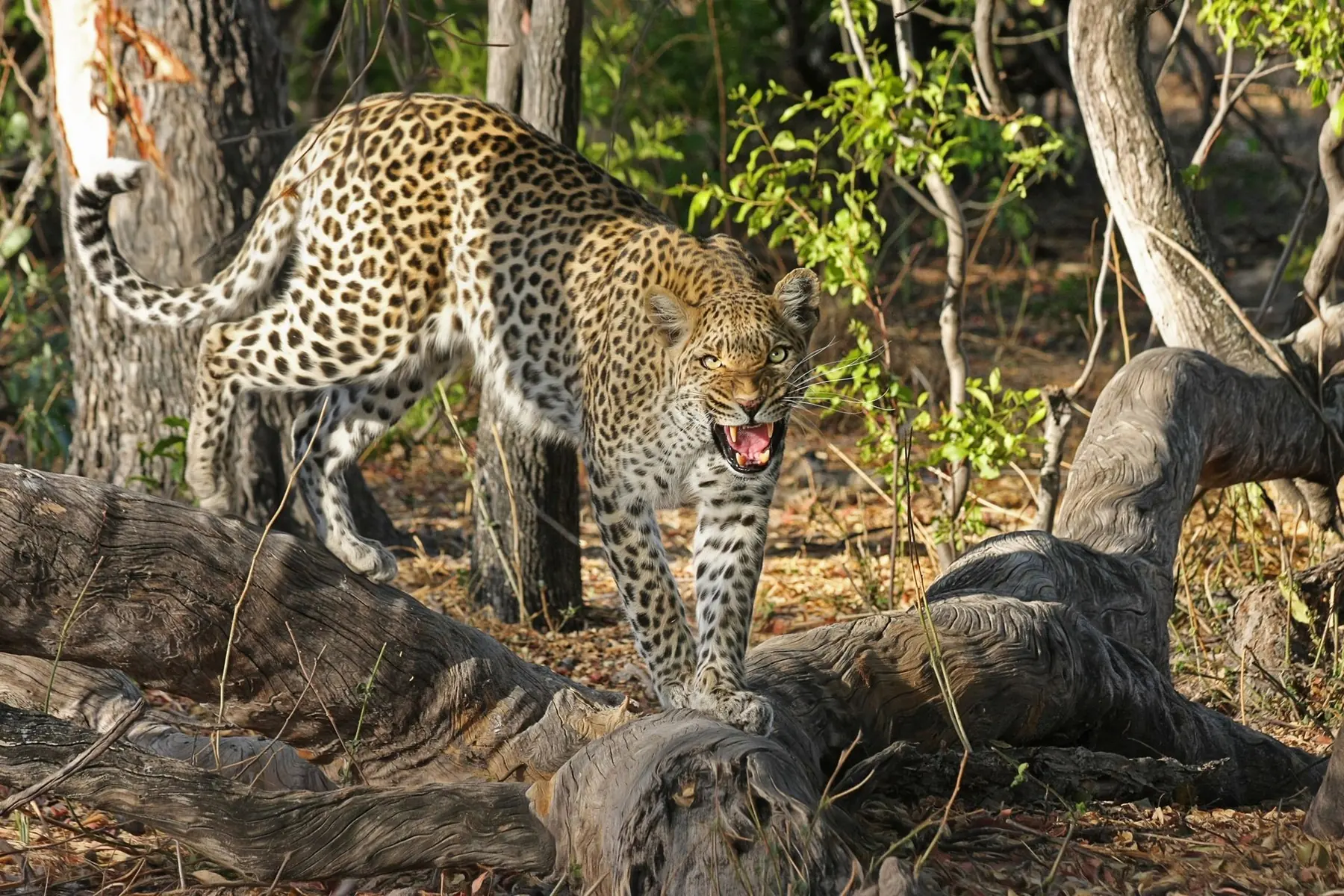
Out before first light, usually around 5:30, with coffee in the vehicle. The first two hours are the day’s best, so breakfast is in the bush, not in camp. Late morning is for backing up cards and editing while the light is flat; the afternoon drive runs until the last of the light, and in private conservancies continues after dark under a spotlight. A photographic safari also means staying put: an hour with one leopard is worth more than six sightings at speed.
What an African photo safari costs
A private, tailor-made photographic safari with us starts where our other journeys do, at approximately $12,000 per person, excluding international flights. What moves a photographer’s trip above that is specific: a private vehicle and guide throughout (the one supplement worth paying for), camps with photographic vehicles, hides or boats, private conservancies that allow off-road and night driving, and an extra freight seat for a large kit. Every proposal states which vehicle and guiding arrangements are private at each camp, so the price buys exactly what you expect. How safari costs are built
Highlights of Photographic Safari
Private guide & vehicle
Work every sighting on your schedule — the single biggest upgrade for photography.
Off-road conservancies
Private conservancies in Kenya and Botswana allow positioning that national parks cannot.
Explore Off-road conservancies →Golden-hour game drives
Camps chosen for fast access to wildlife at first and last light.
Hides & water-level angles
Specialist hides and boat platforms for eye-level perspectives.
Best destinations for a photographic safari
Great wildlife photography needs three things: reliable sightings, freedom to position for the light, and time. These destinations deliver all three.
Kenya
The Maasai Mara's private conservancies allow off-road positioning and low golden light on big cats — the world's most photographed plains for a reason.
Explore Kenya → Eastern AfricaTanzania
The migration, calving-season predator action and the Ngorongoro Crater's soft morning light in one country.
Explore Tanzania → Southern AfricaBotswana
Water-level hides, mokoro perspectives and low-vehicle-density concessions in the Okavango Delta.
Explore Botswana → Southern AfricaZimbabwe
Mana Pools' famous light through the albida forest and on-foot angles no vehicle can reach.
Explore Zimbabwe →Know before you go
The practical details we handle for you — flights, entry, health and money — summarized here so nothing surprises you. Requirements can change, so we confirm everything when you book.
Same gateways as any safari — Nairobi, Kilimanjaro, Maun or Victoria Falls. Camera gear travels as carry-on; we advise on light-aircraft weight allowances and extra-seat options for big kits.
Light aircraft cap luggage around 15kg in soft bags. Serious kits can book an extra freight seat. Beanbags and charging points are standard in the private vehicles we use; specialist camps add gimbal mounts.
Photography is the strongest reason to go private: you decide how long to sit with a sighting, where the sun is, and when to leave camp. For dedicated photographic safaris, we reserve a private vehicle wherever available and confirm the exact vehicle and guiding arrangements in your proposal. At any camp where private use is unavailable or not included, this will be clearly disclosed before booking.
Dry-season dust and golden light (Jun–Oct) for classic imagery; green season (Nov–Mar) for dramatic skies, newborns and stormlight at lower rates.
Best time for a photographic safari
Dry season — golden dust, concentrated wildlife and the migration river crossings.
Calving season in the southern Serengeti — predator action on open plains.
Green season — storm skies, newborn animals and rich color at better rates.
In the green months rates ease at many of these camps, the plains empty of vehicles and the light turns dramatic. What each season gives, and what it trades, is set out in our Safari Planning Guide.
Planning & cost
Fully tailor-made — priced privately to your camps, season and travel style. No fixed packages.
Every journey is privately designed, with the finest lodges and a specialist on call throughout. For dedicated photographic safaris, we reserve a private vehicle wherever available and confirm the exact vehicle and guiding arrangements in your proposal. At any camp where private use is unavailable or not included, this will be clearly disclosed before booking.
Practical details,
in one place
Money, health, connectivity and packing work the same way on every safari we plan, so they live in one place rather than on every page.
Continue exploring
Kenya
The Maasai Mara, Amboseli, Samburu and the Great Migration.
Explore → Southern AfricaBotswana
A Botswana safari is Africa’s water wilderness — the Okavango Delta, Chobe and the Kalahari.
Explore → ExperiencePrivate Conservancies
A private conservancy safari — fewer vehicles, wilder freedom, and safaris that fund the land they cross.
Explore →Photographic Safari FAQs
The craft details that decide your photographs
Let's design your Photographic Safari journey.
A photographic safari is planned around light, angle and time in one place.
Tell us how you like to travel and start with a complimentary consultation. When you are ready, a $500 USD planning fee covers your personalized itinerary and revisions, and is deducted from your booking deposit when you book.
Inquire now