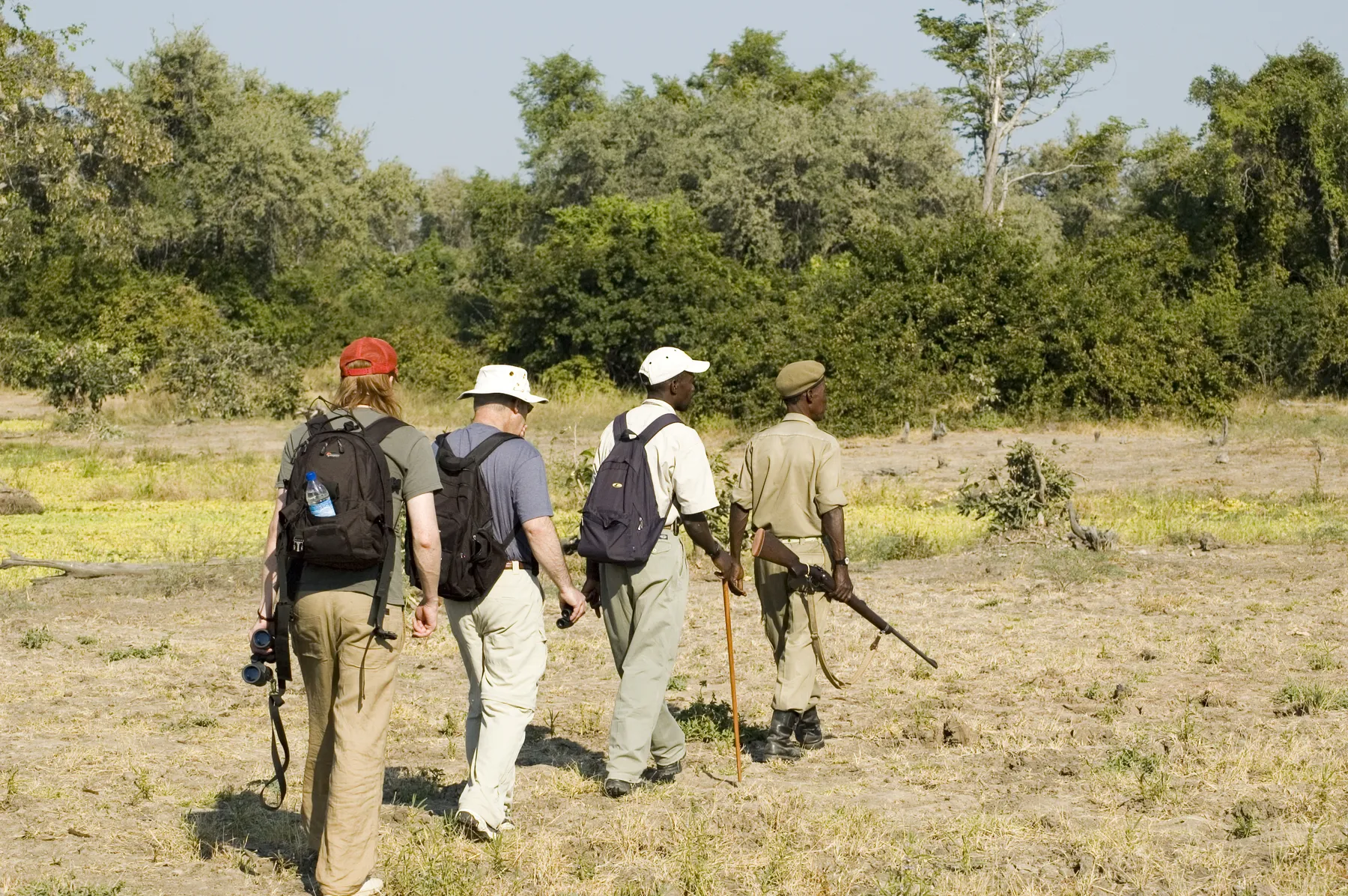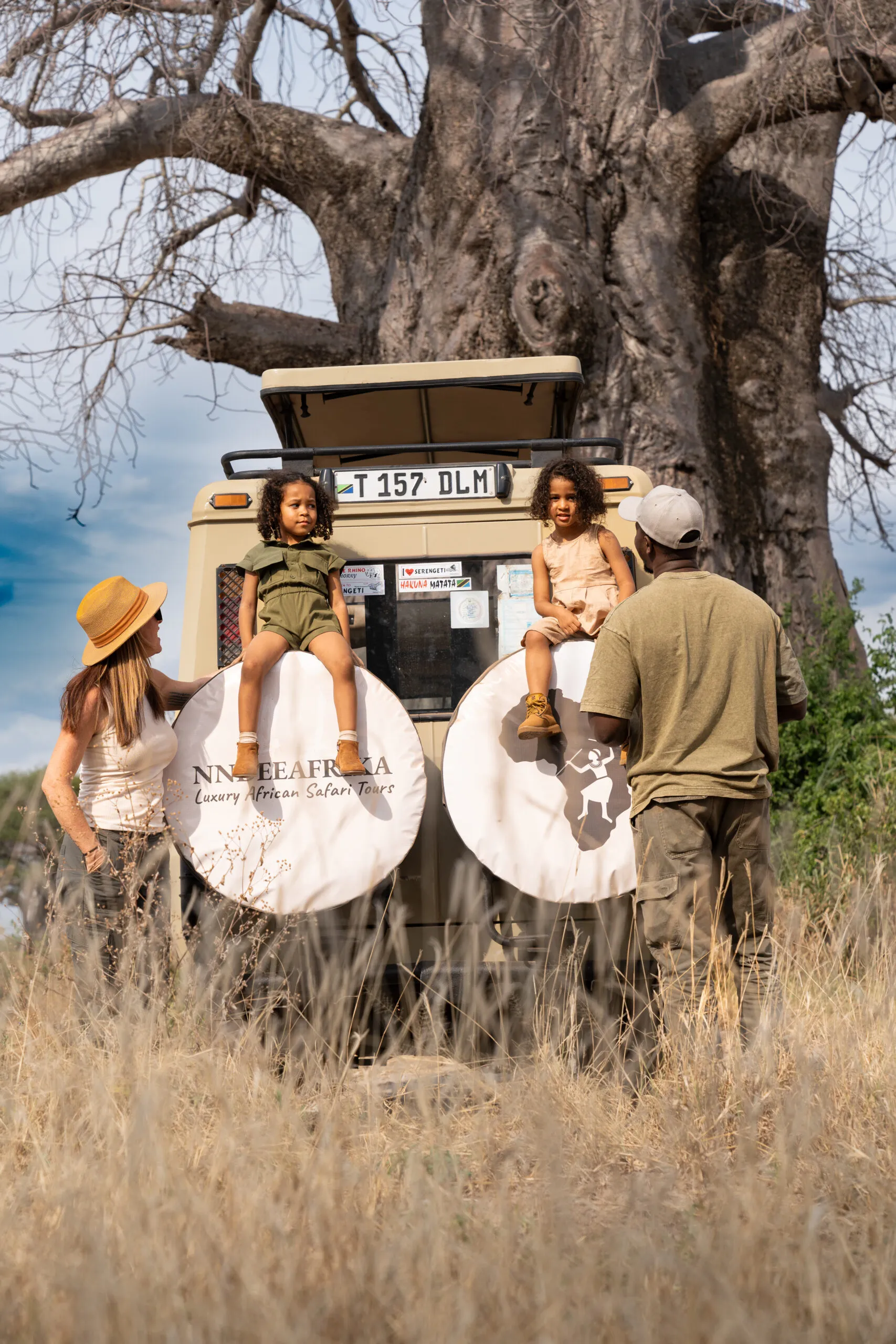
A safari asks very little of you physically — the animals come to the vehicle, not the other way around. Some of our happiest guests have celebrated 70th and 80th birthdays in the bush. The difference between a tiring trip and an effortless one is entirely in the planning.
Built for comfort from the start
The short answer: a private safari is one of the best trips for travelers in their 60s, 70s and beyond — because the pace, the vehicle, the walking and the altitude are all yours to set. We route older travelers as fly-in safaris: light aircraft between camps instead of six-hour drives, arrival days with nothing scheduled, and never more than two or three camps in a trip. Lodges are chosen for real beds, en-suite bathrooms with walk-in showers, minimal steps and short walkways — and we know which camps have golf carts, ground-level suites and staff who quietly carry everything. As a rule of thumb, most private NndeeAfrika journeys begin at approximately $12,000 per person, excluding international flights — the full picture lives on our luxury African safaris pages.
The pace is yours
A private vehicle and guide — our standard — means game drives run on your schedule. Skip the 5:30am start and drive at 8. Come back for lunch and a nap. Watch the waterhole from your own deck all afternoon; in the dry season it often outperforms the game drive.
- —Malaria-free options: Madikwe and the Eastern Cape in South Africa
- —Low-altitude choices if heart or lung health is a factor
- —Camps with resident nurses or quick air-evacuation cover — included in our trips
- —Gentle activities: boat safaris, hides, private sundowners
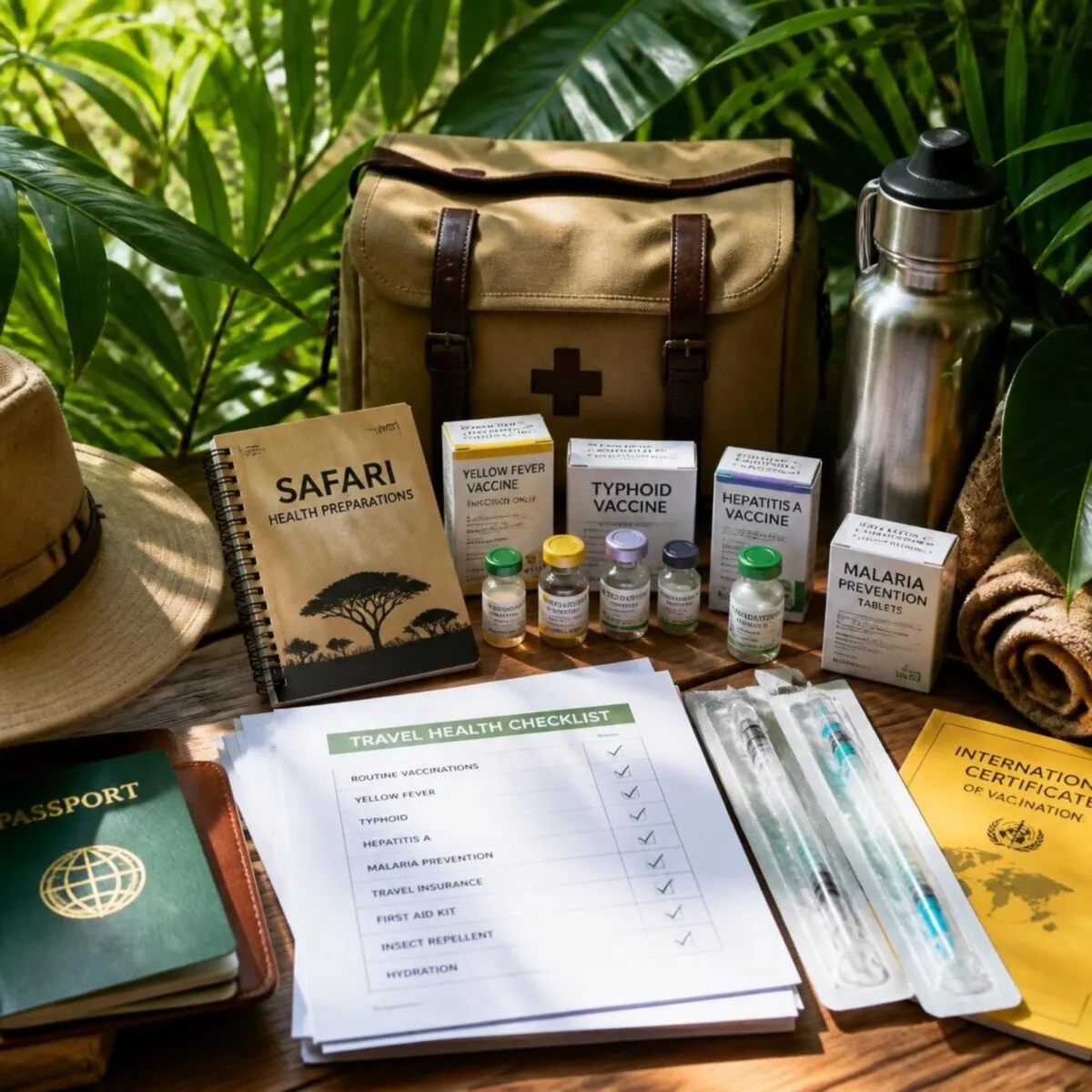
Honest health planning
Tell us what we should know — knees, hearts, medications that need refrigeration — and it shapes the route invisibly. Every camp we use keeps evacuation cover, and we share your (confidential) essentials with camp managers so care is ready without ever being conspicuous.