The “Big Five” is the most famous phrase in safari travel — and one of the most misunderstood. The term has nothing to do with size. It was coined by big-game hunters to describe the five animals considered the most dangerous and difficult to hunt on foot: the lion, leopard, African elephant, Cape buffalo and rhinoceros.
Today the only shooting is with a camera, and seeing all five remains the classic safari ambition. Here is who they are, and where your chances are best.
Meet the Big Five
Each of the five has its own character, habitat and best viewing conditions.
- —Lion — the most sociable big cat, seen in prides; best at dawn and dusk
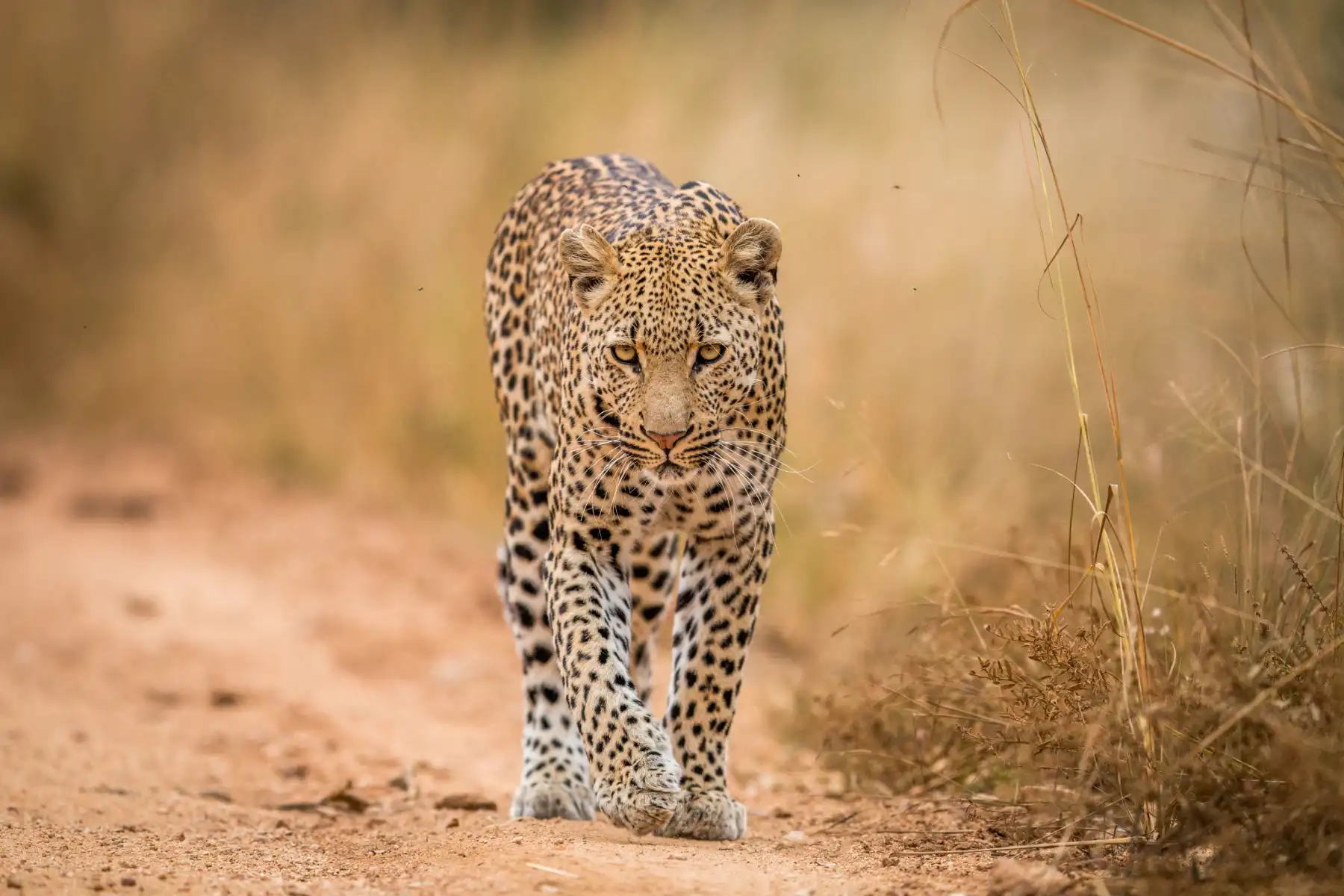
- —Leopard — solitary, elusive and nocturnal, often draped in a tree
- —African elephant — the largest land animal, in family herds at water
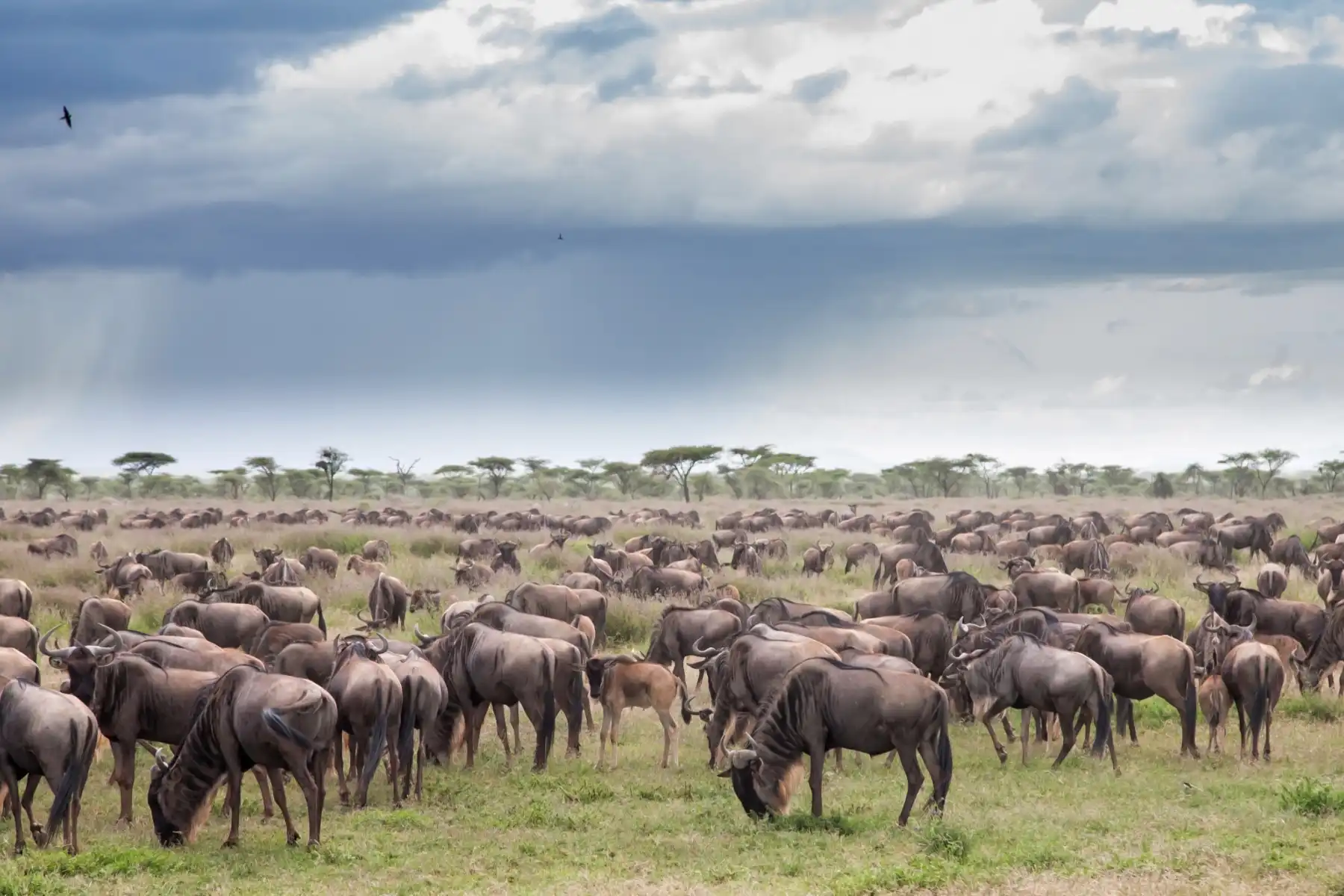
- —Cape buffalo — formidable and unpredictable, in large grazing herds
- —Rhino — black and white species; rarer and the hardest of the five to find
Where to see all five
A handful of destinations give you a realistic chance of the full set in a few days. South Africa’s Greater Kruger (and private reserves such as Sabi Sands) is arguably the most reliable for all five, with exceptional leopard and rhino sightings. Kenya’s Maasai Mara and Tanzania’s Serengeti and Ngorongoro Crater are superb, though rhino are scarcer there. Botswana and Zambia deliver outstanding lion, leopard, elephant and buffalo.
- —Sabi Sands & Greater Kruger, South Africa — the most reliable all-five
- —Maasai Mara, Kenya — superb cats; rhino harder
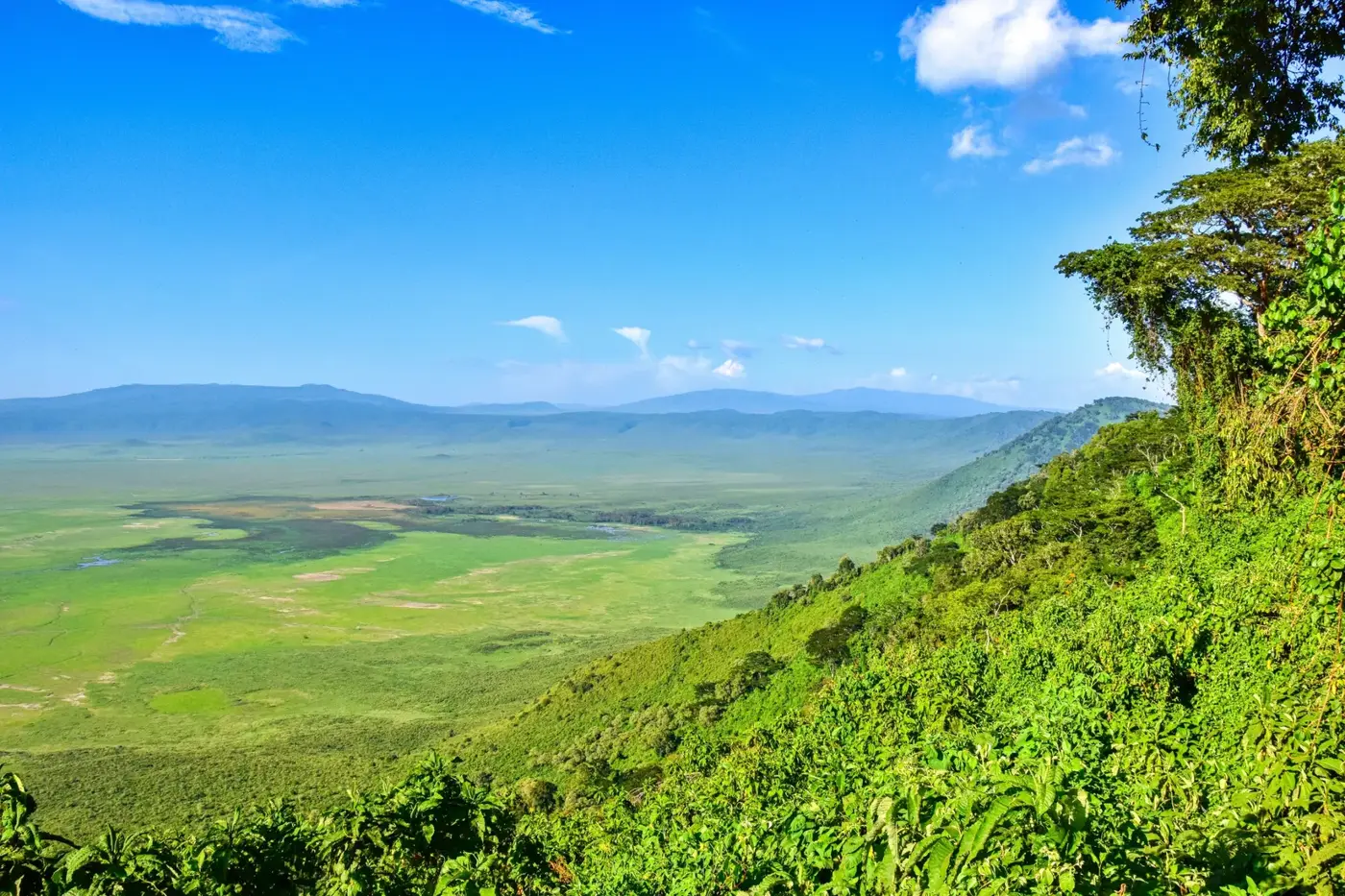
- —Serengeti & Ngorongoro, Tanzania — Ngorongoro is a rhino stronghold
- —Okavango & Chobe, Botswana — elephant and predators in abundance
Where each of the five is easiest to find
Seeing all five is a matter of stacking the odds. Each animal has places where it is close to routine, and places where it is a matter of luck.
Lion — the easy one
Lions are social, territorial and unbothered by vehicles, which makes them the most reliably seen of the five. Prides hold the same ground for years, so guides usually know within a few hundred meters where to look. The Serengeti, the Maasai Mara, Ngorongoro Crater and the Greater Kruger all deliver lion on most game drives. Dawn and the last hour of light are when they move; through the middle of the day they will be flat on their sides under a bush, doing nothing at all.
Leopard — the one that decides whether your trip was lucky
Solitary, largely nocturnal, and comfortable in trees, leopard is the animal that separates a good safari from an unforgettable one. Plenty of travelers complete a two-week trip without one.
The exception is Sabi Sand in South Africa, where generations of leopards have grown up around vehicles and sightings are genuinely routine rather than lucky. South Luangwa in Zambia is the other standout, particularly on night drives, which national parks elsewhere often prohibit. If leopard matters to you, build the itinerary around one of those two rather than hoping.
Elephant — a question of which experience you want
Elephant are widespread and rarely hard to find, so the real choice is what kind of encounter you want. Chobe in Botswana holds one of the greatest concentrations on the continent, and the river cruises there put you at eye level with herds crossing to the islands. Amboseli in Kenya is the place for big tuskers photographed against Kilimanjaro. Tarangire in Tanzania fills with elephant in the dry season as the surrounding country empties toward the river.
Cape buffalo — underestimated by everyone
Buffalo are the least glamorous of the five and the ones hunters feared most. Herds run to hundreds of animals and are easy to find almost anywhere with water, so buffalo rarely dictates where you go. Watch instead for the old solitary bulls — the ones guides call dagga boys, caked in dried mud and permanently short-tempered. They are the reason buffalo made the list.
Rhino — the one nobody can promise
Rhino is the reason honest operators will not guarantee the Big Five. Decades of poaching have left both species scarce and their locations closely guarded, and some camps will not disclose sightings by radio at all.
White rhino are most reliably seen in South Africa, particularly the Greater Kruger and dedicated reserves. Black rhino — smaller, hook-lipped and far more elusive — are best looked for in Ngorongoro Crater, Etosha in Namibia, and conservancies in Kenya such as Ol Pejeta, where anti-poaching protection is intensive and sightings are correspondingly better than in open country.
How long you actually need
The honest answer is that the Big Five is not a three-day proposition. Four of the five are achievable in a well-chosen three or four nights; it is rhino, and often leopard, that need more time or a more deliberate choice of destination.
Three to four nights in one reserve — realistic for four of the five in the Greater Kruger, and a genuine chance at all five in a private reserve like Sabi Sand.
Seven to ten nights across two or three areas — the sensible target. It lets you pair a leopard-strong reserve with a rhino-strong one, and gives the weather and the animals room to not cooperate on any given day.
Ten nights or more — where the Big Five stops being the point. By then you are seeing wild dog, cheetah hunts, river crossings and the things people actually talk about years later.
A useful rule: every additional morning drive raises your odds far more than an additional country does. Two nights in four places is a worse safari than four nights in two.
When to go for the best odds
The dry season is the straightforward answer. As seasonal water disappears, animals concentrate around permanent rivers and waterholes, the grass is short and the bush is thin — all of which make animals easier to find and easier to see. Roughly June to October across most of Eastern and Southern Africa.
The green season is not a mistake, though. The bush is transformed, the light is dramatic, newborns are everywhere, predator activity is high because the young are vulnerable, and camps cost meaningfully less. The trade-off is thicker vegetation and animals dispersed over a wider area, which makes sightings less predictable rather than less good.
If the Big Five is the specific goal and you have one trip to spend, go in the dry season. If you have been on safari before, the green season often gives you the better photographs.
Watching them properly
The single biggest difference between a good sighting and a great one is how long you stay. In a busy national park a vehicle might get ten minutes at a leopard before the queue behind it forces a move. In a private concession with a handful of vehicles across a vast area, you can sit for an hour and watch behavior rather than just confirm the animal exists.
That is worth understanding before you book, because it is the real difference the price buys — not the tent, but how many other vehicles are at the sighting and whether your guide can go off-road to follow what is happening.
Two practical things. First, ask your guide to cut the engine and simply wait; most of what makes a sighting memorable happens after the first few minutes. Second, resist the checklist. The guests who tick off five animals in three days almost always describe a less satisfying trip than those who spent an hour with one.
Beyond the Big Five
Don’t fixate on a checklist. Some of the most thrilling sightings — cheetah at full sprint, wild dogs on the hunt, a leopard tortoise, vast flocks of flamingos — sit outside the famous five. Guides will sometimes mention the “Little Five” and the “Ugly Five” too, a reminder that the bush rewards curiosity over collecting.